Locksmith services are always 10% off for seniors.
Open Mon–Thu 8:30 AM–9 PM, Fri 8:30 AM–4 PM, Sun 9:30 AM–9 PM
Locksmith services are always 10% off for seniors.
Open Mon–Thu 8:30 AM–9 PM, Fri 8:30 AM–4 PM, Sun 9:30 AM–9 PM
GTA Lockman Mobile Locksmith Services · Toronto & GTA
Set up entry for a child who arrives home first, without a key that goes missing every term.
Related services
Decide how many keys a household needs, where the spare belongs and when a key should be replaced.
Learn moreWork out what actually caused the lockout, then change the one or two things that make it likely to repeat.
Learn morePlan keyless entry around door compatibility, code management and a practical backup entry method.
Learn moreDecide who can enter your home, use codes or keys that can be withdrawn, and keep a record you can check.
Learn moreSet up a key safe that carers can use daily without the code becoming a permanent way into the home.
Learn moreRepairs, rekeying and replacement hardware for homes, condos and apartments, with attention to the whole door.
Learn more
At some point most families reach the stage where a child gets home before anyone else. It might be every school day or just the occasional afternoon, but the question is the same: how does the child get into the house, reliably, without a key that goes missing every term or ends up on a school bag for anyone to see?
There is no single right answer. What suits a ten-year-old walking home from school two streets away is different from what suits a teenager coming back from practice in the evening. The door, the neighbourhood and the child all shape the choice.
The three usual arrangements are a key the child carries, a keypad lock with a code, and a combination of the two.
A key is simple and needs no batteries. Its weakness is that children lose keys, and a lost key with an address label, a school name or a distinctive keyring can lead straight back to the house.
A keypad lock removes the key from the equation. The child learns a code, nothing can be lost, and the code can be changed if it is shared. Its weaknesses are batteries, the need for a mechanical backup, and the risk of the code being watched or passed on to friends.
Many families end up using both: a keypad for everyday entry, with a key kept somewhere reliable as a backup.
A few habits make carrying a key much safer:
If a key does go missing, the question is whether it could be linked to the house. If it could, rekeying the door the key opens is inexpensive and restores control; the reasoning is the same as any lock change after lost keys.
Keeping a known number of copies helps too, and deciding spare keys: how many and where to keep them is simple arithmetic for most households.
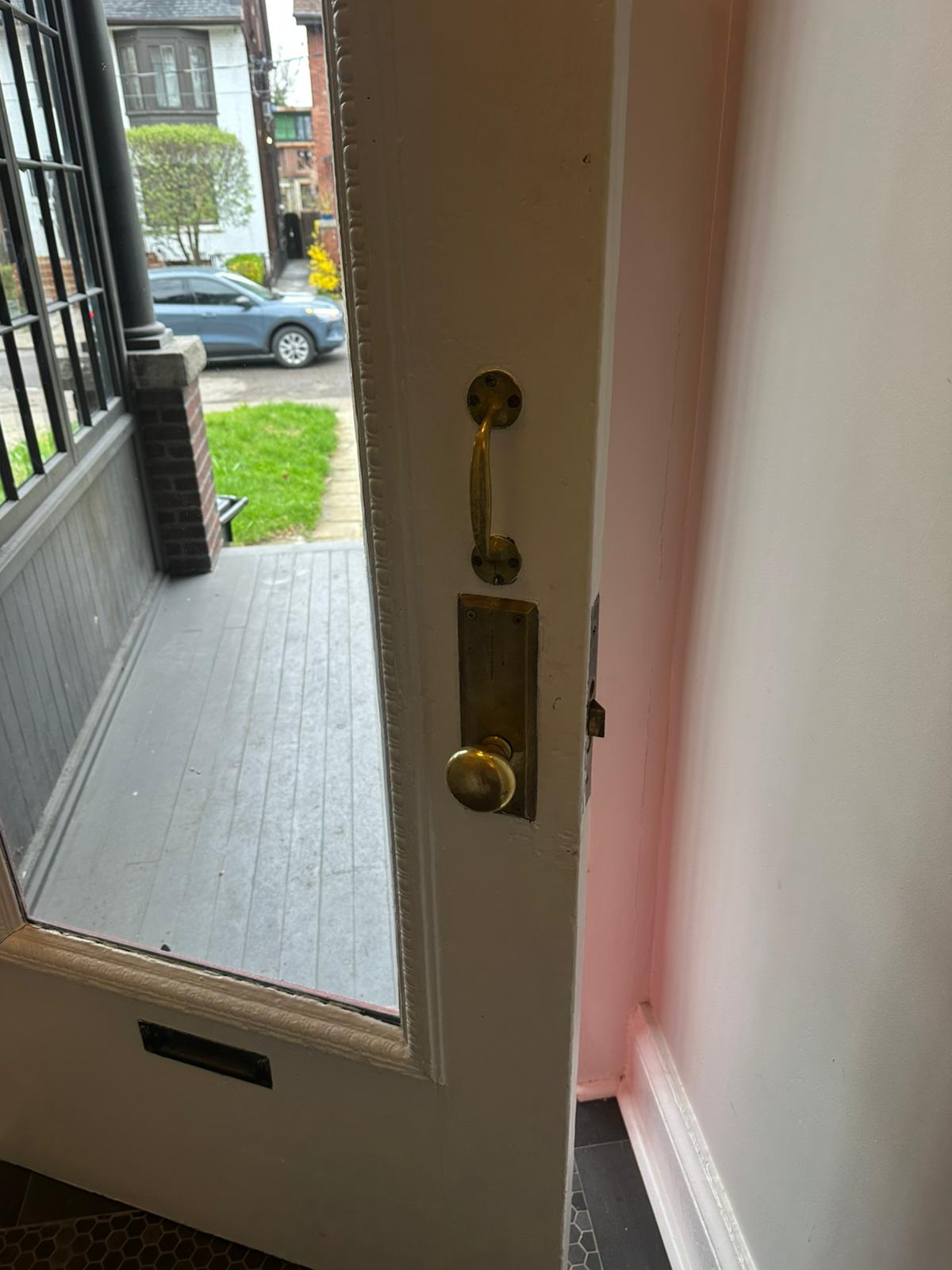
Keypad locks suit children well when they are set up properly.
Give the child their own code rather than sharing the adults' code, so it can be changed on its own if needed. Teach them to shield the keypad while entering it. Check the batteries on a schedule rather than waiting for the low-battery warning. Make sure there is a mechanical key override and that an adult knows where the backup key is.
Choosing a model with individual user codes, a low-battery warning and a key override is part of keypad lock installation.
Every arrangement needs a plan for the day it fails: the key is lost, the keypad batteries have died, or the door will not open for some other reason.
The plan should be simple enough for the child to follow without panic. Usually that means a trusted neighbour who holds a spare key or knows who to call, a clear instruction on which adult to phone first, and a safe place to wait. It is worth rehearsing once, calmly, so the child knows what to do.
After any lockout, it is worth thinking through what went wrong and changing what made it likely, which is the idea behind after a lockout: preventing the next one.
Photos
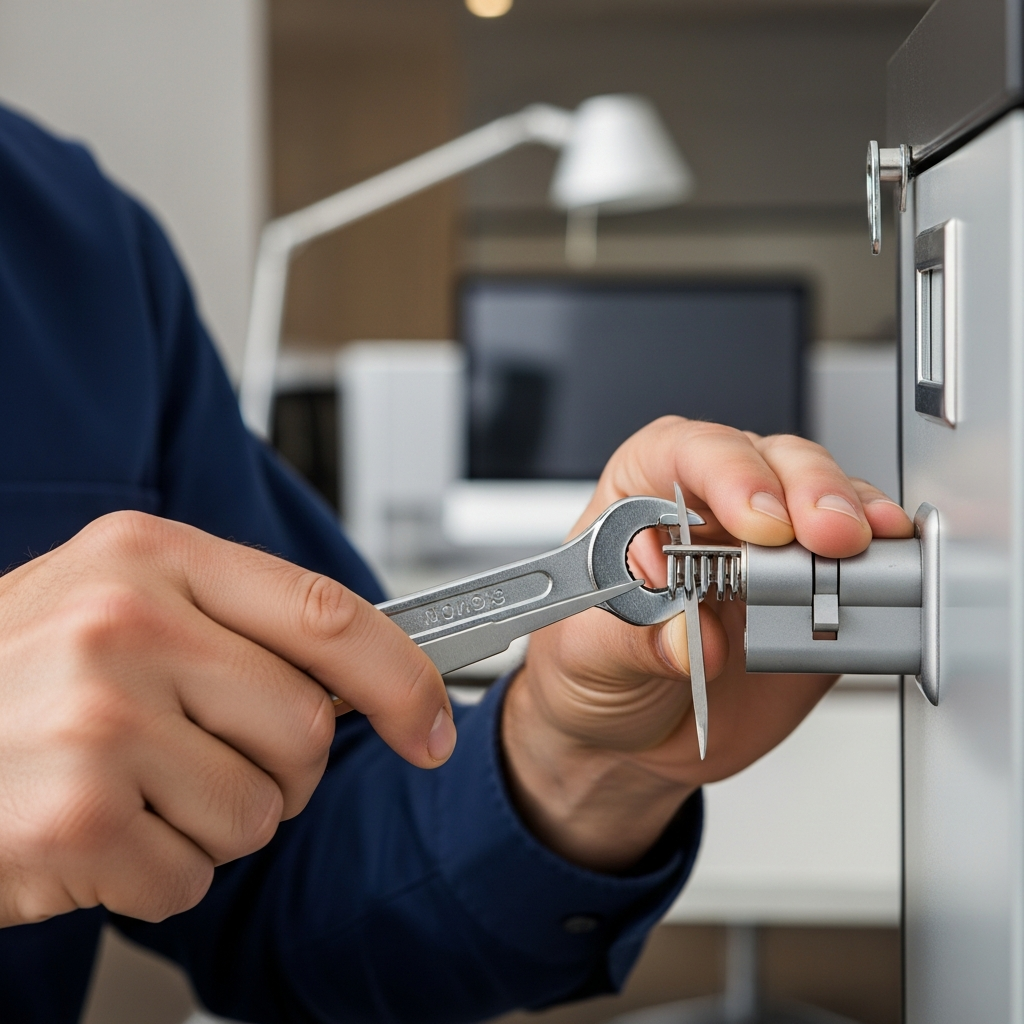
Photographs from GTA Lockman Mobile Locksmith Services work across Toronto and the GTA. Send a picture of your own door and we can tell you what the visit would involve.
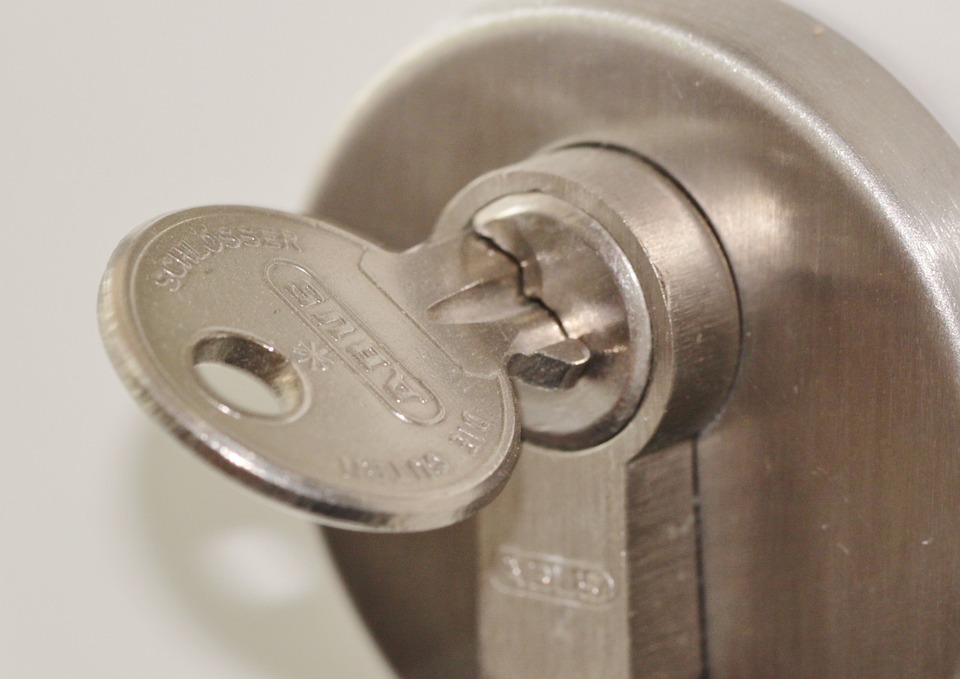
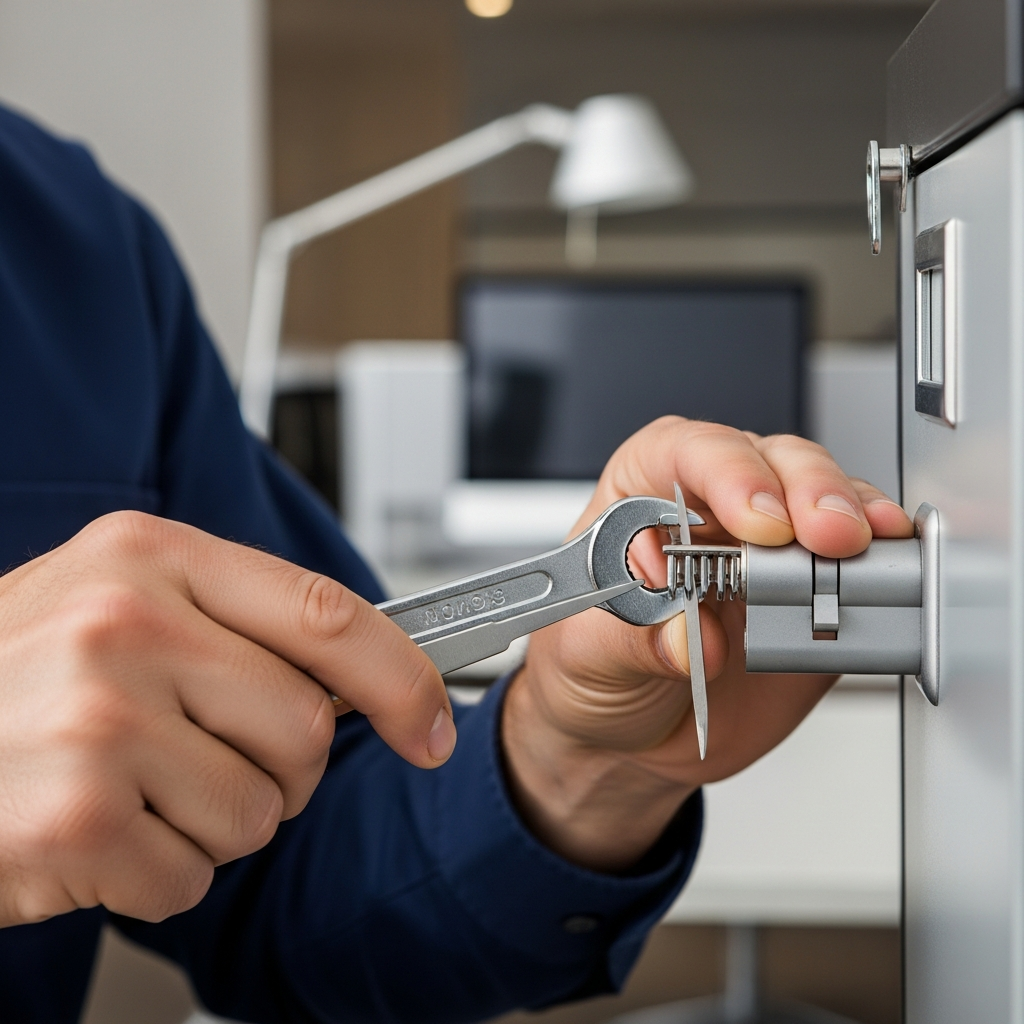
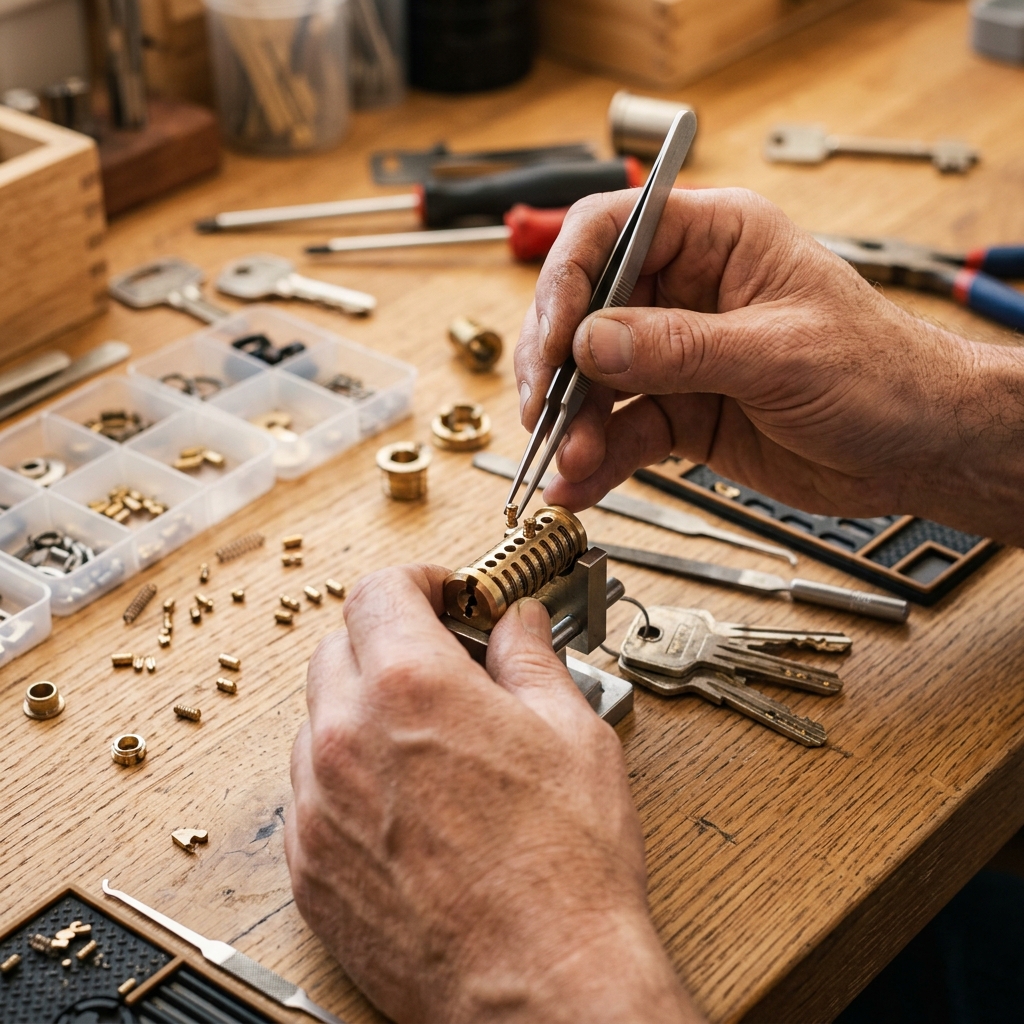

A key safe mounted outside the door holds a spare key behind a code. It can be a useful backup if the neighbour is not always home.
The same rules apply as with any key safe: mount it where it is not obvious from the street, choose a code that is not a birthday or house number, and change the code if it is shared more widely than intended. The same principles used for key safes for home care visits hold for a family.
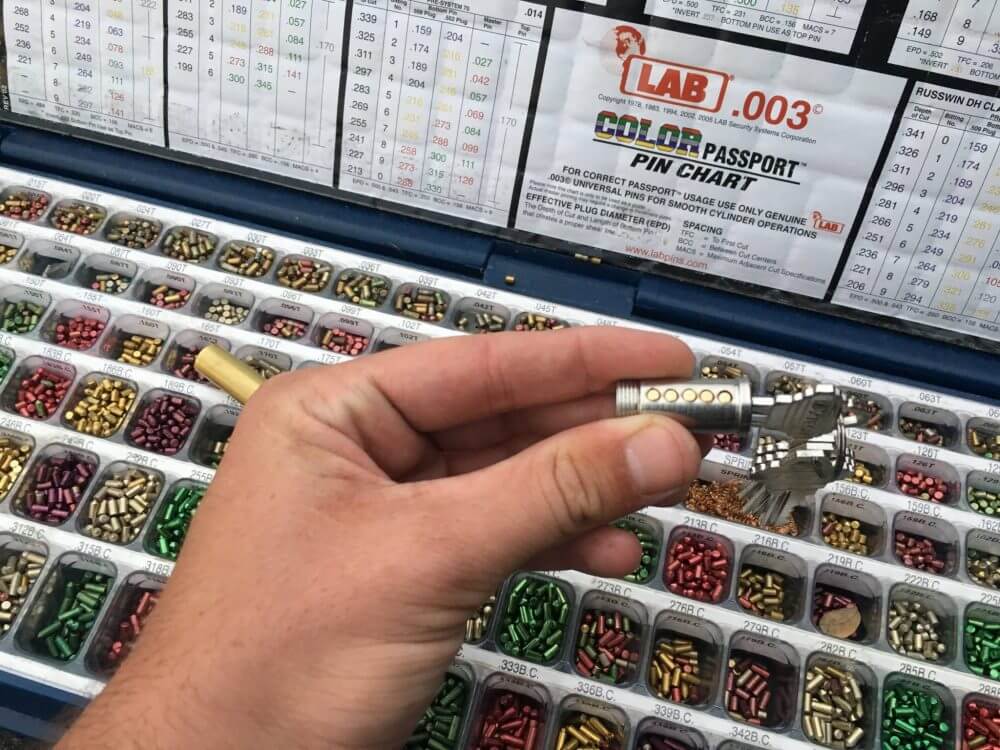
Once the child is inside, the door should be locked behind them. A deadbolt with a thumbturn on the inside lets them lock it easily and leave efficiently in an emergency without needing a key.
Avoid any arrangement that needs a key to get out from inside. A child alone in the house must be able to leave in a hurry, in the dark, without searching for a key.
If a babysitter, a grandparent or a regular helper also comes to the house, give them their own code or key and keep track of who holds what. The same approach families use with keys for cleaners, nannies and dog walkers works here.
Children grow up, change schools and start coming home at different times. Review the arrangement each school year: is the code still private, is the key still accounted for, does the backup plan still work?
In an apartment or condo, a child coming home alone usually passes through more than one door: the building entrance, possibly an elevator or stairwell, and the suite door. Each may need a different key, fob or code.
Building fobs and keys are controlled by the property manager, and a lost fob is reported to them so it can be deactivated. The suite door is yours to manage, within the building's rules. Many condo corporations restrict what can be fitted to suite doors, particularly on fire-rated doors, so check before installing a keypad lock.
It helps to walk the whole route with the child the first few times: which door the fob opens, where to wait if the entrance is busy, and what to do if the elevator is out of service.
As children get older, they come home later and more independently, and the arrangement needs to change with them. A teenager may bring friends, come home after dark or need to let themselves in without anyone knowing when.
A keypad lock with an individual code gives flexibility here, and some models record when each code is used, which some families find reassuring. Talk about who else may know the code and what happens if friends have seen it. Changing the code occasionally, especially after a falling-out or a change of friendships, is a sensible habit.
Outdoor lighting at the entrance matters more for later arrivals. A light on a timer or motion sensor means nobody is fumbling with a key or keypad in the dark.
The practical arrangement works far better when the child understands it. Explain why the key has no address on it, why the code is kept private, and what to do if something goes wrong. Keep the instructions simple and write the key phone numbers somewhere the child can find them.
Many families find it helps to do a practice run on a weekend: the child lets themselves in, locks the door, and calls a parent to say they are home. Rehearsing it once takes the anxiety out of the first real day.
Families with more than one child often have different arrival times, different ages and different levels of responsibility. One child may be ready for a key while a younger sibling is not.
Give each child who needs access their own code or their own key, so that a lost key or a shared code affects only one person. If an older sibling is responsible for letting a younger one in, make sure both know the plan for the day the older one is late or unwell. A simple rule, such as the younger child waiting with a named neighbour until the older one arrives, removes the guesswork.
As the younger child grows, bring them into the arrangement gradually, starting with learning the code while an adult is present.
The first few minutes after a child gets home matter. If the house has an alarm, the child needs to know how to disarm it efficiently and what to do if they get the code wrong. If there is a dog, make sure it is comfortable with the child arriving alone.
A short routine helps: unlock the door, come inside, lock the door behind them, disarm the alarm, then call or message a parent. Practising it a few times makes it automatic, which is exactly what you want on a day when something else has gone wrong.
Tell us which door the child uses, how old they are, whether you are thinking of a key, a keypad or both, and whether any keys are currently unaccounted for.
We can rekey the door, fit a keypad lock with separate codes, set up a key safe, and check that the door locks properly and still opens easily from inside. Keypads, rekeying and spare-key arrangements for the rest of the family come under our residential locksmith services.
Keep reading
There is no fixed age. It depends on the child, how far they travel, and whether they reliably keep track of belongings. Many families start with a keypad code instead, which removes the risk of a lost key entirely, and add a key later.
There is no fixed age. It depends on the child, how far they travel, and whether they reliably keep track of belongings. Many families start with a keypad code instead, which removes the risk of a lost key entirely, and add a key later.
For many families, yes. Nothing can be lost, and the code can be changed if it is shared. The trade-off is battery maintenance and the need for a mechanical backup. Giving the child their own code, separate from the adults', makes it easy to change on its own.
Nothing that identifies the house: no address, surname or school name. A plain keyring kept inside a bag or pocket, rather than hanging from the outside, is less likely to be lost or noticed.
If the key could be linked to your address, rekeying the lock it opens restores control and is usually inexpensive. If it was lost somewhere with nothing identifying the house, some families simply cut a replacement and watch for anything unusual.
Most keypad locks give a low-battery warning well in advance, and many have a way to power the keypad from outside temporarily. A backup key with a trusted neighbour or in a key safe covers the rest. Checking batteries on a schedule avoids the problem.
No. A child alone in the house must be able to get out efficiently without a key. A deadbolt with a thumbturn on the inside lets them lock the door easily and leave reliable in an emergency.
It can be a useful backup. Mount it where it is not obvious from the street, use a code that is not a birthday or house number, and change the code if it is shared more widely than intended.
At the start of each school year, or whenever routines change. Check that codes are still private, keys are accounted for and the backup plan still works.
GTA Lockman Mobile Locksmith Services is a mobile locksmith working on homes, businesses and vehicles across Toronto and the GTA, with more than 14 years in the trade. Every review is written by a customer on Google, where you can read them in full.
Areas served: Toronto, North York, Scarborough, Etobicoke, Vaughan, Richmond Hill, Markham, Stouffville, Newmarket, Mississauga, Brampton, Oakville, Milton, Halton Hills, Pickering, Ajax, Whitby, Oshawa, Uxbridge.
Describe the door, hardware and service address. Contact GTA Lockman Mobile Locksmith Services to confirm the scope and scheduling for your location.