Locksmith services are always 10% off for seniors.
Open Mon–Thu 8:30 AM–9 PM, Fri 8:30 AM–4 PM, Sun 9:30 AM–9 PM
Locksmith services are always 10% off for seniors.
Open Mon–Thu 8:30 AM–9 PM, Fri 8:30 AM–4 PM, Sun 9:30 AM–9 PM
GTA Lockman Mobile Locksmith Services · Toronto & GTA
Keep keys out of reach, decide what the slot sits near, and stop the opening undoing the door.
Related services
Handle deliveries without weakening the door, and strengthen the openings a parcel thief would try.
Learn moreUnderstand what a double-cylinder deadbolt does, the fire-safety concern, and alternatives for doors with glass.
Learn moreFit a pet door without undoing the lock, the door panel or the frame, and know which doors suit one.
Learn moreReview every door the missing keys operated, then rekey or replace the locks that no longer control access.
Learn moreAssess the mailbox type, ownership and failed key or cylinder before arranging authorized opening or replacement.
Learn moreRepairs, rekeying and replacement hardware for homes, condos and apartments, with attention to the whole door.
Learn more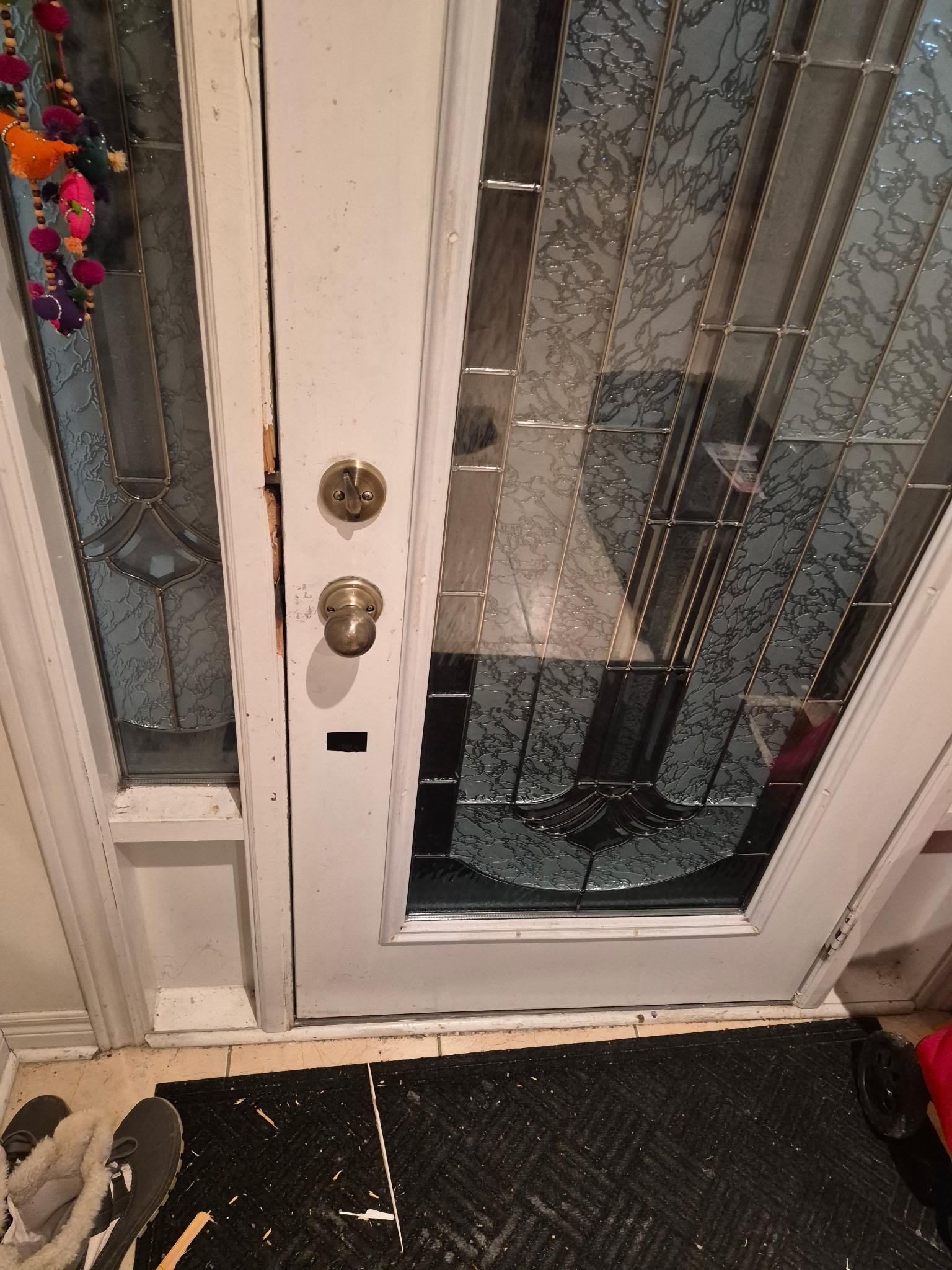
A mail slot is a deliberate opening in an otherwise solid door. On most GTA homes it sits in the middle of the door, at a height where an arm can reach through, and it opens directly into the hallway where keys, bags and mail usually land.
That is not an argument for removing every mail slot. Millions of them work without incident. It is a reason to think about what is within reach on the inside, what the flap does when it is not being used, and how the door itself performs.
Some mail slot risks are worth taking seriously, some get exaggerated, and a few practical changes make a slot safer without cutting off your mail.
Three things come up. The first is reach: an arm or a tool through the slot can take what is near the door, including keys left in a bowl, a handbag on the hall table or a parcel just delivered.
The second is the thumbturn. If the inside deadbolt turn is within reach of the slot, someone can unlock the door without attacking the lock at all. Distance matters here, and so does whether a tool could extend that reach.
The third is the slot itself as a weak point in the door: a large opening removes material, and a poorly fitted one lets weather in and can loosen over time.
The simplest fix costs nothing. Keys, fobs, wallets and bags should not live within reach of any opening, including the mail slot, a letterbox in a sidelight, or a pet door; see pet doors and door security.
Move the key bowl to another room or use a hook out of sight of the door. This also removes the problem of keys visible through a glazed panel beside the door.
If keys are missing after mail has been delivered, treat it as a key loss rather than a mislaid set, and review the doors those keys opened; see lock changes after lost keys.
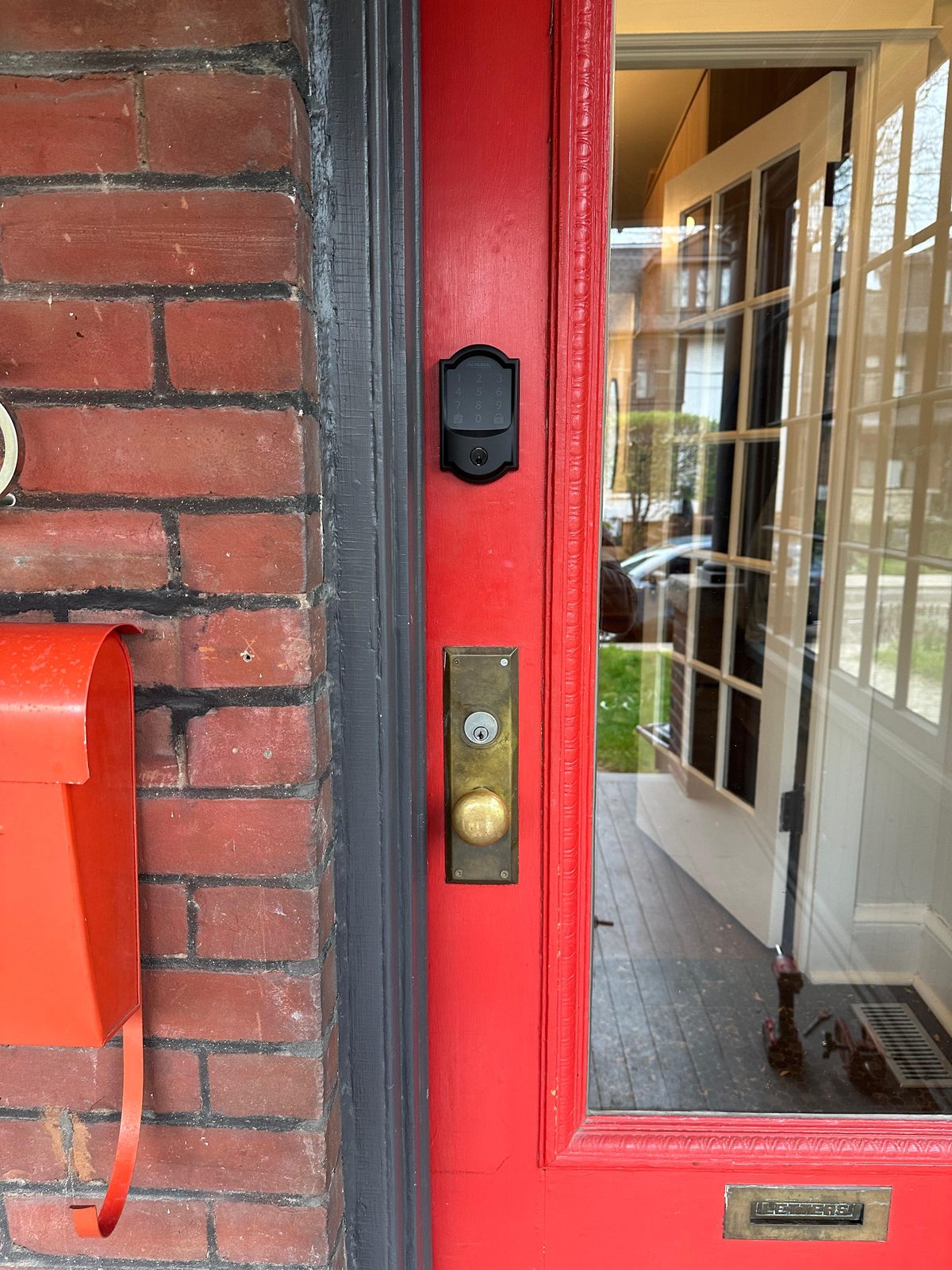
Measure the distance from the slot to the inside thumbturn. If it is close, options include relocating the slot, fitting a thumbturn that can be removed or locked when the house is empty, or fitting a mail cage or hood that stops an arm passing through.
A double-cylinder deadbolt, which needs a key on both sides, removes the thumbturn entirely. It also removes your ability to leave without a key, a genuine fire-safety trade-off and the main drawback of double-cylinder deadbolts. For most households the other options are better.
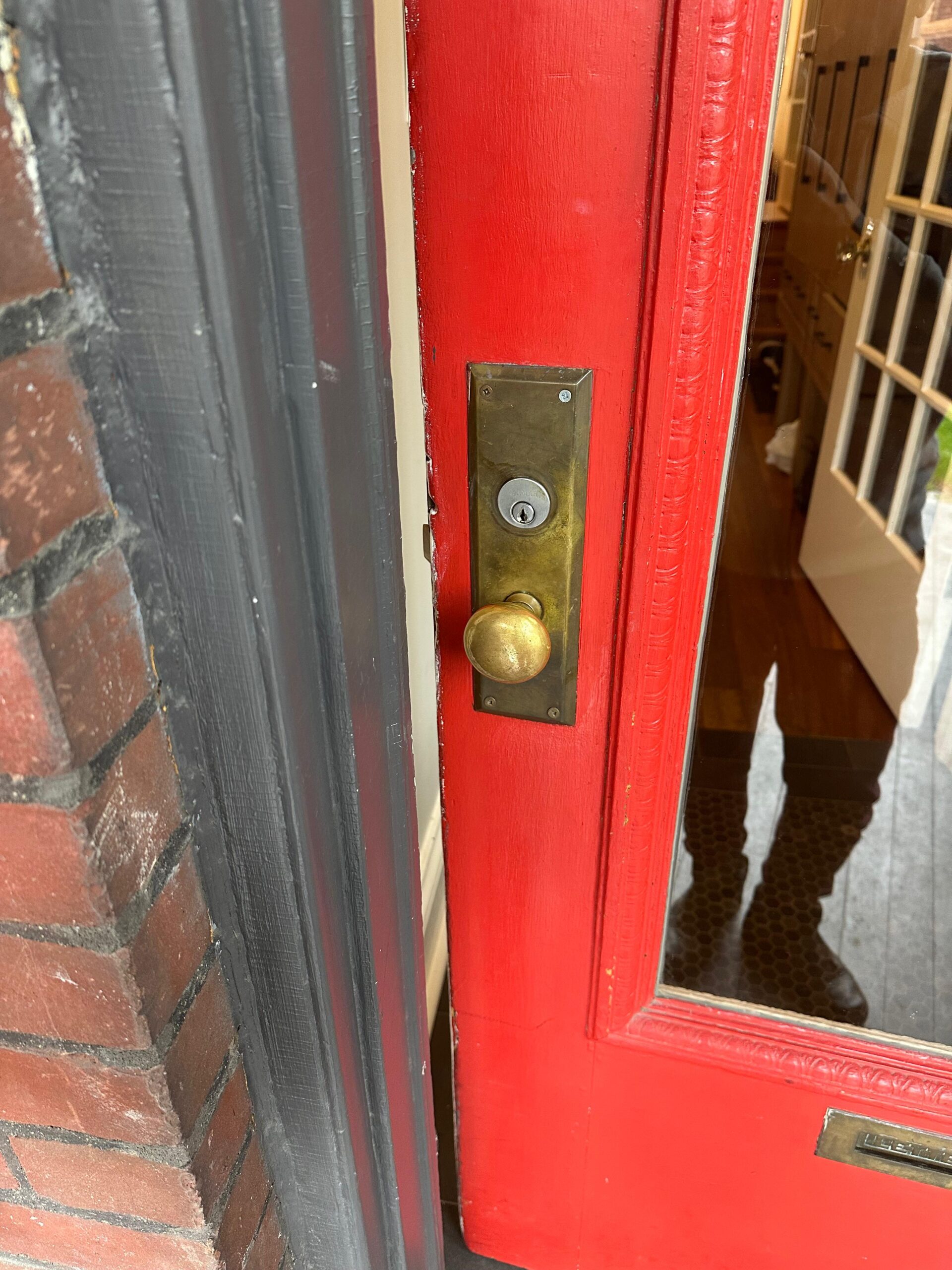
Whichever route you take, the deadbolt still has to throw fully into a solid strike; see side and back door lock repair.
A mail cage fixed to the inside of the door catches mail in a basket and blocks a straight path through the opening. A hooded or baffled slot does something similar within the flap itself.
Both also help with weather. An unbaffled slot lets cold air, rain and snow straight into the hallway, and a flap that no longer springs closed makes it worse. Brush seals and sprung flaps are inexpensive and improve comfort as well as security.
Check that whatever you fit still allows normal mail through. A cage that jams with a single flyer will be removed within a month.
Some homes have a letter plate in a glazed panel or a storm door rather than the main door. Glass near a lock is its own consideration: if breaking a pane gives access to a thumbturn, the glass is the thing to address. Storm doors have light frames and simple hardware, which limits what storm and screen door locks can add here.
Where a slot has been cut into a door that also has glazing, look at the combination rather than each element separately.
Mail slots take letters; parcels are left on the step. Households that receive frequent deliveries often find that the real exposure is the porch rather than the slot. Parcel boxes and courier codes usually help more than changes to the door, as with deliveries, parcel theft and door security.
If you are considering replacing a mail slot with a wall-mounted box or a locking parcel box, that also removes the opening in the door entirely.
In apartment and condominium buildings, mail is usually handled by a bank of locked boxes in the lobby rather than a slot in the suite door. That shifts the questions to who holds the mailbox key and whether the box locks properly.
Community mailboxes operated by Canada Post have their own arrangements and their own locks. Responsibility for those locks varies, as with mailbox lockouts and broken keys, and building credentials follow the rules for a lost condo fob or building key.
Shops and offices with a letter plate in the door face the same reach question, often with a till, a key cabinet or an alarm panel nearby. Move anything valuable out of reach, and check whether the slot is positioned near the inside release of the door.
Where a business receives sensitive mail, a locked internal cage or a redirect to a box is worth considering. Mail is one part of the wider handover at a commercial unit, alongside a lock change when moving into a new office.
If you no longer want a slot, it can usually be sealed and the door made good, or the door replaced. The finish matters: a badly patched slot leaves a weak, visibly repaired panel. A door specialist or carpenter normally handles the repair, and we can advise on the hardware side.
Before removing it, arrange where mail will go instead, whether that is a wall-mounted box, a locking parcel box or a redirect.
We can assess the distance between a slot and the inside hardware, fit or adjust deadbolts and thumbturn options, fit mail cages and baffles where they suit the door, reinforce the strike and hinges so the door resists forcing, and rekey or replace locks where keys have been taken.
We do not cut new slots into doors or patch them; that is carpentry, and we will say so rather than leaving a door poorly repaired.
Kneel down and look through the open flap from outside. That view tells you more than any measurement. Can you see keys, a bag, a phone or a parcel? Is the deadbolt thumbturn in the line of sight? Is there a table within an arm's length? Most households have never looked, and most find at least one thing worth moving.
Do the same at night with the hall light on. A lit hallway seen through a slot shows exactly what is near the door, and it shows whether anyone is home. A small change in where the key bowl sits removes most of that.
Letter plates fitted decades ago often sit loose in the door, with enlarged screw holes and a flap that no longer springs shut. That combination lets weather in, rattles in the wind and widens the opening over time.
Refitting the plate properly, with fixings that suit the door thickness, usually solves it. On a door with a rotted or crumbling section around the slot, the repair belongs with a carpenter before any hardware is refitted. We will tell you which of the two you have rather than screwing a new plate into material that will not hold it.
When you call, describe the door, where the slot sits relative to the lock, and what prompted the question. Photographs of both sides of the door help. The front door's deadbolt, strike and hinges are part of our residential locksmith services and are worth checking at the same visit.
Keep reading
It depends on the distance between the slot and the inside thumbturn, and on whether a tool could extend someone's reach. On some doors the turn is well out of range; on others it is close enough to matter. Measure it. If it is within reach, options include a mail cage or baffle that blocks a straight path, a thumbturn that can be removed or locked when the house is empty, or relocating the slot. Each is simpler than changing the lock.
It depends on the distance between the slot and the inside thumbturn, and on whether a tool could extend someone's reach. On some doors the turn is well out of range; on others it is close enough to matter. Measure it. If it is within reach, options include a mail cage or baffle that blocks a straight path, a thumbturn that can be removed or locked when the house is empty, or relocating the slot. Each is simpler than changing the lock.
No. Keys, fobs, wallets and bags should be out of reach of every opening, including the mail slot, a letterbox in a sidelight and any glazed panel beside the door. Moving the key bowl to another room costs nothing and removes the most common problem. It also stops keys being visible from outside through glass, which is worth checking at the same time.
For many doors, yes. A cage fixed inside the door catches the mail and blocks a straight path through the opening, and it helps with draughts as well. Choose one that still lets normal mail through, since a cage that jams on a single flyer gets removed within a month. Hooded or baffled letter plates achieve something similar within the flap itself and look tidier on some doors.
It removes the thumbturn, so nothing can be turned through the slot, but it also means everyone inside needs a key to get out. That is a real fire-safety trade-off, and on a door that serves as an exit it is generally unsuitable, particularly in rentals and secondary suites. For most households a mail cage or a removable thumbturn addresses the same risk without affecting escape.
Most draughts come from a flap that no longer springs closed or from a slot with no internal baffle. Brush seals, sprung flaps and internal hoods are inexpensive and fix both the draught and the straight line of sight into the hallway. If the slot has loosened in the door over the years, refixing it properly also helps. Check it each autumn along with the rest of the door.
Yes, though the repair is carpentry rather than lock work. The opening can be filled and the door made good, or the door replaced if the panel is damaged. The finish matters, since a badly patched slot leaves a visibly weak spot. Arrange where mail will go first, whether a wall-mounted box, a locking parcel box or a redirect, then have the door repaired properly.
They are a separate problem, and usually the bigger one. Parcels are left on the step in plain view, which is what most opportunistic theft relies on. A fixed parcel box, delivery instructions in the courier apps and a nominated safe place all help. Those options work without weakening the door, unlike leaving a latch disabled or a key hidden outside for couriers.
The same reach question applies, but what sits near the door is often more valuable: a till, an alarm panel or a key cabinet. Move those out of reach and check whether the slot is near the inside release of the door. If you receive sensitive mail, a locked internal cage or a redirect to a box is worth considering, and at a commercial unit it makes sense to review who holds keys to the office at the same time.
GTA Lockman Mobile Locksmith Services is a mobile locksmith working on homes, businesses and vehicles across Toronto and the GTA, with more than 14 years in the trade. Every review is written by a customer on Google, where you can read them in full.
Areas served: Toronto, North York, Scarborough, Etobicoke, Vaughan, Richmond Hill, Markham, Stouffville, Newmarket, Mississauga, Brampton, Oakville, Milton, Halton Hills, Pickering, Ajax, Whitby, Oshawa, Uxbridge.
Describe the door, hardware and service address. Contact GTA Lockman Mobile Locksmith Services to confirm the scope and scheduling for your location.