Locksmith services are always 10% off for seniors.
Open Mon–Thu 8:30 AM–9 PM, Fri 8:30 AM–4 PM, Sun 9:30 AM–9 PM
Locksmith services are always 10% off for seniors.
Open Mon–Thu 8:30 AM–9 PM, Fri 8:30 AM–4 PM, Sun 9:30 AM–9 PM
GTA Lockman Mobile Locksmith Services · Toronto & GTA
What to do when the part you need is no longer made, and how to judge a repair against a retrofit.
Related services
Choose compatible front-door hardware with the right fit, operation and finish for the existing opening.
Learn moreWhen hardware you already own can move to another door, and when the fit makes that a false economy.
Learn moreRekeying answers who holds a key; replacement answers whether the hardware suits the door. Compare both.
Learn moreAssess the lock strip, gearbox and door alignment as one system before choosing compatible repair parts.
Learn moreWhat Grade 1, 2 and 3 measure, what they leave out, and why the strike and frame often matter more.
Learn moreFind the reason a key sticks, a bolt binds or a latch fails before deciding what needs replacement.
Learn more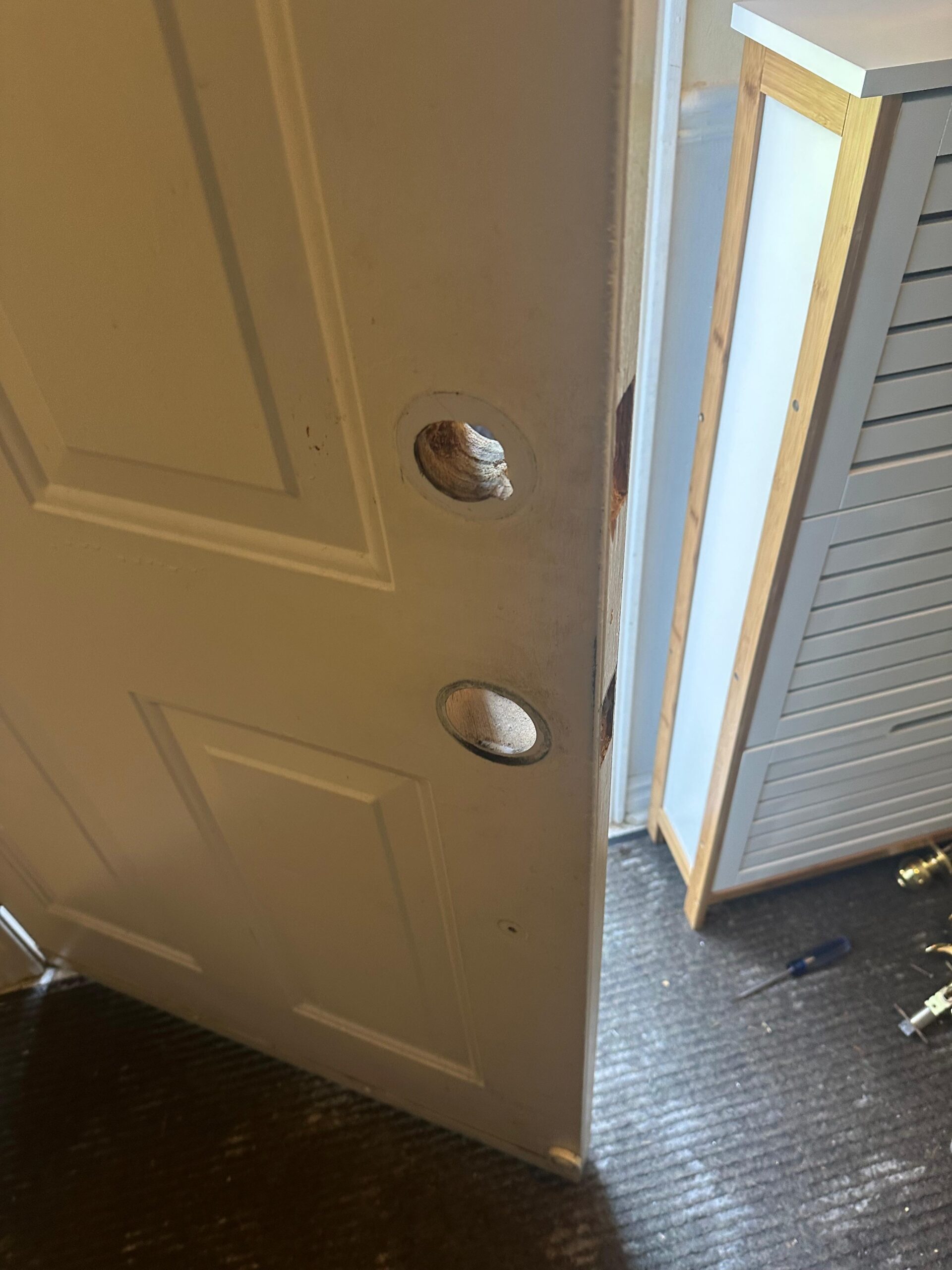
Door hardware lasts a long time, often longer than the company that made it. A mortise lock fitted when a house was built in the 1950s, a handleset from a range that was discontinued twenty years ago, a storefront lock whose manufacturer was bought and whose parts catalogue quietly disappeared: all of these keep working until one small piece wears out, and then the question is whether that piece can still be found.
Sometimes it can. Sometimes a compatible part from another maker fits. And sometimes the honest answer is that the lock has reached the end of what it can do, and the door needs something that is still supported.
Locks wear at the points that move. Springs lose tension, cams and tailpieces wear, latch bolts round off, and the pins in a cylinder shorten with years of key use.
On older mortise locks, the most common failures are a broken spring inside the case, a worn hub where the spindle turns, and a latch that no longer returns fully. On older tubular locks, it is usually the latch mechanism or the connection between the knob and the latch. On storefront locks, it is often the cylinder cam or the linkage to the deadbolt.
Knowing where the failure is matters, because a single spring or cam is often repairable even when the complete lock is no longer available.
Plenty of discontinued locks can be repaired.
A mortise case can be opened, cleaned and fitted with new springs. A worn cylinder can be rekeyed with fresh pins, or replaced with a modern cylinder of the same profile. A latch that sticks can often be freed and lubricated. Handles and trim can sometimes be matched from salvaged stock or from a current range with the same dimensions.
Repair keeps the door as it is: the same holes, the same finish, the same appearance, which matters a great deal on period doors and in older homes where the hardware is part of the character. It is also usually less disruptive than altering the door to take something new, and it is the first question in any lock repair.
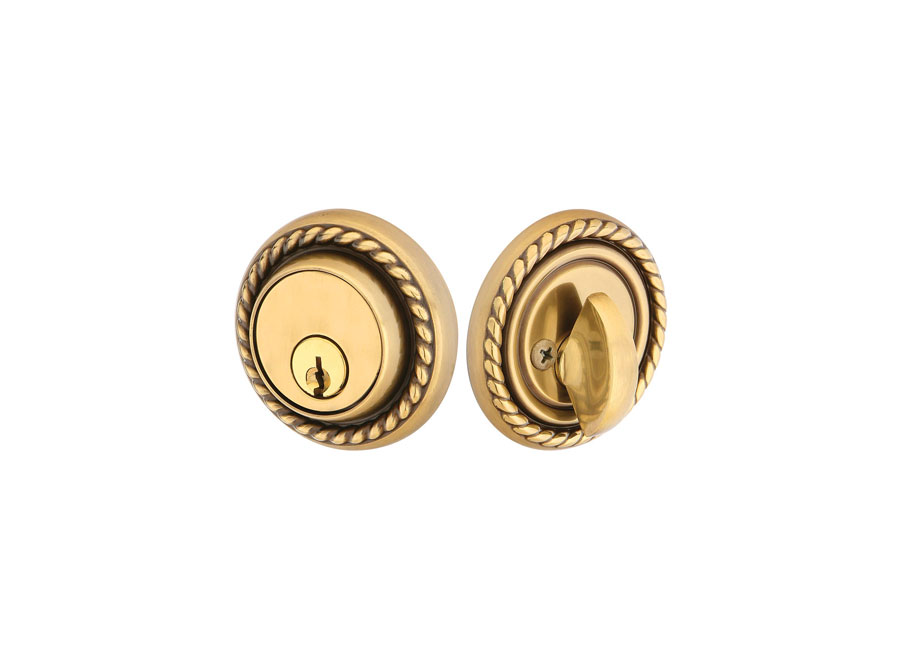
Many locks share standard dimensions even across brands. A cylinder may be replaceable with a modern one of the same length and cam type. A mortise lock case may be replaceable with a current model built to the same backset, faceplate size and hub position.
The measurements that decide it are the backset, the faceplate dimensions, the position of the spindle hub and the cylinder, and the depth of the pocket in the door. If those line up, a current lock can go into the old preparation with little or no alteration. The same measurements decide whether reusing and moving existing door hardware is realistic.
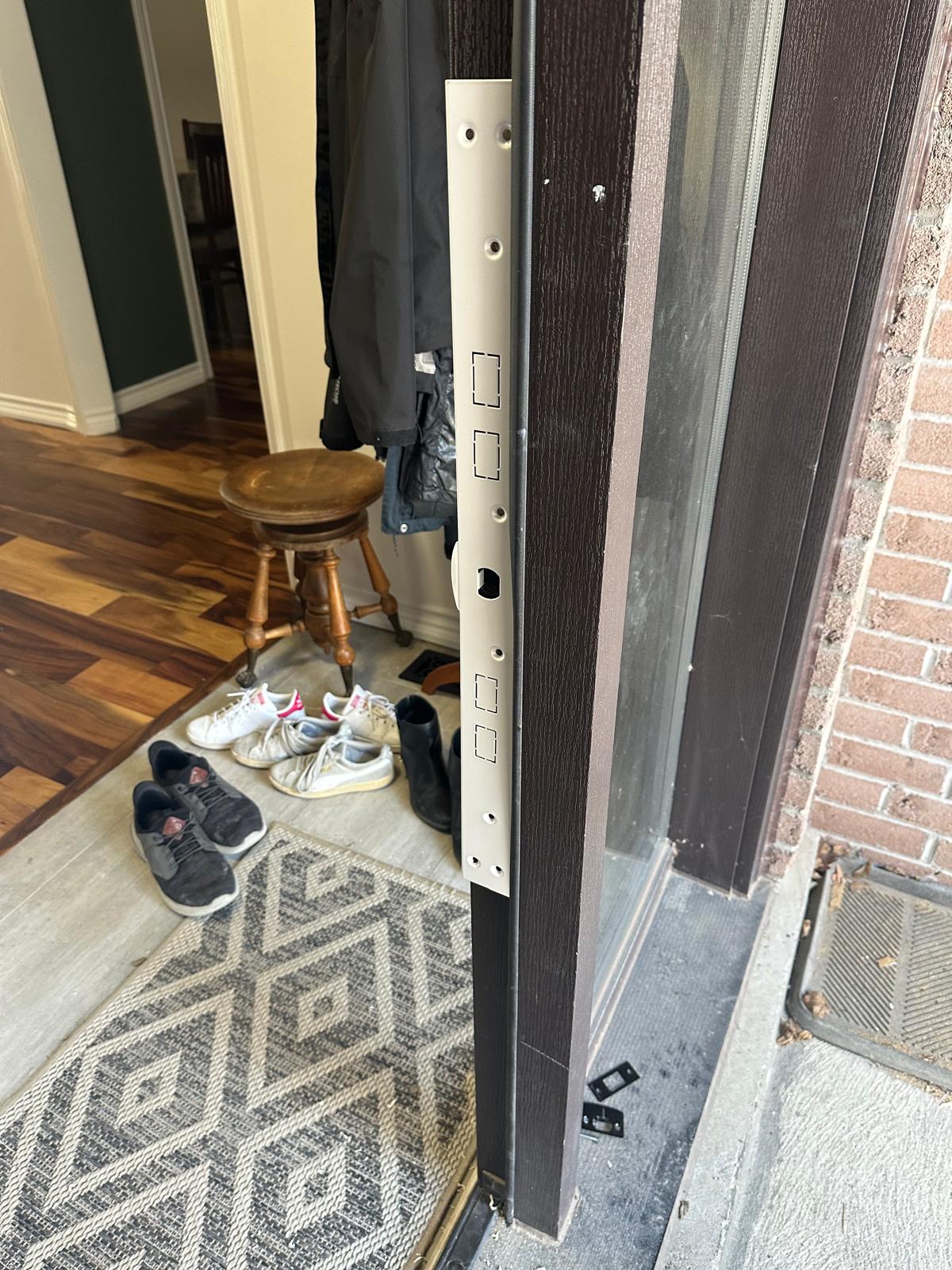
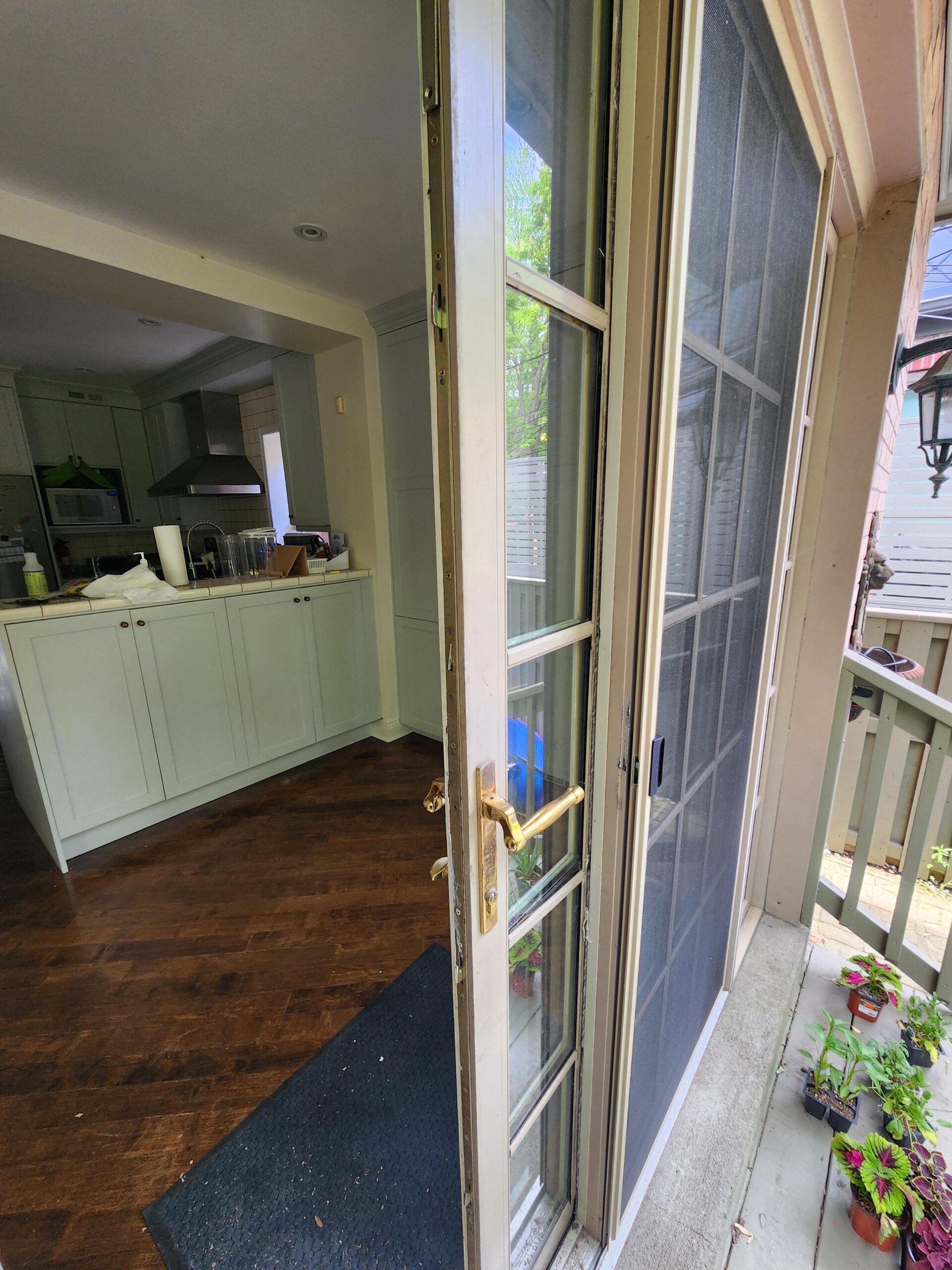
Older multipoint locks and patio door hardware are a particular problem, because the gearbox, strip and keepers are often specific to one manufacturer and one generation of product.
A failed gearbox can sometimes be replaced with a compatible unit even when the full strip is no longer made. Where it cannot, the choice is between replacing the whole locking strip or changing the approach to the door. Identifying the gearbox before anything is ordered is the step that avoids wasted parts, and it is where multipoint lock repair starts.
Photos
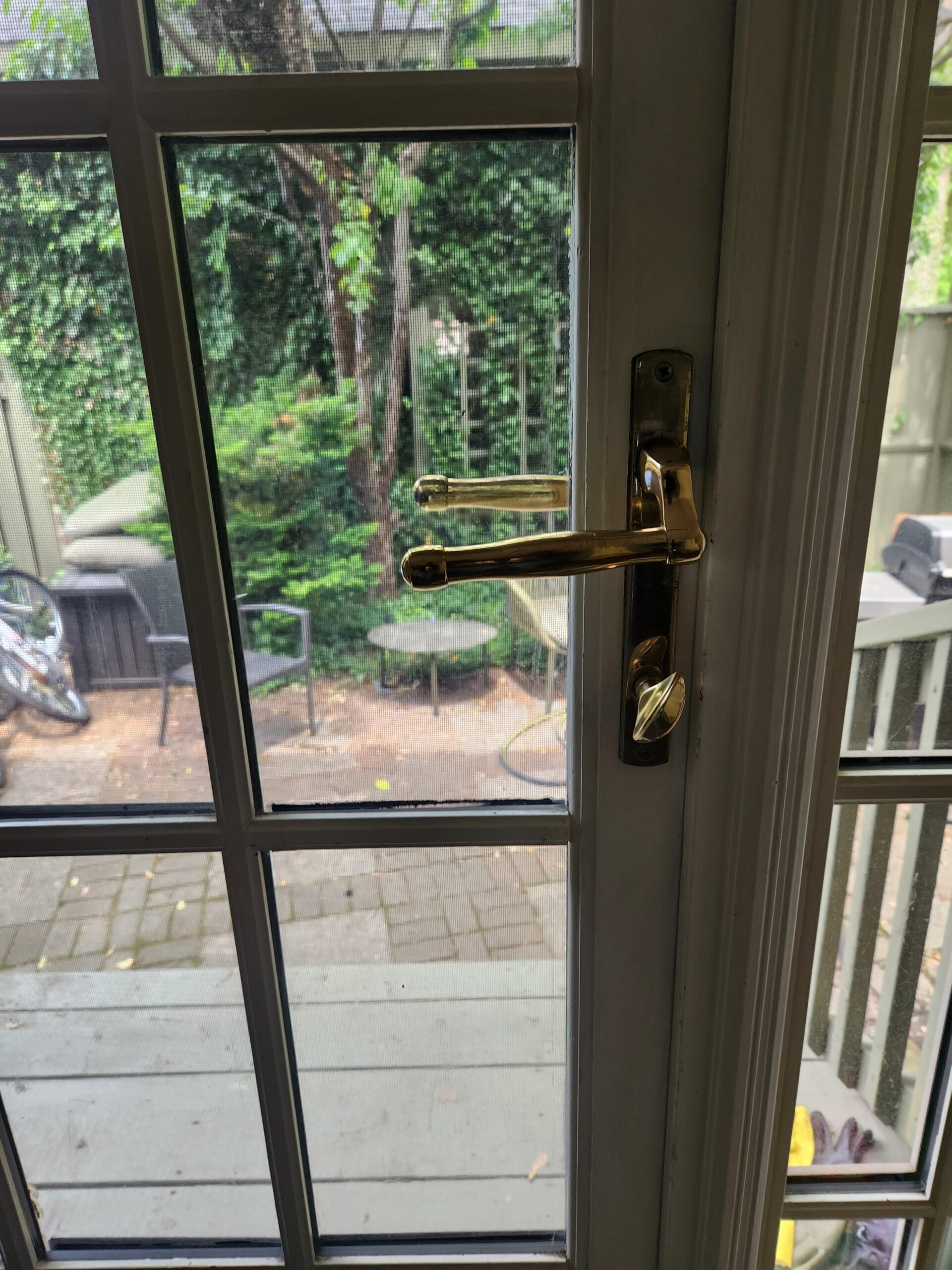
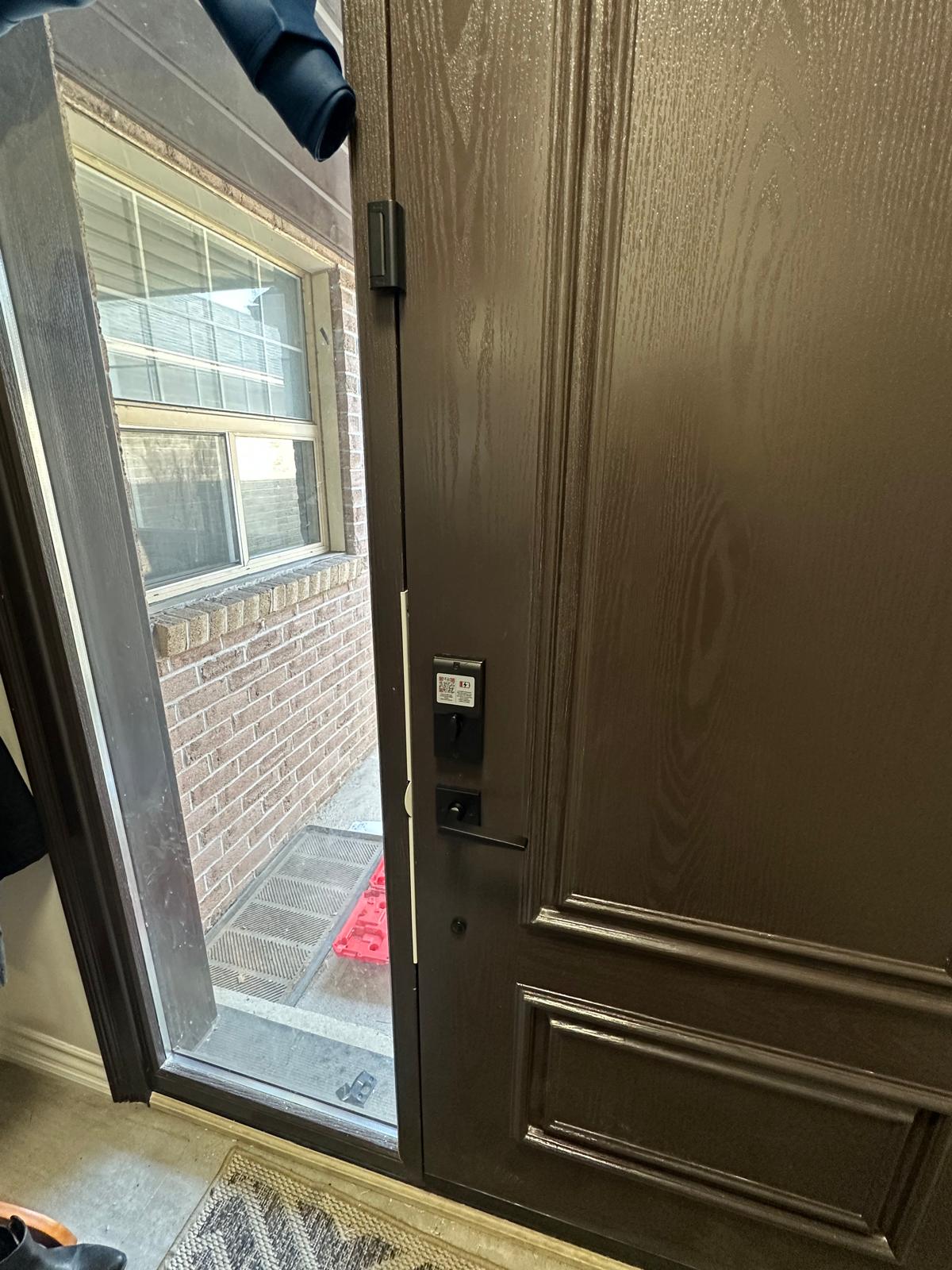
Photographs from GTA Lockman Mobile Locksmith Services work across Toronto and the GTA. Send a picture of your own door and we can tell you what the visit would involve.
Repair is not always worth it. Replacement makes sense when:
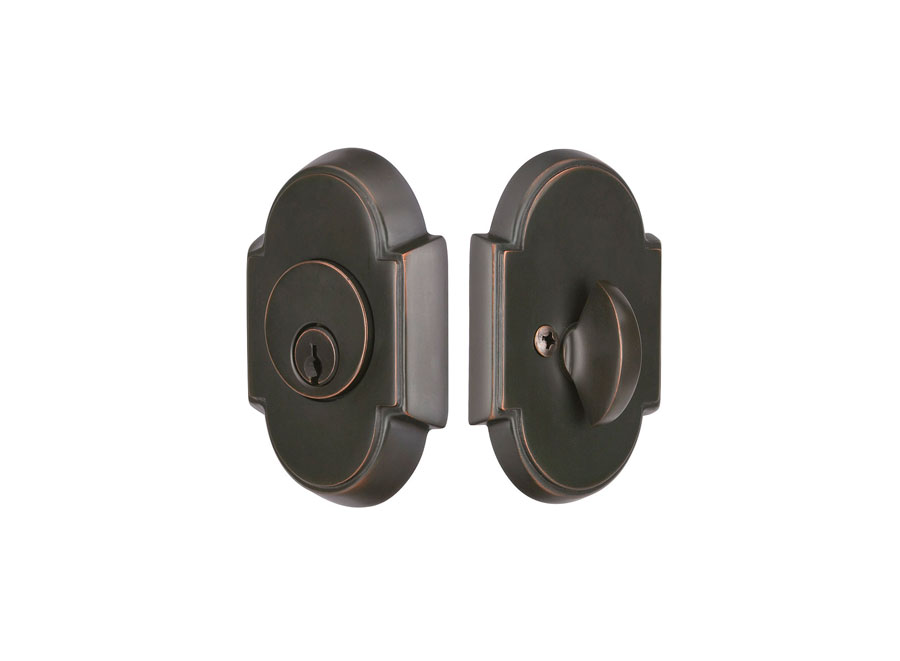
On an entrance door, a well-chosen replacement can often use the existing preparation, or cover old holes with trim designed for the purpose. That is part of front door lock replacement, and it keeps the change tidy.
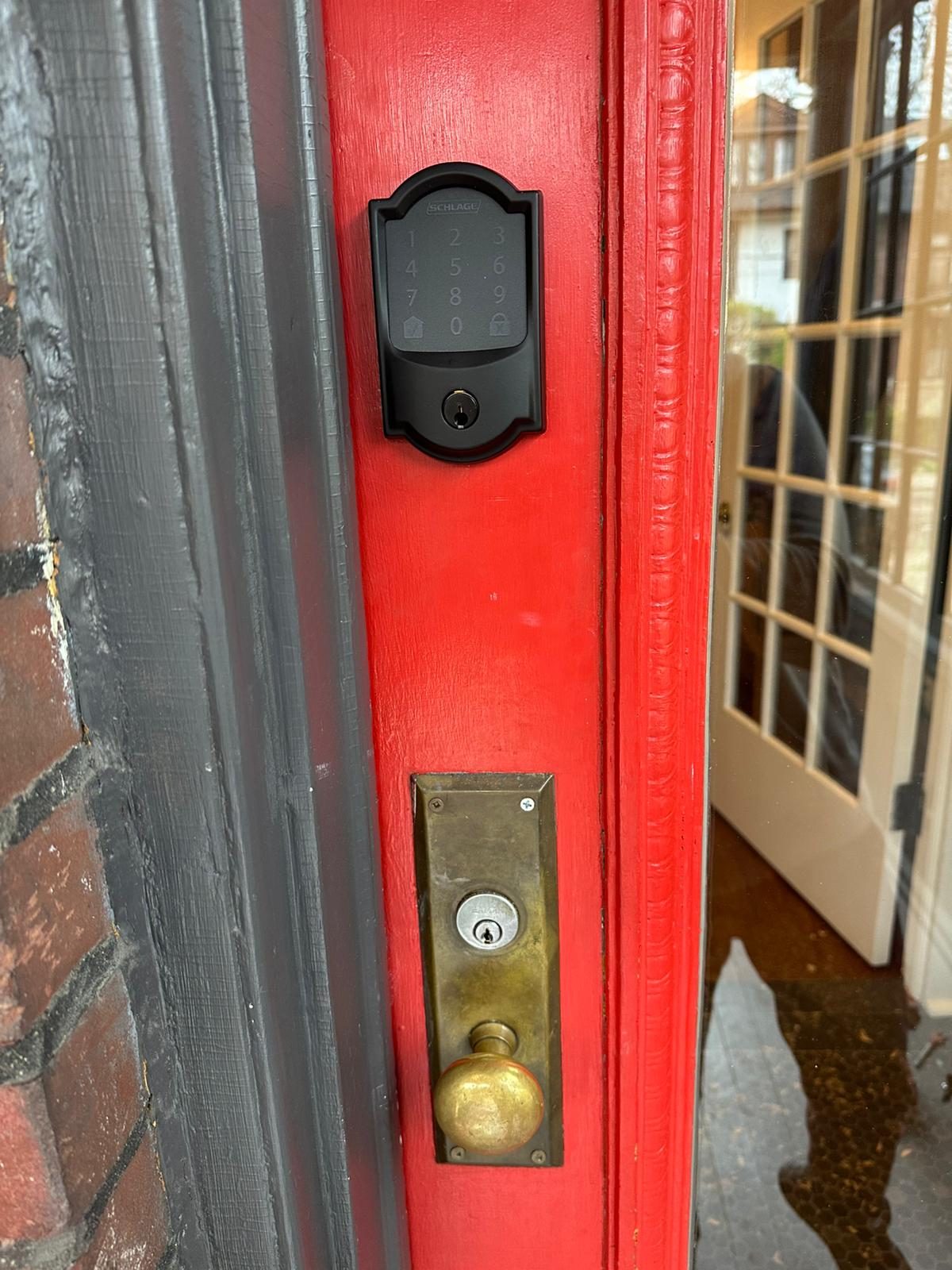
Where the door has been prepared for a lock that no longer exists, the aim is to fit new hardware without weakening the door or leaving it visibly patched.
Options include retrofit plates that cover old mortise openings, conversion kits that let a tubular lock sit in a mortise pocket, and wider trim that hides old holes. Each has limits, and the condition of the door around the old preparation decides which is sensible. A door that has been cut and re-cut several times over the years may be better replaced than adapted again.
If the lock works but the question is the keys, the decision is simpler. A lock that is mechanically sound can usually be rekeyed even when the model is discontinued, because the cylinder is the part that holds the key code. That choice is the heart of rekey or replace: how to decide.
When a replacement is needed, it is a chance to fit hardware of a suitable grade for the door. A light residential lock on a door used dozens of times a day will wear out efficiently, while a heavier grade will last. What the grades actually measure is set out in plain terms in lock grades explained.
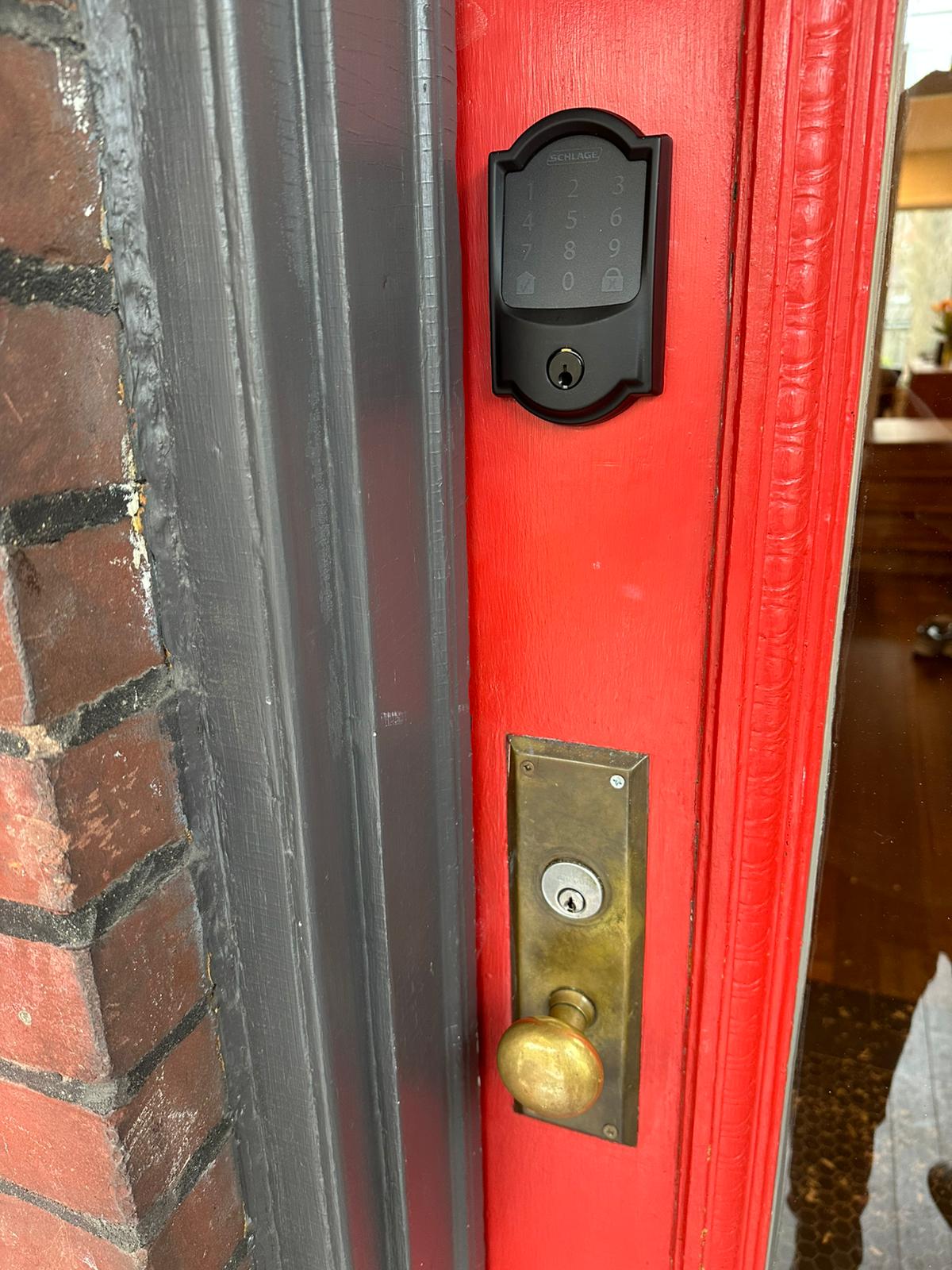
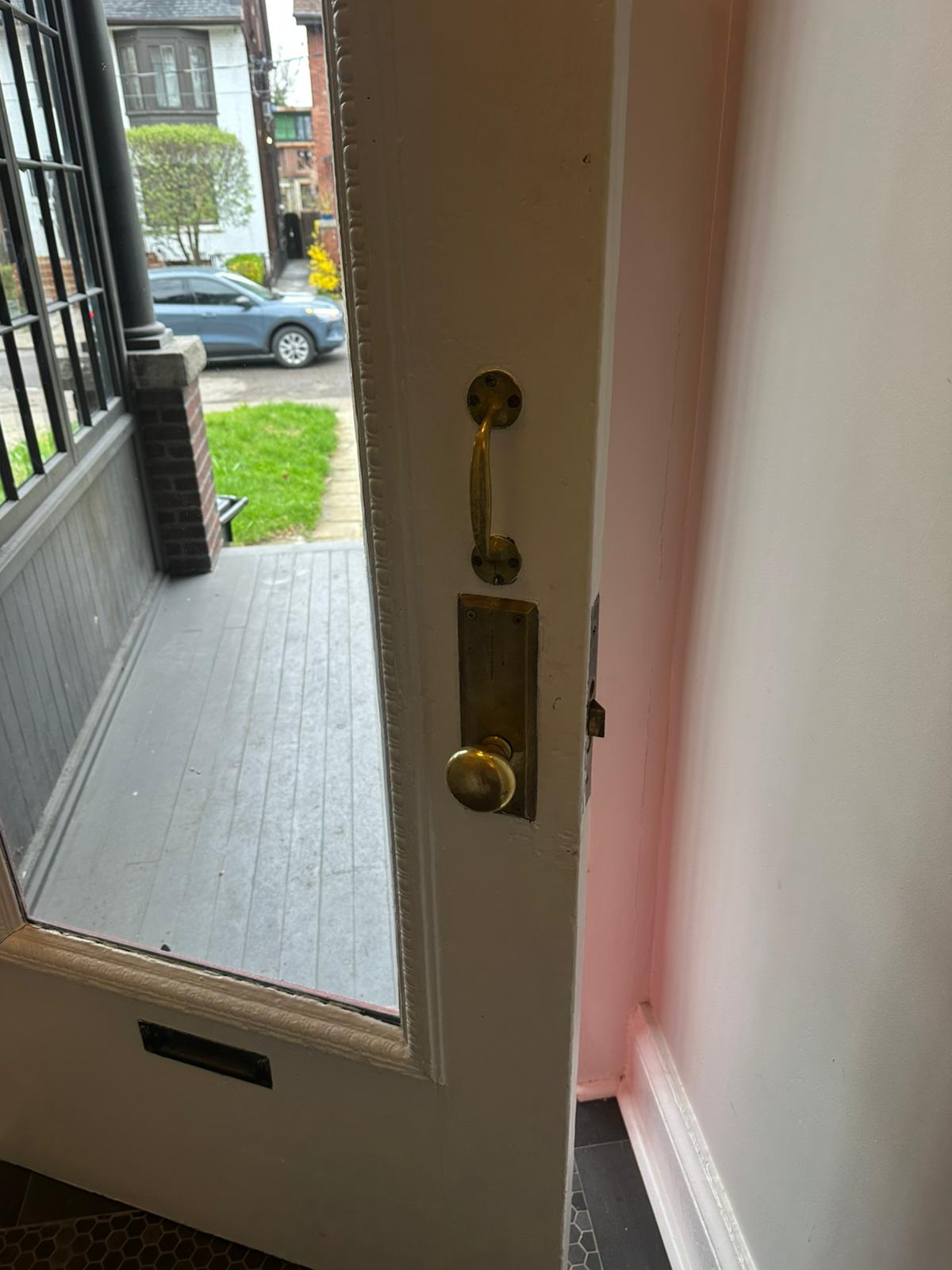
Older homes across Toronto, from Victorian semis to 1920s bungalows, often still have their original mortise locks, rim locks or box locks. These were built to last and many still work, but springs, levers and keys wear, and original replacement parts are rarely available.
The priority on a heritage door is usually to keep the original hardware where possible. A worn spring can be replaced, a missing key can often be cut from the lock itself, and a rim lock can be cleaned and adjusted. Where the old lock cannot provide adequate security on an exterior door, a modern deadbolt can often be added discreetly alongside it, leaving the original hardware in place for its appearance and daily latching.
Changing the lock on a period door is also a change to its appearance, so it is worth discussing finish and style before anything is removed. Brass, bronze and black iron finishes are available in modern ranges that sit well on older doors.
Storefront doors in older plazas and retail units often have narrow-stile aluminium frames with locks specific to that frame. When a storefront lock fails, the replacement has to fit the narrow stile, the existing cutouts and the cylinder that operates it.
Many storefront locks share common dimensions across manufacturers, so a current model can often go into the existing preparation. Where the frame has been modified several times, the cutouts may no longer match any current lock, and the choice becomes adapting the frame or replacing the door hardware more extensively.
Exit devices and closers on commercial doors have their own replacement questions, including whether the door is fire-rated and whether the replacement must be listed for that use.
Once the hardware has been identified, keep a note of it: the make and model if known, the backset, the cylinder type and any parts that were replaced. A photograph of the lock body and faceplate, stored with the house or building records, makes the next repair far simpler.
For businesses with several doors, a short list of what is fitted on each door saves time every time something needs attention.
When a discontinued lock is finally replaced, keep any parts that are still sound: trim, handles, spare cylinders and keys. They can help keep a matching lock on another door running for years, and period hardware in good condition is often hard to find.
Label the parts with the door they came from and store them with the house or building records, so the next person to work on the doors knows they exist.
Photographs help more than anything: the face of the lock from both sides, the edge of the door with the faceplate, and any markings or brand names on the lock body or cylinder. Tell us what has stopped working and how old you think the hardware is.
We will say whether the lock can be repaired, whether a compatible part will fit, or whether replacement is the better route, and we will explain why.
Keep reading
Often yes. Many repairs involve standard components such as springs, pins and cylinders rather than branded parts. A worn cylinder can usually be rekeyed or replaced with a modern one of the same profile, and a mortise case can often be opened and fitted with new springs. The question is which part has failed, not only who made the lock.
Often yes. Many repairs involve standard components such as springs, pins and cylinders rather than branded parts. A worn cylinder can usually be rekeyed or replaced with a modern one of the same profile, and a mortise case can often be opened and fitted with new springs. The question is which part has failed, not only who made the lock.
It comes down to measurements: the backset, the faceplate size, the position of the spindle hub and cylinder, and the depth of the pocket in the door. Photographs of both faces and the door edge, plus any markings on the lock body, usually identify the hardware and whether a current part will fit the existing preparation.
In many cases. Repairing the original lock keeps the appearance exactly as it is. Where the lock itself cannot be saved, a new mechanism can sometimes be fitted behind the original trim, or a period-style range can be matched to the existing holes.
When the failed part is not available and nothing compatible fits, when the lock is worn in several places at once, when the hardware is too light for how the door is used, or when the door has requirements the old lock cannot meet, such as exit hardware on a commercial door.
Not always. Many modern locks fit standard preparations, and retrofit plates or wider trim can cover old openings. Where a door has been cut several times over the years, the condition around the old preparation decides whether it can be adapted again cleanly.
A compatible gearbox sometimes fits the existing strip, which is the least disruptive repair. If not, the options are replacing the whole locking strip or changing the approach to the door. Identifying the gearbox before ordering anything avoids buying parts that do not fit.
Usually yes. If the lock works mechanically, the cylinder is the part that holds the key code, and it can normally be rekeyed or replaced with a compatible cylinder even when the lock model itself is no longer made.
Not by default. Hardware that still works and suits the door is worth keeping. Replacement is worth considering when a lock is wearing out, when parts are becoming hard to find for a door you rely on every day, or when the grade is too light for how the door is used.
GTA Lockman Mobile Locksmith Services is a mobile locksmith working on homes, businesses and vehicles across Toronto and the GTA, with more than 14 years in the trade. Every review is written by a customer on Google, where you can read them in full.
Areas served: Toronto, North York, Scarborough, Etobicoke, Vaughan, Richmond Hill, Markham, Stouffville, Newmarket, Mississauga, Brampton, Oakville, Milton, Halton Hills, Pickering, Ajax, Whitby, Oshawa, Uxbridge.
Describe the door, hardware and service address. Contact GTA Lockman Mobile Locksmith Services to confirm the scope and scheduling for your location.