Locksmith services are always 10% off for seniors.
Open Mon–Thu 8:30 AM–9 PM, Fri 8:30 AM–4 PM, Sun 9:30 AM–9 PM
Locksmith services are always 10% off for seniors.
Open Mon–Thu 8:30 AM–9 PM, Fri 8:30 AM–4 PM, Sun 9:30 AM–9 PM
GTA Lockman Mobile Locksmith Services · Toronto & GTA
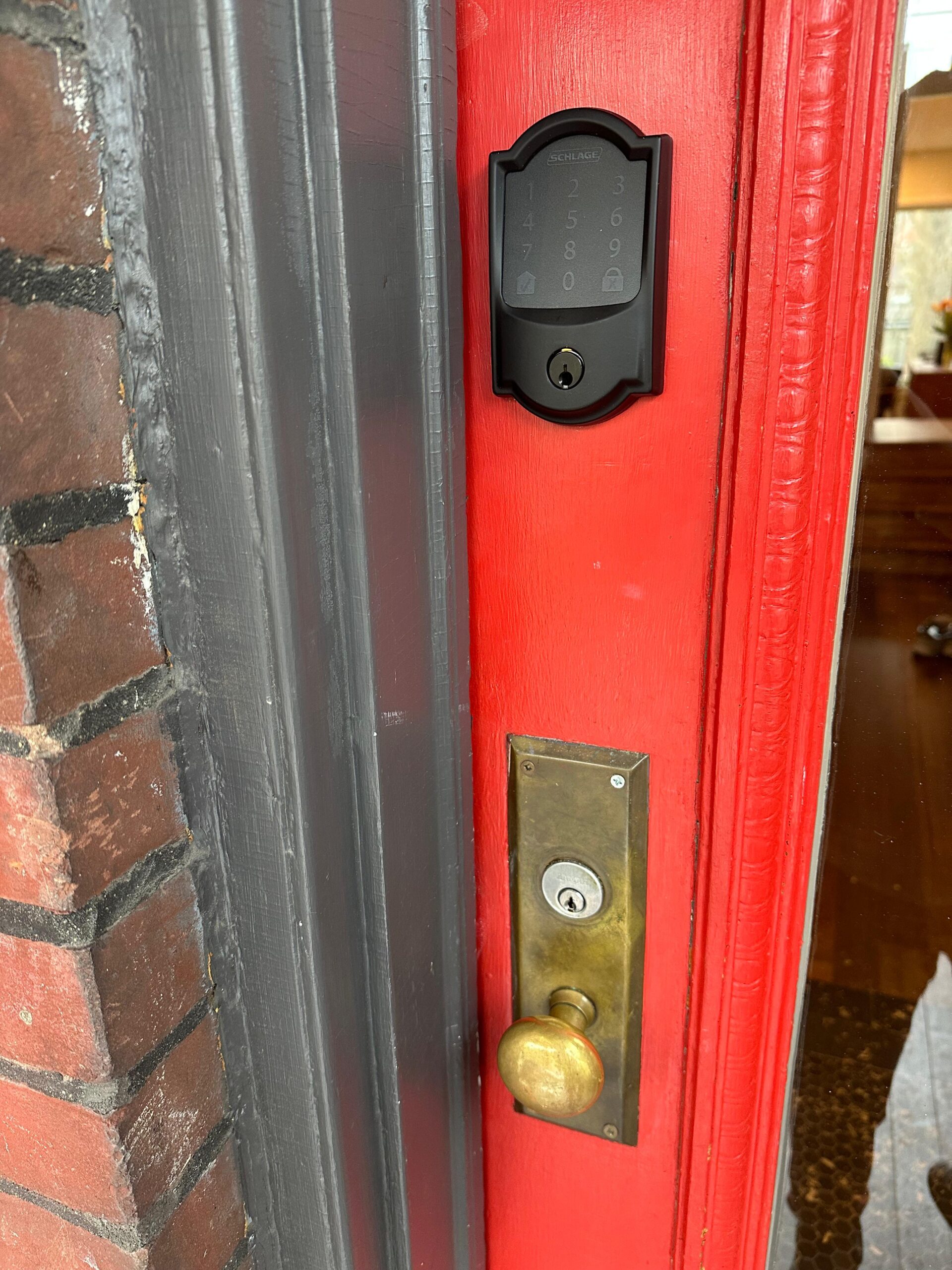
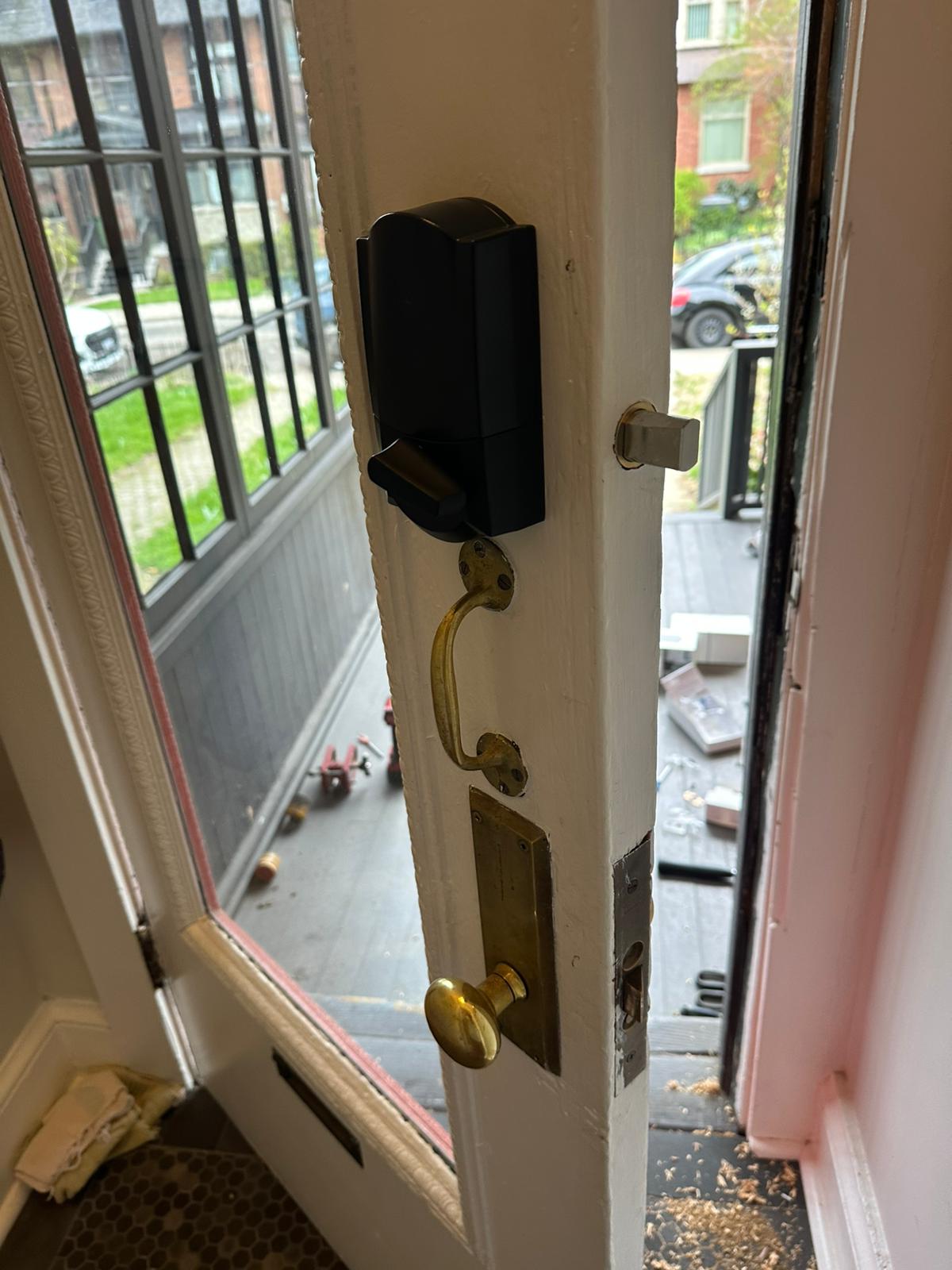
A modern deadbolt above an original mortise lock, placed and finished so the period door keeps its character.
Related services
Glass within reach of the thumbturn, and the choices in glass, thumbturns and secondary locks that deal with it.
Learn moreBring mismatched locks onto one key and one finish without replacing hardware that still works.
Learn moreWhat to do when the part you need is no longer made, and how to judge a repair against a retrofit.
Learn moreCover, plug or reinforce the holes old hardware leaves behind, so the door stays strong at the lock.
Learn moreReduce the keys you carry where cylinders and access requirements allow a suitable keyed-alike arrangement.
Learn moreWhy a door that worked in March binds in July, and which adjustments actually hold.
Learn more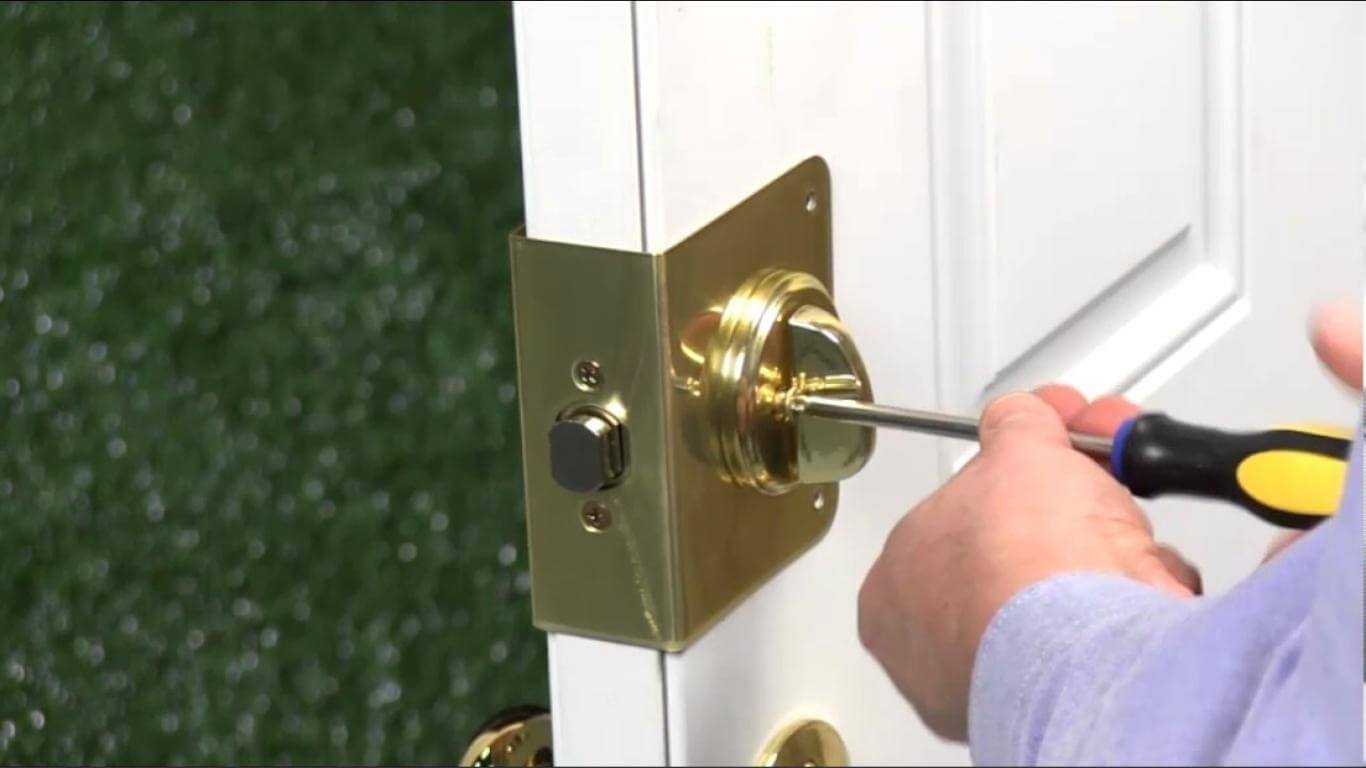
Many older houses in Toronto, from Victorian and Edwardian semis to 1920s and 1930s homes, still have their original front door with a mortise lock: a box lock set into the door edge, operated by a handle and a key, often with a decorative plate on the face. These locks are part of the character of the house. Many still work.
What they often lack is a proper deadbolt. Old mortise locks frequently have only a latch and a small bolt operated by a skeleton or barrel key, and the bolt may be short, worn or easily slipped. The common question is whether a modern deadbolt can be added without spoiling the door or removing the original lock.
Original mortise locks in older homes were made to the expectations of their time. Typical weaknesses include:
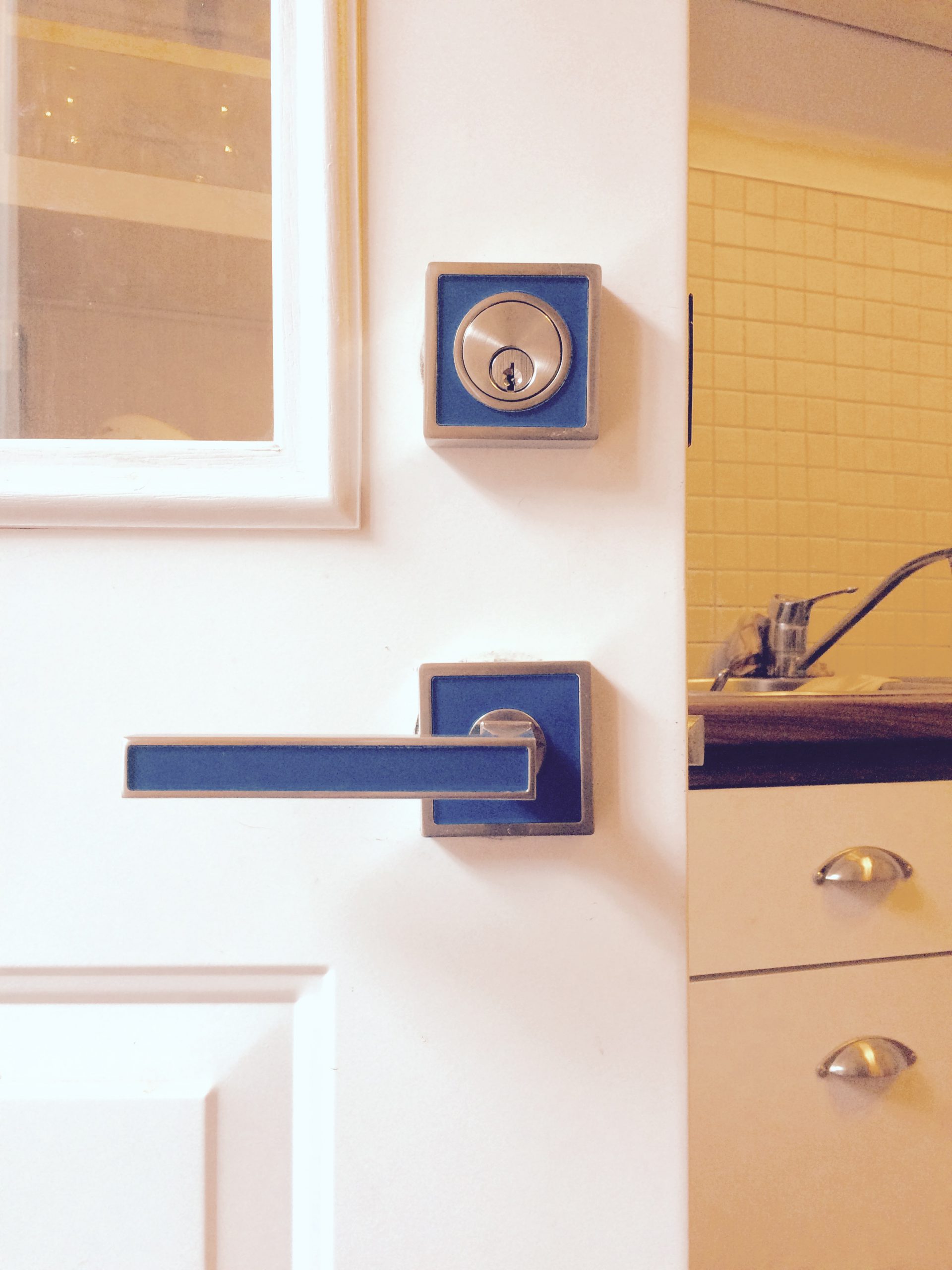
A modern deadbolt, fitted above or below the original lock, adds a strong bolt and a modern cylinder, while the original hardware stays for daily latching and appearance.
The usual place is above the original lock, around shoulder height, where it is easy to use and well clear of the mortise pocket. The key considerations:
Keep clear of the mortise pocket. The original lock sits in a deep pocket cut into the door edge. Drilling into or too close to it weakens the stile. A deadbolt placed a sensible distance above the top of the pocket keeps solid wood around both.
Check the stile width. The deadbolt's backset must fit the stile without cutting into panels or glass. Narrow-stile doors may need a narrow-backset deadbolt.
Look at the glass. Many older front doors have glass panels near the lock. A thumbturn within reach of the glass can be turned through a broken pane, a consideration shared with sidelights and glass beside the lock.
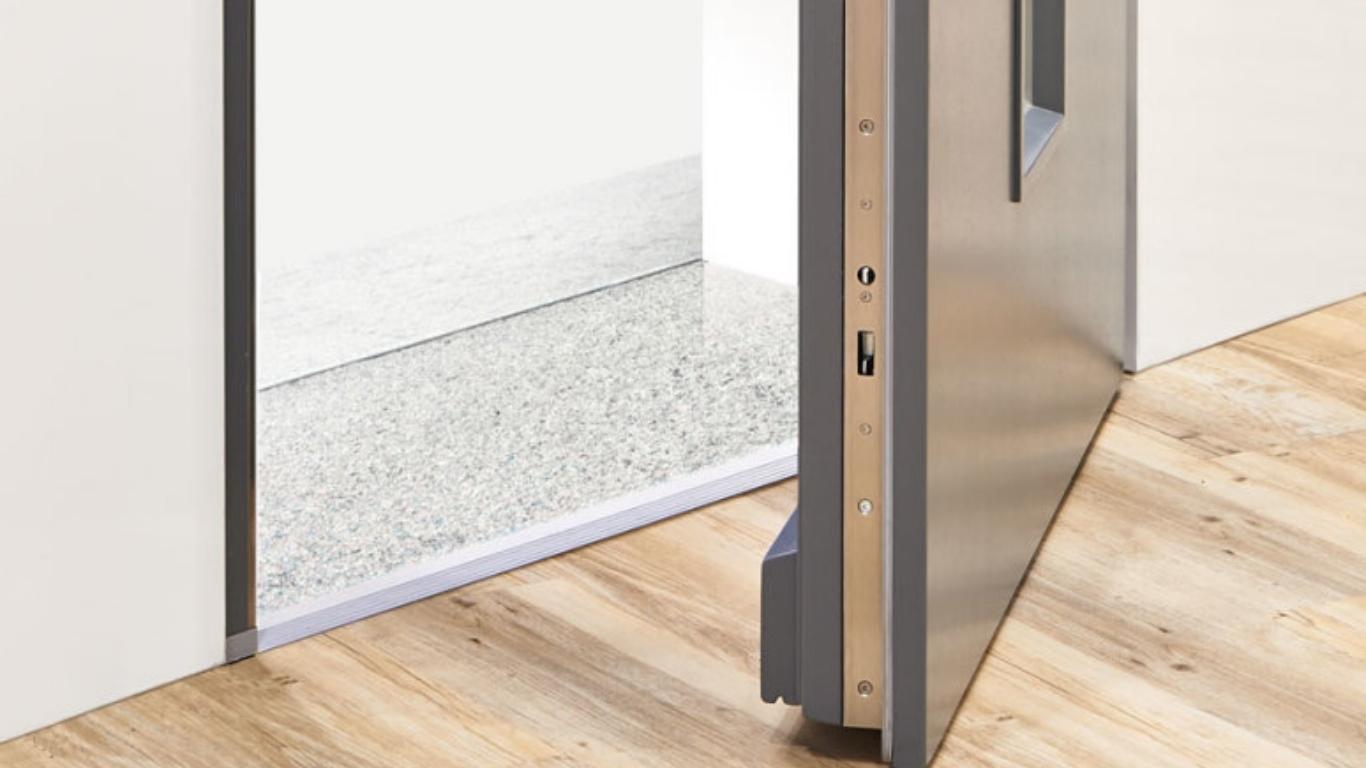
Check the frame. The new strike needs solid wood behind it. Old frames are sometimes split, patched or shimmed, and the strike should be fixed with long screws into the framing.
A deadbolt on a period door does not have to look modern. Options include:
Choosing a finish close to the original keeps the door looking consistent, the same approach used when matching door hardware across the house.
The original mortise lock can usually stay in service for latching. Common work on old mortise locks includes:
Some owners stop using the original key entirely and rely on the new deadbolt for locking, using the old lock only as a latch. That keeps the appearance while avoiding the original lock's weaknesses. Repair of older hardware generally follows the approach for obsolete and discontinued door hardware.
Photos
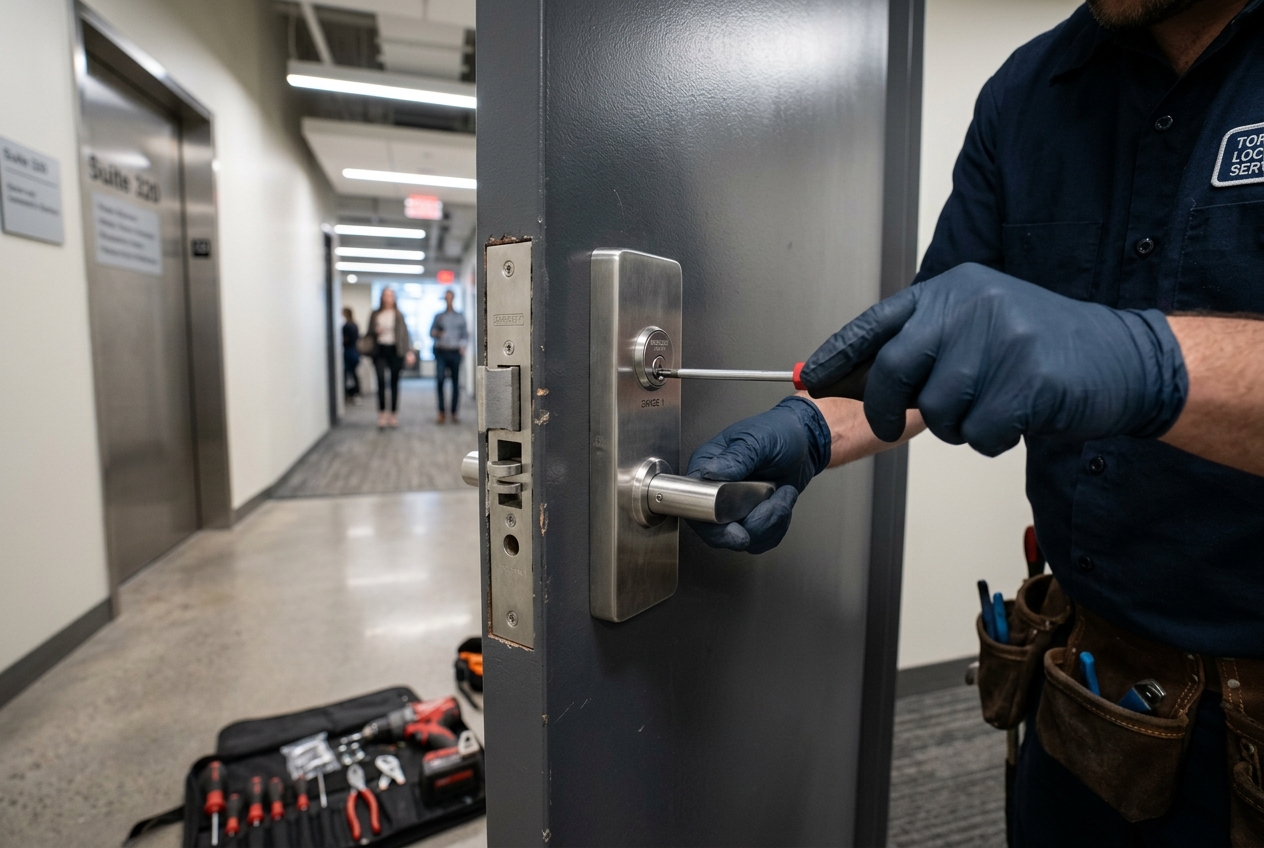
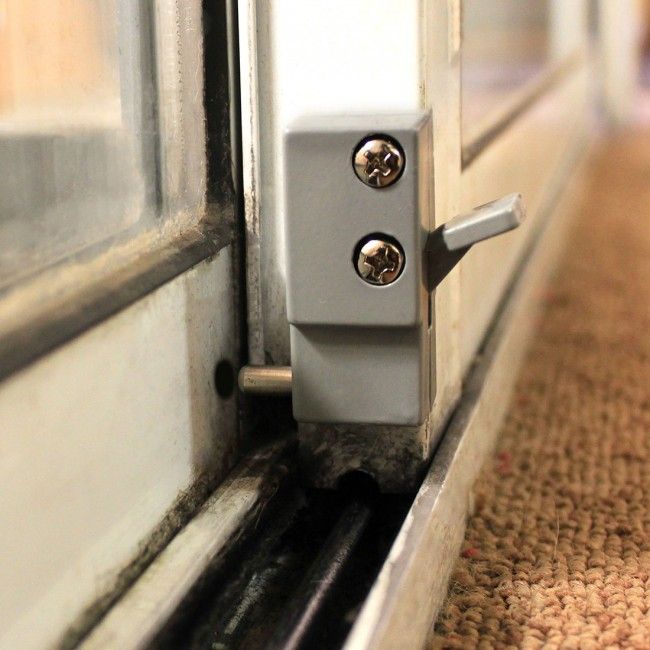
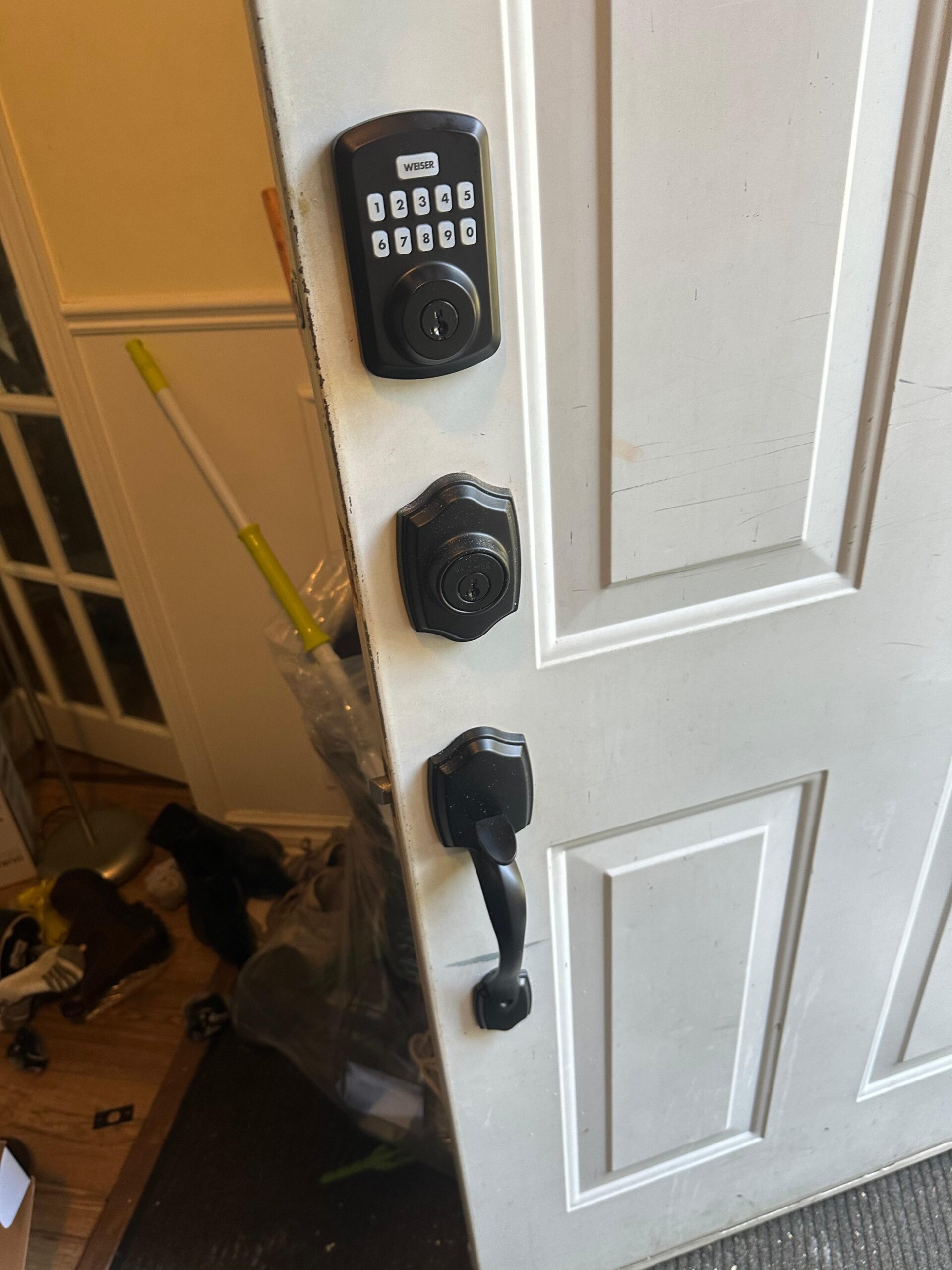
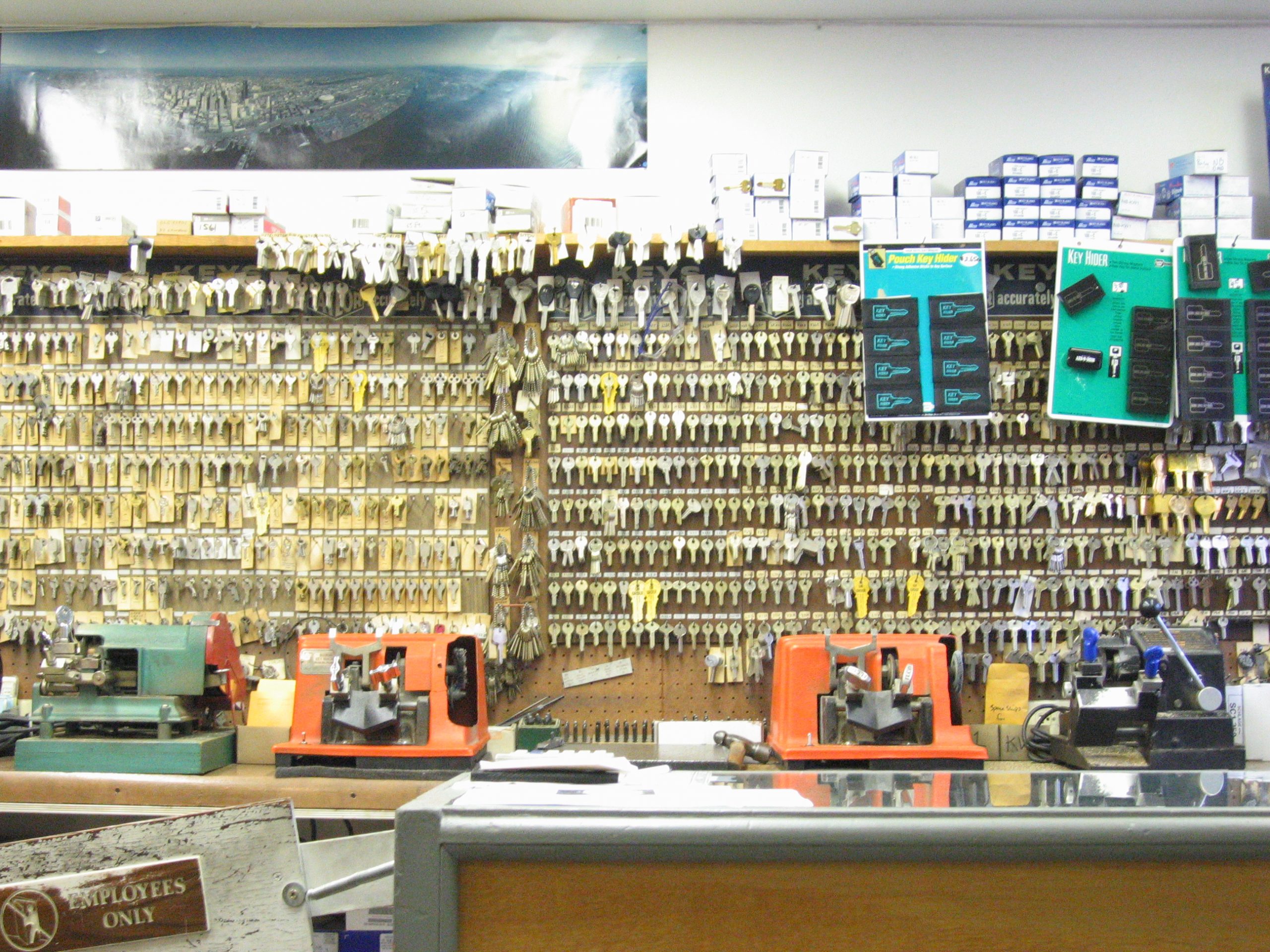
Photographs from GTA Lockman Mobile Locksmith Services work across Toronto and the GTA. Send a picture of your own door and we can tell you what the visit would involve.
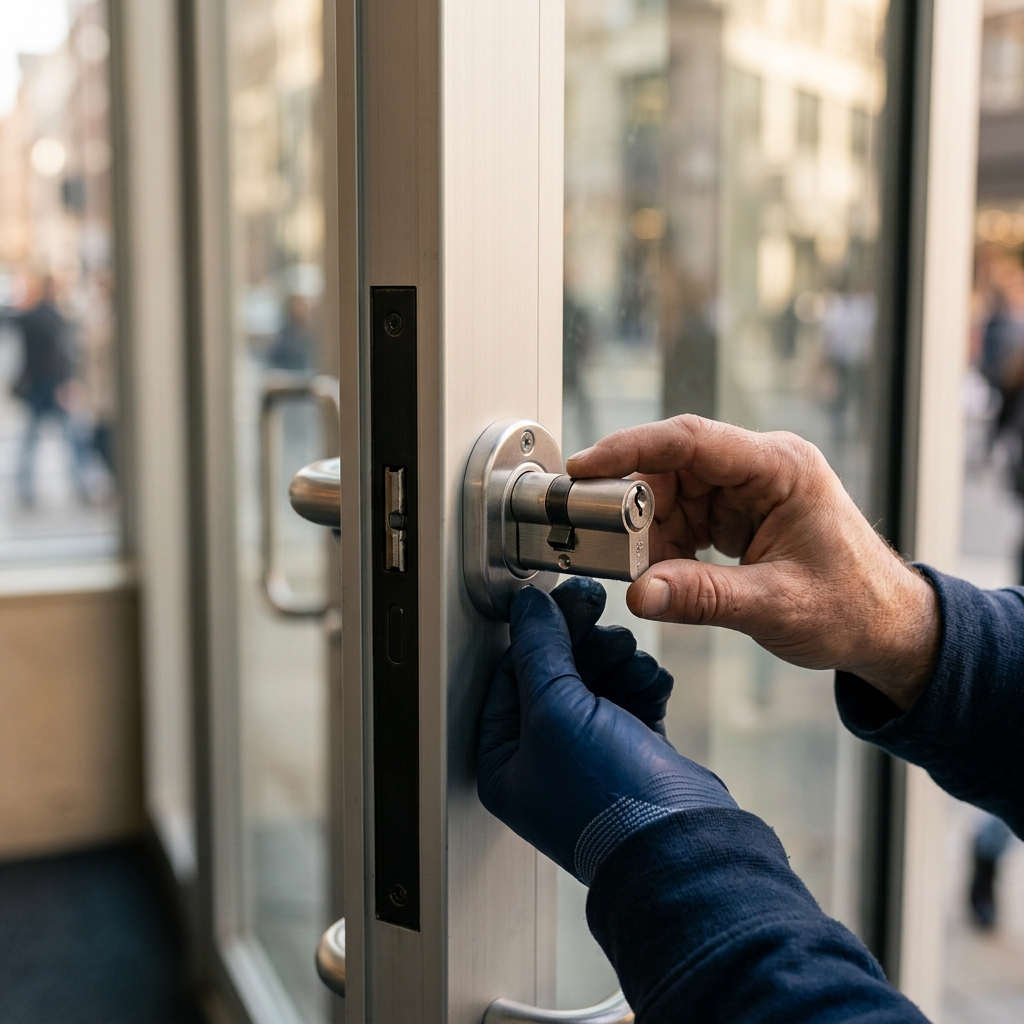
Sometimes the original lock is beyond repair, or the owner wants a single modern lock. A modern mortise lock of the same size can often go into the existing pocket, keeping the door intact. Where sizes differ, a conversion kit or filler block lets a modern lock sit in the old pocket, and covering plates hide the old holes, as with other old lock holes.
On older houses, the frame is often weaker than the door. A deadbolt is only as strong as the wood holding its strike. Common improvements:
These steps make far more difference than the choice of deadbolt brand.
Some homes are within heritage conservation districts or are designated heritage properties. Interior hardware changes rarely need approval, but changes to the exterior appearance of a front door may. Where a property is designated, check with the municipality before visibly altering the front door, and keep the original hardware even if it is no longer used.
When a deadbolt is added to the front door, it is a good moment to key it alike with the back and side doors, so the house runs on one modern key. The original mortise lock keys can be set aside, or kept for the latch only. Bringing the house onto one key follows one key for every door.
Many period front doors have glass in the upper half, sometimes leaded or stained. A deadbolt with a thumbturn within reach of that glass can be turned by breaking a pane. Options include placing the deadbolt lower, away from the glass; fitting a lockable thumbturn that can be locked when the house is empty; or fitting a clear laminated panel behind decorative glass. On a door whose glass is part of its character, the laminated backing panel keeps the look while protecting the lock.
Many older homes have a storm door in front of the original door. When adding a deadbolt, check that its outside rose and cylinder will clear the storm door when both are closed, and that the storm door's handle does not hit the deadbolt. Measuring the gap between the two doors at the deadbolt height before choosing hardware avoids a clash.
Older houses settle, and front door frames are often slightly out of square. A deadbolt that works perfectly on the day it is fitted may bind a year later as the house moves with the seasons. Fitting the strike so the bolt has a little clearance, checking it again after the first winter and summer, and keeping the hinges tight help the deadbolt stay smooth. Seasonal movement of doors is covered more fully with doors that stick in summer.
Adding a deadbolt to an existing period door costs a fraction of replacing the door, and it keeps original woodwork that would be expensive or impossible to reproduce. For most older homes with a sound front door, adding a deadbolt and reinforcing the frame is the most sensible upgrade.
Original mortise locks often use simple keys, and many households have lost them over the years. A key can usually be made for the original lock by examining it, so the old lock can still be locked if wanted, for example on an interior door where the original hardware remains.
On many older doors, the original mortise lock's latch is worn and does not hold the door firmly, so the door rattles and the new deadbolt bolt does not line up consistently. Adjusting or replacing the latch strike so the door is held firmly against its stop, before fitting the deadbolt strike, gives the new deadbolt a steady door to lock.
Many period doors have been painted many times, and paint builds up on the edge, the hardware and the strike. When adding a deadbolt, stripping paint from the latch area and the frame where the strike goes, and keeping it off the moving parts, prevents the new lock from binding as fresh paint is added in future.
Keeping a note of the original lock, its key, the new deadbolt and when it was fitted helps future owners and helps you if the house is sold. Period hardware records are part of the history of the house, and buyers often appreciate them.
The new deadbolt only helps if it is locked. Households used to relying on an old mortise lock's latch sometimes forget to throw the new deadbolt. Getting into the habit of locking it every time the house is empty, and at night, makes the upgrade worthwhile.
If the old door is cracked, warped or loose in its joints, a deadbolt alone will not make it secure. Repairs to the door, or a reinforcing plate around the lock area, may be needed first. A door restorer can often repair period doors so they stay in service with the new hardware.
For a front door, a Grade 1 or strong Grade 2 deadbolt is a sensible choice, fitted with a reinforced strike. On a period door where appearance matters, a quality deadbolt in a traditional finish gives both strength and character.
Tell us about the door: its age, whether it has glass, the condition of the original lock, and whether you want to keep using it. Photographs of the door face, the edge with the faceplate, and the frame help.
We can fit a deadbolt above the original lock without disturbing it, choose a finish to suit the door, repair or replace the original mortise lock, reinforce the strike and frame, and key the house to one key. Household work is part of our residential locksmith services.
Keep reading
Yes. A deadbolt is usually fitted above the original lock, clear of its pocket, so the original hardware stays in place for latching and appearance.
Yes. A deadbolt is usually fitted above the original lock, clear of its pocket, so the original hardware stays in place for latching and appearance.
Usually above the original lock at about shoulder height, a sensible distance from the mortise pocket so solid wood remains around both.
Narrow stiles may need a narrow-backset deadbolt, or a rim deadlock mounted on the inside face, which needs only a small hole for the cylinder.
Yes. Deadbolts come in aged brass, bronze and black finishes, with traditional roses that suit older doors.
It can stay as a latch. Many owners rely on the new deadbolt for locking and use the old lock only to hold the door closed.
Often. Springs can be replaced, mechanisms cleaned and adjusted, strikes realigned and keys made for the original lock.
Interior hardware rarely does, but visible changes to the exterior of a designated heritage property may. Check with the municipality first.
Old frames are often the weak point. A reinforced strike with long screws into the framing, and long hinge screws, make the biggest difference.
GTA Lockman Mobile Locksmith Services is a mobile locksmith working on homes, businesses and vehicles across Toronto and the GTA, in the trade since 2010. Every review is written by a customer on Google, where you can read them in full.
Areas served: Toronto, North York, Scarborough, Etobicoke, Vaughan, Richmond Hill, Markham, Stouffville, Newmarket, Mississauga, Brampton, Oakville, Milton, Halton Hills, Pickering, Ajax, Whitby, Oshawa, Uxbridge.
Describe the door, hardware and service address. Contact GTA Lockman Mobile Locksmith Services to confirm the scope and scheduling for your location.