Locksmith services are always 10% off for seniors.
Open Mon–Thu 8:30 AM–9 PM, Fri 8:30 AM–4 PM, Sun 9:30 AM–9 PM
Locksmith services are always 10% off for seniors.
Open Mon–Thu 8:30 AM–9 PM, Fri 8:30 AM–4 PM, Sun 9:30 AM–9 PM
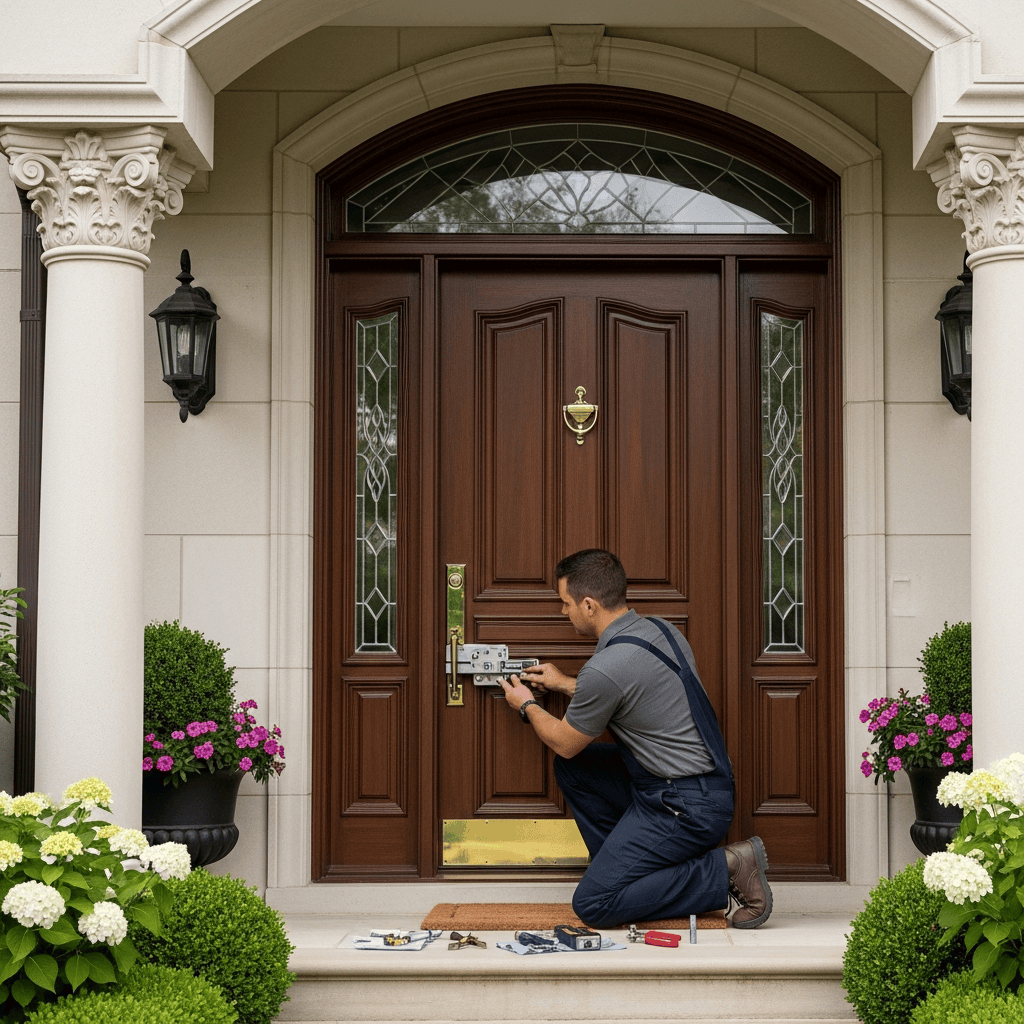
GTA Lockman Mobile Locksmith Services · Toronto & GTA
What to do when a lock has been glued, jammed or damaged on purpose, and what to check afterwards.
Related services
Secure a forced door, repair damaged locks and frames, and document the work for your police report and insurer.
Learn moreFind out whether the key, the keyway or the cylinder is the problem before forcing a key that will not enter.
Learn moreA yearly check of doors, locks, keys and closers that catches small faults before they become failures.
Learn moreRemove a snapped key without damaging the cylinder, then find out why the key failed so the next one does not.
Learn moreMake the back door close, latch and lock every time while keeping it a safe exit for staff and customers.
Learn moreFind the reason a key sticks, a bolt binds or a latch fails before deciding what needs replacement.
Learn more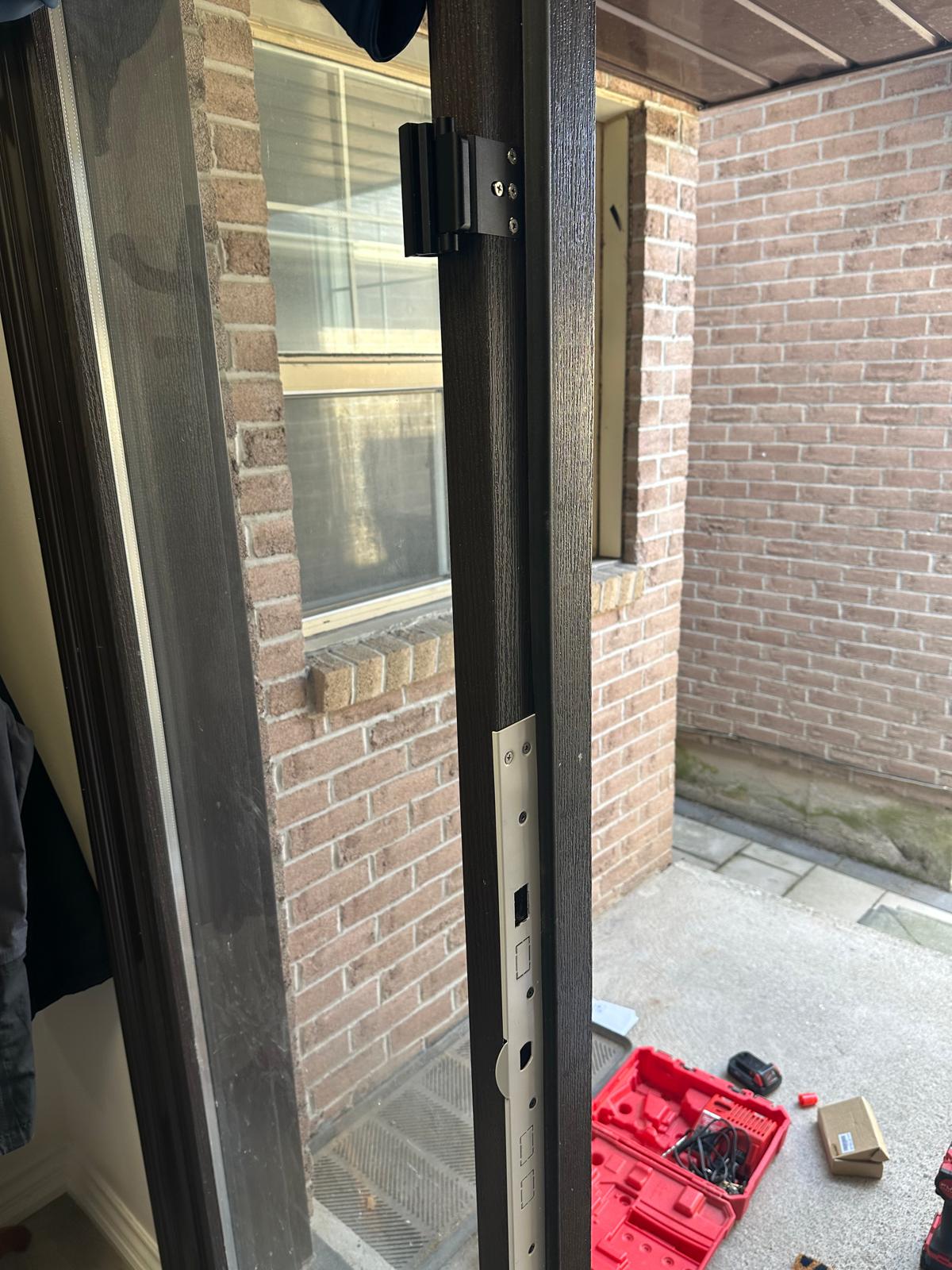
Most lock failures are wear. Some are not. A cylinder packed with glue, a keyway stuffed with a broken-off object, a bolt jammed with a foreign body, a handle levered out of shape overnight.
It is an unsettling thing to find, partly because the damage is obvious and partly because the reason is not. After finding a lock that has been glued, jammed or forced, the useful questions are what to do in the first few hours, how each kind of damage is repaired, and what to check once the door works again.
Before anyone starts cleaning up, decide which situation you are in.
If anything suggests an attempted entry, or if the damage is part of a pattern against you or the building, report it and let the police say whether they want to see it before it is repaired. Photograph the door and the lock from a few distances before touching anything. Insurers usually want those photographs too.
If it reads as opportunistic damage with nobody trying to get in, a report may still be worth filing, because a pattern across a street or a building only becomes visible when the individual incidents are recorded.
Either way, photographs first. They take two minutes and cannot be recreated later.
Adhesive in a keyway is the most common form of this, and it is more of a nuisance than a threat: it stops the lock working without giving anyone access.
What matters is not making it worse. Do not force a key in. Do not try to burn it out. Do not flood the cylinder with solvent, which can carry the adhesive deeper into the mechanism and strip the lubricant that the pins need.
Sometimes a cylinder can be cleaned and returned to service. Often the adhesive has set around the pins and springs and the cylinder is replaced, which on most doors is a straightforward part swap that keeps the rest of the hardware. If the same key has to work other doors, say so before the work starts so the replacement can be keyed to match; see one key for compatible house locks.
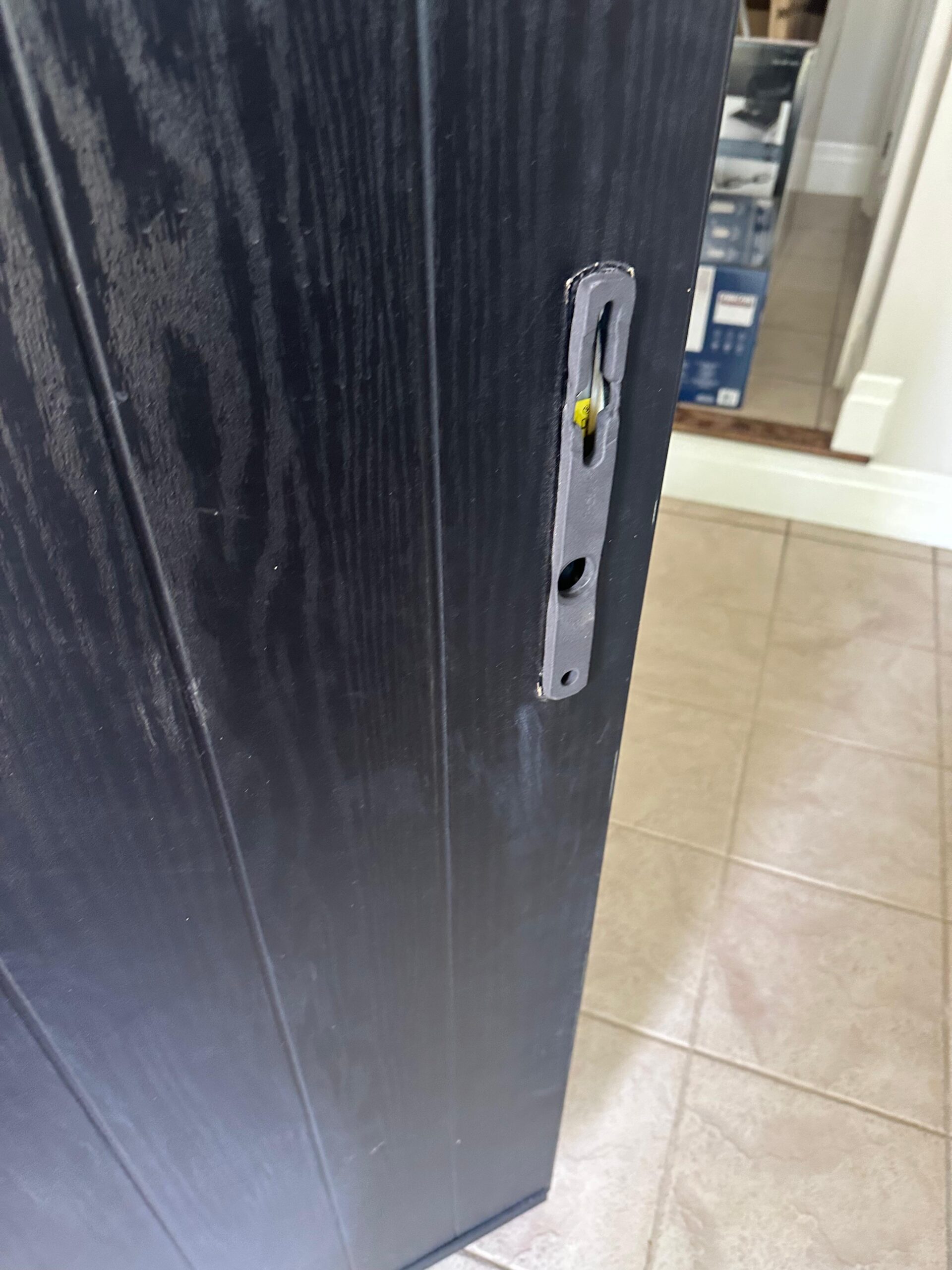
A snapped key, a pin, a matchstick, a piece of wire. The handling is similar to any broken key: the obstruction is extracted with tools made for it, and forcing it usually pushes it further in and damages the pins.
An extraction is often possible without replacing the lock. Whether it is depends on what the object is, how far it has gone and whether it has been forced. The method is the same as broken key extraction from door locks, and so is the point at which it stops being viable.
If the object was deliberate rather than your own key breaking, the cylinder is worth replacing afterwards regardless of whether it works, because you cannot easily tell what else was tried.
A lever mark on the frame, a handle pulled loose, a cylinder snapped, a strike plate bent. This is different from glue, because it means someone was trying to get in and the hardware was the thing that stopped them.
The repair has to cover the whole opening, not just the part that is visibly broken. A bent strike plate usually means the frame took the load. A snapped cylinder means the cylinder was proud of the escutcheon or was not the right grade for the door. A loose handle after a forcing attempt may have a distorted spindle that will fail quietly in a month.
Treat it as lock repair after a break-in: assess the door, the frame, the hardware and the fixings together.
On a storefront, restaurant or shared entrance, this kind of damage is usually found first thing in the morning by whoever opens up, and the pressure is to get trading.
Two things are worth holding on to under that pressure. First, a door that is working is not necessarily a door that is secure; a temporary fix should be recorded as temporary and followed up. Second, if the target was the rear or side door rather than the front, that is information about how the premises is being looked at; see rear door security for shops and restaurants.
One incident is an event. Two is a pattern, and it changes what is worth doing.
At that point the conversation moves from repairing the lock to making the opening less attractive: hardware that resists the particular attack being used, protection over the cylinder, better lighting, a camera covering the approach, or in some cases moving the working entrance to a different door.
Tell us if it has happened before. The right answer for a first incident is often different from the right answer for a third.
A lock that has been interfered with and then repaired deserves a short review rather than being forgotten.
Does the bolt throw fully into the strike without resistance? Does the key turn as smoothly as it did? Are the fixings tight, including the ones on the inside face? Did any key go missing during the incident, which would turn this into a key-control question as well as a repair; see lock changes after lost keys.
If the lock was replaced, confirm which keys now work which doors, so nobody discovers the answer at an inconvenient moment.
Keep the photographs, the report number if you filed one, and the invoice describing what was replaced. If a claim follows, that set of three answers most of what gets asked.
It is also worth knowing what your policy expects of the doors, because a claim is a bad moment to find out the hardware never met the condition; see home insurance and lock requirements.
Some of this damage cannot be finished in one visit. A distorted frame may need a welder, a particular cylinder may not be on the van, a commercial door may need a part on order.
What matters in the gap is that the opening is genuinely secured rather than looking secured. A cylinder that turns but no longer retains the bolt, a strike screwed back into a split jamb, a handle taped in place: each of these gives a working door and no resistance at all.
Ask directly what the temporary arrangement actually holds against, and write down the date the permanent repair is due. Temporary fixes become permanent through nothing more than everyone forgetting, and the moment they are tested is the moment nobody remembers the conversation.
If the premises cannot be left in a secure state at all, that changes the order of the work and sometimes means boarding the opening rather than repairing the lock first.
If the property is part of a building, tell the management or the board, because one damaged lock on one door is usually not one incident. A pattern across a building only becomes visible when the individual cases are reported to someone who sees all of them.
The same applies on a residential street. Neighbours frequently find similar damage on the same night and each assumes it happened only to them. A short message to the people either side is often what turns three unrelated annoyances into a picture worth acting on.
Where a building has cameras, ask early. Recordings are commonly overwritten within days, and by the time an incident feels worth pursuing the footage has usually gone.
Tell us what the damage looks like, whether the door still opens, whether anything suggests an attempt to get in, and whether this has happened before. Photographs sent ahead help more than a description.
If the door cannot be secured right now, say that first, because it changes the order in which things need doing; see lock repair in Toronto and the GTA.
Keep reading
Sometimes. If the adhesive has not set around the pins and springs, a cylinder can occasionally be cleaned and returned to service. More often the cylinder is replaced, which on most doors is a part swap that keeps the rest of the hardware. Do not force a key in or flood it with solvent first, because both tend to carry the adhesive deeper and make cleaning impossible.
Sometimes. If the adhesive has not set around the pins and springs, a cylinder can occasionally be cleaned and returned to service. More often the cylinder is replaced, which on most doors is a part swap that keeps the rest of the hardware. Do not force a key in or flood it with solvent first, because both tend to carry the adhesive deeper and make cleaning impossible.
If anything suggests someone was trying to get in, or the damage is part of a pattern against you or the building, yes, and let them say whether they want to see it first. Photograph the lock and door from a few distances before anything is touched. Even for damage with no entry attempt, a report helps, because street or building patterns only appear once incidents are recorded.
Not necessarily. Extraction is often possible with the right tools, and whether it works depends on what the object is, how far in it has gone and whether it has been forced. Pushing at it with a key or a wire usually drives it deeper and damages the pins. If the object was put there deliberately, the cylinder is worth replacing afterwards even if it works.
Treat it as structural until it has been looked at. A forcing attempt can distort the spindle, the fixings or the latch mechanism in ways that feel minor now and fail later. The frame and strike usually took load too, so the repair should cover the whole opening rather than the part that is visibly bent.
Run a short check. Does the bolt throw fully into the strike without resistance, does the key turn as smoothly as before, are the fixings tight on both faces? Also ask whether any key went missing during the incident, because that makes it a key-control question as well as a repair.
At the second incident the sensible conversation moves from repairing to making the opening less attractive: hardware that resists the specific attack, protection over the cylinder, lighting, a camera covering the approach, or moving the working entrance to a different door. Tell us it has happened before, because the answer for a third incident is not the answer for a first.
That depends on your policy, and it is worth reading the section about doors and locks before you need it rather than after. Keep the photographs, the police report number if you filed one, and an invoice that describes exactly what was replaced. Those three things answer most of what gets asked during a claim.
Making the opening secure enough to trade, then a proper repair rather than leaving the temporary fix in place. Record what was done temporarily so it is followed up. If the rear or side door was the target rather than the front, that says something about how the premises is being looked at and is worth acting on.
GTA Lockman Mobile Locksmith Services is a mobile locksmith working on homes, businesses and vehicles across Toronto and the GTA, with more than 14 years in the trade. Every review is written by a customer on Google, where you can read them in full.
Areas served: Toronto, North York, Scarborough, Etobicoke, Vaughan, Richmond Hill, Markham, Stouffville, Newmarket, Mississauga, Brampton, Oakville, Milton, Halton Hills, Pickering, Ajax, Whitby, Oshawa, Uxbridge.
Describe the door, hardware and service address. Contact GTA Lockman Mobile Locksmith Services to confirm the scope and scheduling for your location.