
GTA Lockman Mobile Locksmith Services · Toronto & GTA
Free a frozen lock without damaging it, and find out whether ice, alignment or batteries caused the problem.
Related services
Release a deadbolt that will not retract, then correct the alignment or lock fault that caused it to bind.
Learn moreFind out whether the strike, the door or the lock is stopping the bolt, and correct the cause rather than the symptom.
Learn moreRemove a snapped key without damaging the cylinder, then find out why the key failed so the next one does not.
Learn moreWork through mechanical fit, power and supported controls when an electronic lock becomes unreliable.
Learn moreFind out whether the key, the keyway or the cylinder is the problem before forcing a key that will not enter.
Learn moreFind the reason a key sticks, a bolt binds or a latch fails before deciding what needs replacement.
Learn more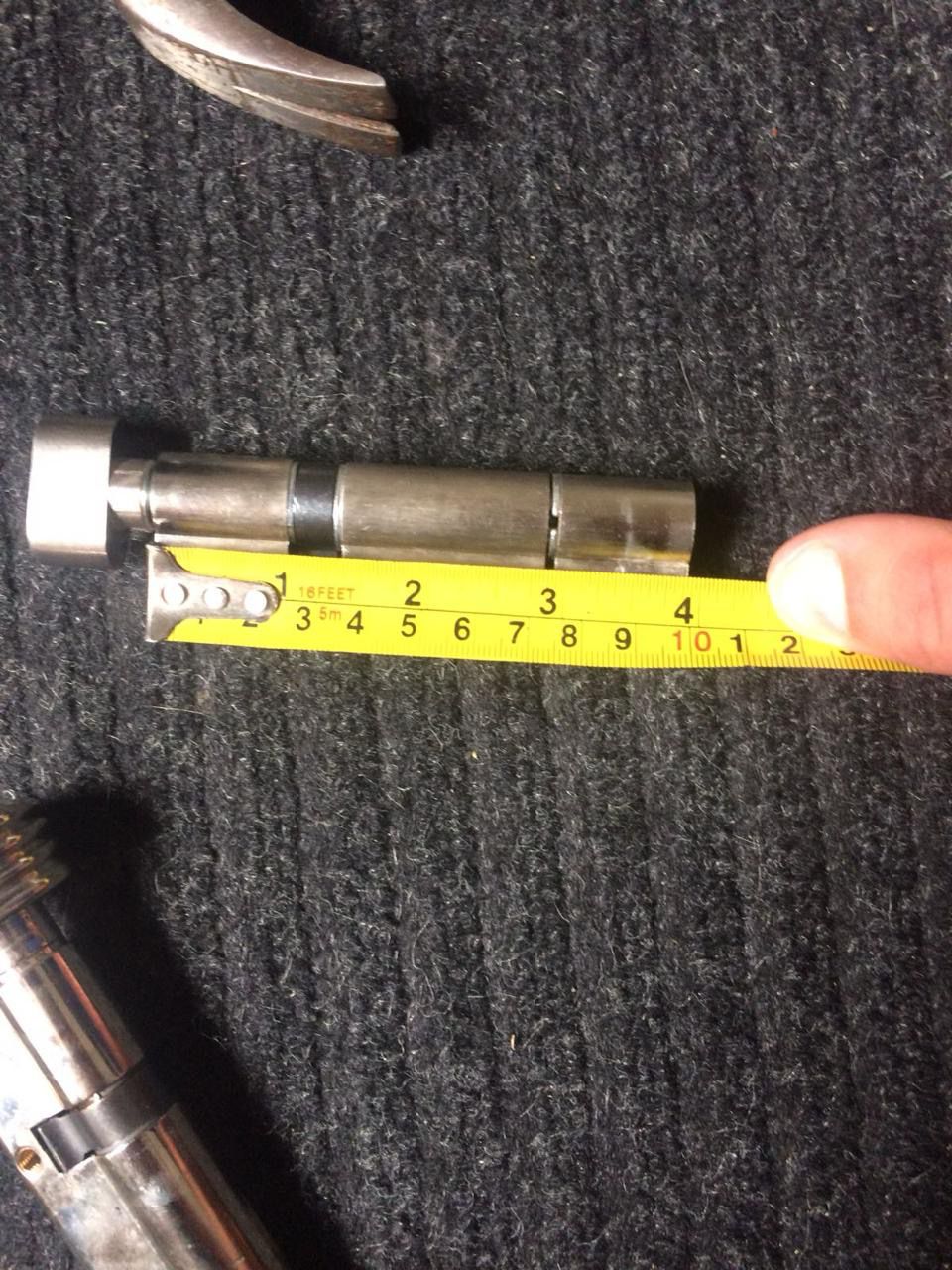
Winter in the GTA brings freezing rain, snow, road salt and repeated freeze-thaw cycles. Locks on exterior doors, garage entries, gates and mailboxes are exposed to all of it. A key that turned easily in the autumn may refuse to enter or turn in January. A deadbolt may stick, a latch may not retract, or a keypad lock may slow down or stop.
Most of these problems come from a small number of causes: water freezing inside the lock, the door and frame moving with temperature, lubricants thickening in the cold, and batteries losing capacity. Identifying which applies helps decide whether the lock needs care, adjustment or repair.
Rain, melting snow and condensation can get into the keyway and freeze. Ice in the pins prevents the key from going in or stops the plug from turning. Ice around the bolt or latch can hold it in place even if the cylinder turns.
A de-icer made for locks can release the ice. Warming the key gently, for example in your hand, and inserting it slowly can also help. Do not force the key; a key under heavy torque in a frozen lock can bend or break, leaving a broken key to extract. Do not pour hot water on the lock. It may free the ice briefly, but it refreezes and can leave more water inside.
After thawing, a small amount of dry lock lubricant, such as graphite or a PTFE product, helps displace moisture. Avoid heavy oils, which thicken in the cold and attract dirt.
Metal and wood contract in cold weather, and the difference between a heated interior and freezing exterior can bow a door slightly. Frost heave can shift steps and frames. The result is a deadbolt or latch that no longer lines up with the strike, so the key turns partway and stops or the bolt needs the door pushed to engage.
This is an alignment problem rather than a frozen lock. Adjusting the strike or hinges usually restores reliable locking. The stuck deadbolt page and the front door will not lock page describe the adjustments. Mention if the problem only appears in cold weather, because that helps the technician choose a fix that works in all seasons.
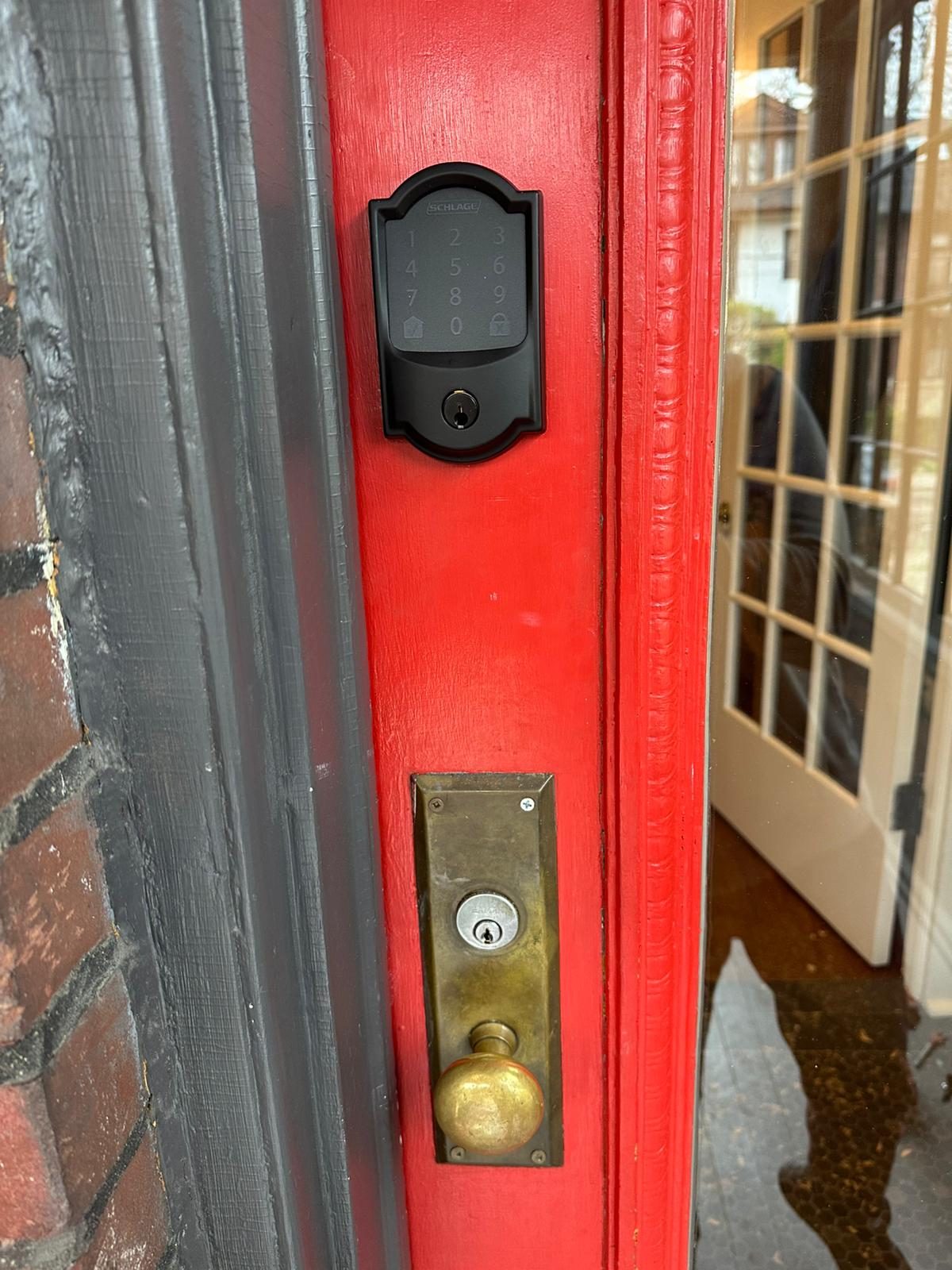
Battery-powered locks often slow down or stop in cold weather, because batteries deliver less power at low temperatures. A motor working against a stiff bolt draws even more power. If an electronic lock starts misbehaving in winter, replace the batteries with the type the manufacturer specifies and check whether the bolt moves freely by hand.
Follow the manufacturer's guidance on operating temperatures and battery types. Keep a mechanical key or other backup entry method available. The smart lock repair page explains how electronic and mechanical problems are separated.
Road salt and de-icers tracked onto steps and splashed onto doors can corrode lock finishes and internal parts over time. Wipe down exterior hardware occasionally in winter, and avoid spreading salt directly against the door. A lock that has become rough or gritty after several winters may need cleaning, lubrication or replacement.
Photos
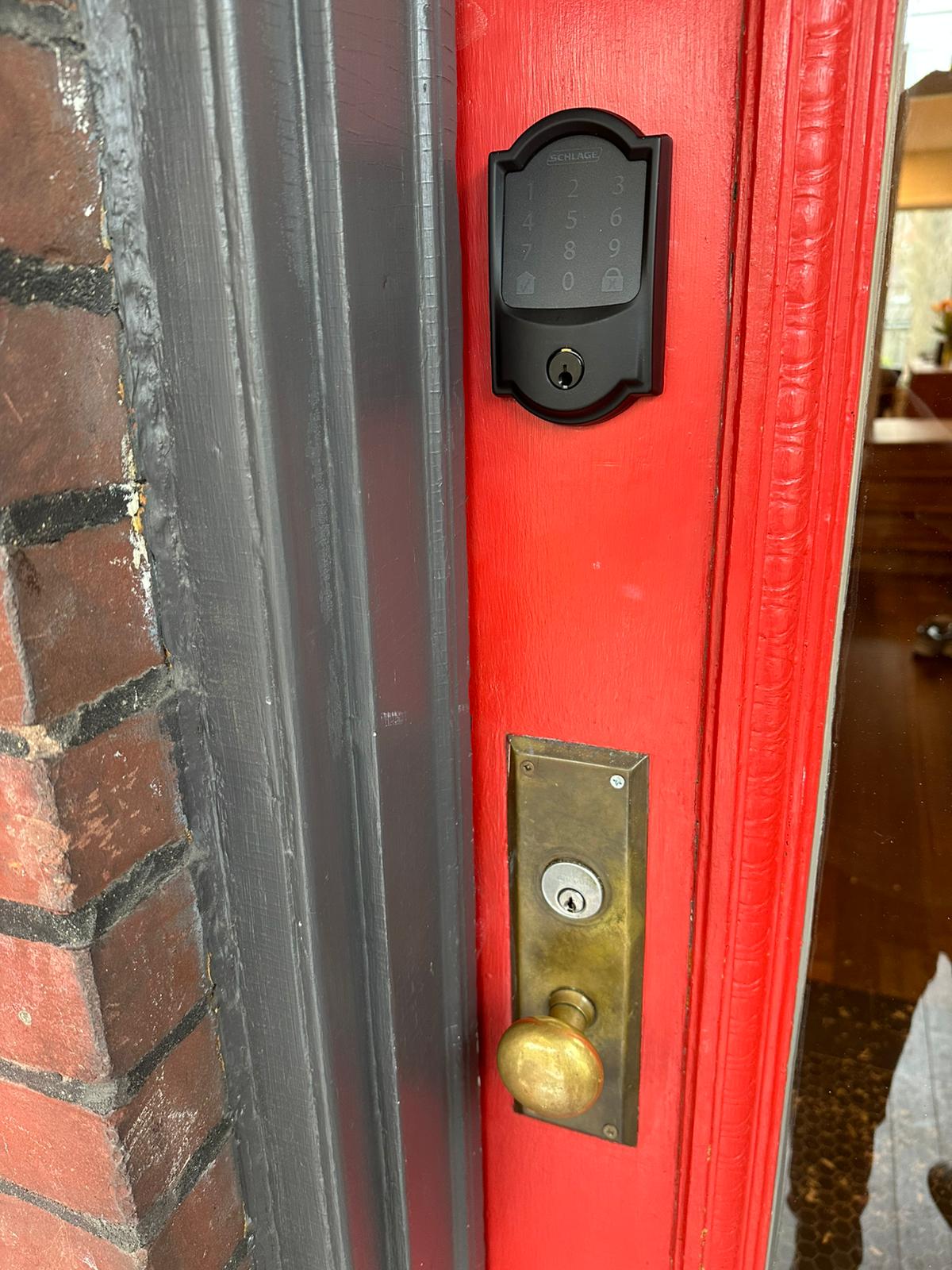
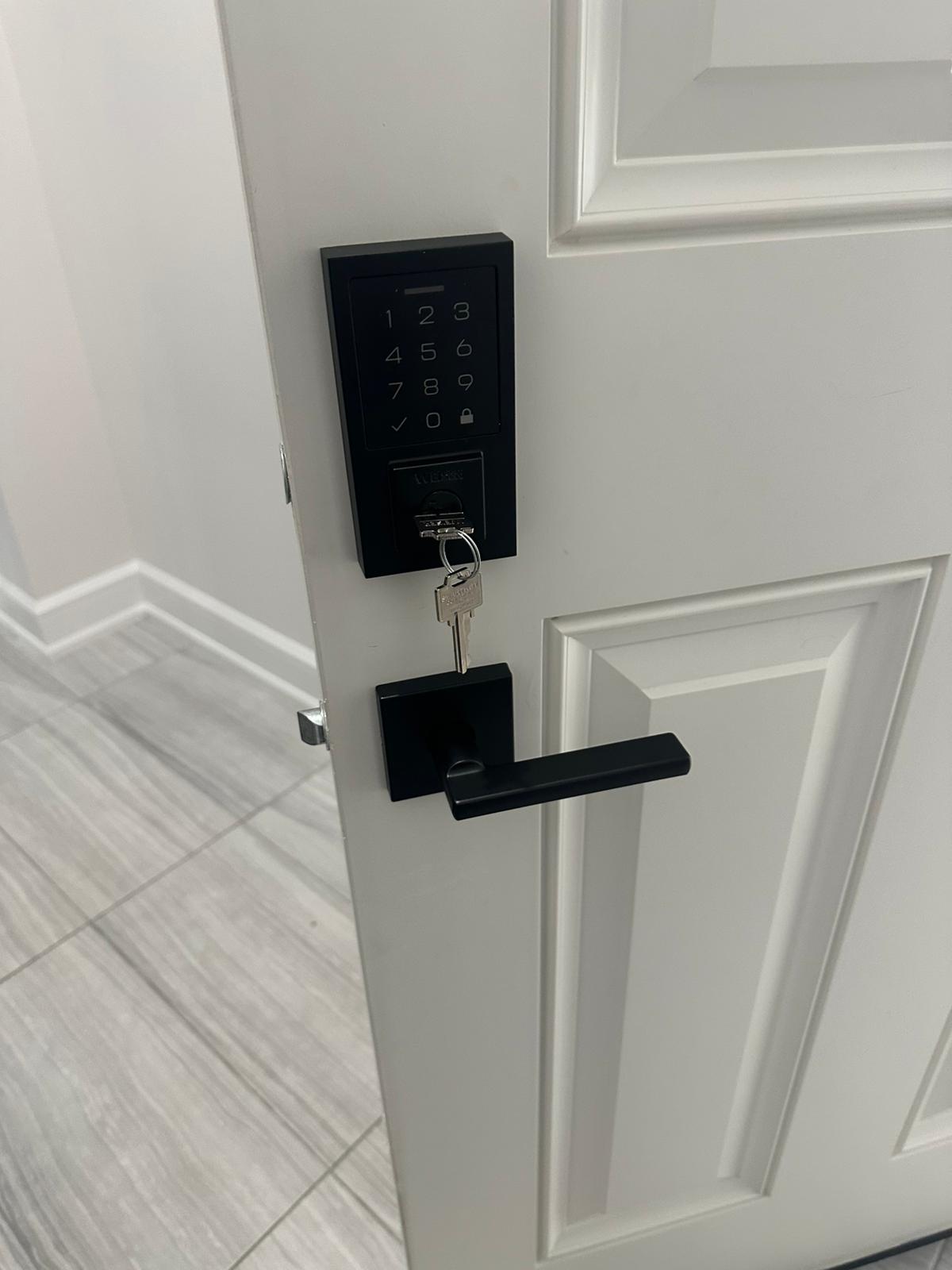
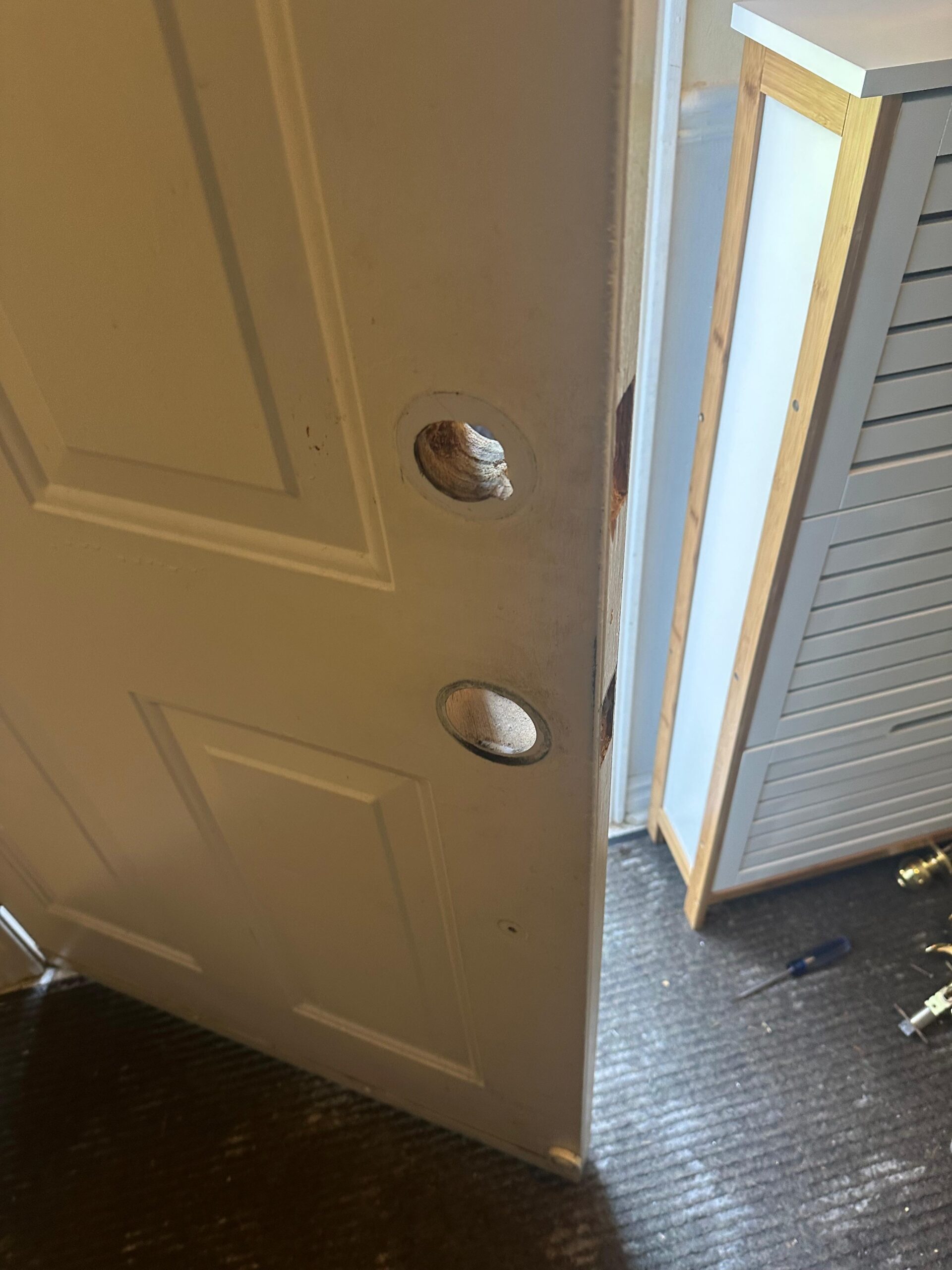
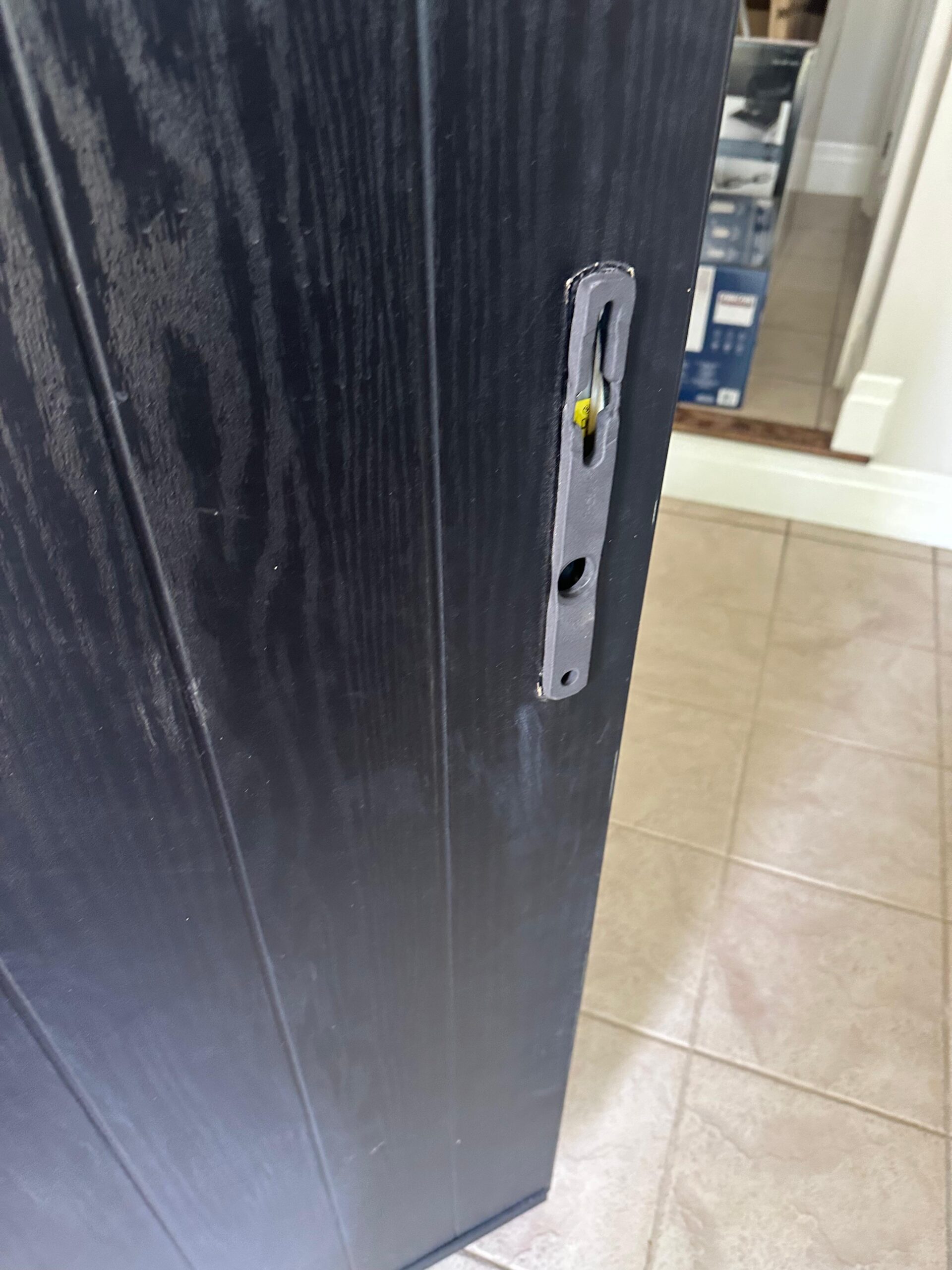
Photographs from GTA Lockman Mobile Locksmith Services work across Toronto and the GTA. Send a picture of your own door and we can tell you what the visit would involve.
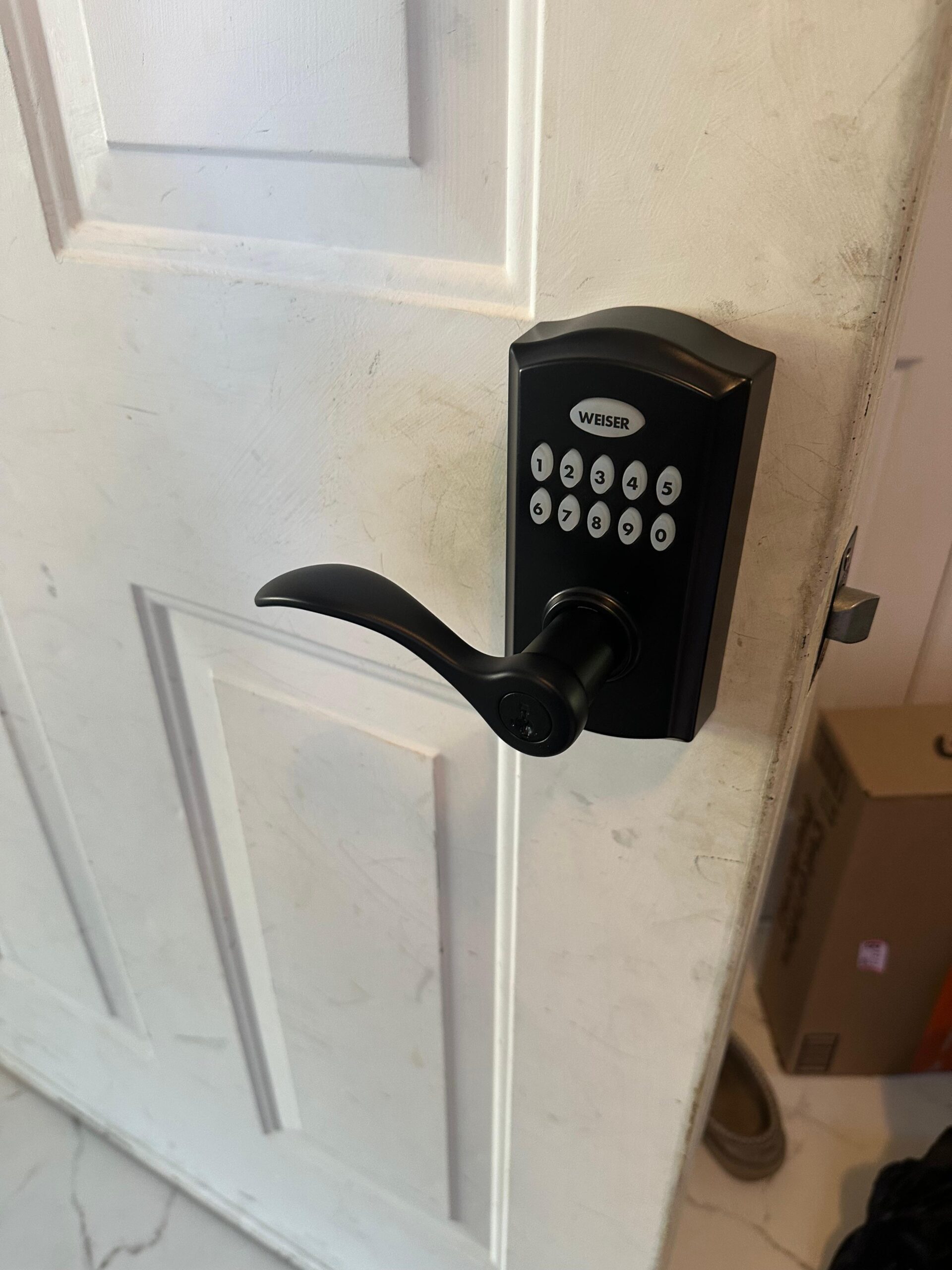
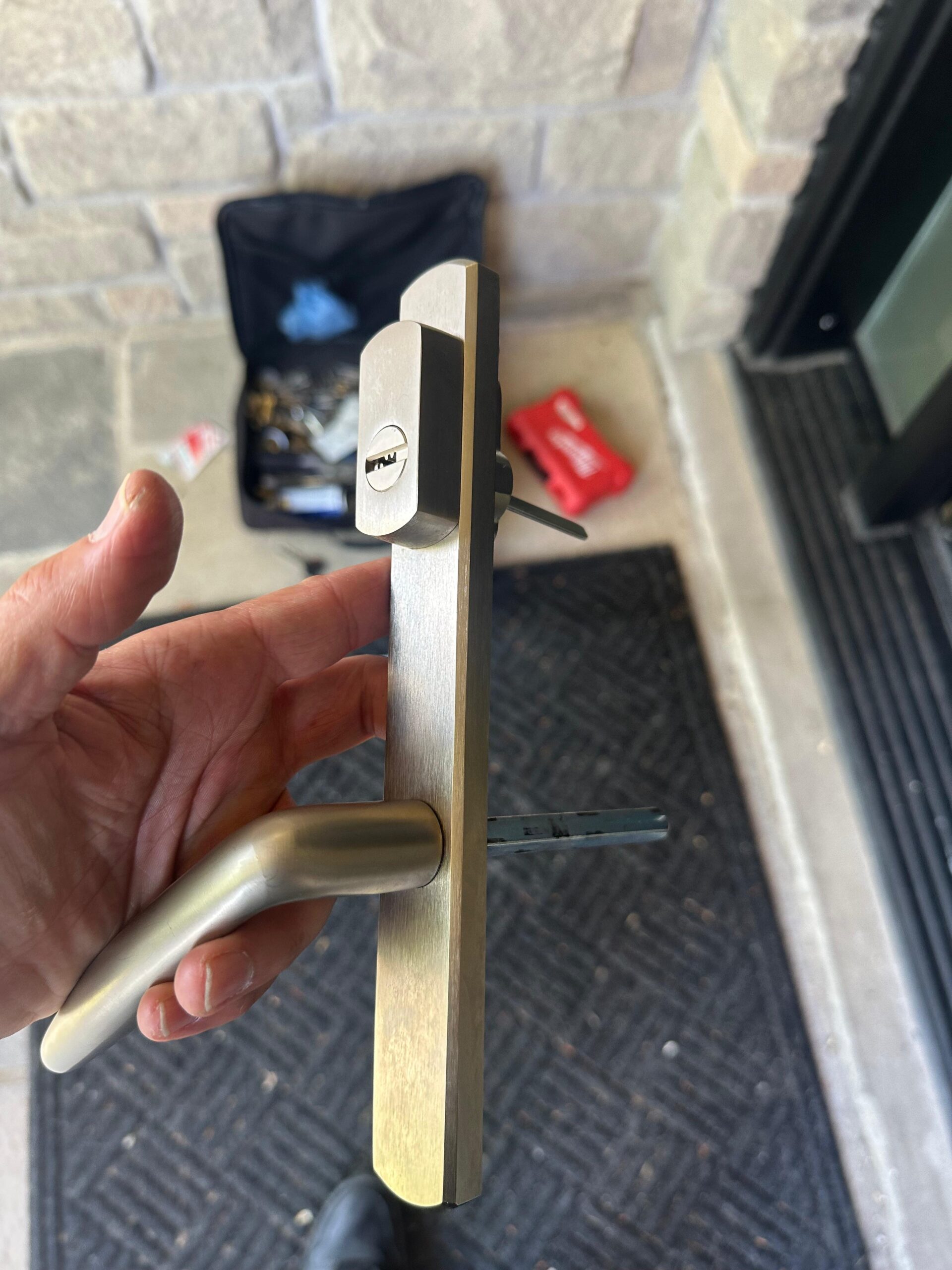
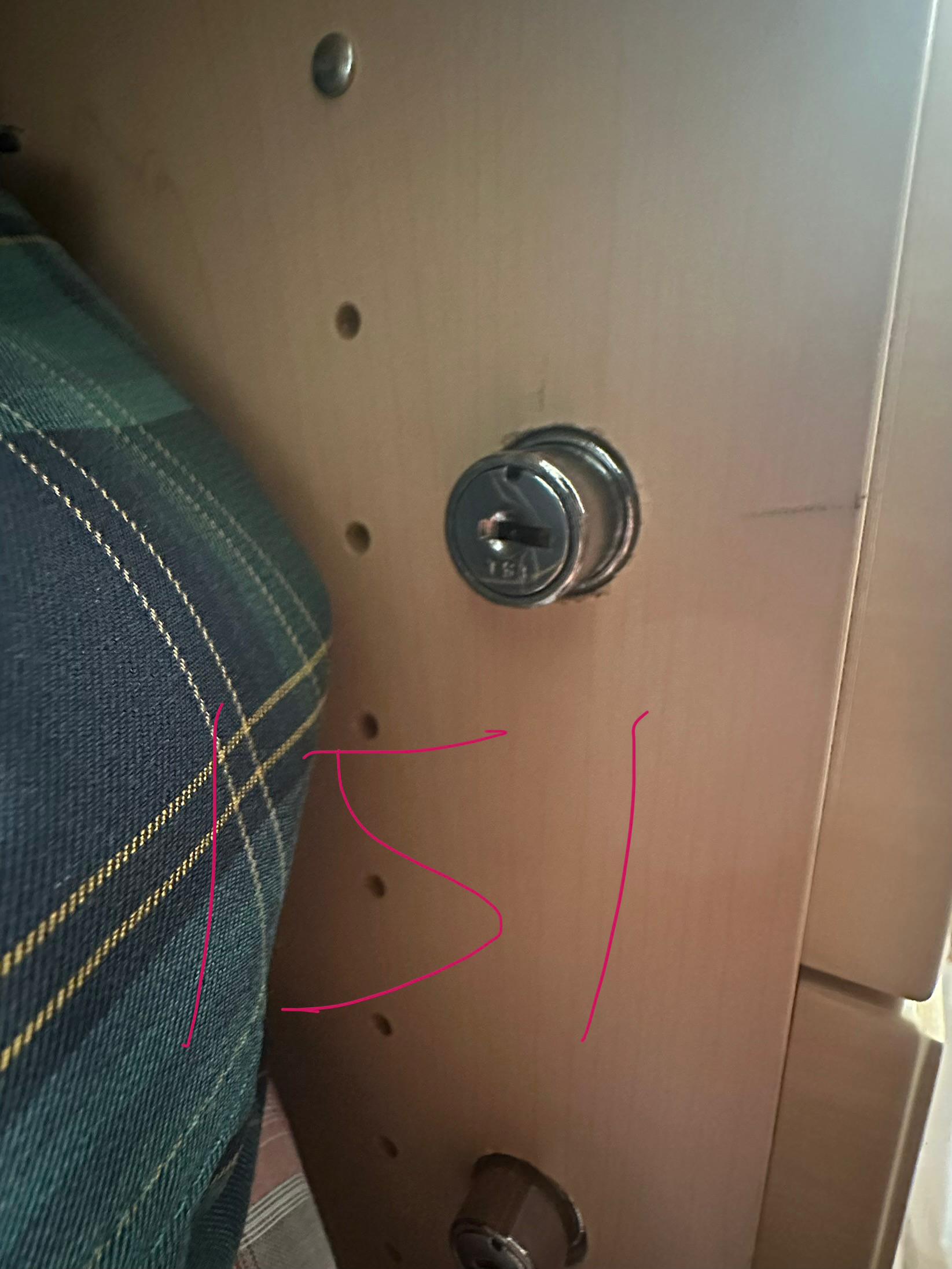
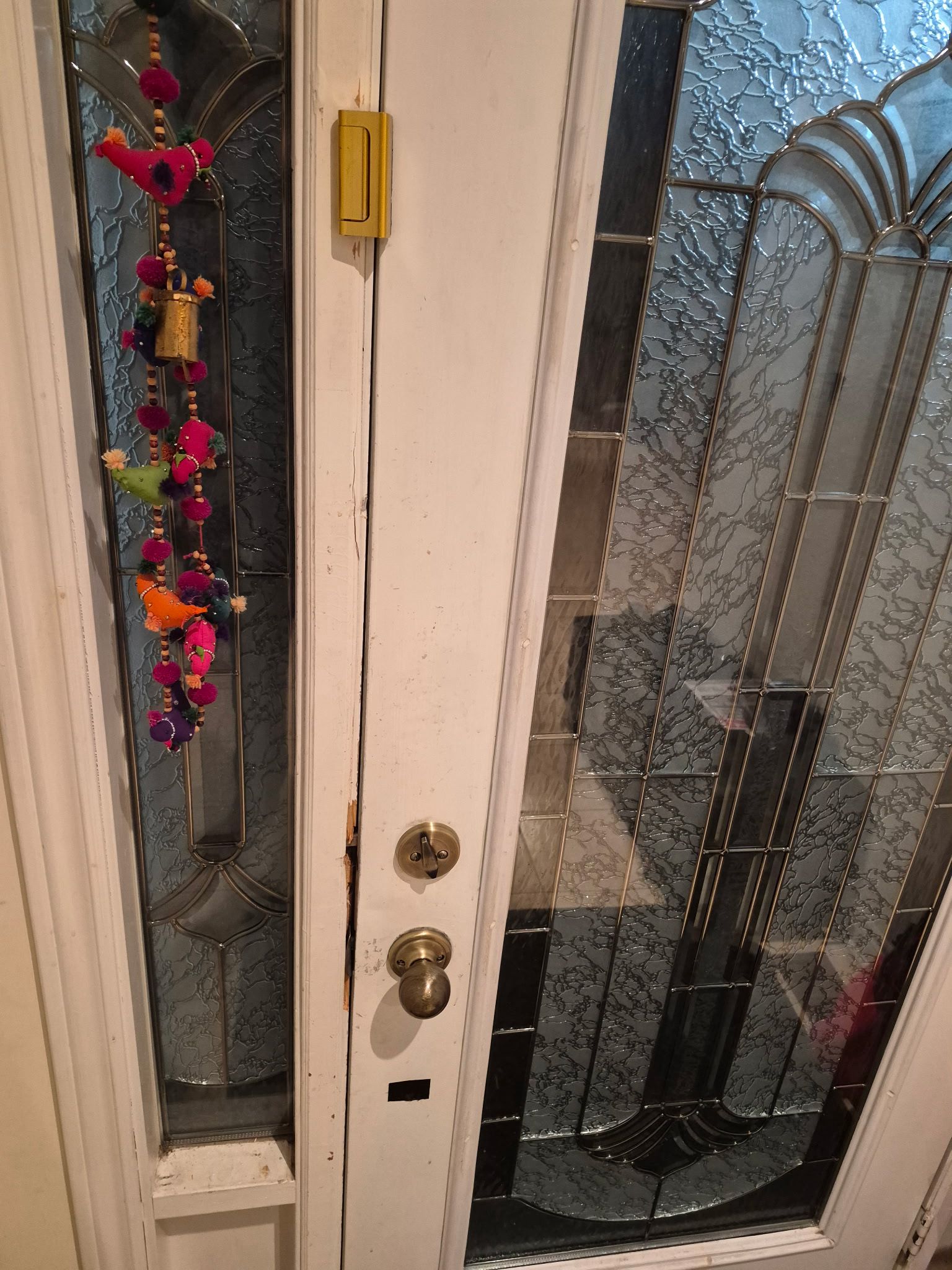
Locks that are rarely used freeze more easily, because water sits in them undisturbed. Garage side doors, backyard gates and mailboxes are common examples. Operating these locks occasionally during winter, and applying dry lubricant before the cold season, reduces problems. Padlocks exposed to weather can be covered or replaced with weather-resistant models.
A few steps in the autumn prevent many winter problems. Lubricate exterior locks with a dry lubricant. Check that doors close and lock without pushing, and have alignment corrected before the cold sets in. Replace batteries in electronic locks. Clear drainage around basement and rear entrances so water does not pool at the door.
If a lock was already stiff before winter, have it serviced. A lock that needs force in October is likely to fail in January.
In winter, a door can freeze to its weatherstripping or threshold, particularly after rain or melting snow. The lock may be working, but the door itself will not open. Avoid pulling hard on the handle or key, which can damage the lock or bend the key. Gently push and pull the door to break the seal, or apply warmth to the weatherstripping from inside.
If a door regularly freezes shut, water may be collecting at the threshold. Improving drainage, adjusting the door sweep or replacing damaged weatherstripping helps. The lock should not be forced to overcome a frozen door.
Small locks on mailboxes and padlocks freeze easily because their keyways are exposed. A small amount of dry lubricant applied in the autumn helps. If a mailbox lock is frozen, avoid forcing the key, which can break it in the small cylinder. For Canada Post community mailboxes and building mailboxes, confirm who is responsible for the lock before arranging work.
Cold weather makes a lockout more difficult to wait out. If you are locked out because a lock has frozen, try careful thawing first, and avoid forcing the key. If entry is still not possible, the technician will confirm authorization before working on the lock. The house lockout page explains what to expect. Keeping a spare key with a neighbour is particularly useful in winter.
A small winter kit kept inside the house, near the main door, helps when a lock freezes. It might include a lock de-icer, a dry lubricant, a spare key and a flashlight. Keep the de-icer indoors rather than in a vehicle or a garage, where it may be out of reach if the door will not open. For a business, keep a similar kit where the person who opens up can reach it, and include the phone numbers of the owner and the locksmith so a frozen lock at opening time can be dealt with calmly.
For businesses, a frozen lock at opening time can delay staff and customers. Ask the person who opens the premises to arrive with the winter kit and a spare key, and to report stiff locks as soon as they appear rather than waiting for a failure. Servicing commercial locks in late autumn, including adjusting closers that behave differently in the cold, reduces winter problems considerably. Keep a note of which doors gave trouble each winter so the next service can focus on them. Over a few seasons, that record shows which locks need attention before the cold arrives.
Call if the key will not enter or turn after careful thawing, if the bolt stays stuck, if a key breaks, or if the lock has become stiff every winter. Tell us whether the problem started in cold weather, which door is affected and what you have tried. Our posted hours appear below, and we do not promise a fixed arrival time. The lock repair page covers related work.
Keep reading
Use a de-icer made for locks, following the product's instructions, or warm the key gently in your hand and insert it slowly. Work the key back and forth with light pressure rather than forcing it to turn. Do not pour hot water on the lock; it may free the ice briefly but can refreeze and leave more water inside. Avoid open flames near the door. Once the lock works, apply a small amount of dry lubricant to help displace remaining moisture.
Use a de-icer made for locks, following the product's instructions, or warm the key gently in your hand and insert it slowly. Work the key back and forth with light pressure rather than forcing it to turn. Do not pour hot water on the lock; it may free the ice briefly but can refreeze and leave more water inside. Avoid open flames near the door. Once the lock works, apply a small amount of dry lubricant to help displace remaining moisture.
Heavy or general-purpose oils are not recommended for pin-tumbler locks. They thicken in the cold and attract dirt, which can make the lock stiffer over time. Cooking oil is particularly unsuitable. A dry lubricant made for locks, such as graphite or a PTFE product, is the usual choice. Use it sparingly. If the lock remains stiff after thawing and lubrication, it may need cleaning or servicing rather than more lubricant.
The cylinder may be working while the bolt is held by ice in the strike or by the door having shifted in the cold. Check whether ice has built up around the bolt or in the strike opening. If the bolt only binds in cold weather, the door and frame may be contracting or bowing so the bolt no longer lines up. That is an alignment problem, and adjusting the strike or hinges usually resolves it. Do not force the key, which can break the tailpiece.
Batteries deliver less power in cold temperatures, and a motor working against a stiff bolt draws more. The lock may slow down, beep a low-battery warning or fail to throw the bolt. Replace the batteries with the type the manufacturer specifies and check that the bolt moves freely by hand with the door closed. Keep a backup method of entry available. If problems continue after new batteries and a freely moving bolt, the device may need manufacturer support.
Apply a dry lubricant to exterior locks before winter. Keep water away from the door by clearing drains and gutters above it. Operate rarely used locks occasionally so moisture does not settle. A small cover over an exposed keyway can help on gates and padlocks. Have stiff locks serviced and misaligned doors adjusted in the autumn, because problems that exist before winter usually get worse in the cold.
Over time, road salt and de-icers can corrode lock finishes and internal parts. Salt tracked onto steps and splashed onto the door is the usual source. Wipe exterior hardware occasionally in winter and avoid spreading salt right against the door. A lock that feels gritty or rough after several winters may need cleaning or replacement. Choosing hardware with a finish suited to exterior use helps it last longer.
Stop trying to turn the remaining piece. Leave the fragment in place and note its position. Once the lock has thawed, the fragment may be easier to remove, but a technician with extraction tools is usually the safest option. Keep the other half of the key. The broken key extraction page explains what the technician will do and why a key breaks under strain, which is common when a frozen lock is forced.
Not necessarily. Frequent freezing often points to water getting into the lock from above or the side, or to a lock that is already worn. Addressing drainage, adding a cover or servicing the cylinder may solve it. If the lock is corroded, worn or unsupported, replacement with a lock suited to exterior conditions is reasonable. The technician can inspect the lock and the door and explain which option addresses the cause.
Describe the door, hardware and service address. Contact GTA Lockman Mobile Locksmith Services to confirm the scope and scheduling for your location.