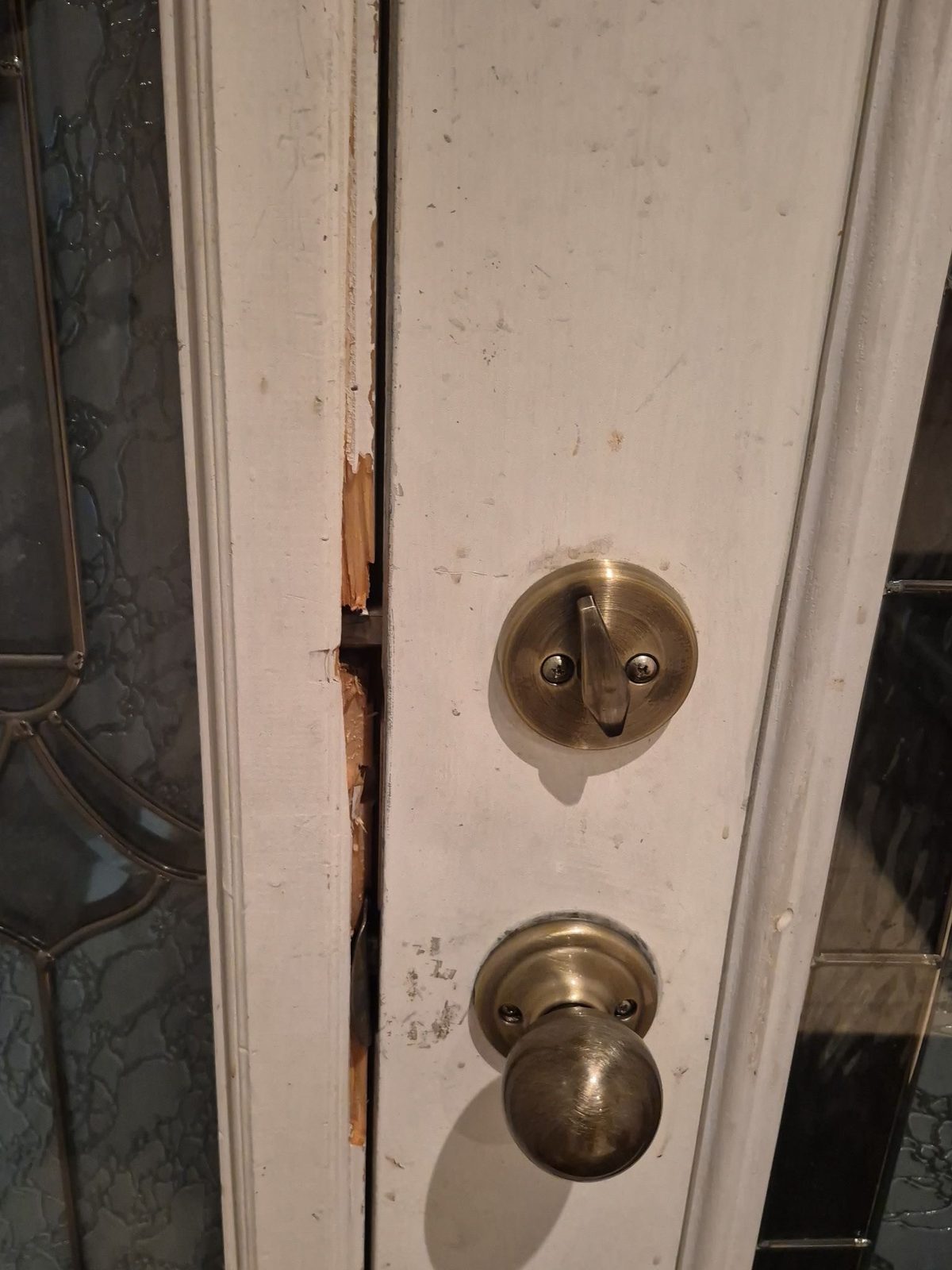
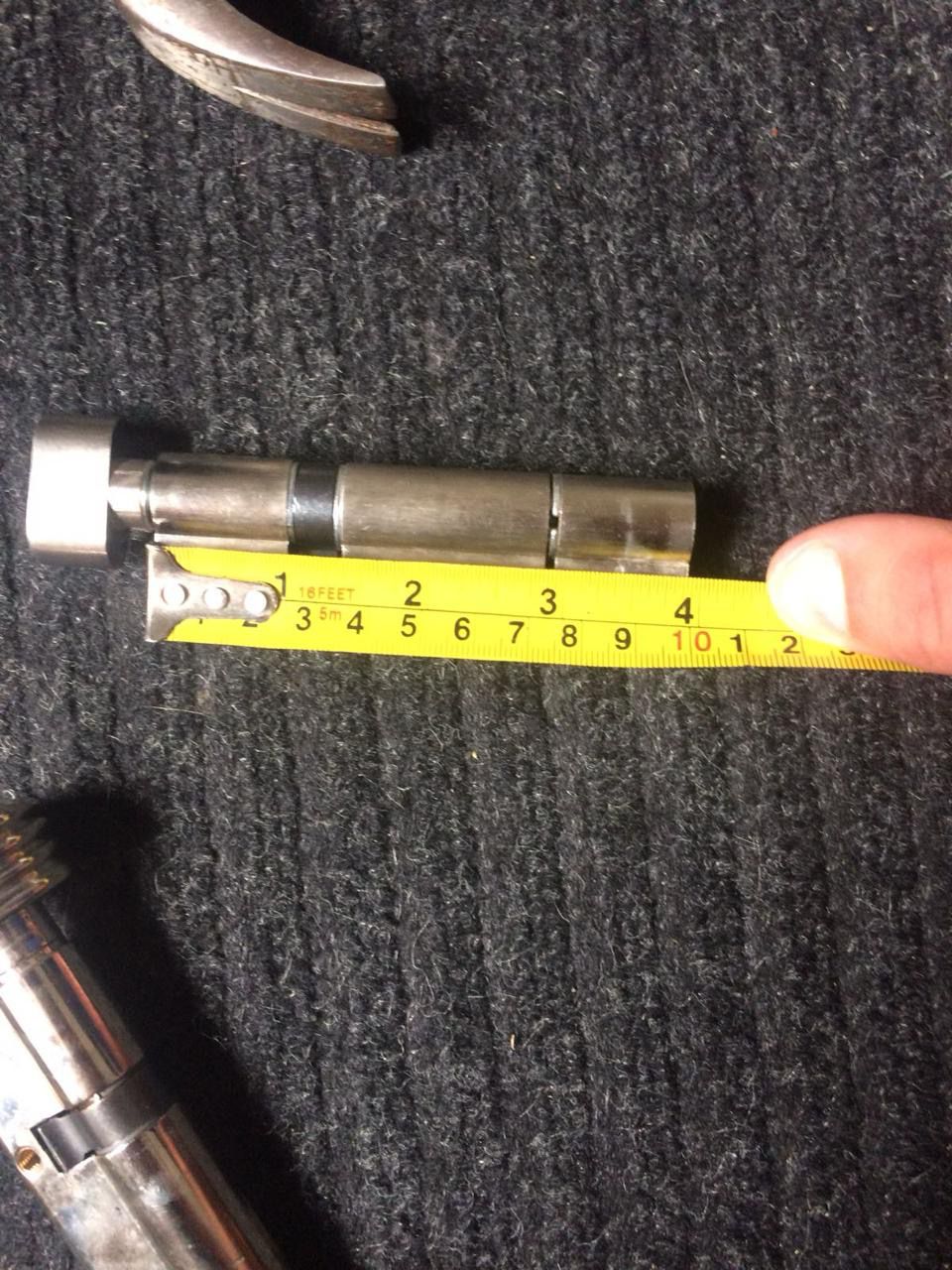
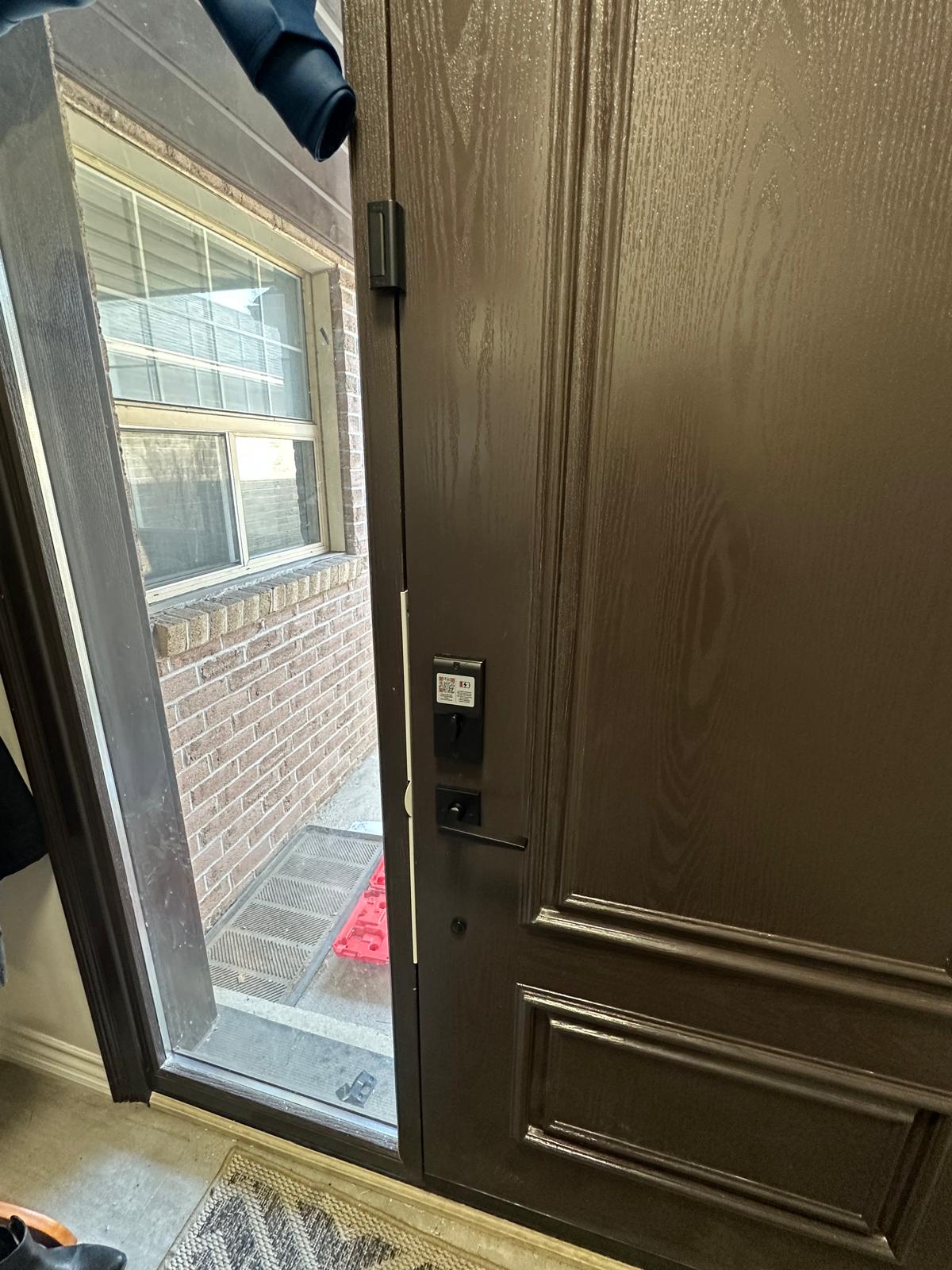
After a repair, pay attention to how the key and bolt feel. A tailpiece or cam fails far more often when the bolt is binding, so a lock that needs extra force to turn is a warning. Keep the door aligned by tightening hinge screws when they loosen, and avoid pulling the door closed by the key.
If you notice the key turning further than normal before the bolt moves, or the bolt moving only partway, arrange an inspection before the connection fails completely. An early repair is usually simpler than dealing with a door that will not open.
When you describe the problem, say how old the lock is and whether it has been repaired before. A lock that has had several parts replaced may be approaching the point where a new lock is the more reliable option. Equally, a relatively new lock from a well-supported manufacturer may have replacement parts readily available, which makes a repair straightforward. Either way, the technician should explain the choice and let you decide. Ask which parts were replaced and keep the invoice with your other household records, so the history of the lock is available if it gives trouble again.