
GTA Lockman Mobile Locksmith Services · Toronto & GTA
Lock Repair in Toronto & the GTA
Find the reason a key sticks, a bolt binds or a latch fails before deciding what needs replacement.
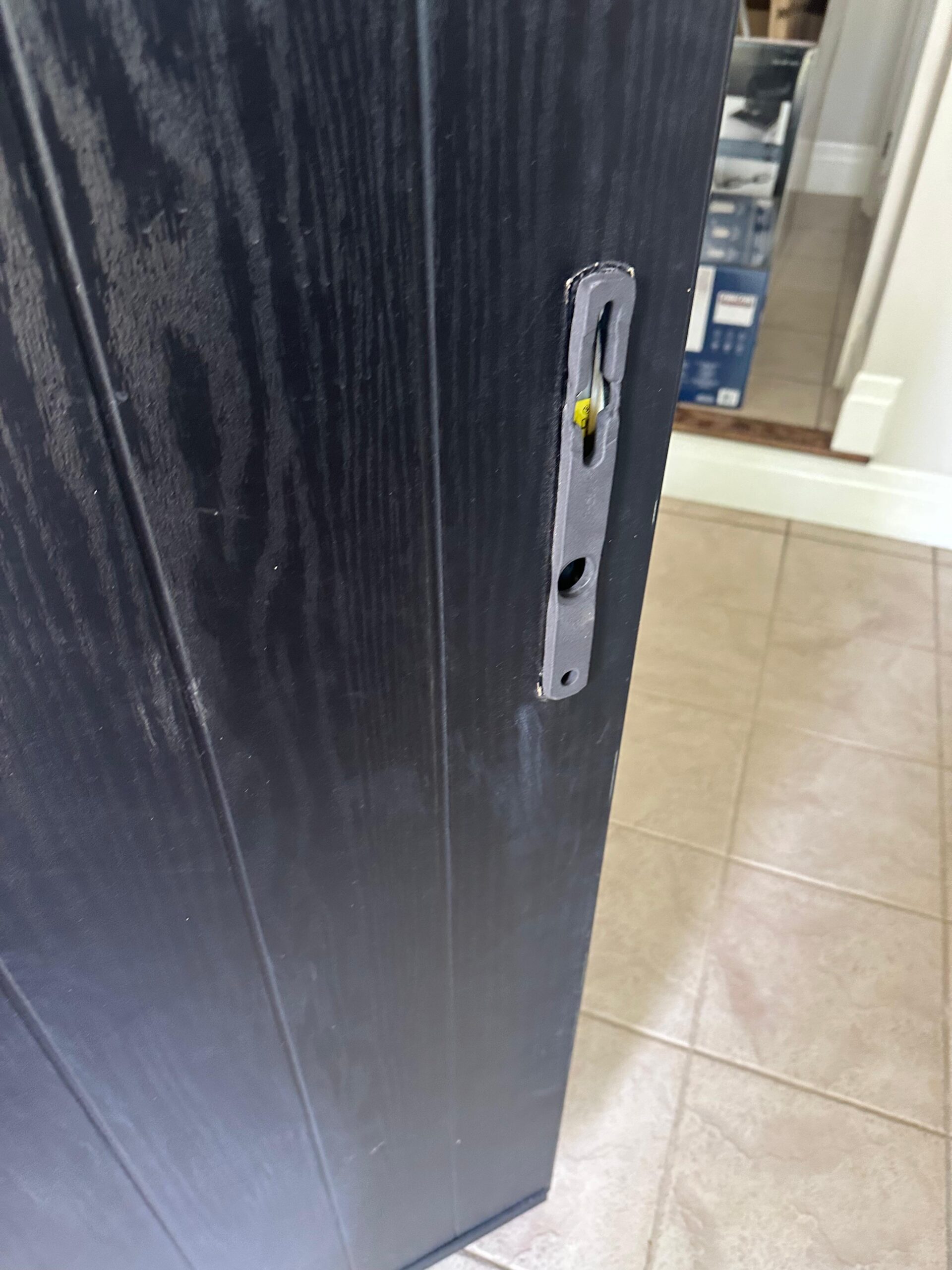
Service overview
A lock that has become difficult to use should be inspected before it fails completely. GTA Lockman Mobile Locksmith Services repairs residential and commercial locks across Toronto and the Greater Toronto Area during our posted hours. Call (647) 955-3277 if the key will not turn, the deadbolt stops partway, the cylinder spins, the lever feels loose, or the door will not latch or secure.
The visible lock is only one part of the opening. Door sag, frame movement, loose hinges, an incorrect strike position, and closer problems can place pressure on otherwise serviceable hardware. We inspect how the lock operates with the door open and closed, identify the cause, and explain if repair, adjustment, rekeying, or replacement is the appropriate option.
Lock problems we diagnose
Common repair calls include stiff or intermittent keys, jammed bolts, loose cylinders, handles that fail to retract the latch, smart locks that strain or report a jam, and commercial locks that no longer engage consistently. A broken key may also reveal underlying cylinder wear or alignment pressure.
Avoid forcing a key or repeatedly operating a struggling motorized lock. Added force can snap the key, damage the cam or tailpiece, strip gears, or leave the bolt trapped in the door frame.
Residential lock repair
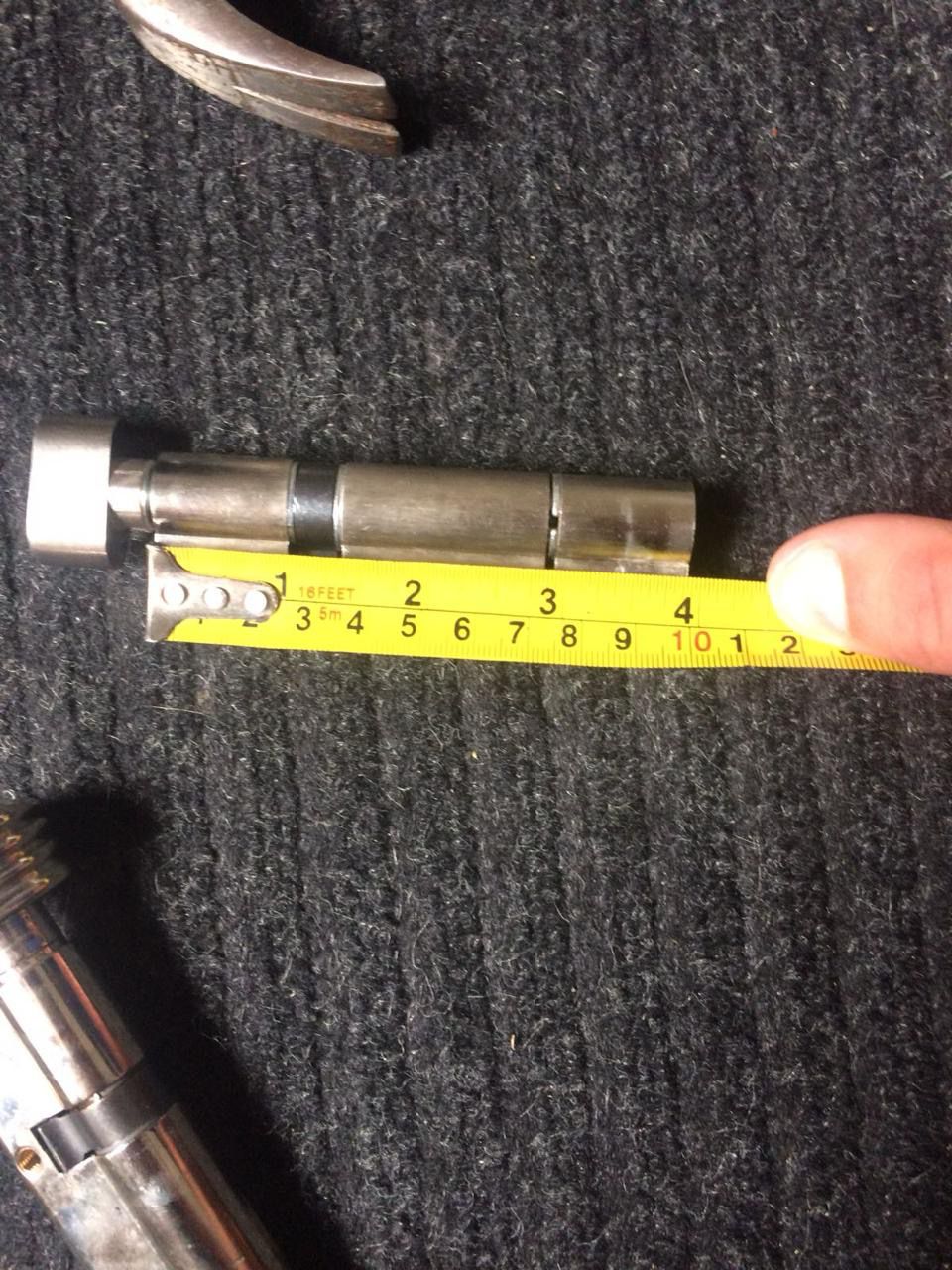
Residential repairs may involve servicing a cylinder, tightening or replacing fasteners, correcting the tailpiece, adjusting the strike, repairing compatible deadbolt components, or resolving door alignment. Patio and multipoint door hardware requires careful identification because the visible handle may not reveal the internal mechanism.
Seasonal movement is common in the GTA. A wood door can expand, a frame can shift, or hinges can loosen, causing the bolt to rub. Correcting the fit can restore normal operation and reduce wear on the lock.
Commercial lock repair
Commercial openings experience repeated daily cycles and often use interconnected parts. We assess compatible mortise locks, cylindrical levers, storefront cylinders, deadlatches, office hardware, and related door components. If the door must be lifted, pulled, or slammed, alignment and hinge or closer condition should be checked.
A temporary adjustment is not always a durable repair. When parts are cracked, heavily worn, unsupported, or obsolete, replacement may be the safer and more economical long-term recommendation.
Repair compared with replacement
Repair makes sense when the main components remain sound and the failure can be corrected through service, alignment, or a replaceable part. Replacement is more appropriate after forced entry, severe corrosion, recurring internal failure, missing components, or when compatible repair parts are unavailable.
We explain the condition and price before authorized work begins. Customers should understand what will be repaired, what will remain, and why replacement is being recommended when repair is not suitable.
Preparing for a lock repair visit
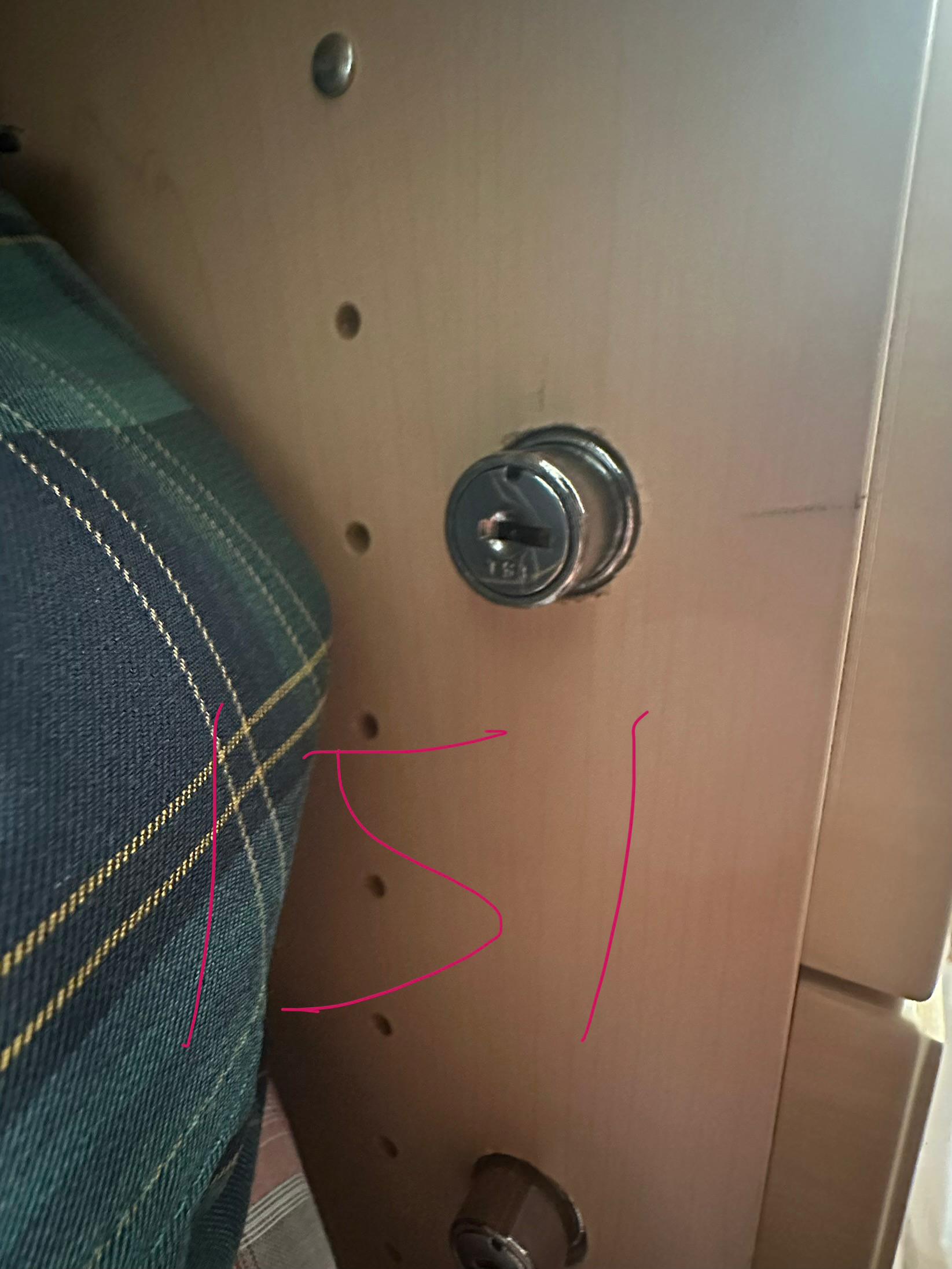
Send photographs of the interior and exterior trim, the edge of the door, the strike area, and any brand markings. Describe exactly what happens: does the key enter, turn, stop, spin, or work only when the door is open? This information helps identify likely hardware and prepare for the visit.
Describe the failure before naming the part
Two locks can show the same symptom for different reasons. A key that stops turning may be encountering a worn cylinder, a damaged key or load from a bolt pressed against the frame. A handle that moves without opening the door may have a connection problem or a failed latch. Describing what happens gives the technician a stronger starting point than requesting a part based only on its appearance.
Note whether the problem is constant or intermittent and whether it began after a move, renovation, impact or change in weather. If the door can be operated safely, explain whether the symptom occurs with it open as well as closed. Do not force a test that bends a key, strains a motor or risks leaving the opening stuck. Observations should help the assessment without creating additional damage.
Photograph the outside and inside trim, door edge and corresponding frame area. Include visible manufacturer markings where accessible. A close-up of the cylinder alone may omit the hinge or strike condition causing the difficulty. Keep access codes, key patterns and private documents out of the image.
A lock that works open but binds when closed
This pattern points toward an interaction between the lock and its surroundings. A bolt may be contacting the edge of the strike rather than entering freely. The door may have dropped slightly on its hinges or be compressed against new weather stripping. The key then feels stiff because it is being used to overcome that pressure.
The repair assessment should address why the opening has moved. Enlarging the strike opening without checking the hinges or door position can hide a symptom while leaving the underlying movement in place. Equally, installing a new cylinder will not reposition the bolt. Our door latch and strike plate repair page describes the difference between alignment work and replacing a failed latch.
After correction, operation needs to be tested under ordinary conditions. The door should close normally, the latch should engage and the deadbolt should complete its intended travel without a special push or lift. Where a closer is fitted, its effect on the door's closing and latching should also be considered.
Loose handles, rotating cylinders and worn connections
Movement at the trim does not identify the failed component by itself. Fasteners may be loose, a mounting surface may be damaged, or an internal connection may no longer transfer motion correctly. A lever that droops can involve a spring or internal mechanism. These conditions require different remedies even when the customer describes all of them as a loose lock.
Avoid tightening every visible screw without knowing its role. Excessive clamping can bind components, and some fasteners may secure hardware that should not be disturbed casually. On specialized doors, trim removal can expose parts that are difficult to refit without model information. Record the symptom and let the assessment determine which components need access.
Our loose handle and lock repair service focuses on these mechanical connections. If a key cylinder rotates in its housing or the handle no longer retracts the latch, say so when booking. Mention whether the door can still be opened normally from the inside and whether another entrance is available.
Deadbolts and electronic locks need different checks
A manual deadbolt should not rely on force through the key to move the door into place. Deadbolt repair considers the cylinder, connecting components, bolt and strike together. The inspection distinguishes a failed internal part from an otherwise sound bolt that cannot travel through its intended path.
Electronic locks add power and control behaviour to that mechanical assessment. Observe keypad lights, error messages, battery warnings and motor sounds, but do not assume every failure is a software issue. A motor can report a jam because the door fit is creating resistance. Repeated operation against that load is not a useful diagnostic routine.
For a door that can still be accessed, smart lock repair and troubleshooting covers model identification, mechanical fit and maintenance decisions. For a locked door with no usable entry method, the access problem needs to be addressed first. Manufacturer account or cloud-service issues may remain outside the scope of on-site mechanical repair.
Patio and multipoint hardware
Sliding patio doors commonly combine rollers, a keeper and a hook or latch mechanism. A panel that sits at the wrong height can prevent engagement even when the handle is intact. The technician needs to inspect the relationship between the moving panel and the fixed frame, rather than treating every failure as a broken handle.
Our patio door lock repair service retains that distinction. For multipoint entrances, movement from a central mechanism is transmitted to several locking points. A problem at one point can affect the whole operation. Brand and model identification are especially useful before compatible parts can be discussed.
The multipoint repair page covers the central gearbox, lock strip and surrounding door alignment. A complete replacement should not be assumed solely because the handle feels different. Equally, a temporary adjustment should not be presented as a permanent repair where internal components have failed or suitable parts remain unavailable.
Repair records for homes and managed properties
At a rental turnover, separate the condition of the lock from the decision to change keys. Rekeying can invalidate an old key but does not repair a damaged latch. A functioning replacement latch does not remove a former occupant's access to another lock. Our tenant move-out repair guide explains how to record these as distinct work items.
Ask for a description of what caused the fault, which components were repaired or replaced and what remains outside the completed scope. If matching parts cannot be obtained, record the alternative recommended and any limitations. Keeping a model number and photographs with the invoice helps future service without relying on someone's memory of the door's appearance.
Before handover, test each supplied key and the interior controls through several ordinary cycles. Confirm that the door latches and locks while closed, not only while open on a work stand. If the symptom was intermittent, explain the conditions in which it used to occur and repeat those conditions where safe. A repair should be assessed against the original complaint, with unresolved issues stated clearly. ## Record the difference between a finding and an assumption
An enquiry can describe a lock as broken when the visible symptom is simply that the door will not open. The assessment should turn that broad description into an observed finding: a connection that does not transfer movement, a bolt meeting the frame under pressure, or a component with identifiable wear. Ask how the proposed action relates to that finding.
Where a symptom is intermittent and cannot be reproduced, say so in the record. A temporary improvement after adjustment is useful information but should not be presented as proof of a cause that has not been established. Note the conditions under which the problem previously occurred and any checks completed during attendance.
For future maintenance, keep the opening's location, product details and completed work together. If another trade must address a hinge, frame or surface condition, name that follow-up separately. A precise account helps the next assessment build on what is already known instead of repeating unrelated part changes. It also gives the customer a practical way to judge the result under normal daily use.
Questions about lock repair in Toronto & the GTA
Why will my key not turn in the lock?
The key may be worn, the cylinder may be dirty or damaged, or pressure from door misalignment may be binding the bolt. Stop forcing it and have the opening assessed.
Can a jammed deadbolt be repaired?
Often, yes. The repair depends on whether the cause is alignment, loose components, internal wear, or damage.
Why does the lock work when the door is open but not closed?
This strongly suggests that the bolt or latch is not aligned with the strike opening.
Can you repair smart locks?
We can diagnose mechanical fit, alignment, installation, battery, and compatible hardware issues. Manufacturer or software failures may require product support or replacement.
Do you repair commercial mortise locks?
Yes, subject to the model, condition, and availability of compatible parts.
Should a lock be repaired after an attempted break-in?
It should be inspected along with the door and frame. Forced-entry damage may make replacement and reinforcement more appropriate than repair.
Plan your locksmith visit
Describe the door, hardware and service address. Contact GTA Lockman Mobile Locksmith Services to confirm the scope and scheduling for your location.
Friday: 8:30 AM–4:00 PM
Sunday: 9:30 AM–9:00 PM
Saturday: closed