
GTA Lockman Mobile Locksmith Services · Toronto & GTA
Keep suitable hardware while changing which keys operate your new home’s locks.
Related services
Review inherited hardware and establish a known access arrangement when taking possession of a home.
Learn moreReduce the keys you carry where cylinders and access requirements allow a suitable keyed-alike arrangement.
Learn moreReview every opening affected by the missing keys and establish a documented, authorized change to mechanical access.
Learn moreRepairs, rekeying and replacement hardware for homes, condos and apartments, with attention to the whole door.
Learn more
Rekeying after a move is about establishing which keys operate your home. In a suitable cylinder, the internal operating combination can be changed while compatible external hardware remains. This differs from replacing a deadbolt or handleset. The decision depends on the condition of the existing locks, their compatibility and the result you want from the appointment.
The keys received at handover do not necessarily establish how many copies exist. A practical move-in plan therefore begins with a review of mechanical access, rather than an assumption about the previous occupants. Identify which doors use the received keys and which have separate arrangements. Keep that list private and available for the technician.
If you already know the hardware is damaged or want a different format, compare move-in lock replacement. If it operates correctly and meets your requirements, rekeying may be worth assessing first. Neither service should be selected purely from the number of keys on the ring or the appearance of the outside trim.
Walk through the property once you have authorized access. List the front, rear, side, basement and connecting garage doors that apply. A door can have more than one keyed component, so distinguish a keyed knob from a separate deadbolt. Note any lock that uses a different key or has an unfamiliar brand.
Do not assume the same key fits every cylinder because the finishes match. Products can use different keyways even when they look alike. Conversely, compatible cylinders may be capable of sharing one operating key despite differences in the visible trim. The locksmith needs to identify the actual components before confirming the arrangement.
Include any restrictions associated with the property. A managed entrance may need to preserve a building key system, while a special cylinder may require controlled parts or an authorization card. Mention missing documentation rather than improvising an explanation of how the existing system works. Accurate uncertainty is more useful than an incorrect key schedule.
The cylinder must support the proposed change, and the surrounding lock must remain serviceable. A damaged latch, cracked housing or unreliable bolt does not become sound simply because it accepts a new key. The assessment should separate wear that affects the mechanism from the desire to invalidate old keys.
Describe stiffness, looseness or intermittent operation before work begins. If the lock works with the door open but not closed, alignment may need separate correction. A key-control service should not conceal that condition. The technician can explain whether rekeying, a compatible cylinder replacement or a broader hardware change is appropriate.
Age alone is not the deciding factor. Product condition, available parts and the intended access arrangement matter. Ask what will be retained and how the finished lock will be tested. If a particular cylinder cannot be rekeyed to the chosen key, understand the alternatives before agreeing to changes across the other doors.
Many households prefer fewer keys, but a shared key is useful only where it matches the access policy. A cleaner may need one entrance without access to a separate rental area. A workshop or storage room may intentionally remain on another key. Decide who should enter each space before asking every cylinder to match.
Our one-key house rekeying page explains compatible keyed-alike groups. A keyed-alike arrangement is different from a master-key hierarchy that allows different levels of access. Do not assume the second exists because one household key operates several doors. The service record should describe the actual arrangement being provided.
If some locks remain incompatible, a smaller shared group may still be practical. Alternatively, compatible replacement cylinders or hardware may be discussed. The recommendation should identify any extra work and why it is needed. Reducing a key ring is a convenience goal, not a reason to replace sound hardware without explaining the trade-off.
A new mechanical key does not remove a guest PIN, transfer a smart-lock account or deactivate a building fob. List those credentials separately during a move. Establish the responsible administrator and follow each product or building system's supported handover process.
For an electronic lock with a mechanical override, ask whether that cylinder is included in the rekeying scope. Its compatibility needs assessment like any other cylinder. The electronic users still require a separate review even if the override key is changed. Record both actions so neither is assumed to have happened automatically.
Keep a usable authorized entry method while account and device settings are reviewed. Do not erase users or factory-reset a product merely because a new physical key has been supplied. Model-specific instructions matter, and manufacturer support may be needed when the former administrator's account remains linked.
Photos
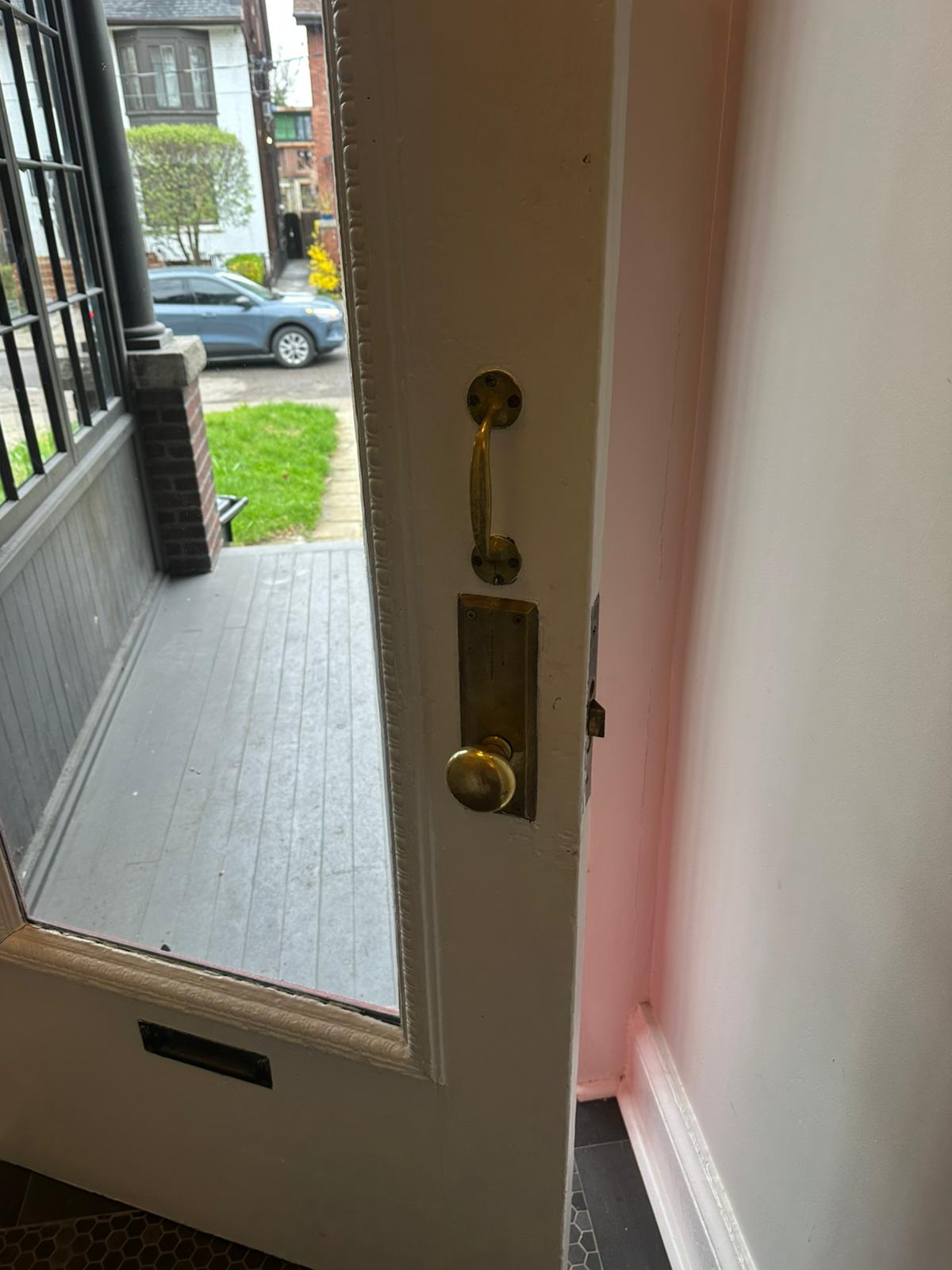
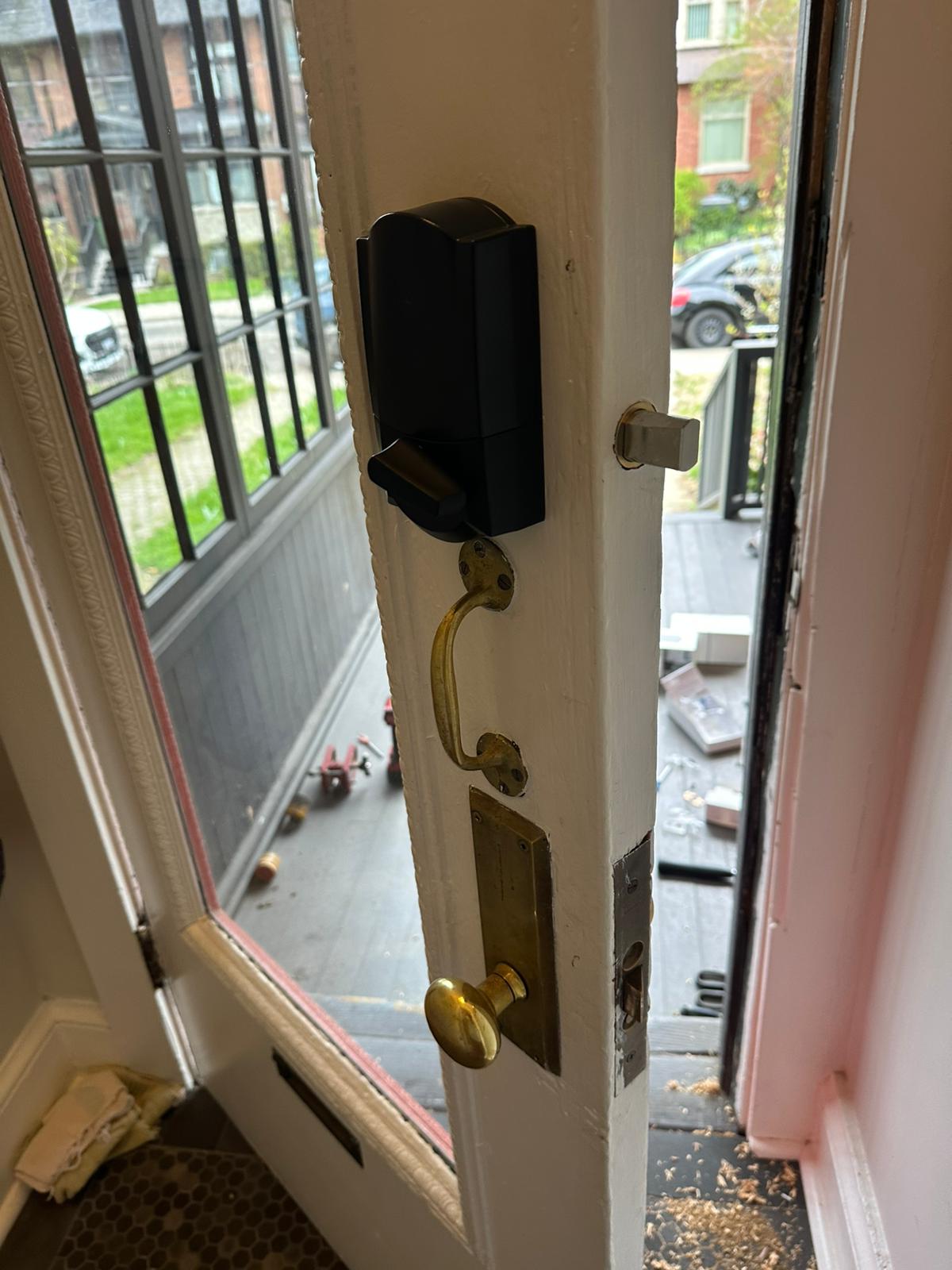
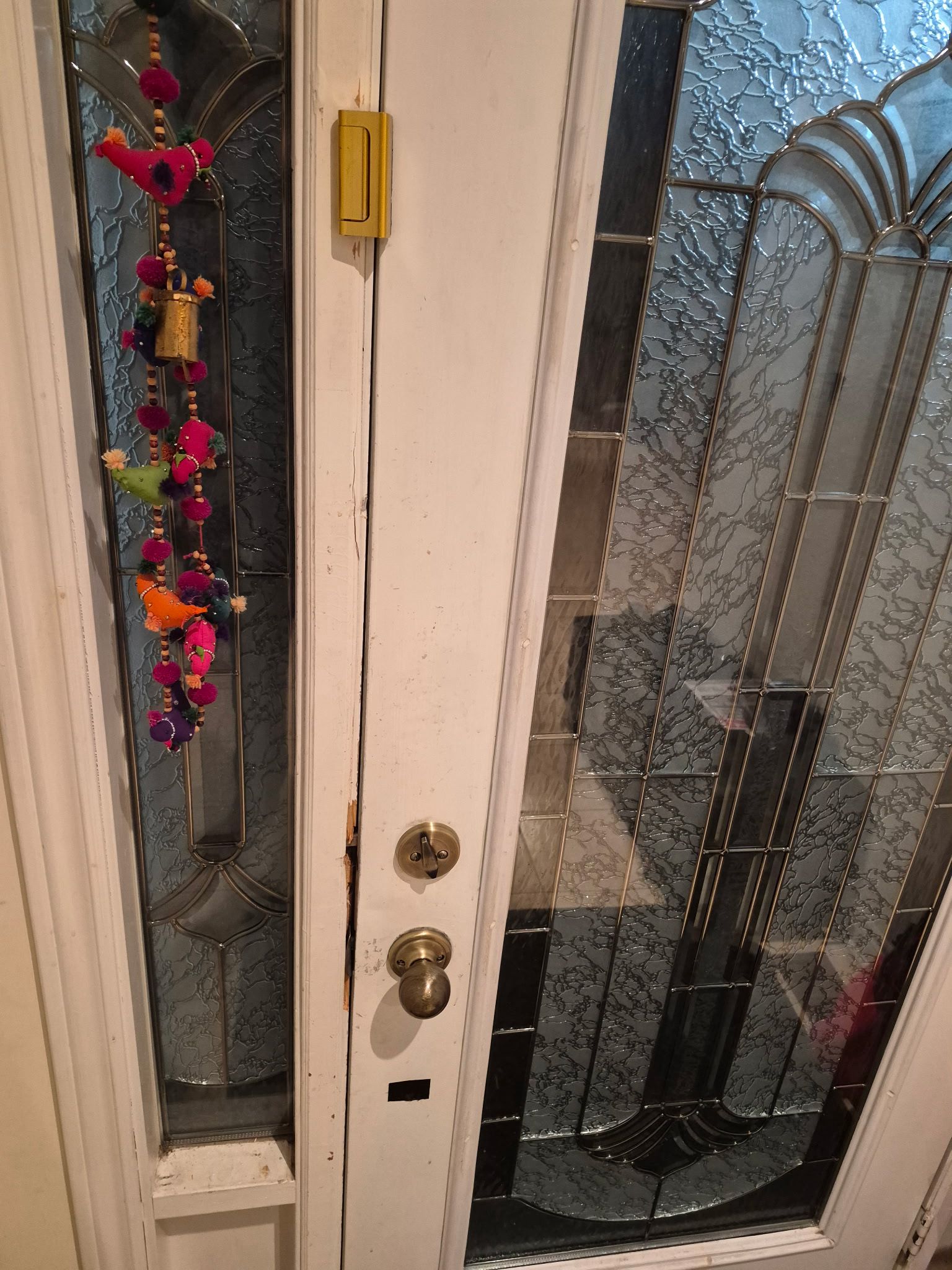
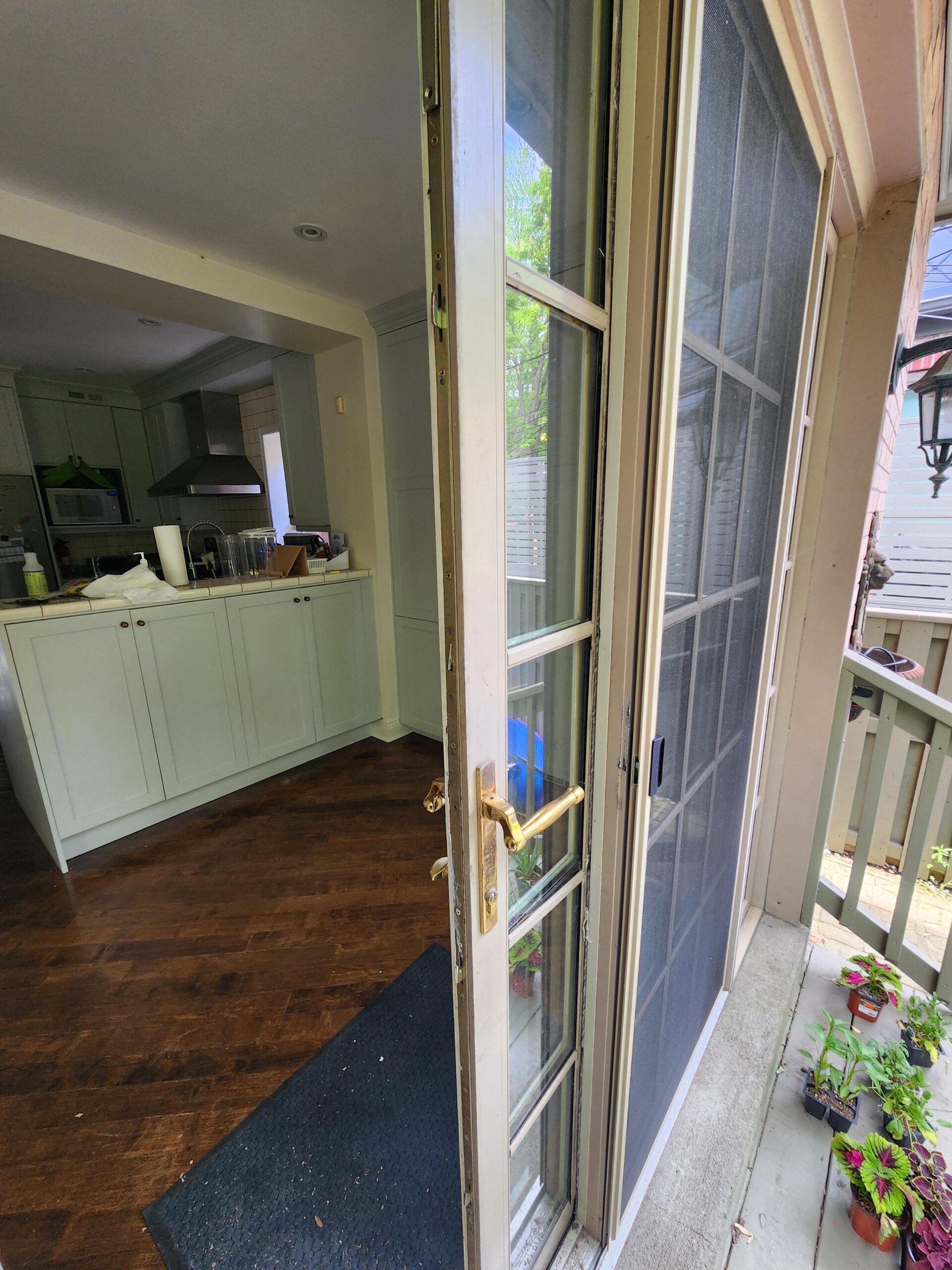
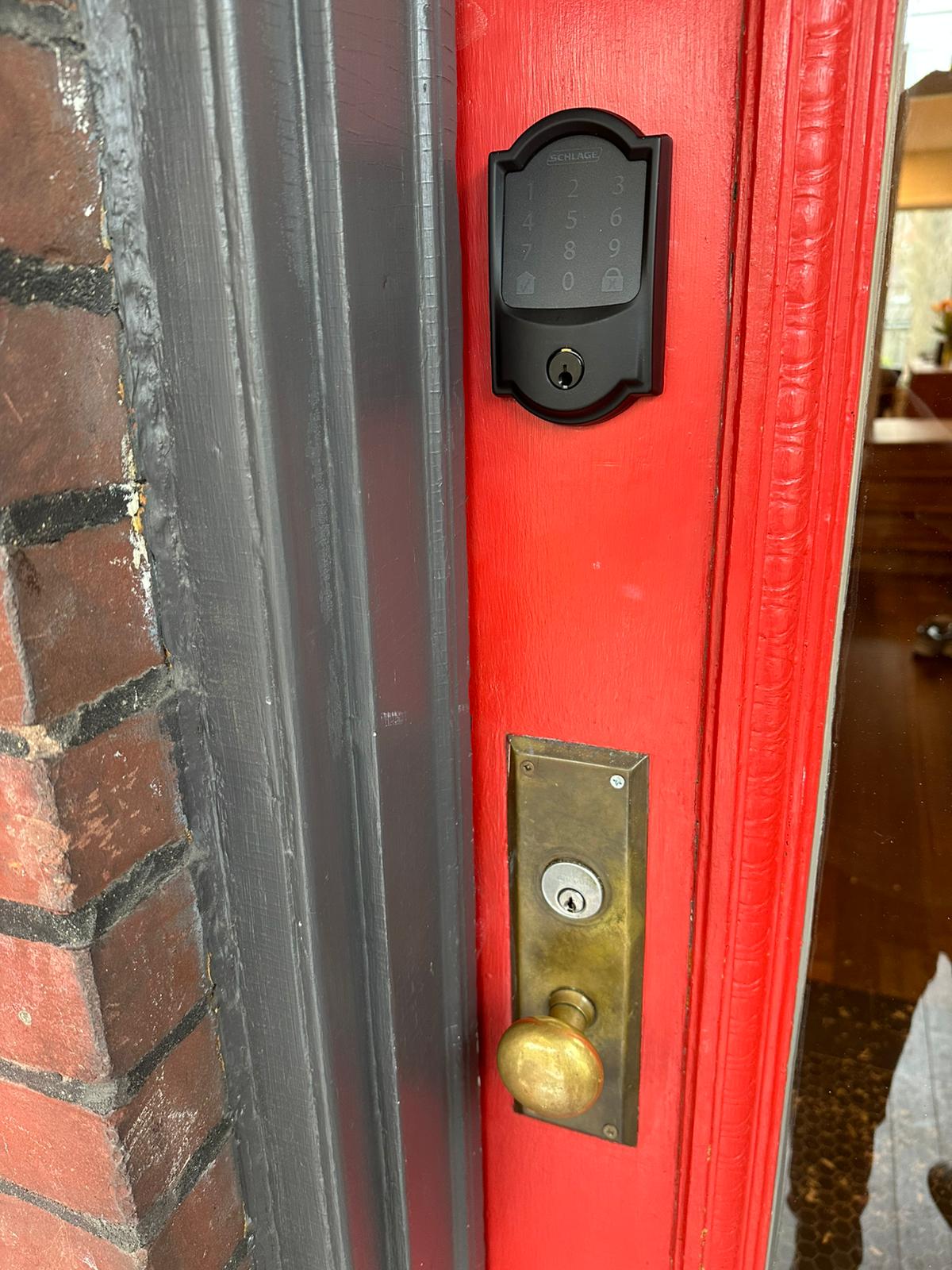
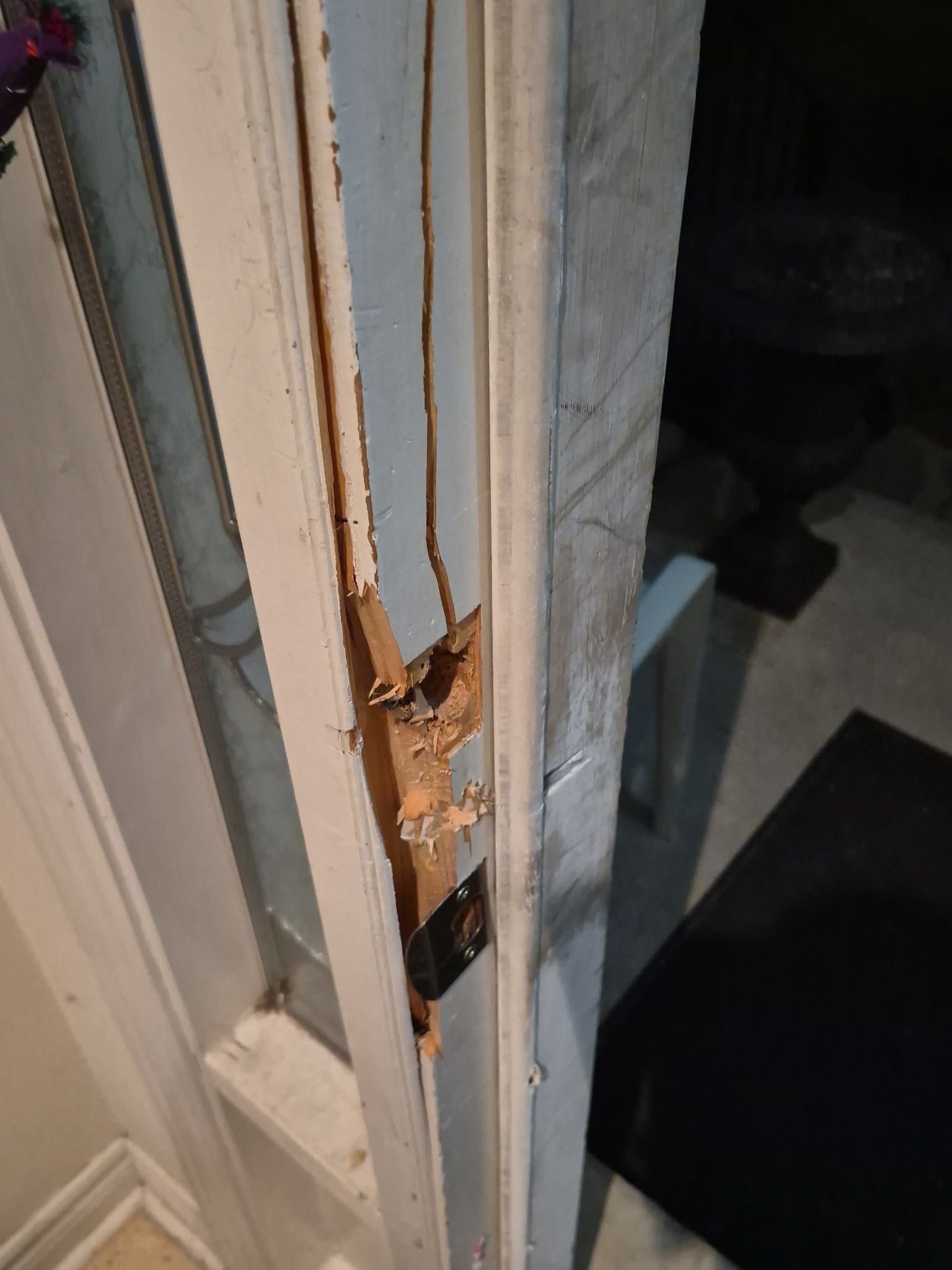
Photographs from GTA Lockman Mobile Locksmith Services work across Toronto and the GTA. Send a picture of your own door and we can tell you what the visit would involve.
Arrange the work for a time when you have the authority and access needed to approve it. If the move involves a rental or managed unit, obtain the relevant approval and clarify any required key arrangements. The locksmith's job is the authorized mechanical change, not a determination of possession or tenancy rights.
Tell the service contact if movers, contractors or other authorized people will be using the entrances during the appointment. Decide who can approve additional work if a damaged component is found. A clear point of contact helps keep a move-in visit from becoming a series of conflicting instructions from different people.
If keys have actually been stolen rather than simply inherited, explain that circumstance and identify every affected opening. Our stolen-key rekeying page addresses that access review. Avoid publicly sharing key photographs or address labels while trying to organize the missing set.
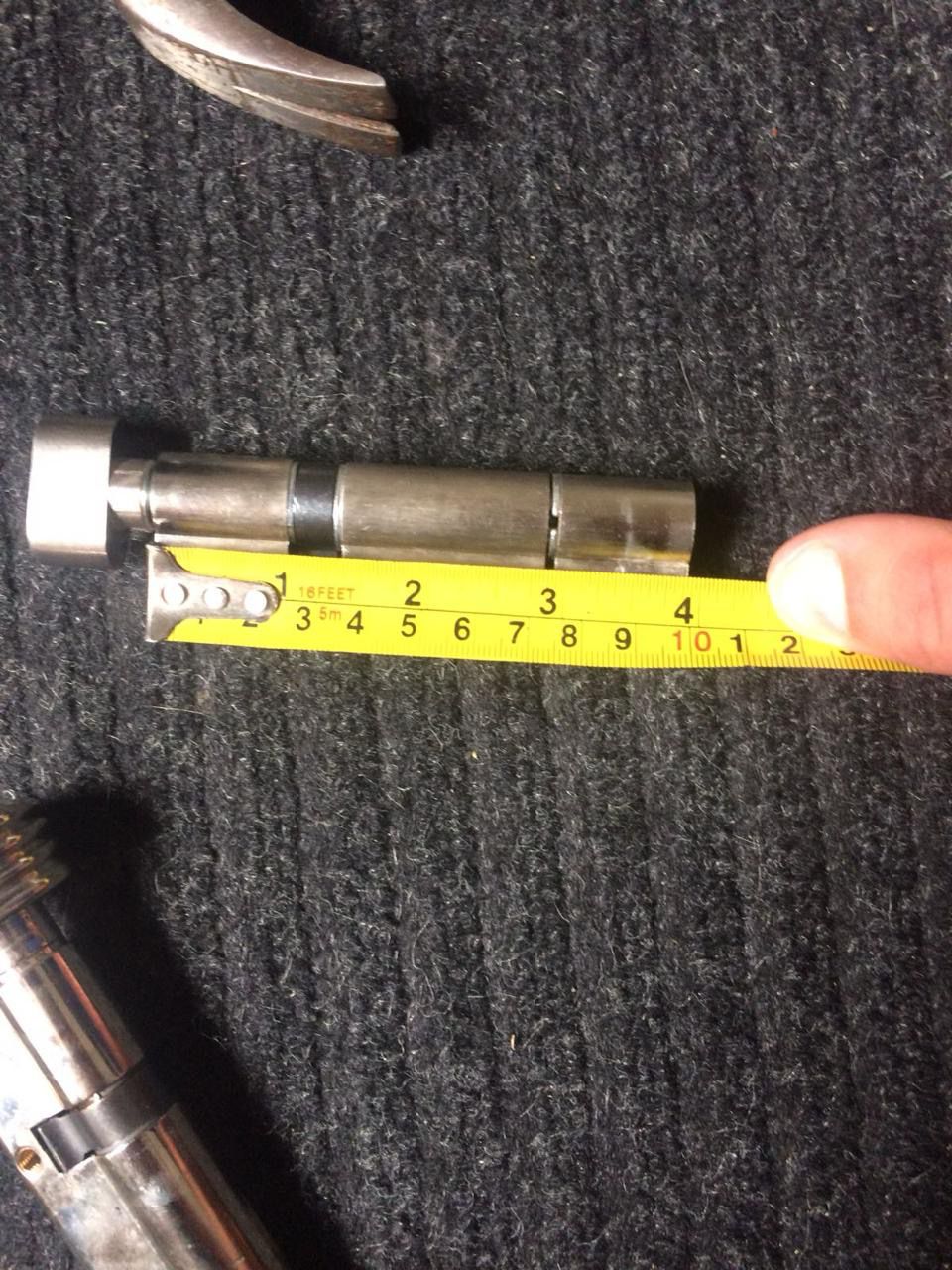
Test each supplied key in each serviced cylinder. The key should enter and operate smoothly under normal conditions. Check the lock with the door open and then closed, including normal latching and interior release. A new key that works only when the door is pulled tightly indicates a condition that still needs assessment.
Where an old authorized sample key is available, check the intended change in its operation at the serviced locks. Keep the record limited to the openings actually included. If another door remains on its old key, mark it separately instead of describing the entire property as rekeyed.
Count new keys and establish a private spare-key arrangement. Retain model details and any duplication requirements with the invoice. Our residential locksmith service covers other door concerns found during a move, but those should be recorded as distinct work items. The value of the handover is knowing what changed, what remains and how the household should manage access afterward.
Write down each exterior opening and the people who should use it. A front and rear door may sensibly share a key, while a separate rental area or workshop may need its own access boundary. Include doors reached through an attached garage rather than assuming the vehicle entrance is the only relevant opening.
This list lets the locksmith compare your intended arrangement with the installed cylinders. If one lock cannot join a compatible group without replacement, you can make that decision knowingly. You may choose to retain a separate key or approve suitable hardware instead. After the work, label your private record by door location and test the resulting groups. Do not assume that a key working at the front entrance proves the same key was configured for every door on the list. The purpose is a documented arrangement, not merely a new set of keys handed over without context.
Keep reading
Where the cylinder is suitable and the hardware is in good condition, rekeying can change the operating key while retaining the visible assembly. The technician still needs to identify the product and inspect its condition. Some integrated, damaged or unsupported cylinders may require replacement instead. Explain which finishes you want to preserve, but separate that preference from the mechanical assessment. A retained handleset should operate properly and remain appropriate for the door. Ask for a clear explanation of the parts being serviced so you know whether the proposal is rekeying, cylinder replacement or a larger hardware change.
Where the cylinder is suitable and the hardware is in good condition, rekeying can change the operating key while retaining the visible assembly. The technician still needs to identify the product and inspect its condition. Some integrated, damaged or unsupported cylinders may require replacement instead. Explain which finishes you want to preserve, but separate that preference from the mechanical assessment. A retained handleset should operate properly and remain appropriate for the door. Ask for a clear explanation of the parts being serviced so you know whether the proposal is rekeying, cylinder replacement or a larger hardware change.
It changes the key arrangement at the cylinders included in the service. Keys to an untouched side door, mailbox or padlock are unaffected. A building fob or electronic code also remains a separate access item. Make an inventory before the visit and identify which openings share the previous key. The completed record should list the changed cylinders and any exclusions. If you want to address all inherited household access, that broader goal needs to include mechanical and electronic items rather than relying on a single front-door rekey to represent the whole property.
Brand names alone do not establish compatibility. The actual keyway, cylinder design and available parts determine what can be keyed together or serviced. Products sold under one brand may have different formats, while some compatible arrangements can span selected products. Send clear photographs and any model references, then let the assessment establish the options. If a one-key arrangement requires additional hardware, compare that change with retaining separate keys. Rekeying for new ownership and consolidating several locks onto one key are related goals, but they are not always the same job.
The stiffness deserves its own diagnosis. A worn key, damaged cylinder, binding bolt or misaligned door can create similar complaints. Changing the key combination does not automatically repair those conditions. Tell the technician whether the resistance occurs with the door open, closed or both, without forcing the mechanism to test it. The proposed work may combine rekeying with repair, or it may identify a component that should be replaced. Ask which action addresses key control and which addresses the operating fault so the completed result can be checked against both objectives.
Bring that key to the appointment and explain which doors it operates. Also identify any openings for which no key was supplied. The presence of one working key does not establish how many copies exist, which is one reason a new owner may choose a new key arrangement. Missing keys can affect access to a cylinder and the service required. Do not attempt to remove a locked mechanism based on instructions intended for an open door. Establish authorized possession and let the locksmith assess the accessible hardware before deciding how each opening should be handled.
The physical service can be similar for some products, but a managed building may impose requirements on the key system and entrance hardware. Ask management what applies before approving work or purchasing parts. A unit entrance may need to retain an authorized management relationship, and a common-area credential is usually a separate matter. Provide the existing product information and explain the move-in timing. The final arrangement should be documented with the appropriate representative so a new personal key does not unintentionally disrupt an agreed building access system or leave shared credentials unreviewed.
Base the number on authorized users and a deliberate spare arrangement. Consider who needs regular access and whether anyone should have access only to a separate door or area. Tell the locksmith before the work is finalized if compatible locks are intended to share one key. Record how many keys were supplied and who receives them, keeping the record private. Avoid making extra copies without a purpose simply because the household previously had many. The move-in service is a useful point to establish an access plan that is understandable and easier to maintain later.
Each new key should operate the intended cylinder, and the door should lock and release normally after assembly. Testing with the door open helps confirm the key mechanism before closed-door operation is checked. Where an old sample key is available, it can be included in verification of the changed combination. Check every included opening, not just the first door serviced. The handover should also identify mechanical concerns that were outside the rekeying scope. A new key that turns correctly does not by itself prove that a worn latch or misaligned strike has been repaired.
Describe the door, hardware and service address. Contact GTA Lockman Mobile Locksmith Services to confirm the scope and scheduling for your location.