Locksmith services are always 10% off for seniors.
Open Mon–Thu 8:30 AM–9 PM, Fri 8:30 AM–4 PM, Sun 9:30 AM–9 PM
Locksmith services are always 10% off for seniors.
Open Mon–Thu 8:30 AM–9 PM, Fri 8:30 AM–4 PM, Sun 9:30 AM–9 PM
GTA Lockman Mobile Locksmith Services · Toronto & GTA
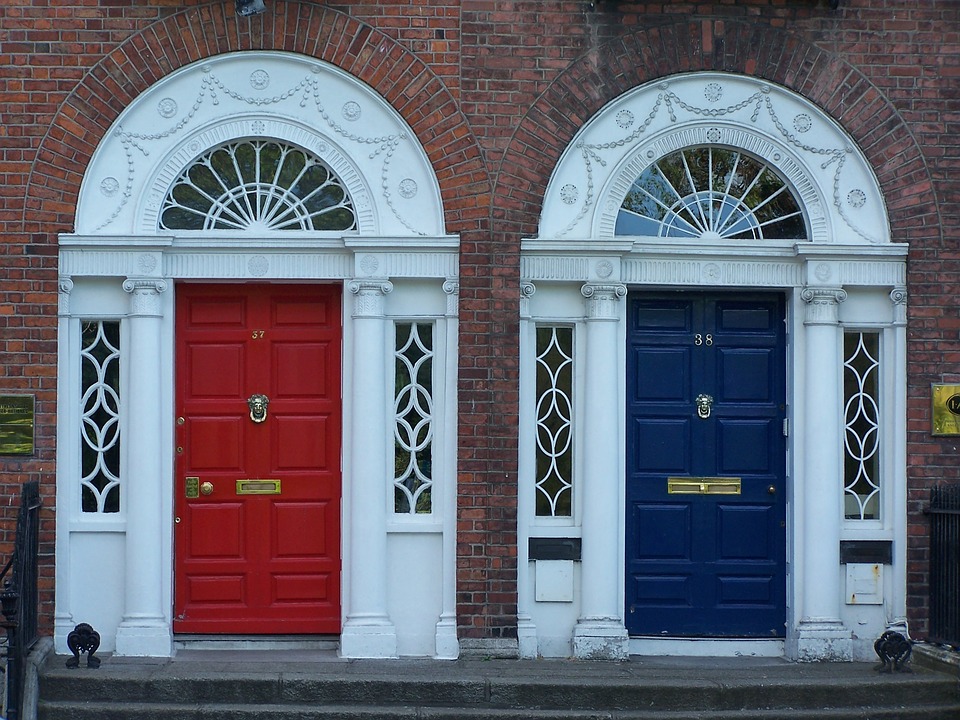
Showing keys, lockboxes, small pre-listing fixes and the rekey that should follow every closing.
Related services
Keep suitable hardware while changing which keys operate your new home’s locks.
Learn morePlan keyless entry around door compatibility, code management and a practical backup entry method.
Learn moreWhat to collect at closing, what the corporation controls, and when a suite cylinder may be rekeyed.
Learn moreWho can authorize lock work on an estate property, and what to do with keys, key safes and an empty home.
Learn moreKeep an empty property secure and accessible to the people entitled to enter it, through a quiet period.
Learn moreFind the reason a key sticks, a bolt binds or a latch fails before deciding what needs replacement.
Learn more
Selling a house means letting strangers in. Agents, buyers, inspectors, appraisers, stagers, photographers and contractors all need access, often when the owner is not home, and usually over several weeks. The keys to the house end up in more hands, in more places, than at any other time the owner lives there.
Most of the time that works smoothly. But it helps to think about where the keys go, how access is controlled and what happens to the locks after the sale.
In Ontario, listing agents commonly use a lockbox on the property during showings: a small secure box, often hung on the door handle or a railing, holding a key. Access is controlled by the brokerage's system or a code, and the box records or restricts who can open it depending on the type.
Electronic lockboxes typically log which authorised agent opened the box and when. Mechanical code boxes do not log anything, and their code can spread well beyond the people who need it.
Ask your listing agent which type they use, who can open it, and whether you can see a record of access.
Give one key to the lockbox, not your only spare. Cut a dedicated showing key so you are not left without a spare if it is not returned.
Lock away valuables. Jewellery, cash, medication, documents and small electronics should be locked away or taken off the property during showings. Most viewings are supervised by an agent, but not every visitor is watched every moment.
Secure other entrances. Showings focus on the front door, but back doors, patio doors and garage entries are sometimes left unlocked by a visitor. Check every door after each showing, or ask your agent to.
Change any codes. If the house has a keypad lock or garage keypad, set a temporary code for the listing period and delete it afterwards. Temporary codes are one of the most useful features of keypad locks.
Keep the house looking lived in. If you have moved out before the sale closes, the checks made for vacant homes apply: lights on timers, mail collected, doors checked.
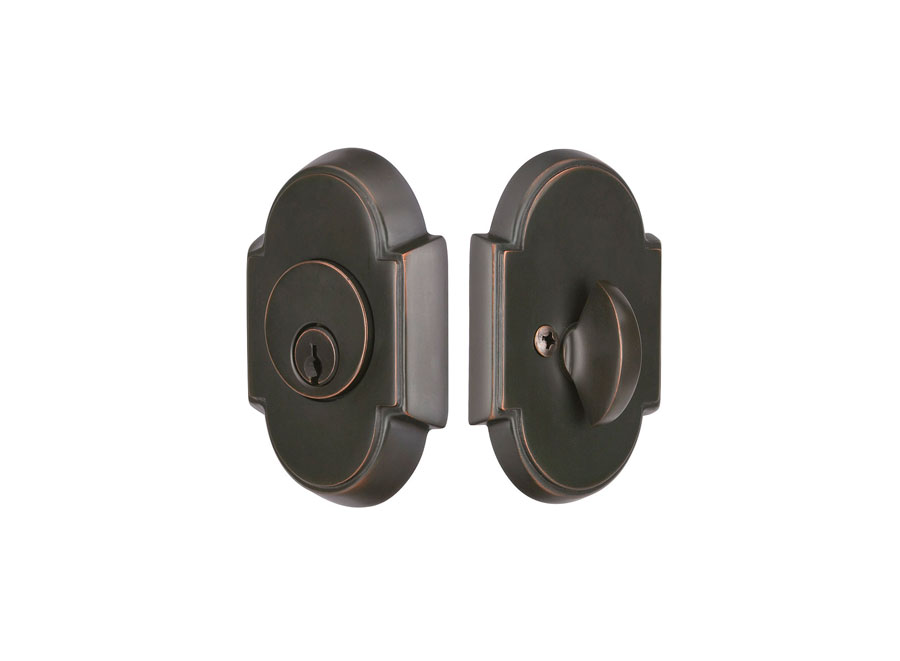
Buyers notice doors. A front door that sticks, a deadbolt that needs the door pushed, a loose handle or a patio door that will not lock all suggest a house that has not been looked after, and home inspectors will note them.
Fixing them before listing is usually inexpensive:
A tidy front entrance with working, matching hardware helps the first impression, and replacing just the entrance hardware is a modest cost. Many of these jobs are ordinary lock repair.
Home inspectors check that exterior doors lock, that deadbolts throw fully and that doors between the garage and the house close properly. Buyers sometimes make repairs a condition of sale. Having a locksmith's invoice for recent work can answer those questions.
Photos
Photographs from GTA Lockman Mobile Locksmith Services work across Toronto and the GTA. Send a picture of your own door and we can tell you what the visit would involve.
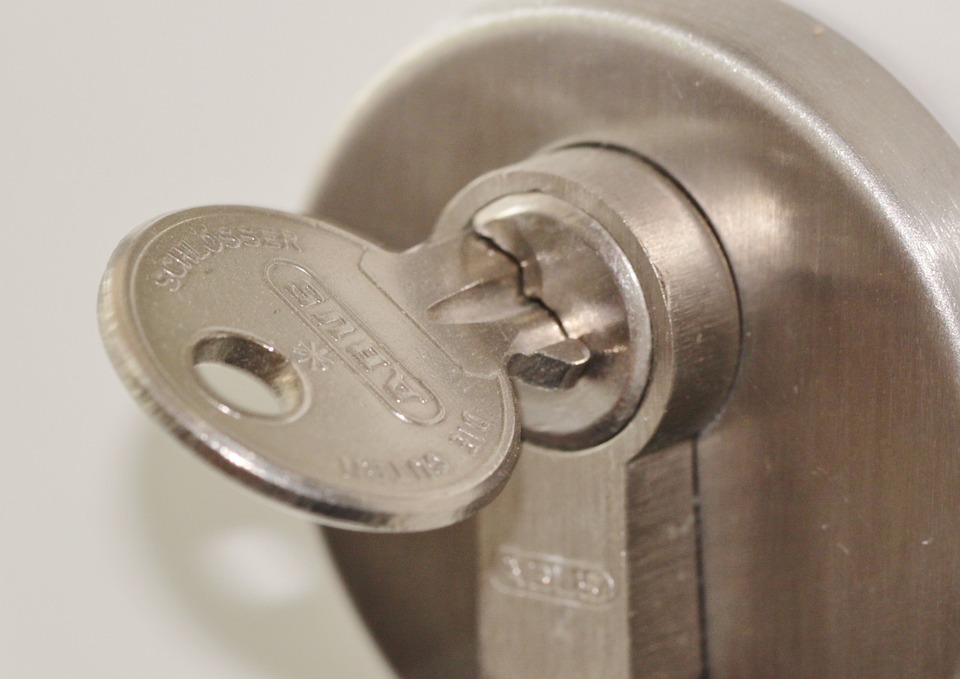
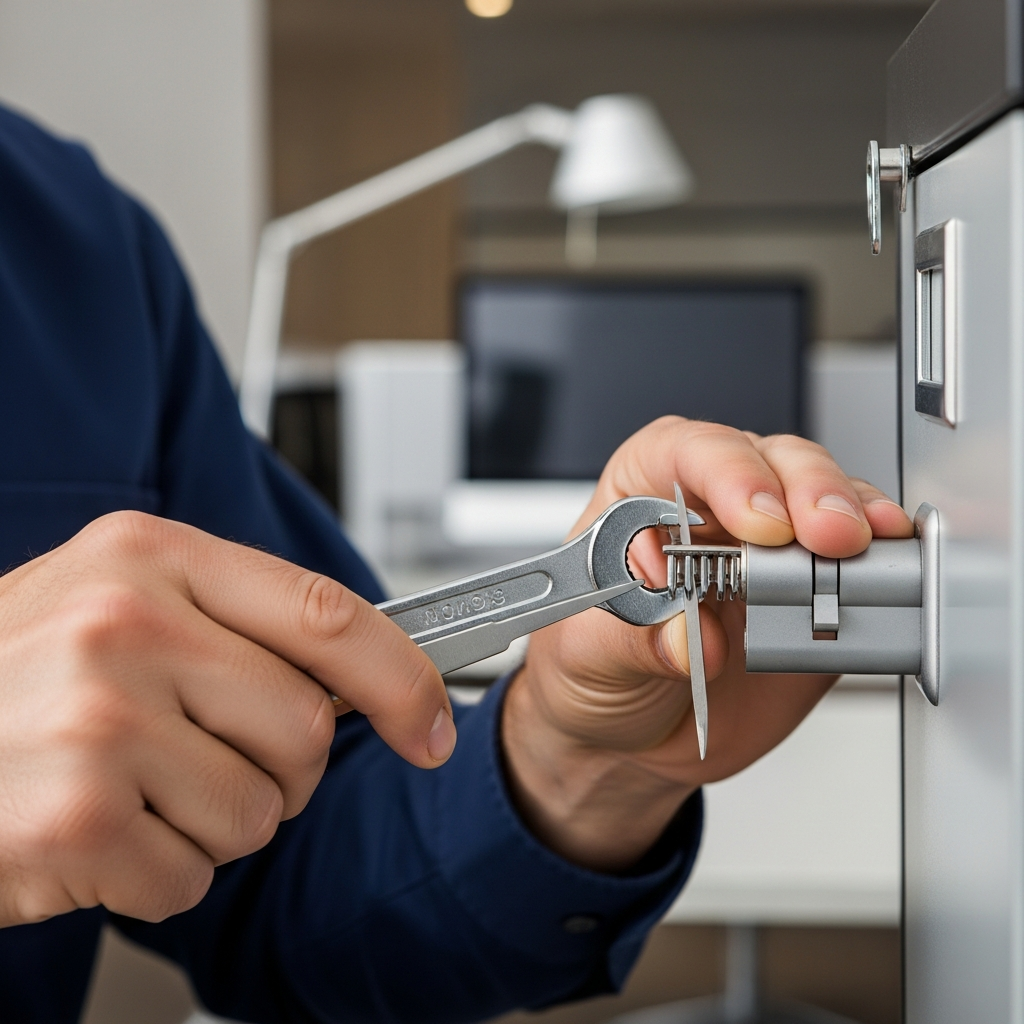
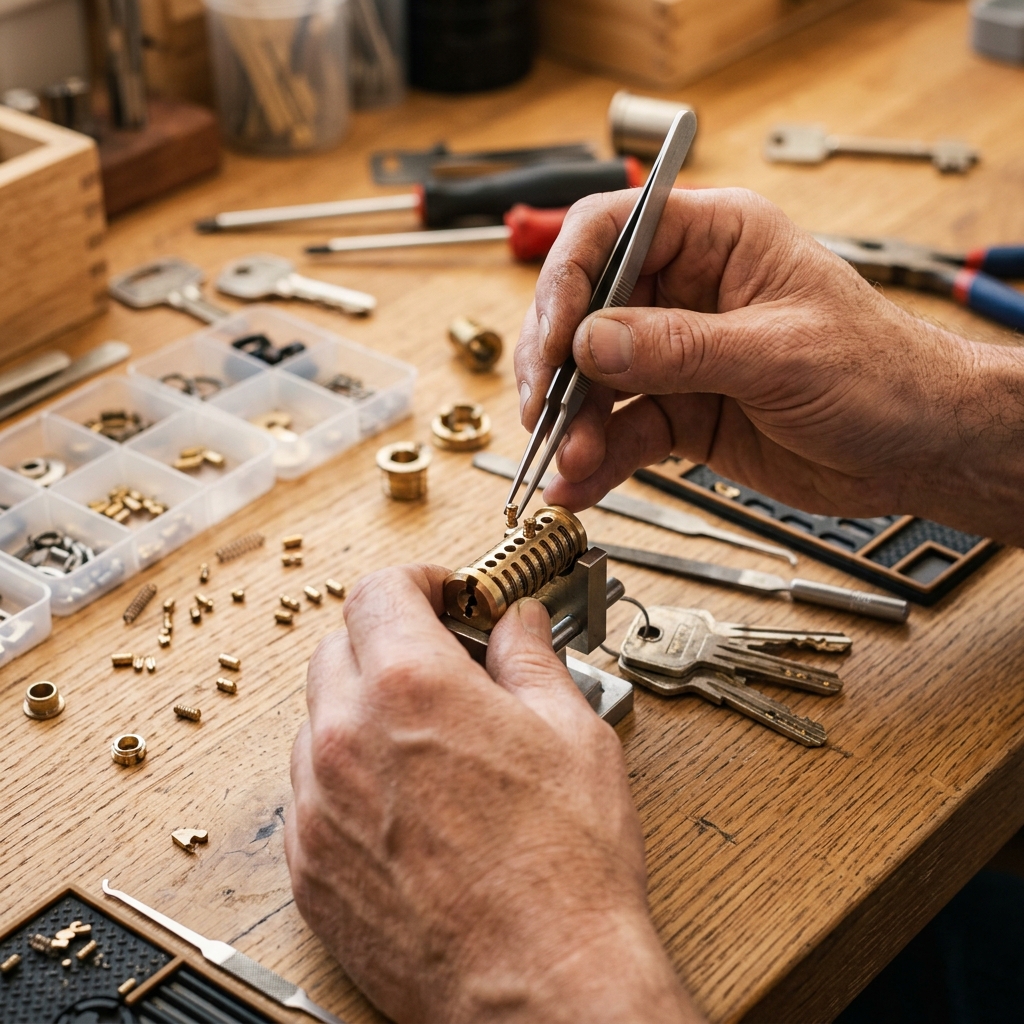
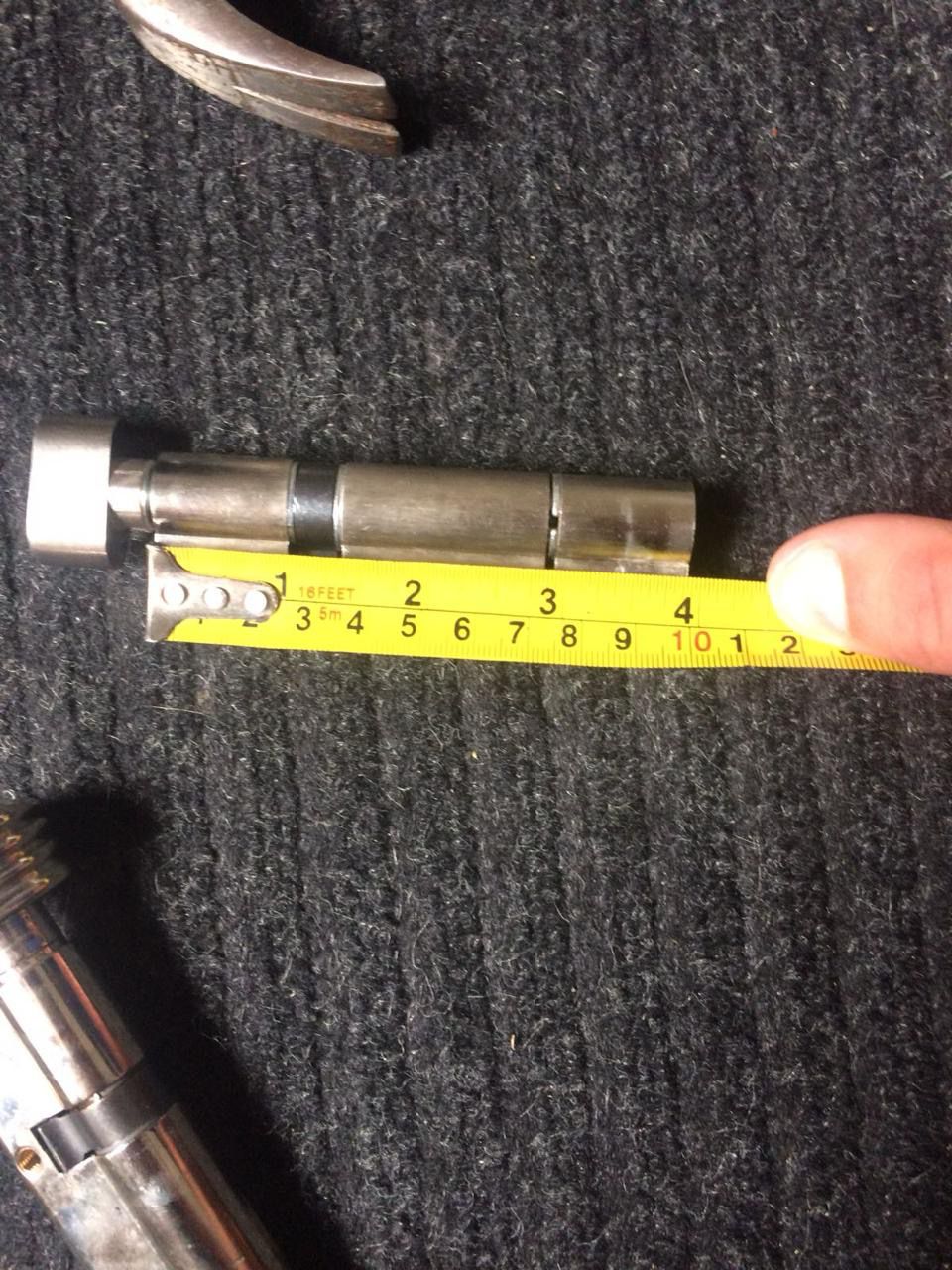
On closing, the seller hands over keys, usually through the lawyers or agents. Hand over every key you can find, garage door openers, mailbox keys, and any codes, and tell the buyer how many keys exist, as far as you know.
Remove the lockbox, or confirm the agent has. Delete your fingerprints and codes from any smart or fingerprint locks and reset them to factory settings, and remove your phone from any app linked to the locks or garage door.
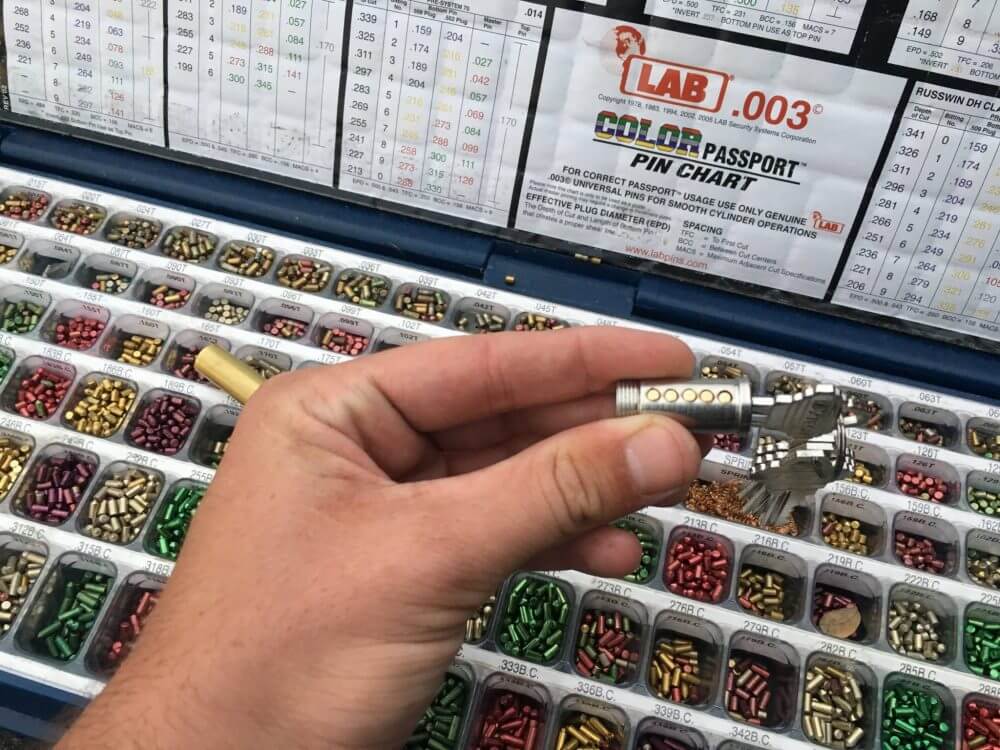
Nobody buying a house can know how many keys exist. Previous owners, their family, cleaners, contractors, neighbours and agents may all have had one, and a lockbox key may have been copied. Rekeying the exterior locks after closing costs little and ensures only the new owners hold working keys. Rekeying house locks after moving takes one visit and keeps the existing hardware.
Condominium buyers have extra items to collect and check, including fobs, mailbox and locker keys and building rules about the suite door, and a separate checklist applies to buying a condo.
When a house is sold by an estate, the executor or trustee is responsible for access. Keys held by family members, caregivers and neighbours are often scattered, and it is common to change or rekey the locks early in the process so the executor knows exactly who can get in. The steps are similar to those for locks after a death in the family.
Pets complicate showings. A dog loose in the house may frighten visitors or get out through a door left open, and some owners leave pets crated or take them out during showings. If a pet door is fitted, lock it during the listing period, both to keep the pet in and because an unlocked pet door is an easy way into an empty house.
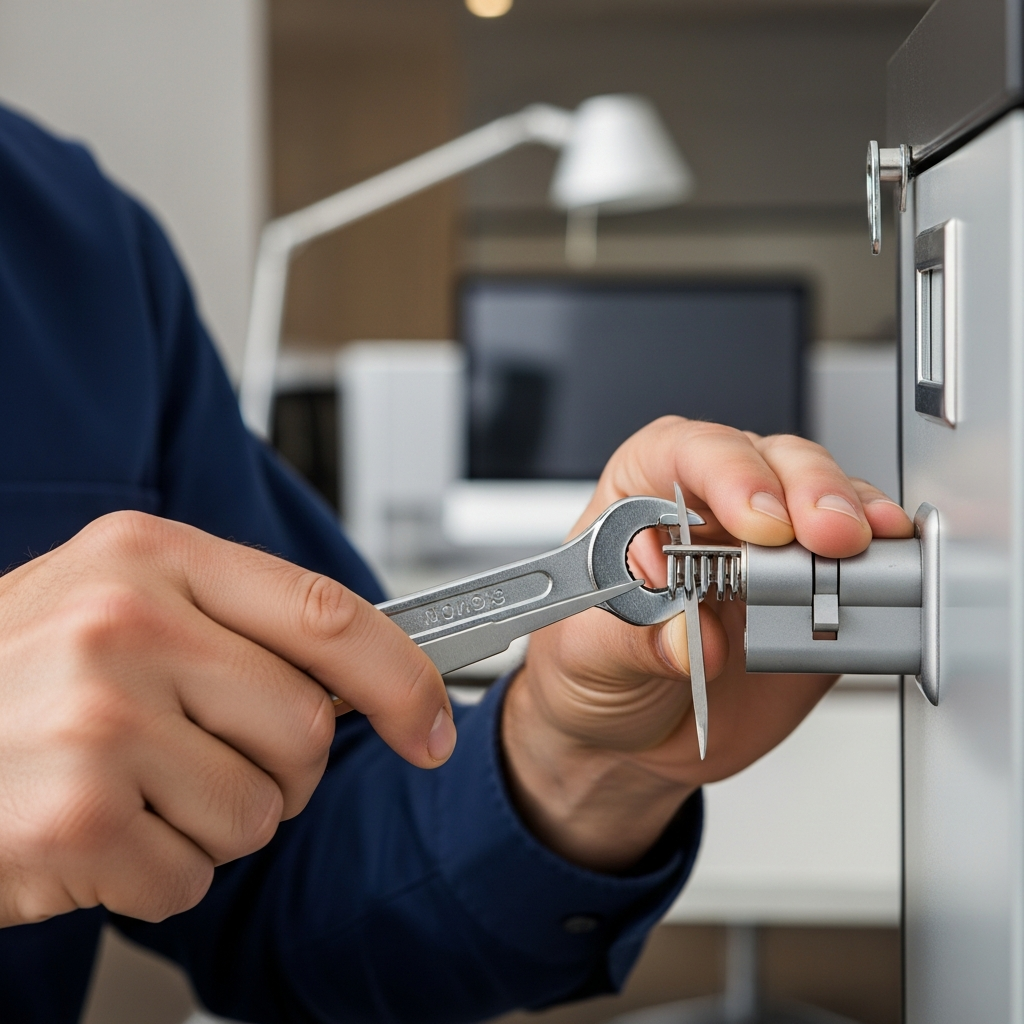
Buyers expect every key the house uses at closing. That includes the garage side door, any shed or outbuilding padlocks, the mailbox, and any window locks with keys. Gather them before listing and label each one, so the handover is complete. Where a key has been lost, rekeying or replacing that lock before closing avoids the buyer discovering a door nobody can open.
A keypad lock on the front door is useful during a sale, because a temporary code can be given to the listing agent and deleted afterwards. Garage door keypads and opener remotes are handled in the same way through the opener's settings. Keep a note of every code you set for the listing period and remove them all before closing.
Buyers usually have a final visit before closing. Before it, check that every exterior door closes and locks, that the keys you are handing over actually work, that any smart lock has been reset, and that the lockbox has gone. A short list, ticked off, avoids a phone call on closing day asking which key opens the back door.
For buyers, the first week in a new house is a good time to deal with the locks. Rekey or replace the exterior locks, change the garage door opener codes and reprogram the remotes, reset any smart locks to your own codes and app, and count the keys you now hold. If the house has a mailbox key or a community mailbox, check with Canada Post or the building about changing it. Keep a list of who you give spare keys to from the start.
Walk around the house before the listing photographs are taken and check:
Anything that fails the check is usually a small repair, and fixing it before an inspection avoids it appearing on a report.
In a condo sale, the seller hands over suite keys, fobs, mailbox and locker keys, and sometimes parking remotes. Fobs are programmed by the building, so the buyer will usually need to register them with management. Suite door hardware may be subject to the corporation's rules, so any changes before sale should be checked with management first.
When a house with tenants is sold, the tenants keep their rights under their tenancy, including privacy and proper notice before showings. Landlords selling a tenanted house should agree showing arrangements with the tenants rather than using a lockbox key to walk in. If the buyer takes over the tenancy, the tenants' keys continue to work; if not, the tenancy ends only in the ways the law allows, and the locks are dealt with once the tenants have left.
A house that sits empty for months during a sale needs the same attention as any vacant property: lights on timers, mail and flyers collected, snow cleared, doors checked regularly, and heat maintained through the winter. An empty house with a lockbox on the door is an obvious sign that nobody lives there, so a lockbox mounted discreetly, and regular visits from someone the owner trusts, both help.
Painters, cleaners, stagers and handymen often work in a house before it is listed. Rather than handing each of them a copy of the house key, give access through a temporary keypad code or a lockbox with a code you change when their work is done. That keeps the number of keys in circulation down, and it means the keys handed to the buyer at closing are the only ones that should exist.
Older homes often have locks from several decades, keys that nobody can identify and doors that have not been locked in years, such as a side door to the garage or a basement walkout. When rekeying after closing, include every exterior door, even the ones the previous owners never used.
Before listing, tell us which doors are sticking, loose or not locking, and whether you want the entrance hardware refreshed. After buying, tell us how many exterior doors there are and whether you want one key for all of them.
We can adjust and repair doors before a sale, cut showing keys, set temporary codes on keypad locks, and rekey every exterior lock after closing. Other work around the house comes under our residential locksmith services.
Keep reading
Lockboxes are standard in Ontario real estate. Electronic boxes used by brokerages usually log which authorised agent opened them. Mechanical code boxes do not log access, so ask your agent which type they use.
Lockboxes are standard in Ontario real estate. Electronic boxes used by brokerages usually log which authorised agent opened them. Mechanical code boxes do not log access, so ask your agent which type they use.
Cut a dedicated key for showings instead, so you still have a spare if the showing key is not returned.
Jewellery, cash, medication, important documents and small electronics. Most viewings are supervised, but not every visitor is watched at every moment.
It is usually worth it. Sticking doors, loose handles and deadbolts that need the door pushed catch buyers' attention and inspectors' notes, and the fixes are generally inexpensive.
Delete your fingerprints and codes, reset the lock to factory settings, remove it from your phone app, and give the buyer any instructions and master codes.
Rekeying the exterior locks is sensible. You cannot know how many keys the previous owners, their contacts or the listing process produced. Rekeying means only you hold working keys.
Usually. Rekeying changes the cylinder so old keys stop working while the lock stays in place. Replacement makes sense only if the hardware is worn or you want a different style.
The executor or estate trustee. Changing or rekeying the locks early in the process means the executor knows who has access while the house is prepared for sale.
GTA Lockman Mobile Locksmith Services is a mobile locksmith working on homes, businesses and vehicles across Toronto and the GTA, in the trade since 2010. Every review is written by a customer on Google, where you can read them in full.
Areas served: Toronto, North York, Scarborough, Etobicoke, Vaughan, Richmond Hill, Markham, Stouffville, Newmarket, Mississauga, Brampton, Oakville, Milton, Halton Hills, Pickering, Ajax, Whitby, Oshawa, Uxbridge.
Describe the door, hardware and service address. Contact GTA Lockman Mobile Locksmith Services to confirm the scope and scheduling for your location.