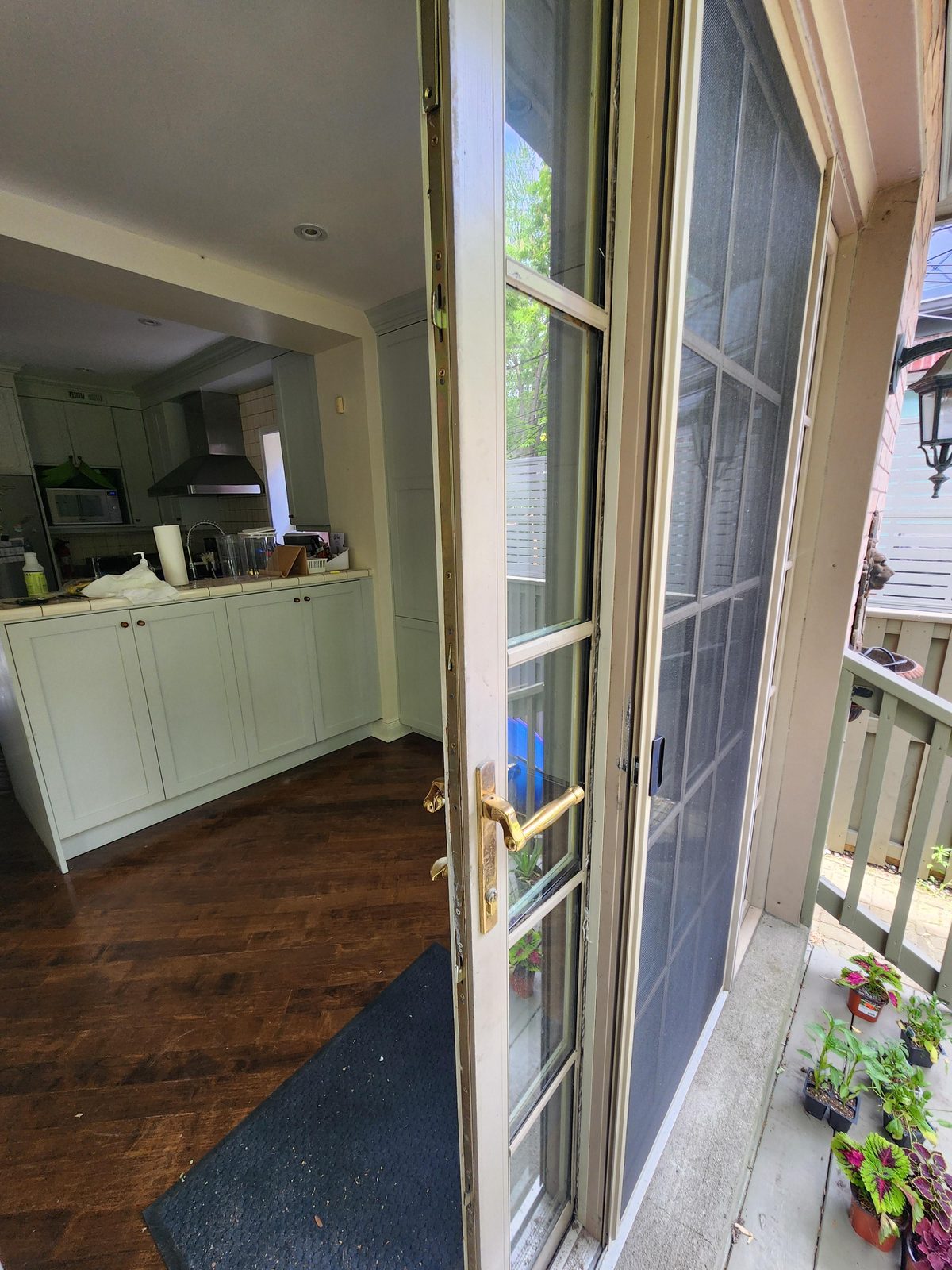
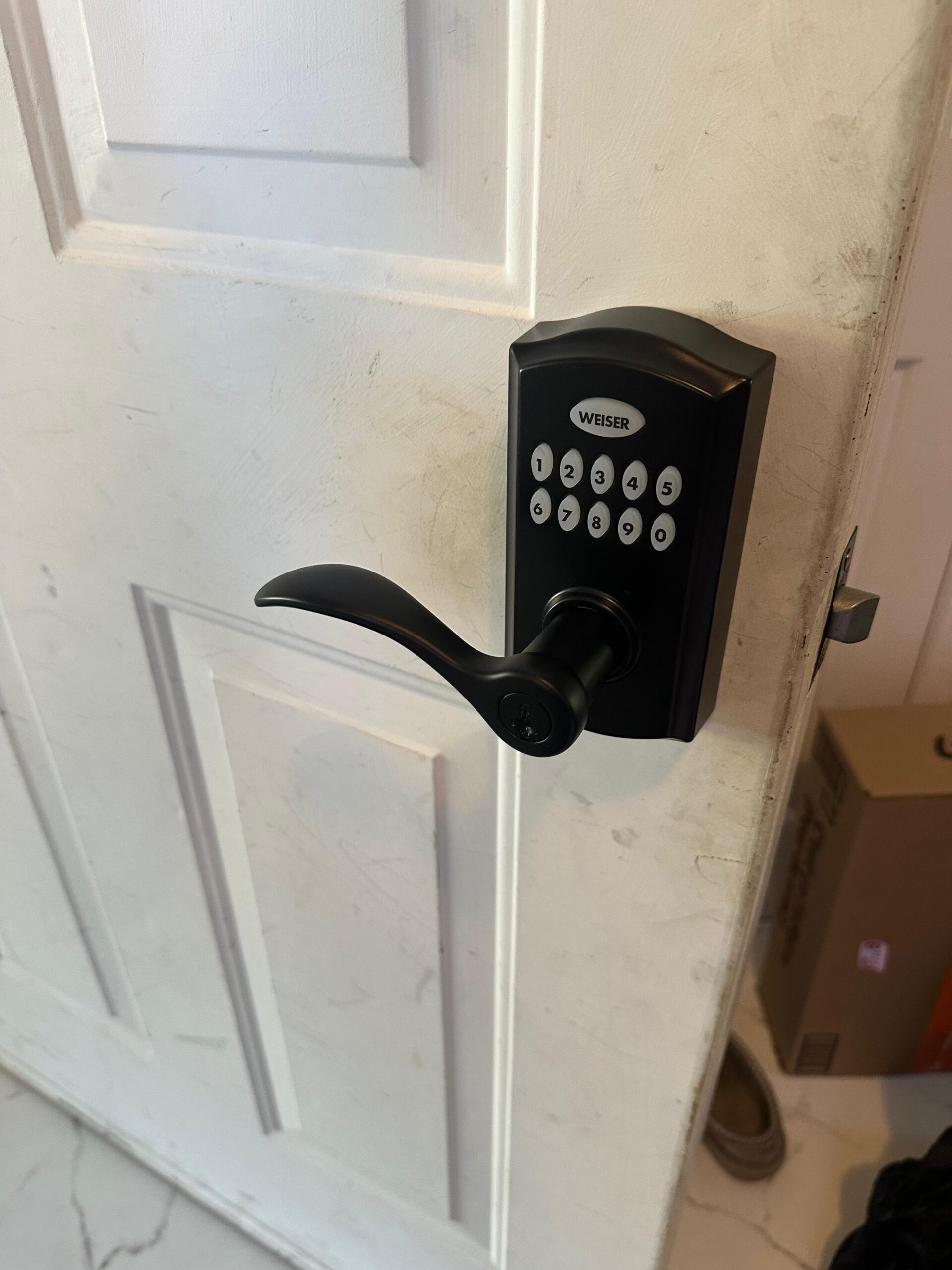
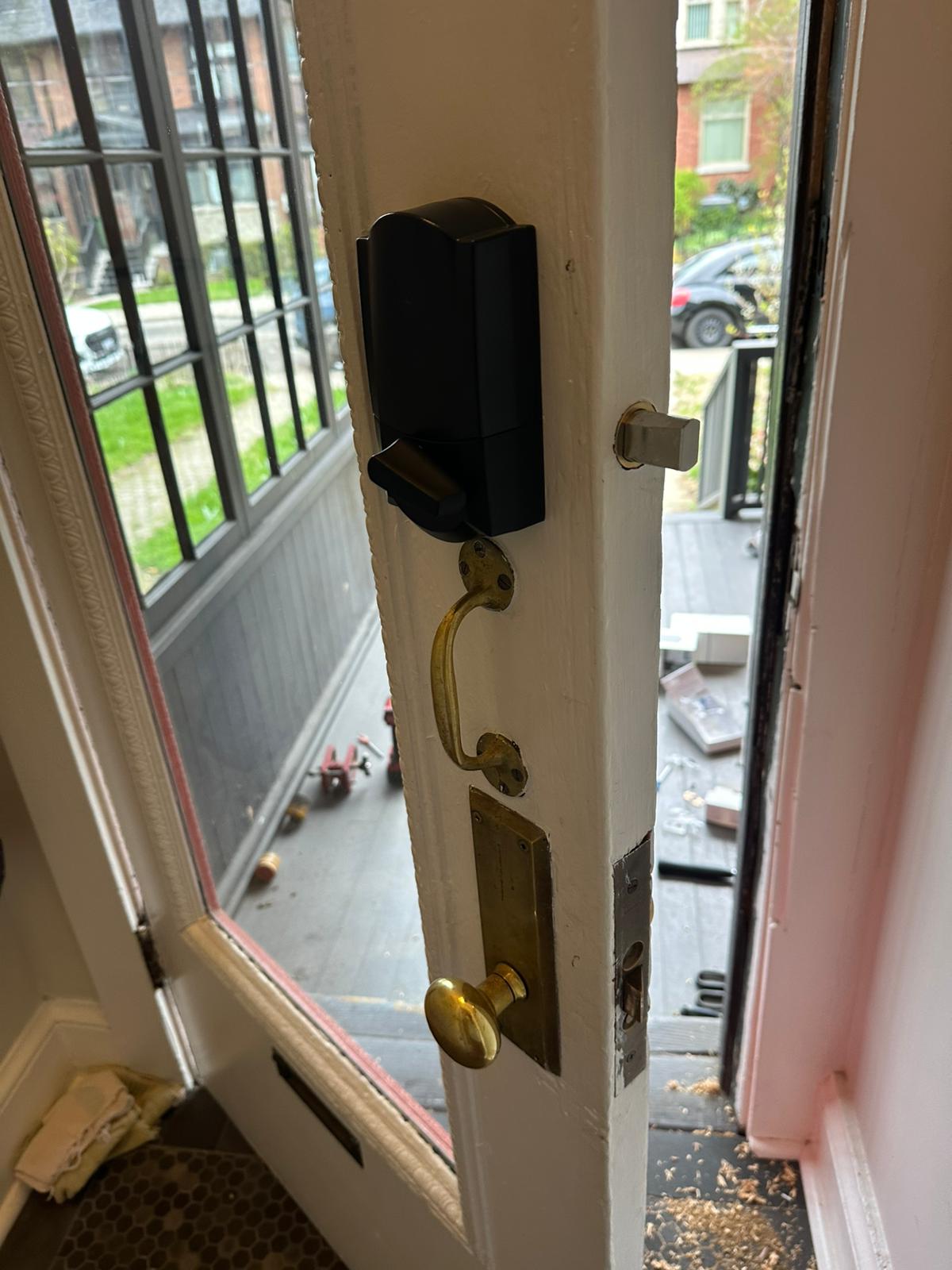
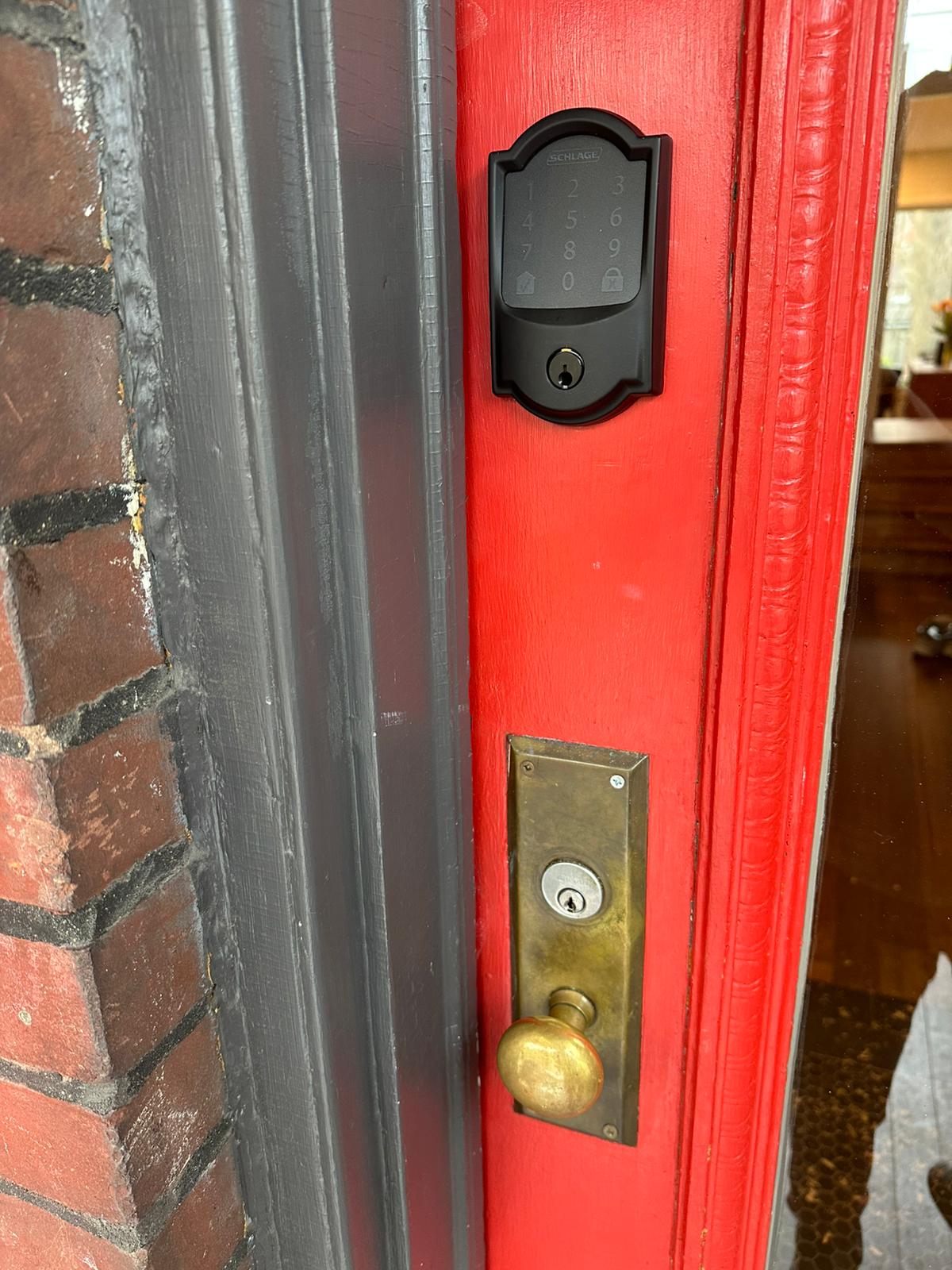
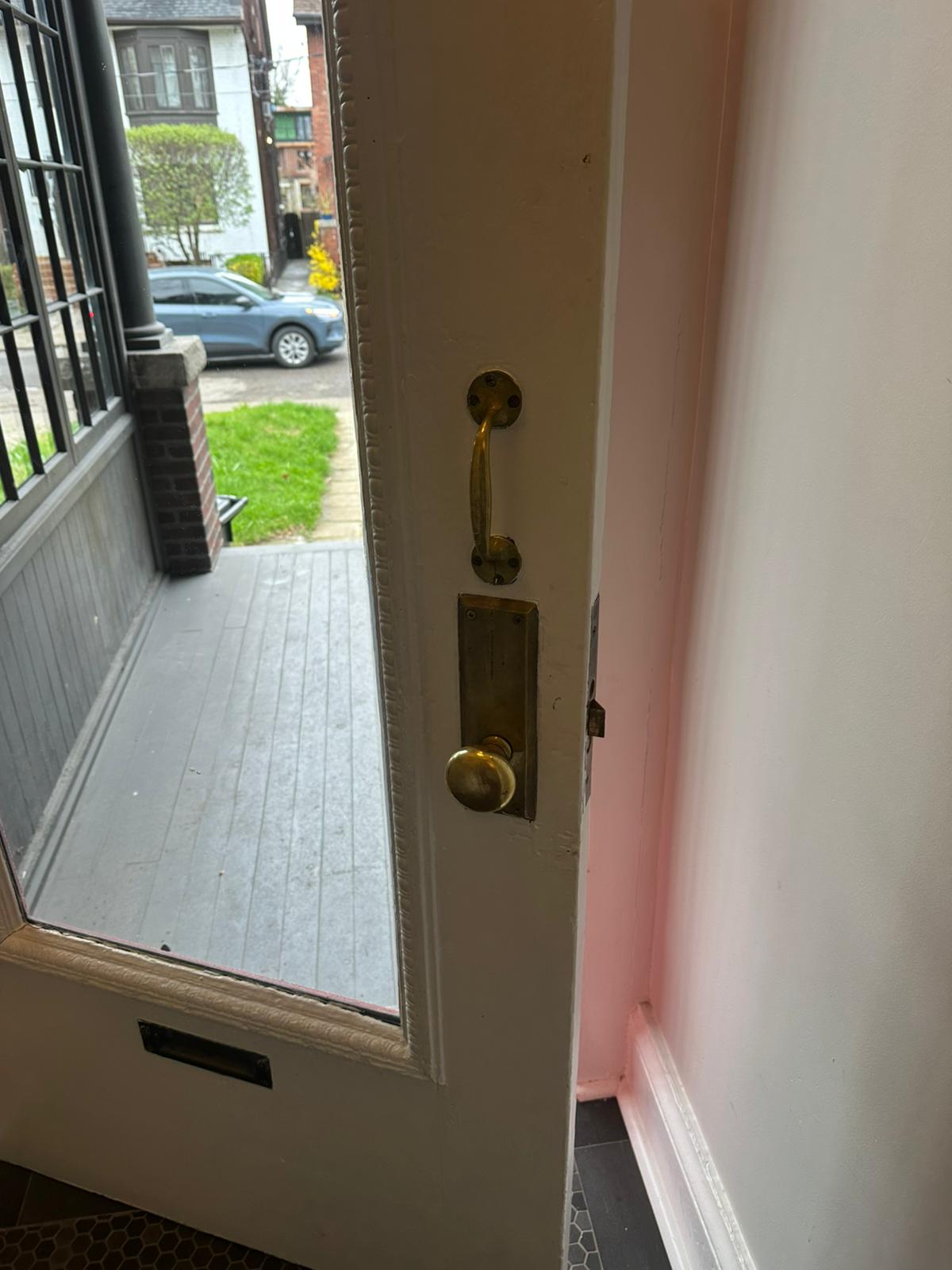
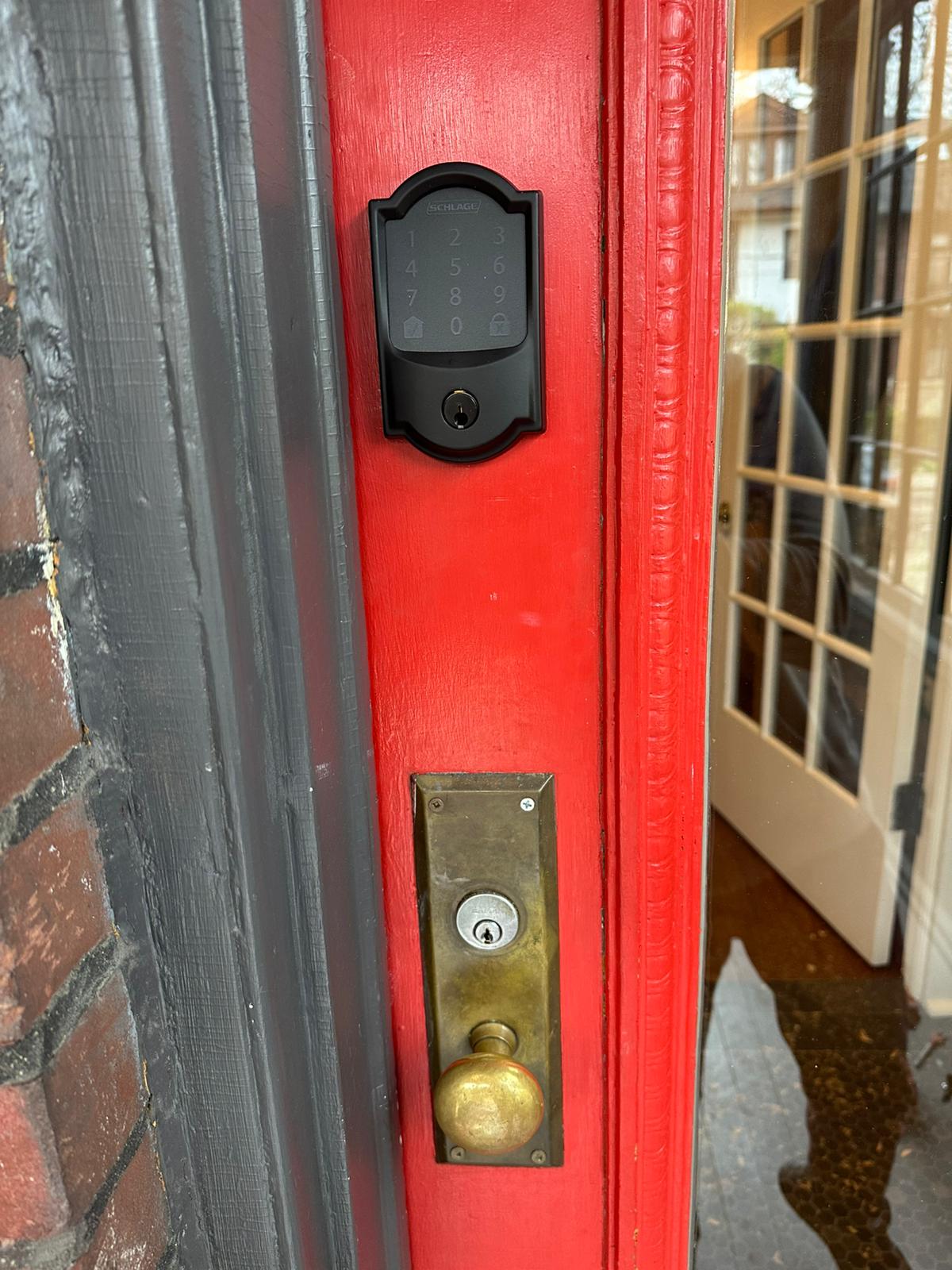
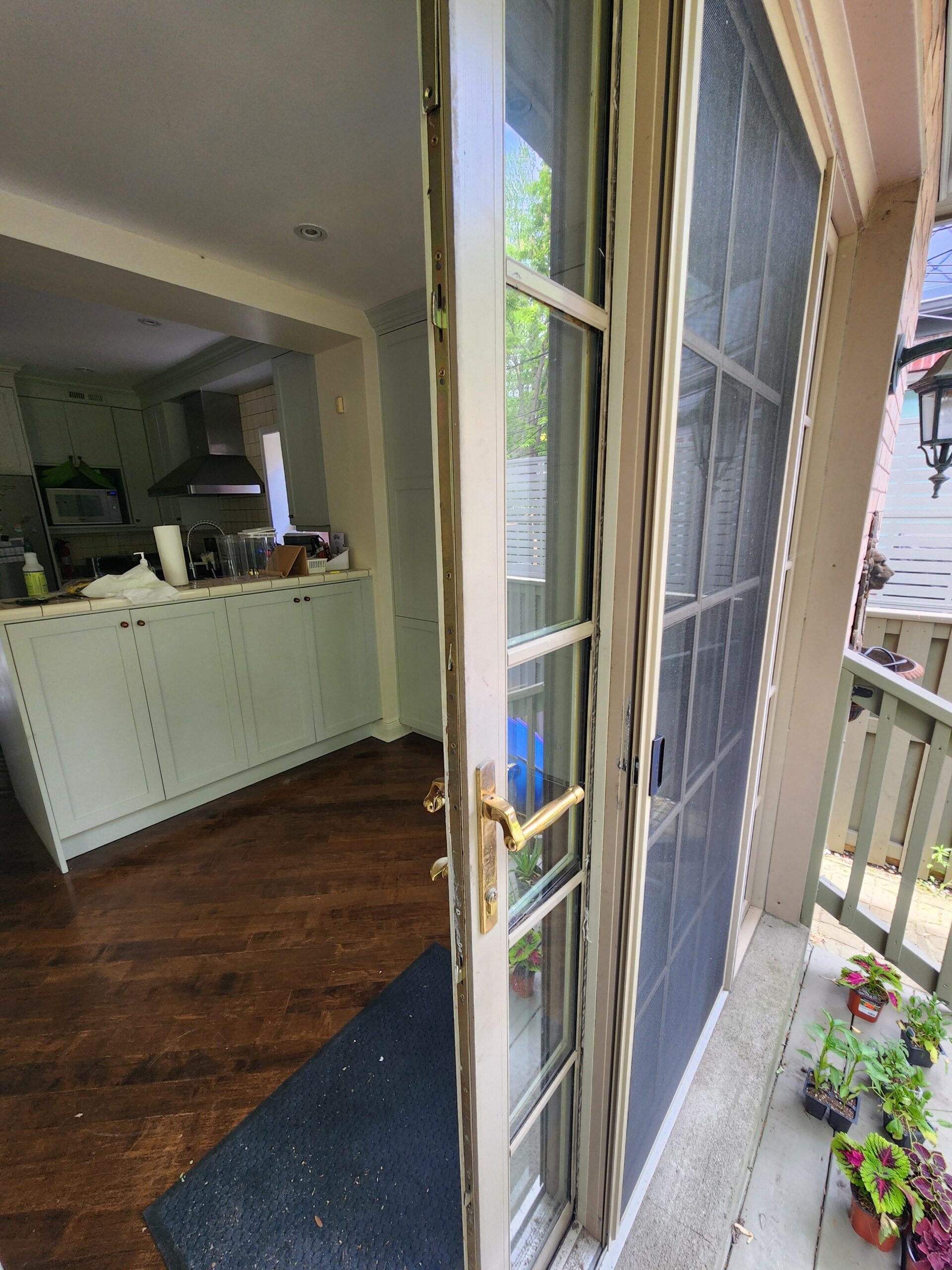
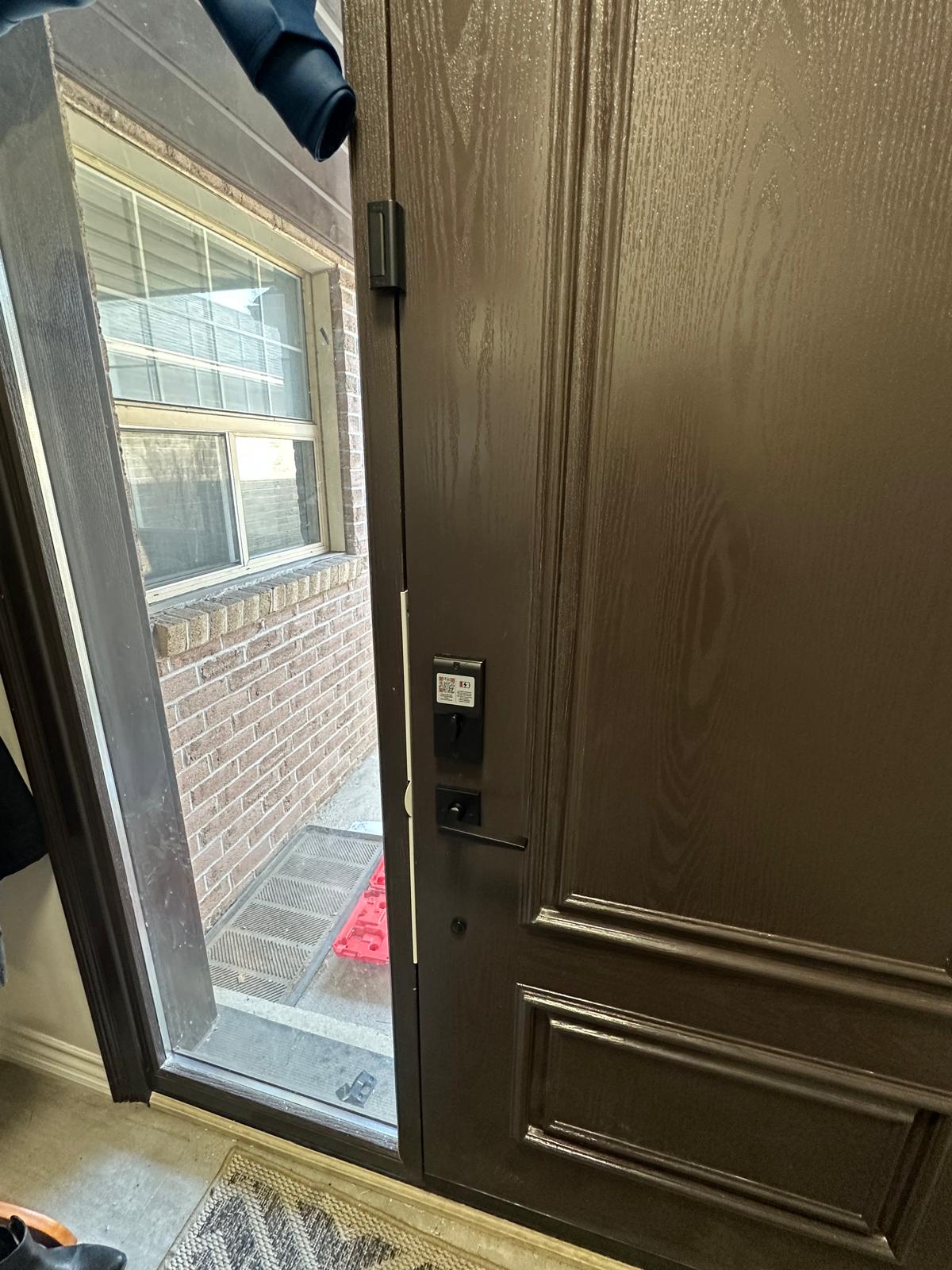
Occupational therapists and home care workers often notice when door hardware has become a barrier. Their observations about grip, reach and vision can help choose the right changes. If an occupational therapist has made recommendations, share them when you call so the hardware options match. Family members arranging the work should involve the resident in the decision, test the new hardware with them, and make sure they are comfortable using it before the technician leaves. A short demonstration of a keypad or new lock is often worth more than any feature list.
Changes can also be made gradually. Some families begin with lever handles on the most-used doors and a larger key for the front door, then add a keypad deadbolt later if it would help. Review the arrangement from time to time, particularly after a change in health or mobility, so the hardware continues to suit the person using it. An arrangement that worked well a few years ago may need adjusting as needs change, and small adjustments made early are usually easier for the resident to adapt to than a large change made in one step after a fall or illness. Ask the resident regularly how the doors are working for them, because small difficulties are easier to solve before they become reasons to avoid going out.
Businesses face the same grip and strength problems at their own doors, and lever handles, lighter closers and low thresholds are the basis of accessible entrances.