
GTA Lockman Mobile Locksmith Services · Toronto & GTA
Find out whether the key, the keyway or the cylinder is the problem before forcing a key that will not enter.
Related services
Remove a snapped key without damaging the cylinder, then find out why the key failed so the next one does not.
Learn moreFree a frozen lock without damaging it, and find out whether ice, alignment or batteries caused the problem.
Learn moreAuthorized entry to your home, followed by a look at why the lockout happened and whether the lock needs attention.
Learn moreRegain entry to a suite while respecting building rules, fire-rated doors and the access arrangements of the property.
Learn moreFind the reason a key sticks, a bolt binds or a latch fails before deciding what needs replacement.
Learn moreLock and door service for offices, shops and managed properties. Plan access around the way your business operates.
Learn more
A key that will not go into the lock is a different problem from a key that goes in but will not turn. If the key stops partway, or will not enter at all, something is blocking the keyway or the key no longer matches the lock's profile. The fix depends on which.
Before forcing it, look closely. Is the key the right one for this lock? Is it bent, worn or damaged? Is there anything visible in the keyway, such as dirt, ice, a broken piece of key, or something pushed in deliberately? Does another key for the same lock go in?
Forcing a key that will not enter can bend it, break it inside the lock or damage the pins. It is better to stop and work out the cause.
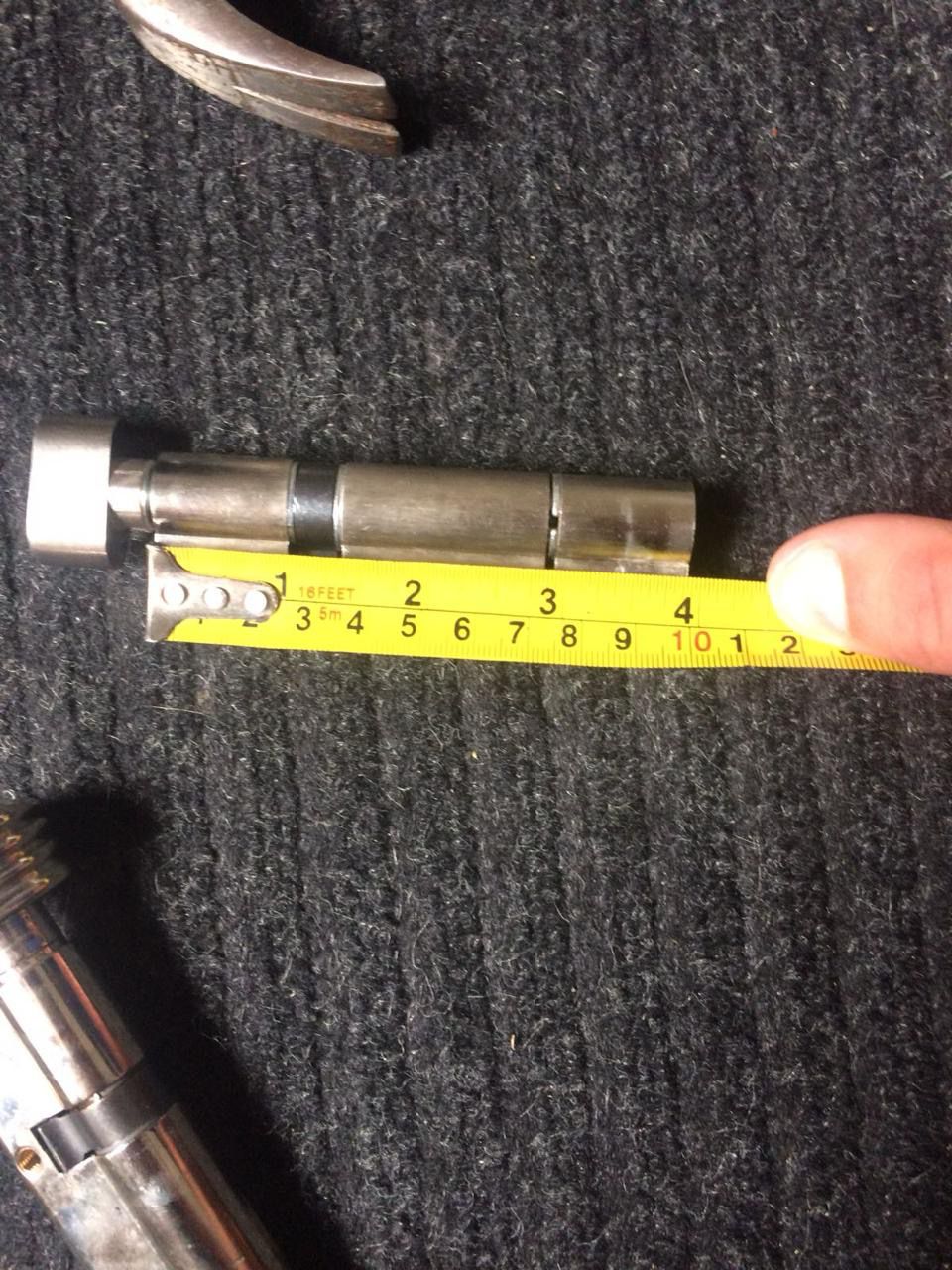
Keys wear and bend. A key carried on a heavy ring, used to pry things open or sat on in a pocket can bend just enough that it no longer slides into the keyway. Compare it with another key for the same lock, if you have one. Look along its length for a curve or a twisted blade.
A key cut from a worn copy, or cut on the wrong blank, may have a profile that does not quite match the keyway. It might have worked when the lock was loose and now catches. If a spare key goes in smoothly, the original is the problem, and a new key cut from a good original or by code is the fix.
Make sure it is the right key. Similar-looking keys for different locks are easy to mix up, especially after a lock change.
Dirt, grit and debris collect in keyways, particularly on exterior doors, mailboxes and padlocks. A small amount of dry lubricant and a few careful insertions of a good key can sometimes clear it. Do not use heavy oils, which trap more dirt.
In winter, ice in the keyway can stop the key. The page on frozen or stiff locks in winter explains how to thaw a lock without damaging it.
A broken piece of key left in the lock is a common cause. If a key broke recently, or if a previous key broke and was thought to be removed, a fragment may remain. The page on broken key extraction explains how it is removed.
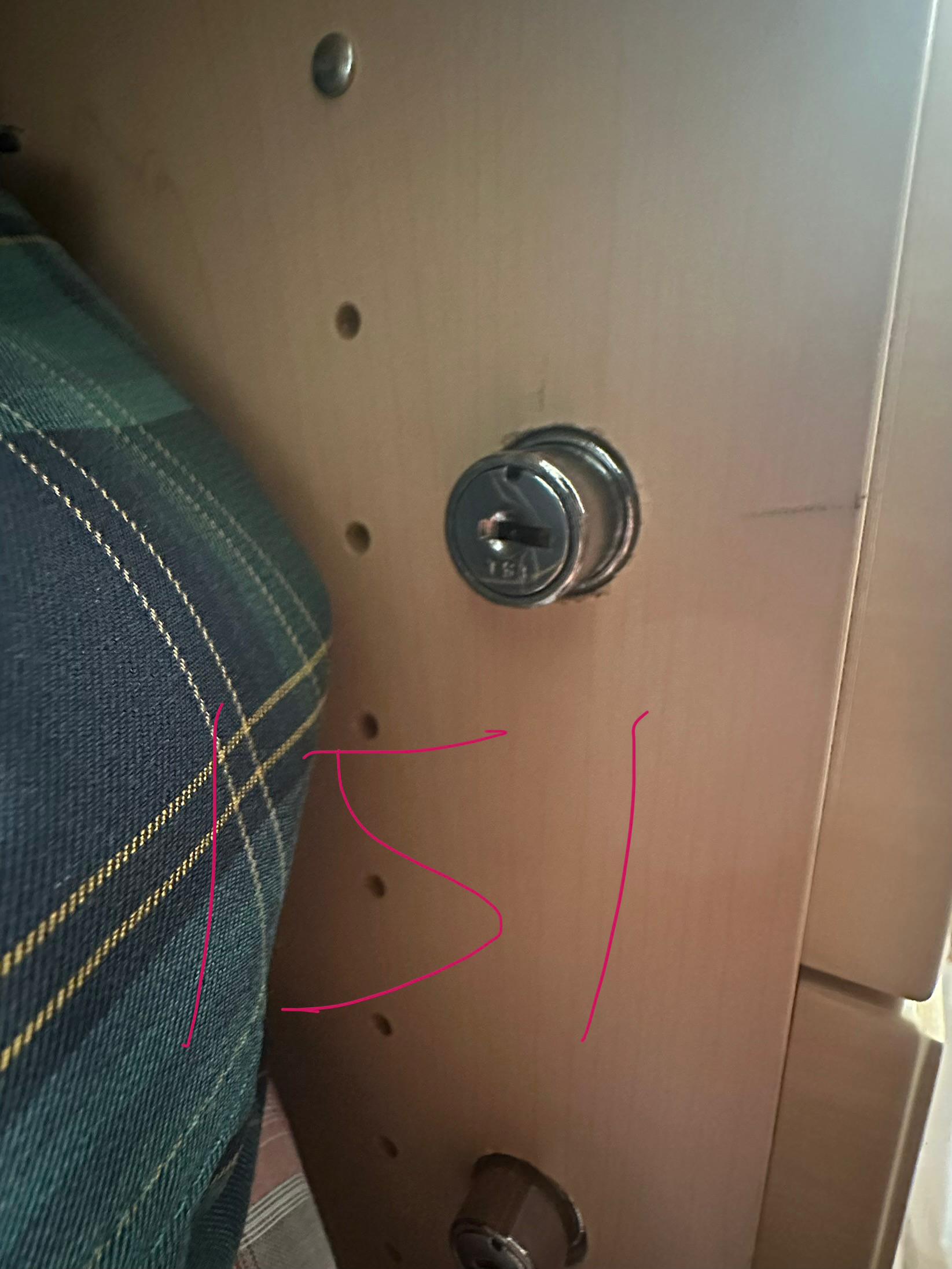
Occasionally, a keyway is blocked on purpose with glue, toothpicks or other material. This is sometimes a prank, sometimes vandalism, and occasionally part of an attempt to force a lockout. If you see signs of tampering, such as glue residue or material packed into the keyway, do not try to dig it out with sharp tools, which can push it further in.
Report deliberate tampering to the police if you believe it is part of a pattern or an attempted break-in. A blocked cylinder often needs to be removed and cleaned or replaced.
Inside the cylinder, pins and springs can wear or break. A broken spring or a pin stuck in the wrong position can prevent the key from entering fully. Heavy use, age and past forcing contribute. If the key goes in partway and stops at the same point every time, and the key itself is sound, the cylinder may be at fault.
A worn cylinder can sometimes be serviced, but replacement or rekeying with new pins is often more practical. The technician can inspect the cylinder and explain the options. The page on lock repair covers cylinder work.
Photos
Photographs from GTA Lockman Mobile Locksmith Services work across Toronto and the GTA. Send a picture of your own door and we can tell you what the visit would involve.
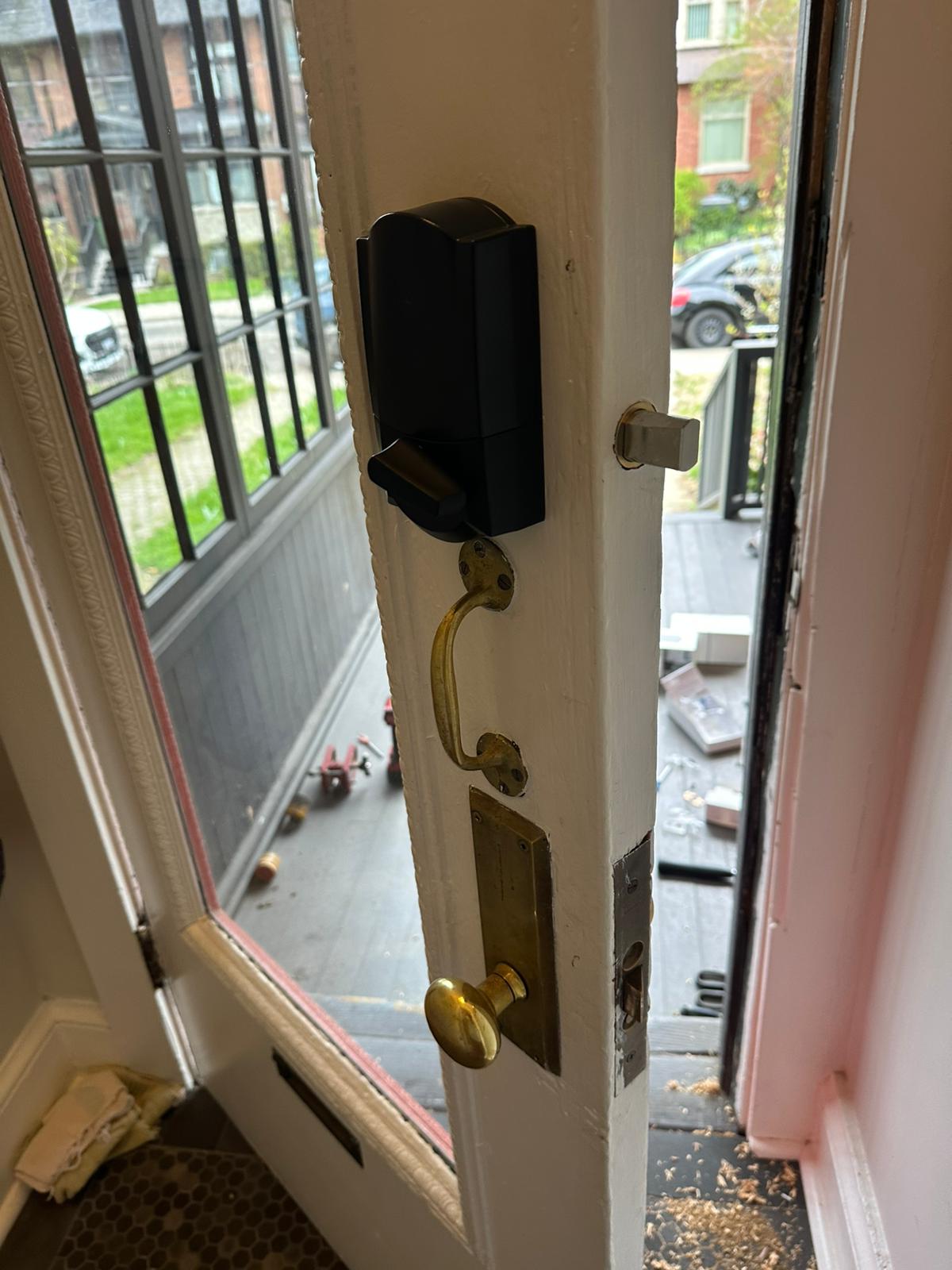
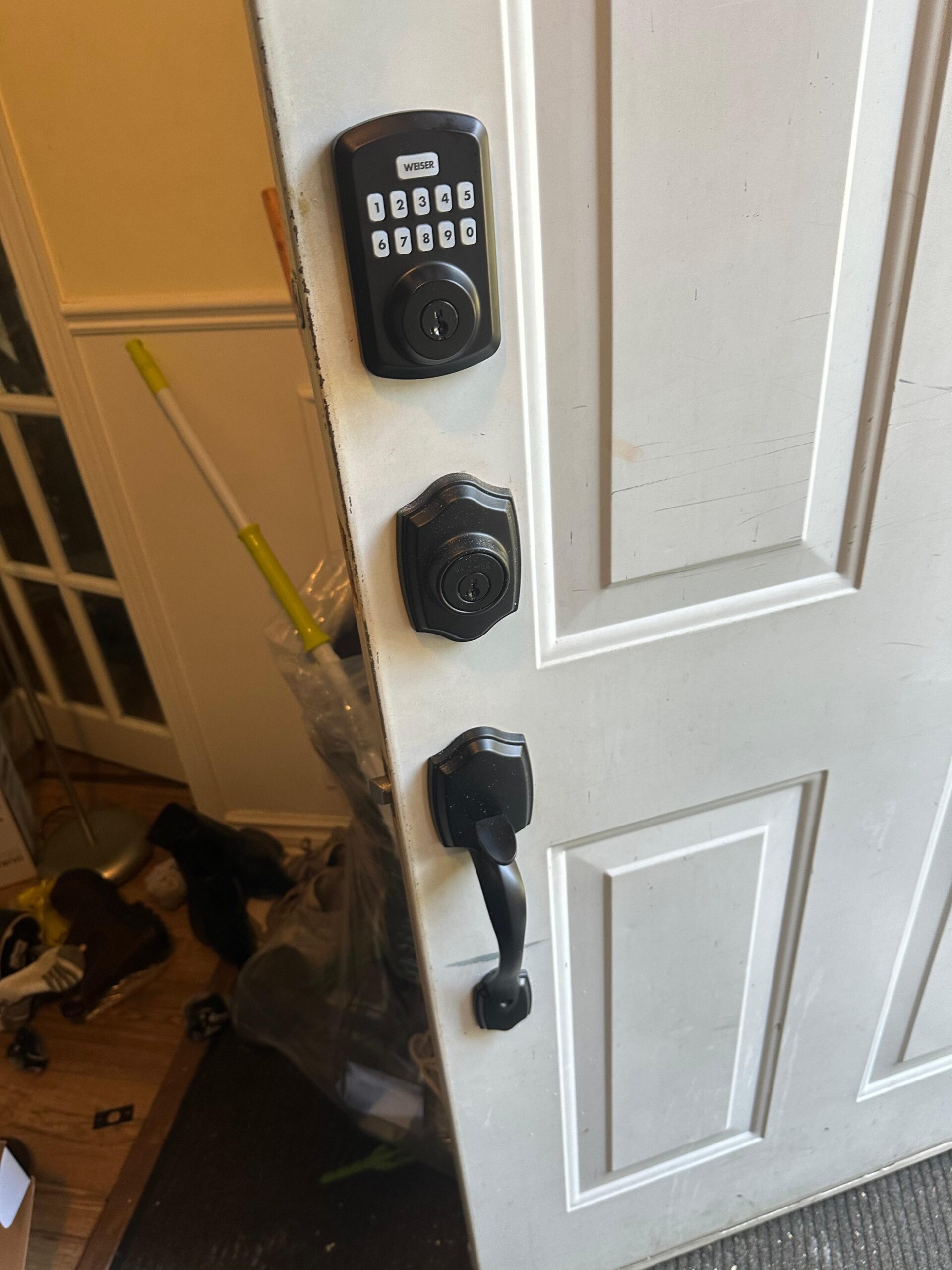
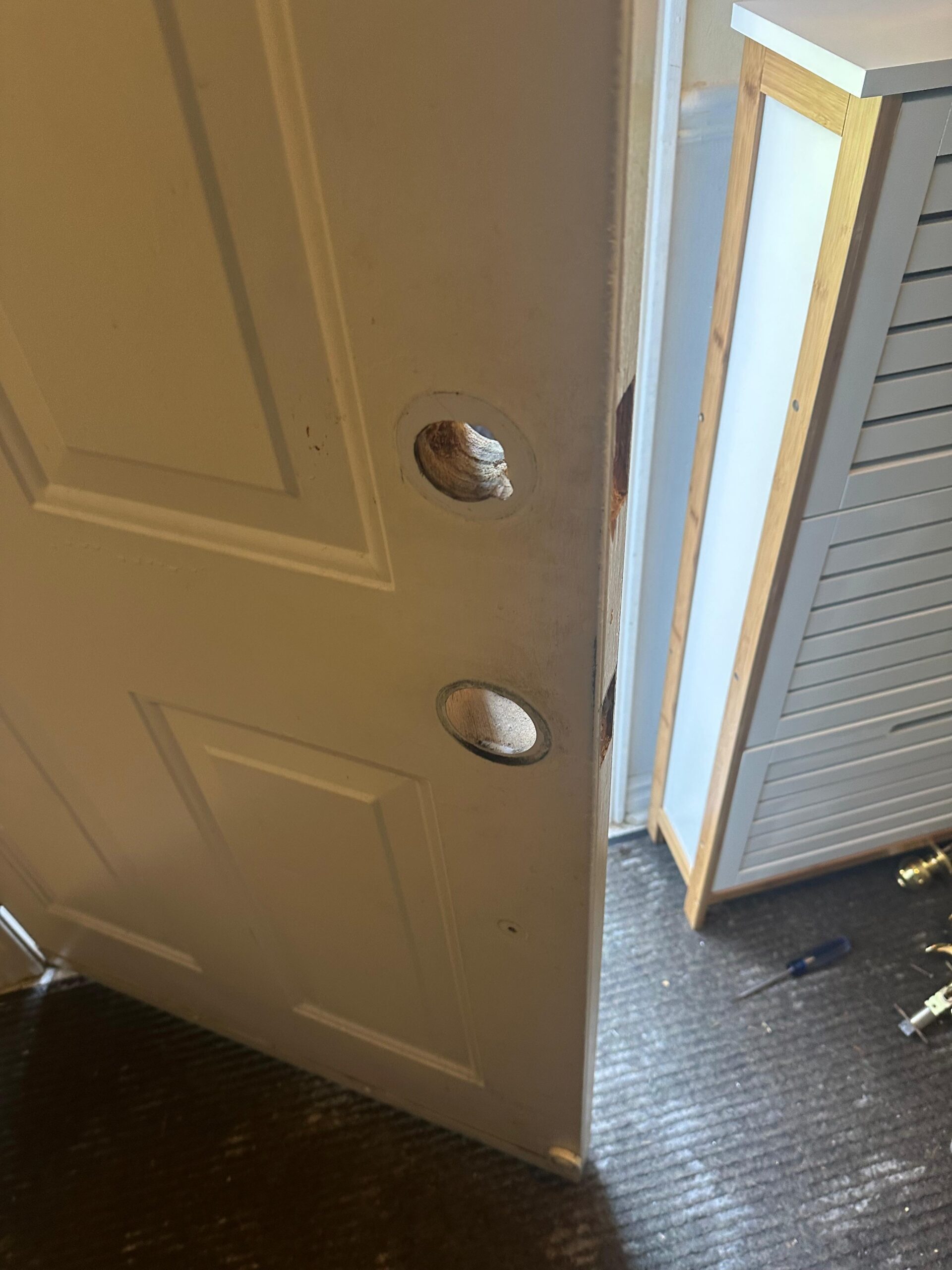
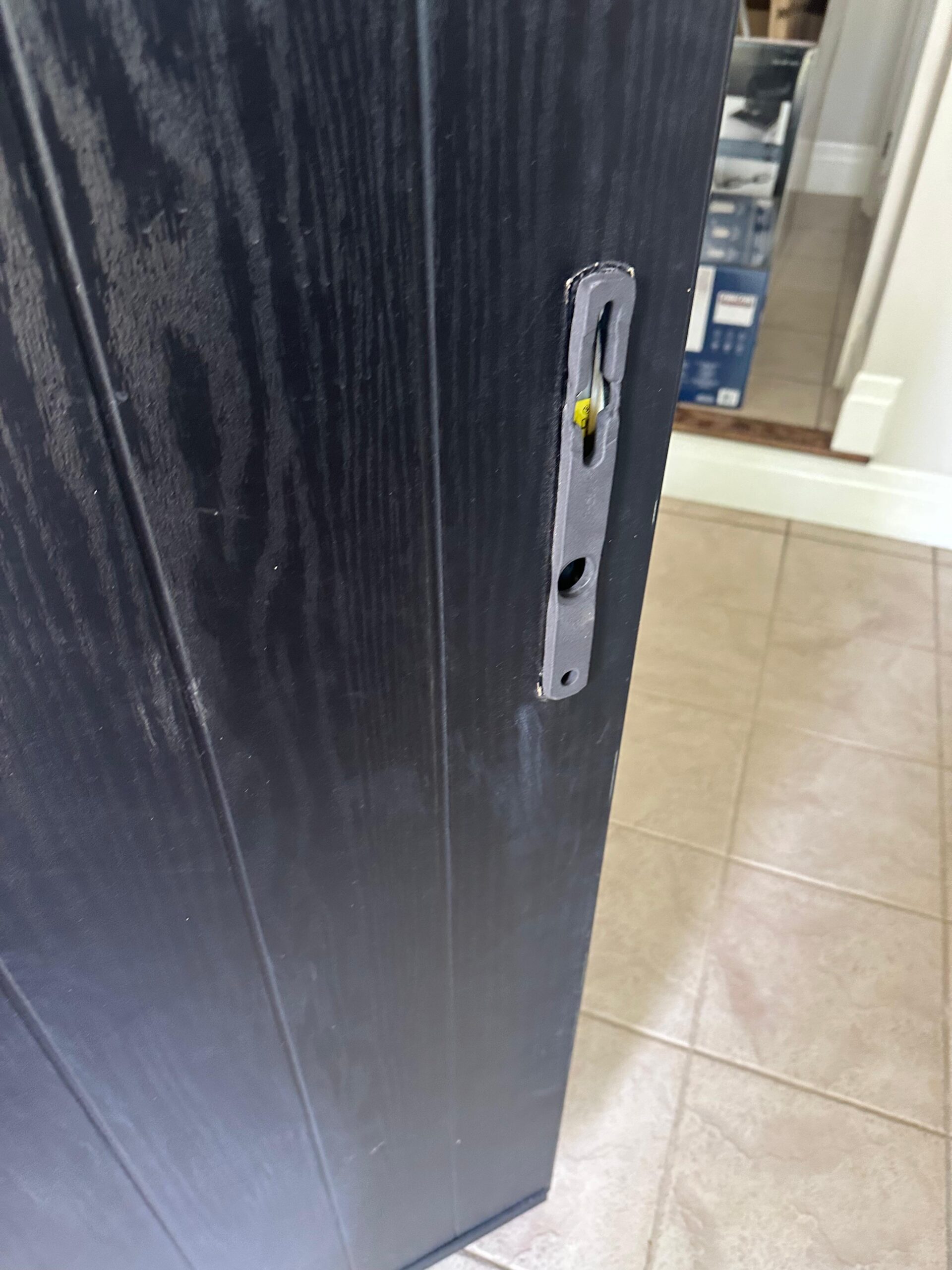
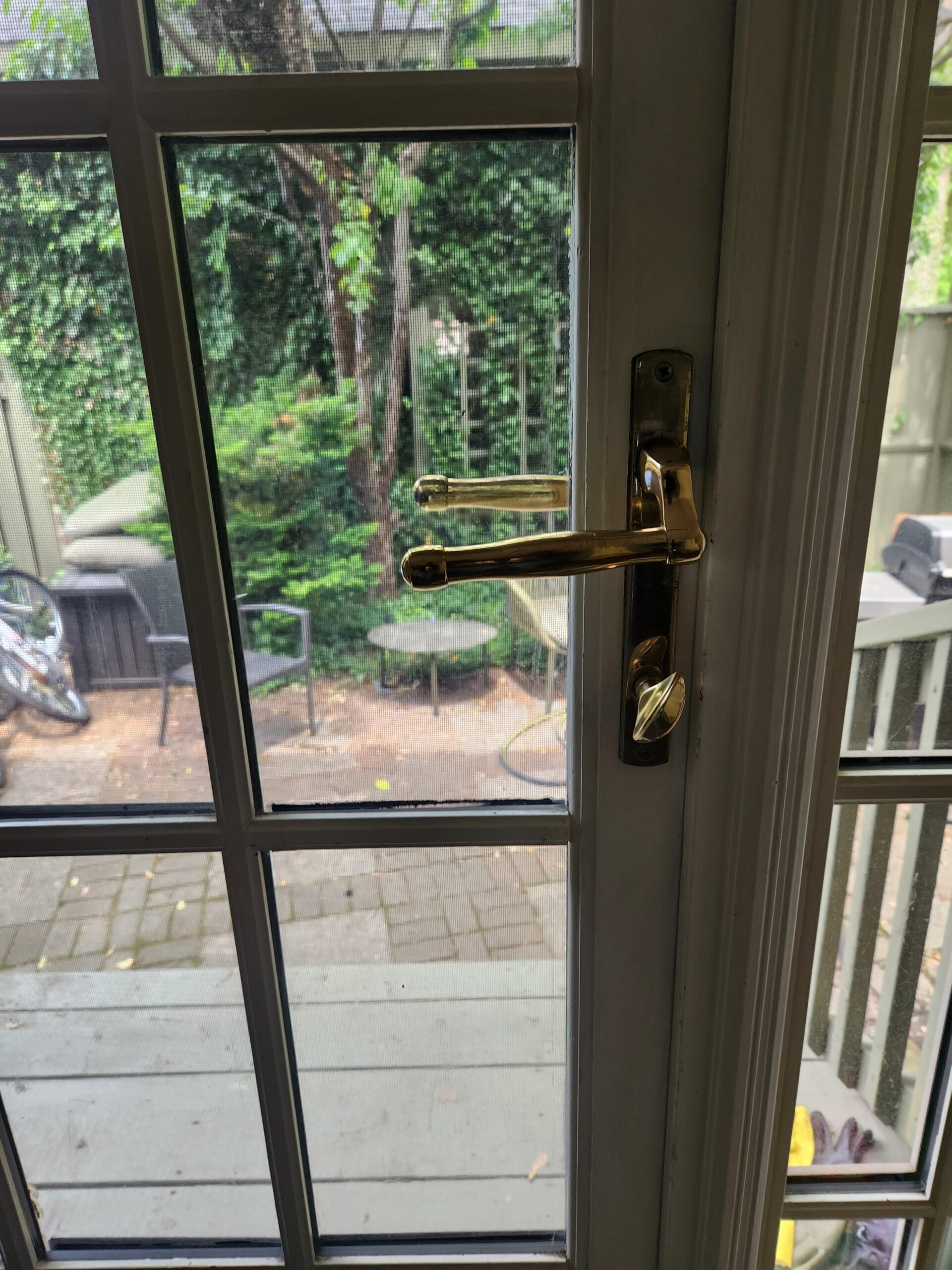
If the key stopped working after someone changed or rekeyed the lock, you may have an old key. Landlords, property managers and household members sometimes change locks without distributing new keys to everyone. Check whether a lock change has happened before assuming the lock has failed.
If the change was made without your agreement in a rental, check your lease and applicable tenancy rules. A locksmith will confirm authorization before providing entry.
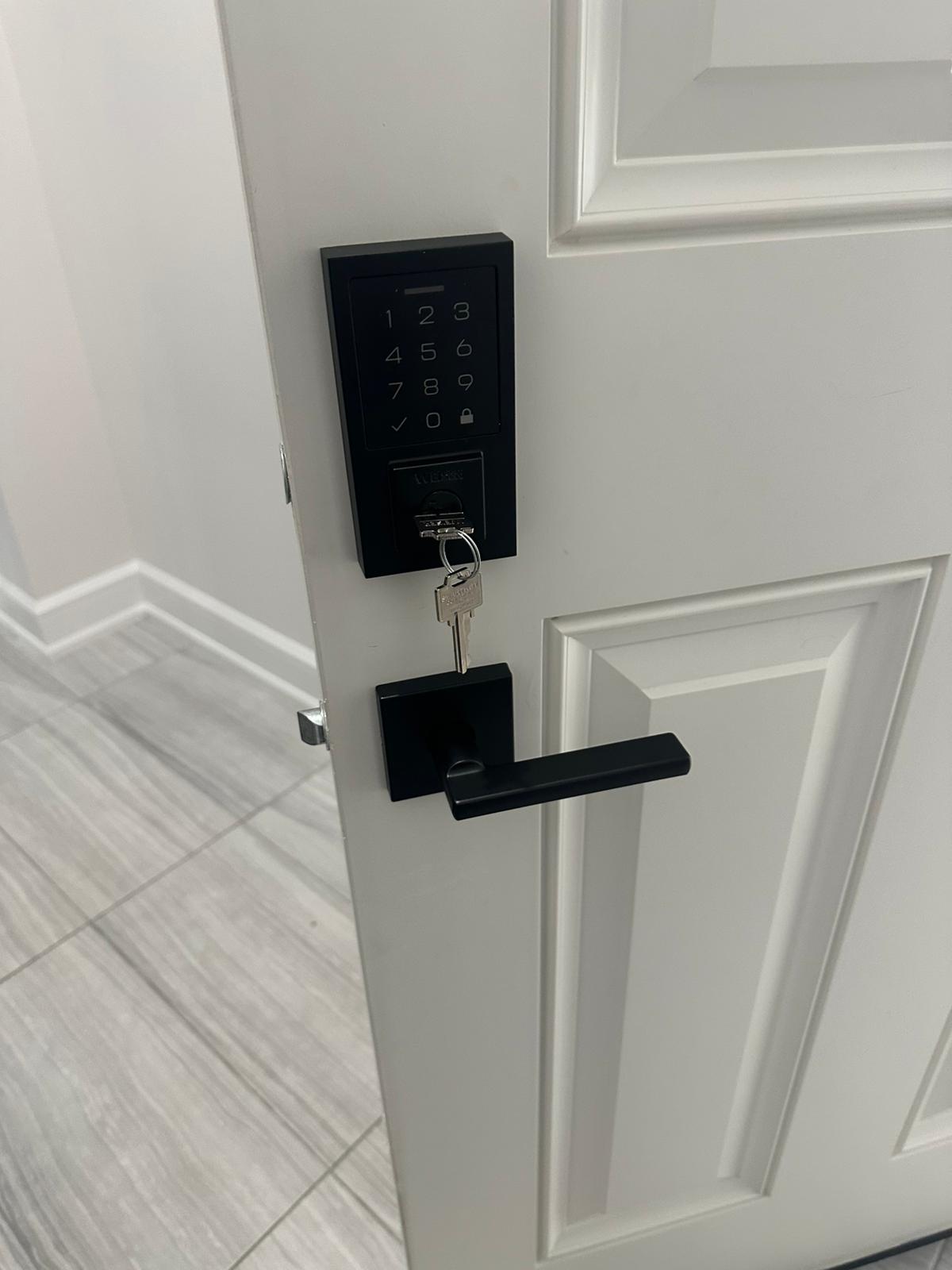
A key that will not enter an exterior lock often leaves someone locked out. The technician will confirm that you are authorized to enter, then address the lock. If another door is available, mention it. The house lockout page and the apartment and condo lockout page explain what to expect.
On commercial doors, keyways wear faster because many people use them daily. Restricted and master-keyed cylinders may need replacement parts from the system's supplier. If staff report keys going in less smoothly over time, arrange an inspection before the cylinder fails. The commercial locksmith page covers business locks.
Households and businesses often carry several keys that look alike. After a lock change, old and new keys can be mixed up. Coloured key caps, labelled key rings or keeping old keys separate reduce confusion. When a lock is rekeyed, collect and dispose of the old keys so they are not tried again later.
For businesses, a key register that records each key's number or mark and the door it opens helps staff find the right key and makes it clear when a key no longer matches any lock.
Sometimes a newly cut key does not go into the lock smoothly. The blank may be slightly different from the original, or the cut may have left a burr on the key. A key that is tight on entry can often be dressed or recut. If a new key from a copying service does not work, bring it back with the original, or ask a locksmith to cut a key to the lock's specification.
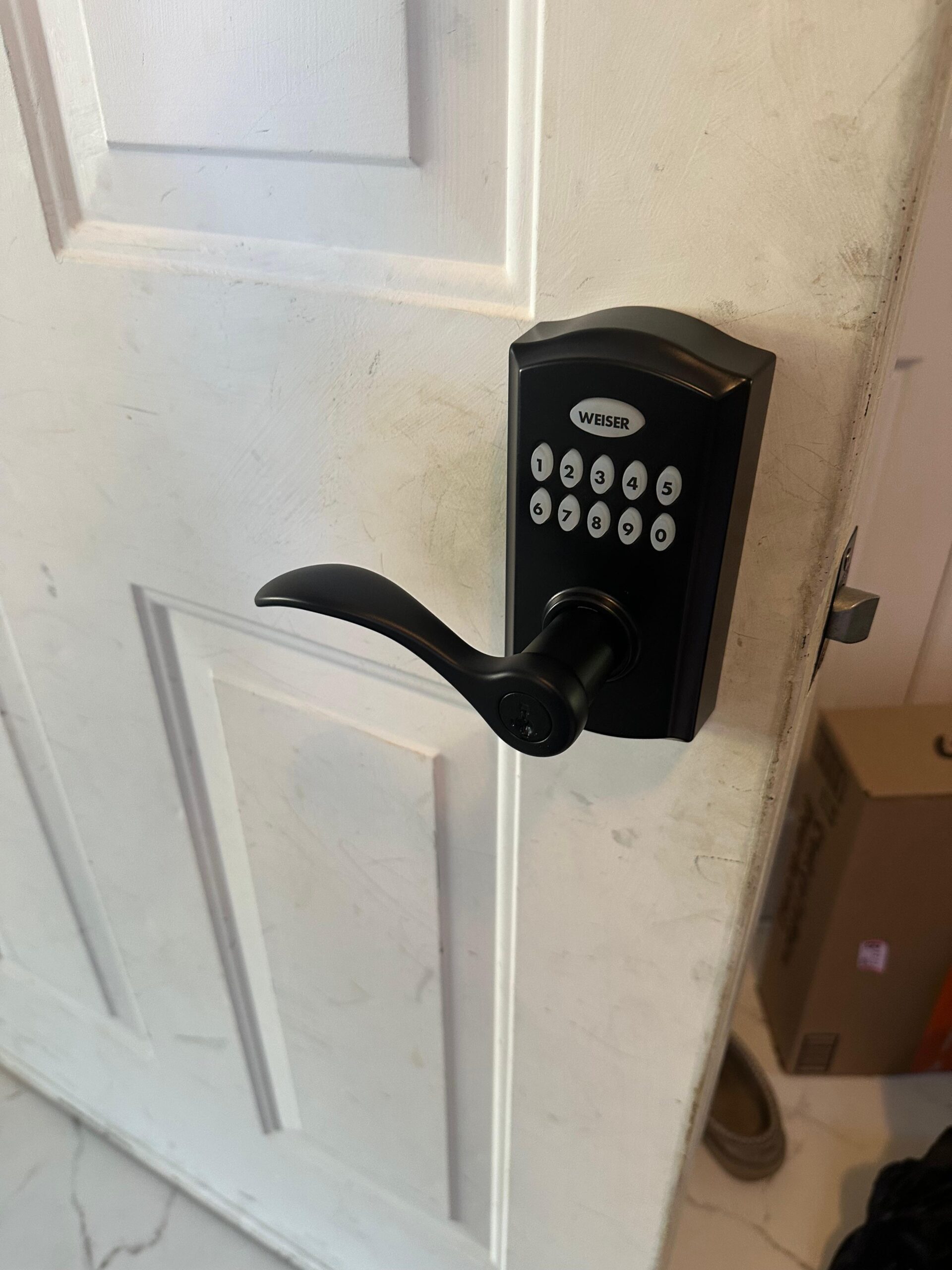
Many keypad and smart locks include a key override that is rarely used. When the batteries fail, the key may be needed for the first time in months or years, and the cylinder may be stiff or dirty. Test the override key occasionally so you know it works, and keep it somewhere you can reach from outside the home.
If the key stopped fitting overnight and nobody in the household changed the lock, consider whether someone else did. In shared houses, rentals and businesses, locks are sometimes changed by a landlord, another occupant or a manager without everyone being told. Ask before assuming the lock is faulty. If the change was not authorized, keep records and seek appropriate advice rather than arranging entry work around the dispute.
If you use the same lock many times a day, pay attention to how the key feels going in. A key that starts to catch, or needs to be wiggled to enter, is an early sign of wear in the key or the cylinder. Replacing the key or servicing the lock at that stage is simpler than dealing with a key that will not enter at all.
When you call, describe the lock, what happens when you try the key, whether other keys work and whether anything is visible in the keyway. A photograph of the cylinder face helps. Our posted hours appear below, and we do not promise a fixed arrival time.
Keep reading
Common causes include a bent or damaged key, dirt or ice in the keyway, a broken piece of an earlier key, a worn or damaged cylinder, or a lock that has been changed or rekeyed. Try a spare key if you have one. If the spare goes in smoothly, the original key is the problem. If no key goes in, the keyway or cylinder is more likely at fault. Do not force the key, which can bend it or break it inside the lock.
Common causes include a bent or damaged key, dirt or ice in the keyway, a broken piece of an earlier key, a worn or damaged cylinder, or a lock that has been changed or rekeyed. Try a spare key if you have one. If the spare goes in smoothly, the original key is the problem. If no key goes in, the keyway or cylinder is more likely at fault. Do not force the key, which can bend it or break it inside the lock.
A small amount of dry lock lubricant, such as graphite or a PTFE product, can help if dirt or stiffness is the problem. Avoid heavy oils and general-purpose sprays, which trap dirt and can make things worse. If the keyway is frozen, use a de-icer made for locks. If you can see something lodged in the keyway, lubricant will not remove it and may push it further in. In that case the cylinder may need to be removed and cleaned.
Do not try to dig the glue out with sharp tools, which can push it deeper and damage the pins. A lock filled with glue usually needs the cylinder removed and replaced or cleaned. If you believe the tampering is part of vandalism, harassment or an attempted break-in, report it to the police and photograph the lock first. The technician will confirm authorization before working on the lock and can replace the cylinder with a compatible one.
It may be. If the key is straight and a spare behaves the same way, something inside the cylinder may be blocking it, such as a broken pin, a stuck spring or a fragment of an old key. It can also happen when the key is the wrong profile or cut on a worn copy. The technician can inspect the cylinder, remove any obstruction and advise whether servicing, rekeying or replacement is appropriate.
It is possible. If your key does not fit and the lock looks different, or others in the building have new keys, a change may have taken place. Check with the landlord or property manager. In a rental, lock changes by the landlord are generally subject to the lease and applicable tenancy rules, and tenants should receive new keys. If you cannot resolve it with the landlord, seek advice on your rights before arranging lock work.
Usually. If the key is only slightly bent and still readable, a locksmith can often cut a new key from it or decode it. Cutting to the lock's original specification, by code or from the cylinder, may produce a better key than copying a worn or bent one. Restricted keys require authorization through the system supplier. Bring the bent key and any spare so the technician can compare them.
Continued forcing increases the risk of the key breaking inside the lock and wears the cylinder. If a key needs effort to insert, arrange a new key or a lock service before it fails completely. A key that breaks while you are locked out creates a more involved situation. Early attention is usually simpler and less expensive than dealing with a failure at an inconvenient time.
Yes. Mailboxes, padlocks and gate locks are exposed to weather, used infrequently and often have small, simple cylinders. Dirt, corrosion and ice collect in their keyways. Regular use and occasional dry lubrication help. For Canada Post community mailboxes and building mailboxes, confirm who is responsible for the lock before arranging work, because different arrangements apply. The mailbox lockout page explains those responsibilities.
Describe the door, hardware and service address. Contact GTA Lockman Mobile Locksmith Services to confirm the scope and scheduling for your location.