
GTA Lockman Mobile Locksmith Services · Toronto & GTA
Secure a forced door, repair damaged locks and frames, and document the work for your police report and insurer.
Related services
Replace worn or unsuitable hardware with a lock that fits the door, its function and your access needs.
Learn moreReview every opening affected by the missing keys and establish a documented, authorized change to mechanical access.
Learn moreDiagnose resistance, incomplete bolt travel and failed connections without assuming every deadbolt needs replacing.
Learn moreCompare key-control features and compatible hardware upgrades while keeping the surrounding door in the assessment.
Learn moreFind the reason a key sticks, a bolt binds or a latch fails before deciding what needs replacement.
Learn moreLock and door service for offices, shops and managed properties. Plan access around the way your business operates.
Learn more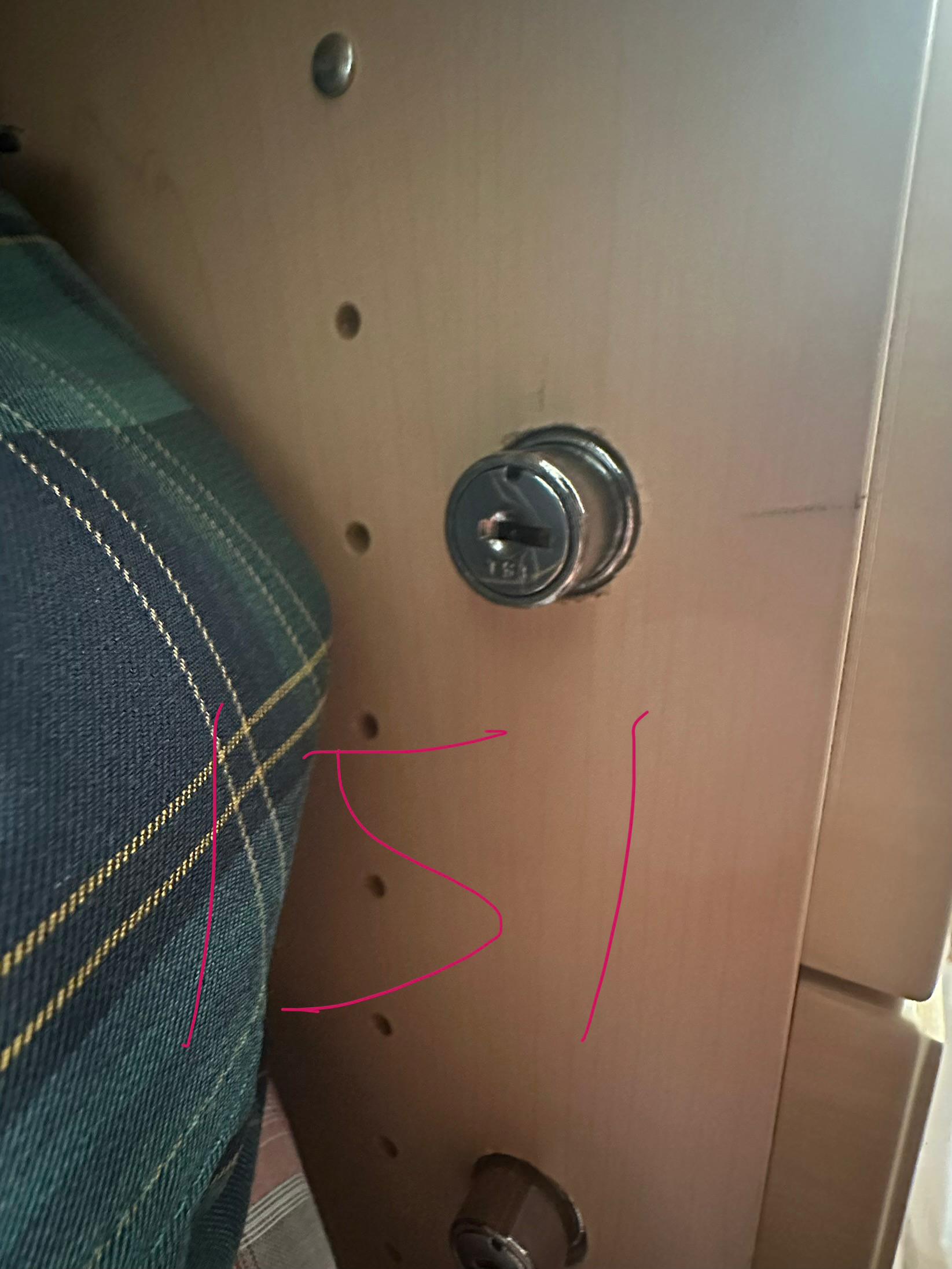
After a break-in or an attempted break-in, contact the police before arranging lock work. Officers may want to see the door as it is, and photographs of the damage are useful for both the police report and an insurance claim. If anyone may still be inside, stay out and wait for police.
Once the scene no longer needs to be preserved, the practical concern is whether the door can be secured tonight. That may mean a full repair, a temporary measure that holds until parts are available, or replacement of the damaged hardware. The right answer depends on what failed and how badly.
Take photographs of the outside trim, the door edge, the strike and the frame before anything is moved. Keep any broken pieces. Your insurer may ask for them, and they help the technician understand how the door was attacked.
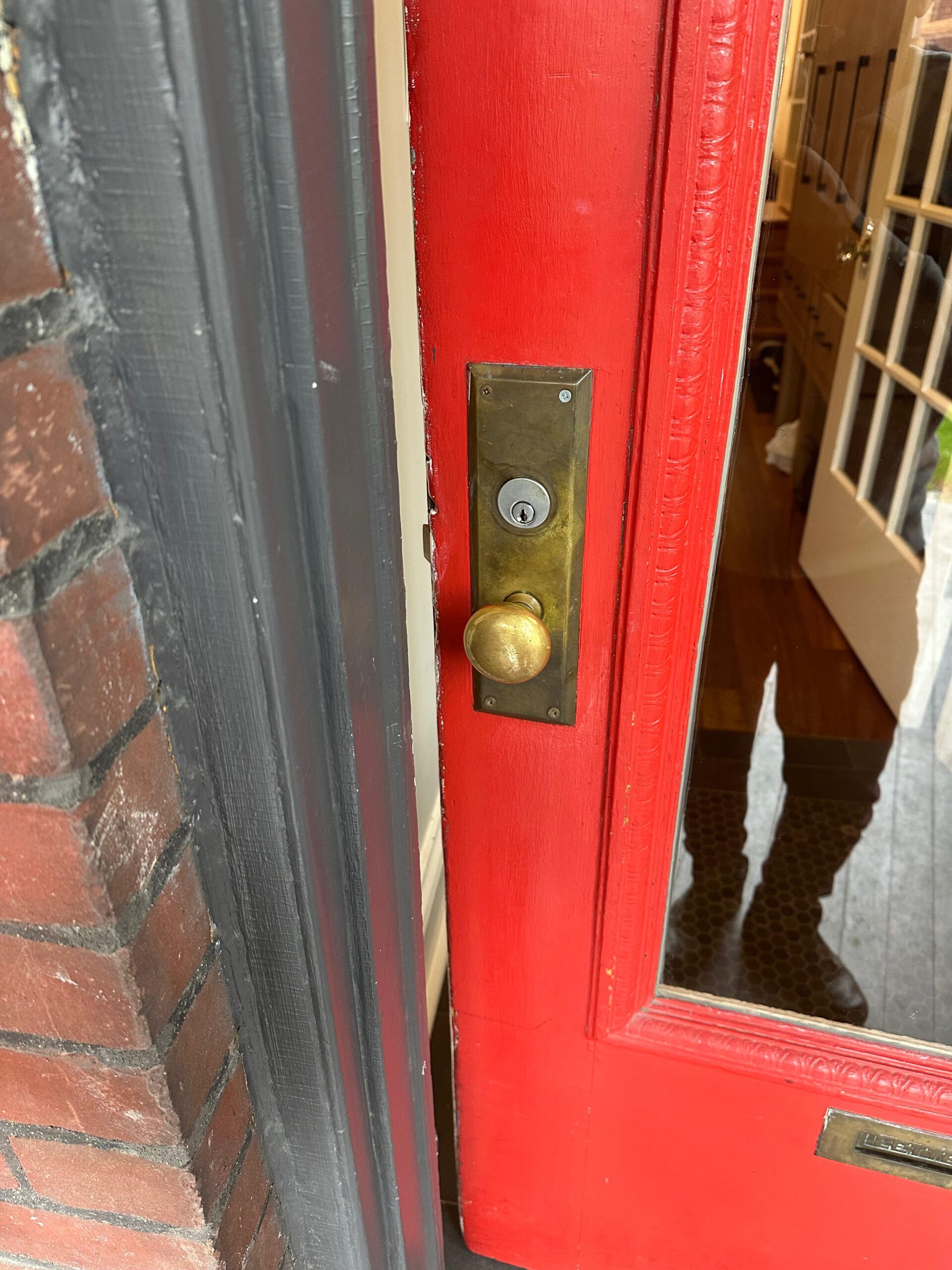
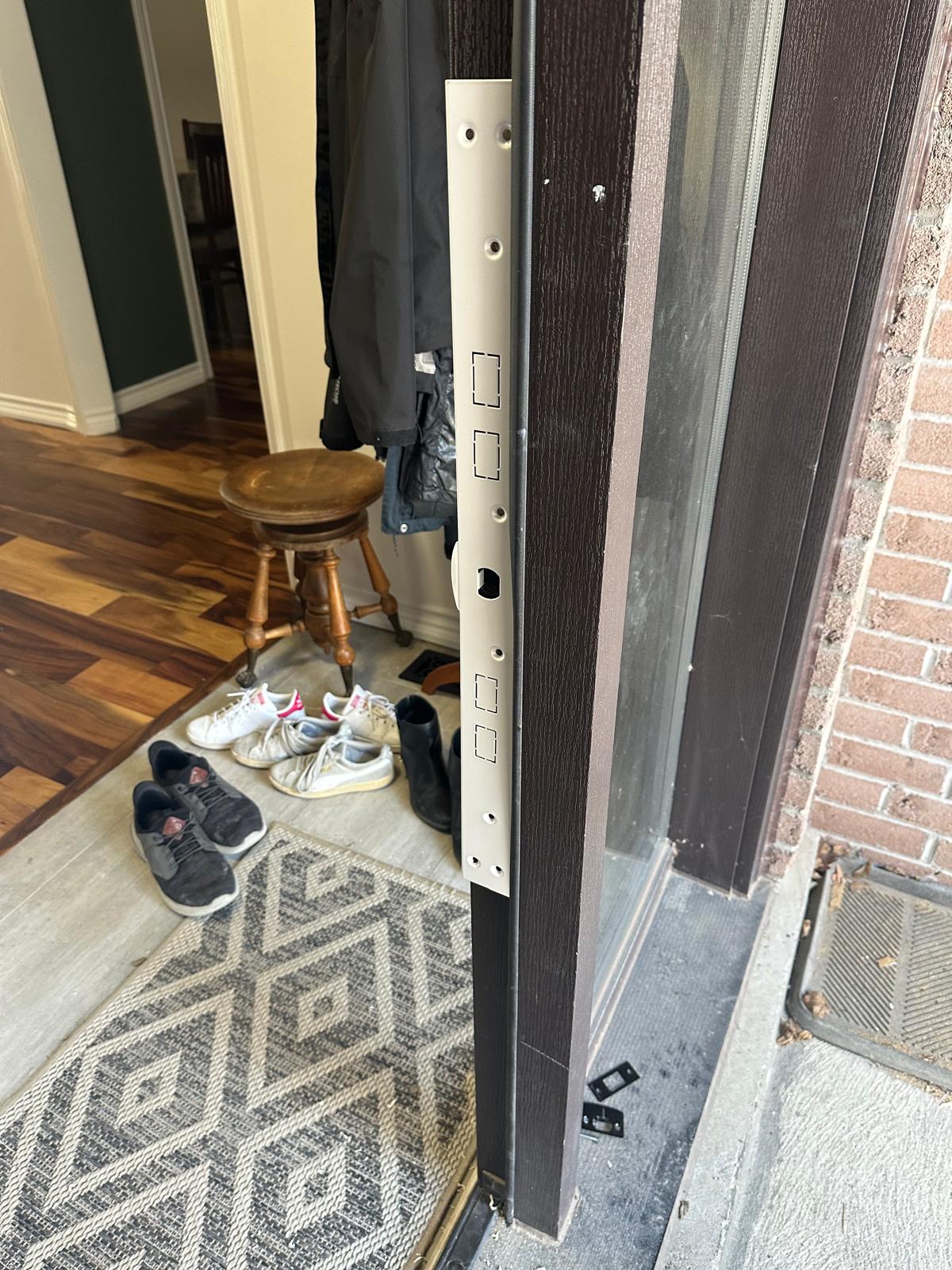
Forced entry rarely damages only the lock. Common patterns include a split frame where the strike was kicked through, a bent or pulled cylinder, a deadbolt bolt that was forced back, a latch torn from the door edge, or glass broken to reach an inside thumbturn. Each calls for a different repair.
The technician inspects the cylinder, bolt, latch, strike, hinges and frame with the door open and closed. A lock that still turns may have a bent bolt or damaged internal parts. A door that closes may no longer engage the strike because the frame has moved. The assessment should cover the whole opening, not just the hardware that looks damaged.
Where the frame or door itself is split, carpentry may be needed alongside the lock work. The technician will say which part of the repair they can complete and where another trade is required.
If the damaged hardware can be repaired or replaced on the visit, the door can be returned to normal operation. If parts must be ordered, or the frame needs more work than can be done at once, the technician may fit compatible interim hardware or reinforce the strike so the door locks while the permanent repair is arranged.
Ask what the interim measure does and does not provide. A temporary lock that secures the door is useful; it is not a finished repair, and it should be recorded as temporary on the invoice.
Avoid improvised fixes such as screwing the door shut. They can block an exit route and create a fire-safety problem.
If keys were taken, or if the intruder had access to a key, the locks need attention even where they were not physically damaged. Rekeying after stolen keys explains how to review every door the missing keys operate. Where the locks are damaged as well, a lock change addresses both issues together.
Also review garage remotes, alarm codes and any keypad or smart-lock user codes. These are separate from mechanical keys and may need action through the device or its provider.
Many forced entries succeed at the frame rather than the lock. A longer strike plate fixed with screws that reach the wall framing, a reinforced strike box, and properly seated hinges can make the opening more resistant. These changes are modest and do not require replacing sound hardware.
Where the cylinder was attacked, a higher-security cylinder may be appropriate. The page on residential high-security lock upgrades compares options. For doors that were opened through nearby glass, consider whether a double-cylinder deadbolt is permitted and suitable; it can create a fire-safety concern if the key is not kept nearby, so the choice needs care.
The technician should explain each recommendation and its purpose. Upgrades are optional, and you can decide after the door is secure.
Photos
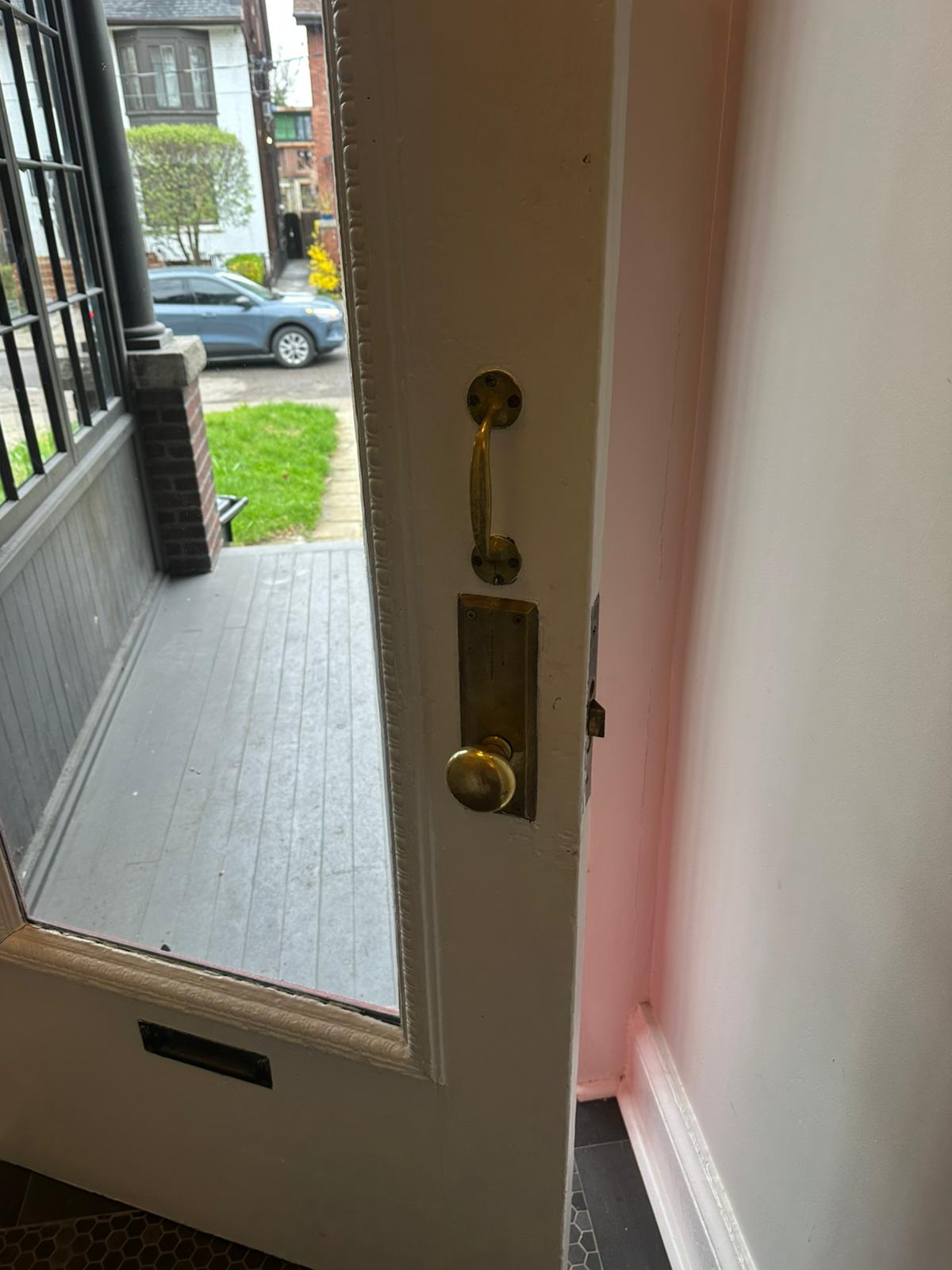
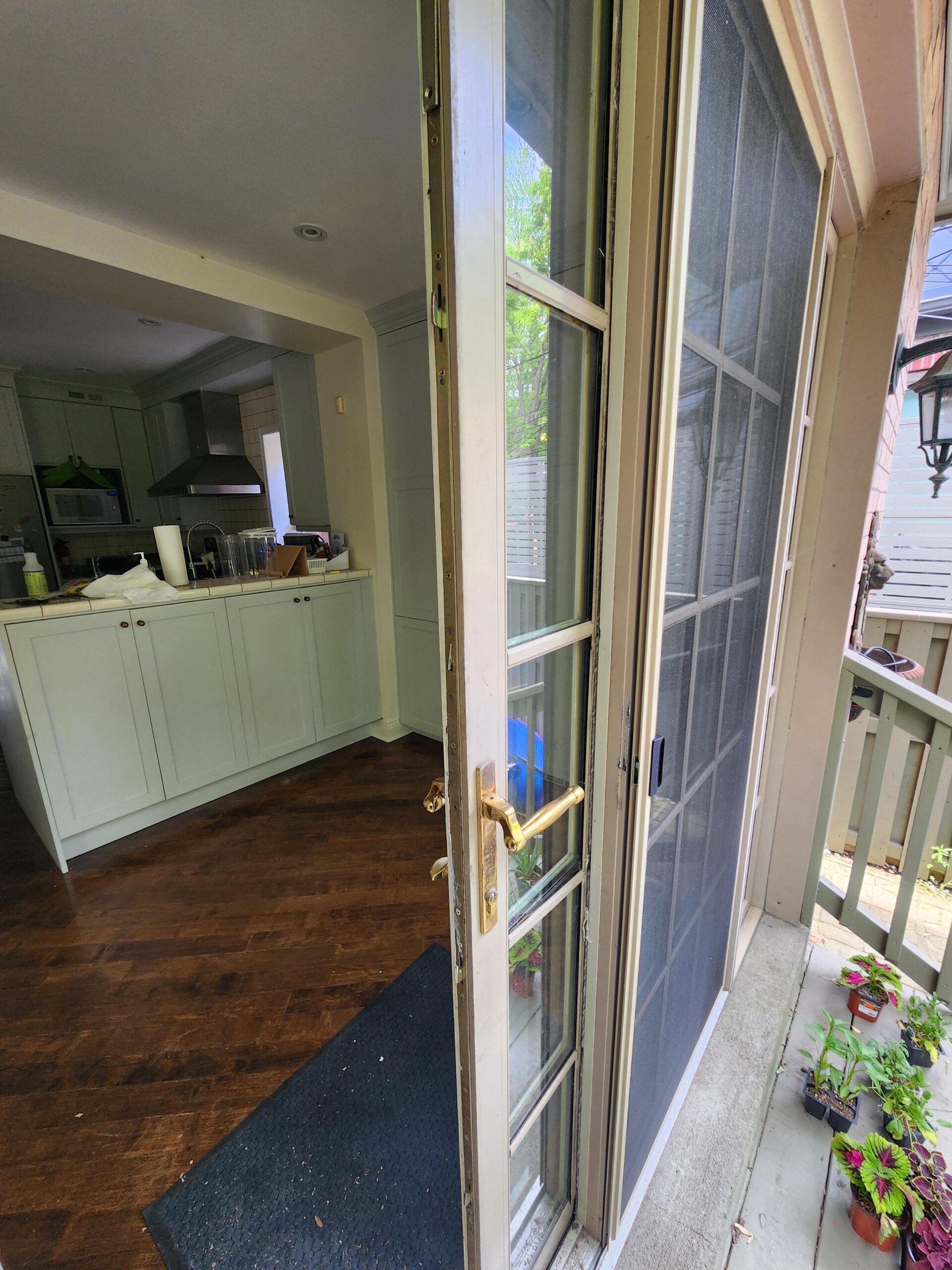
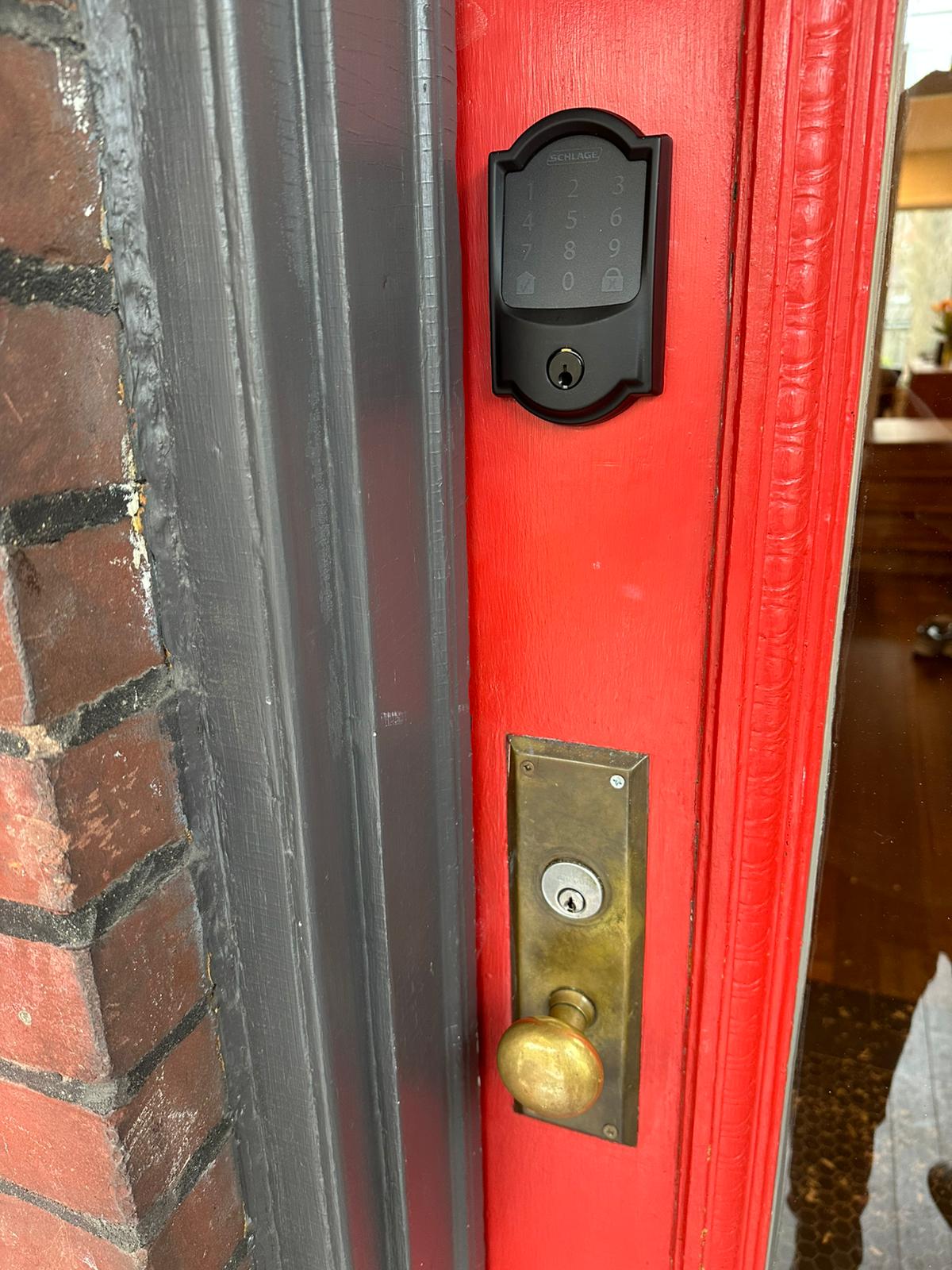
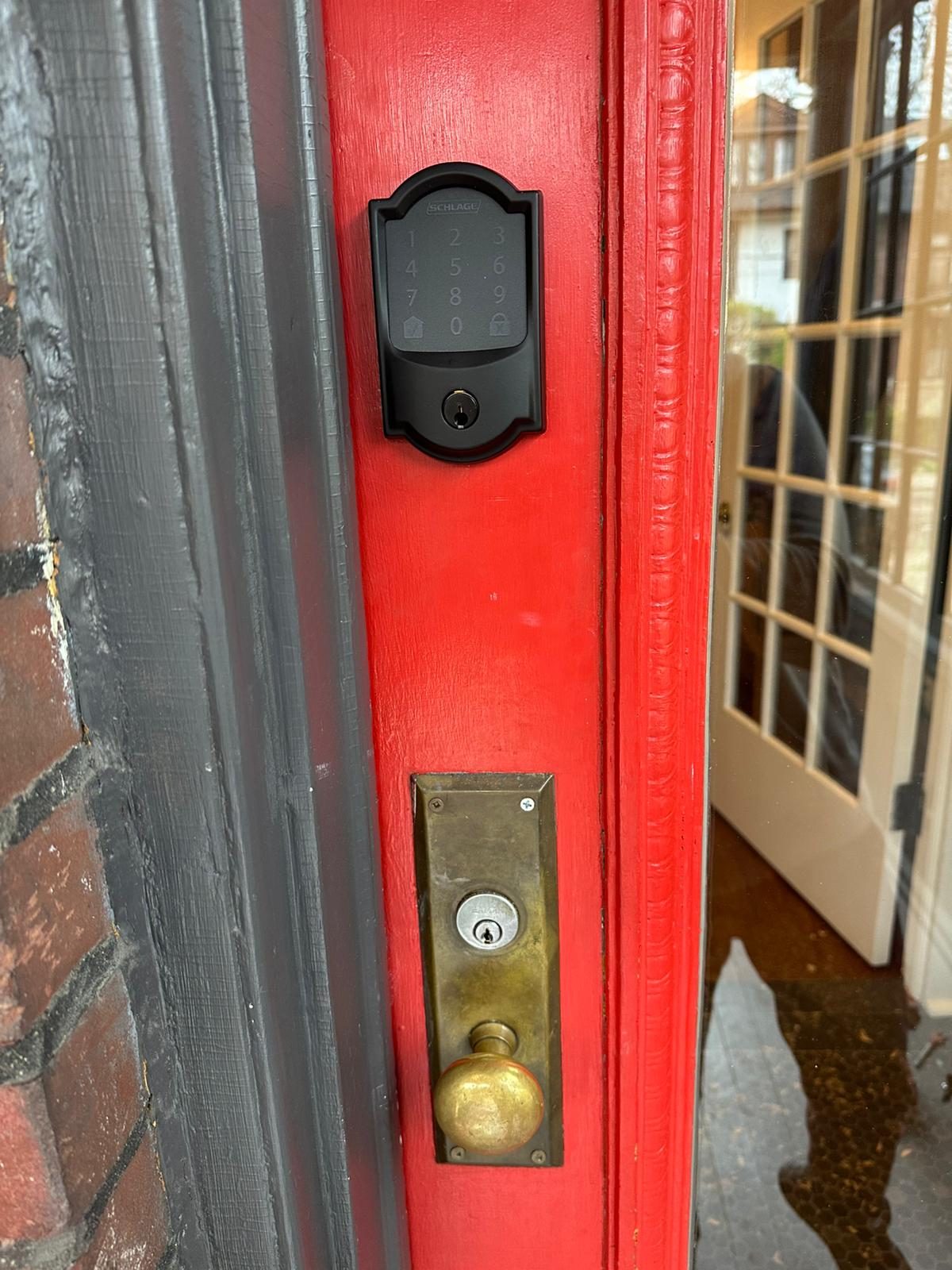
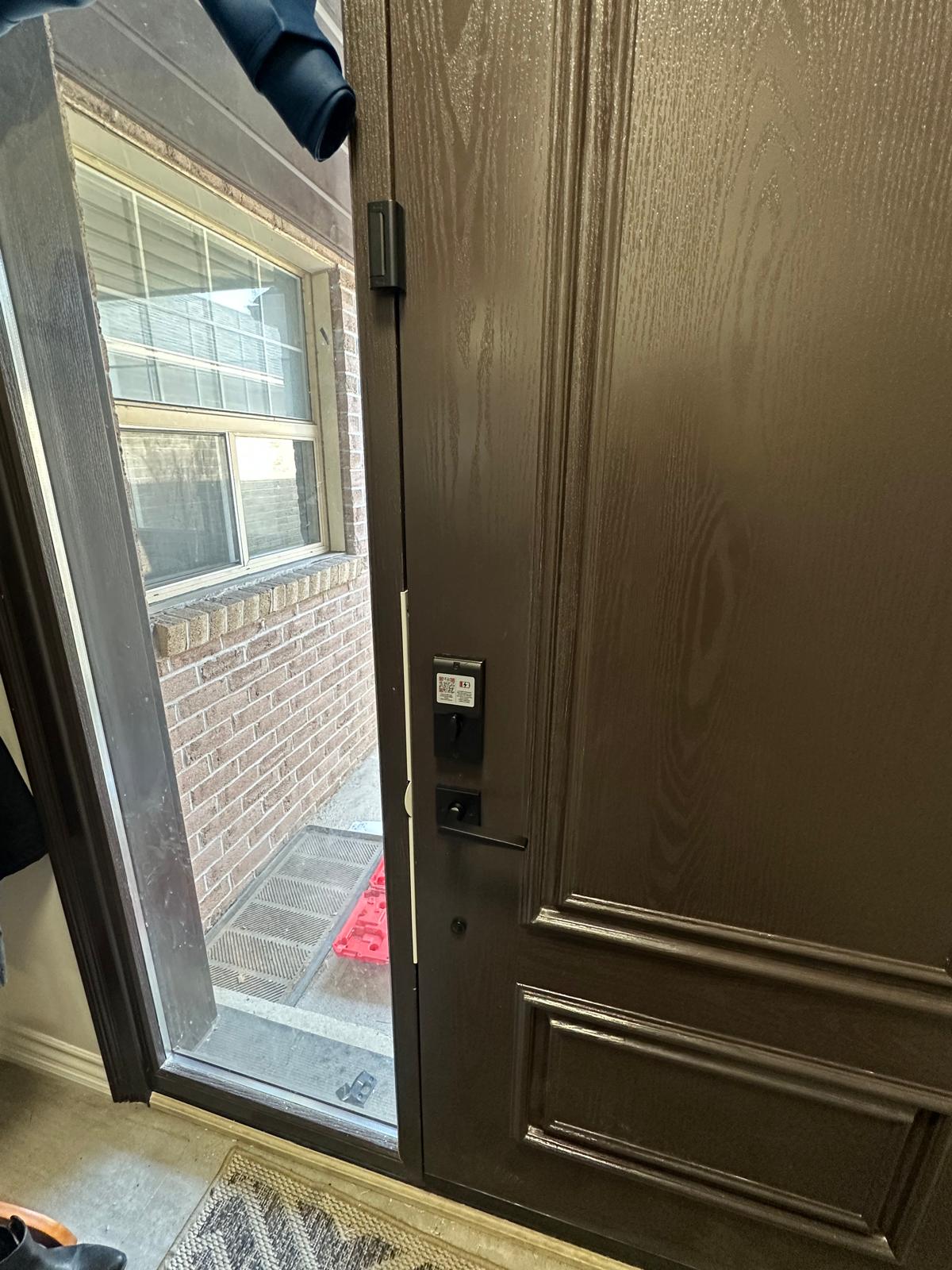
Photographs from GTA Lockman Mobile Locksmith Services work across Toronto and the GTA. Send a picture of your own door and we can tell you what the visit would involve.
Tenants should report a break-in to their landlord as well as the police. The landlord is usually responsible for repairing damaged doors and locks, and the lease may say how that is arranged. If you need the door secured before the landlord can act, keep the invoice and tell them what was done.
For businesses, check the storefront, rear service door and any exit devices. Damaged exit hardware must still allow people to leave safely. The commercial locksmith page covers business openings.
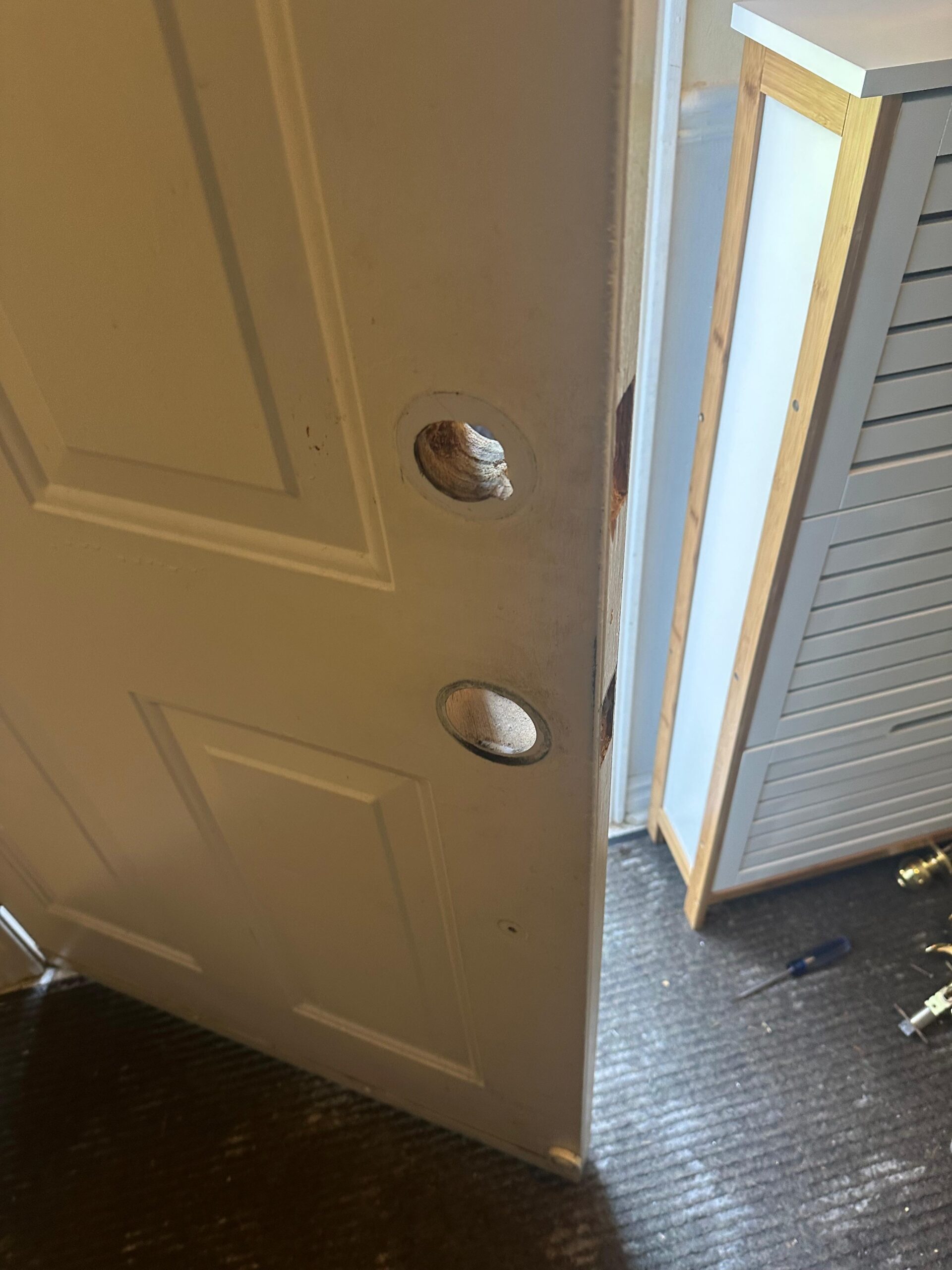
Insurers commonly ask for the police report number, photographs of the damage, and an itemized invoice. Ask the technician to describe on the invoice what was damaged, what was repaired or replaced, and what remains outstanding. A clear record separates damage caused by the break-in from wear that existed before it.
Keep the damaged parts until your claim is settled, unless your insurer says otherwise.
Not every attack gets through the door. Scratches around the cylinder, a bent strike, a split in the frame or a lock that suddenly feels rough can all indicate an attempt that failed. These signs deserve attention even when the door still locks, because a damaged lock or frame may give way more easily next time.
Report an attempted break-in to the police and photograph the marks before anything is repaired. The technician can then check whether the cylinder was manipulated, whether the bolt or latch was damaged, and whether the frame around the strike has been weakened. A lock that has been attacked but still operates may need servicing or replacement to restore its original resistance.
Consider the other doors as well. An intruder who fails at the front may try a side door, a patio door or a garage entrance. The page on patio door lock repair covers sliding doors, which are a common alternative target.
A break-in can leave uncertainty about keys even when none were taken. If a spare key was kept in the house, check that it is still there. If a key was hidden outside, assume it may have been found. Garage remotes left in vehicles parked outside should also be checked.
Where there is any doubt about who holds a working key, rekeying the affected locks restores control without replacing hardware that is otherwise sound. Record the new keys issued and where the spares are kept.
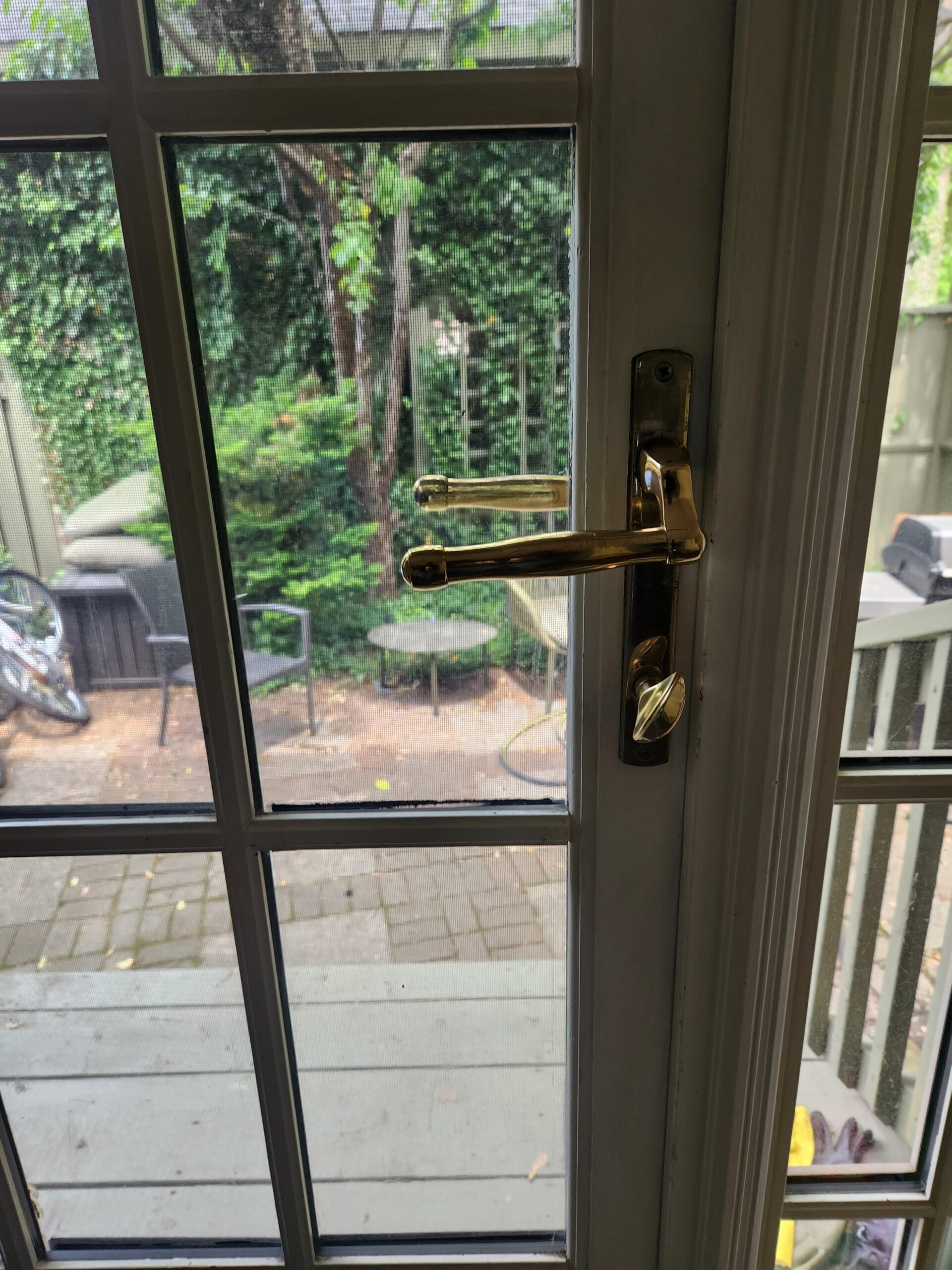
Before the technician leaves, test the lock with the door closed. The bolt should extend fully into the strike without pushing or lifting, and the key and inside thumbturn should operate smoothly. If the frame was repaired, check the gap and latch engagement. Our posted hours appear below, and the lock repair page covers related mechanical work.
Keep reading
Call the police first. They may want to see the door before anything is changed, and a report number is usually needed for an insurance claim. If you think someone could still be inside, stay out until police arrive. Once the scene no longer needs to be preserved, arrange the lock work. Take photographs of the door, frame and hardware before the technician starts, and keep any broken parts. A locksmith can secure and repair the opening, but that work is separate from reporting the crime and should not delay it.
Call the police first. They may want to see the door before anything is changed, and a report number is usually needed for an insurance claim. If you think someone could still be inside, stay out until police arrive. Once the scene no longer needs to be preserved, arrange the lock work. Take photographs of the door, frame and hardware before the technician starts, and keep any broken parts. A locksmith can secure and repair the opening, but that work is separate from reporting the crime and should not delay it.
Often it can, but it depends on the damage. If the lock and strike can be repaired or replaced with compatible hardware that is available, the door can be returned to normal operation. If the frame is split or parts must be ordered, the technician may fit an interim lock or reinforce the strike so the door can be locked while the permanent repair is arranged. Ask what the interim measure provides. It should be described as temporary on the invoice so there is no confusion later about what remains to be done.
Not necessarily. A lock that turns may still have a bent bolt, a loosened cylinder or damaged internal parts, so it should be inspected with the door closed. If it is sound and the keys are still under your control, it may only need the strike or frame repaired. If keys were taken or the cylinder was attacked, rekeying or replacement changes access. The technician should explain what they found in each component. A decision to replace should follow evidence of damage or a change in who holds keys.
A kick or shoulder strike puts force on the point where the bolt enters the frame. If the strike plate is fixed with short screws into the trim only, the wood can split before the lock fails. That is common in older doors. Reinforcing the strike with longer screws into the wall framing, or fitting a strike box, makes the frame more resistant. The repair may need a carpenter if the jamb is badly split. The technician will explain which part they can repair and where another trade is needed.
That depends on your policy, and your insurer is the one to confirm it. Insurers commonly ask for the police report number, photographs of the damage and an itemized invoice. Ask the technician to list what was damaged, what was repaired or replaced, and what remains outstanding. A clear description separates damage caused by the break-in from existing wear. Keep the damaged parts until your claim is settled unless the insurer tells you otherwise. We do not advise on coverage, but we can provide the invoice detail your insurer needs.
It can be worthwhile where the cylinder itself was attacked, but it is optional. Many forced entries defeat the frame rather than the lock, so strike reinforcement often gives more benefit for the cost. A high-security cylinder adds resistance to manipulation and key copying, and it pairs well with a reinforced strike. The technician should explain what each change addresses. Decide after the door is secure, when you can compare options without pressure. The high-security upgrade page explains the choices in more detail.
The landlord is usually responsible for repairing damaged doors and locks, but your lease and applicable tenancy rules decide the details. Report the break-in to your landlord as well as the police. If the door must be secured before the landlord can act, tell them what was done and keep the invoice. Do not install a lock that prevents the landlord from accessing the unit where the lease requires them to have a key. Clear communication avoids a later dispute about the repair and its cost.
When glass beside or in the door is broken to reach an inside thumbturn, the lock itself may be undamaged. Options include replacing the glass with a more resistant type, adding security film, or in some cases fitting a double-cylinder deadbolt that needs a key on both sides. A double-cylinder lock can slow an exit in a fire if the key is not nearby, so check local requirements and consider the household before choosing it. The technician can explain the trade-offs for your particular door.
Describe the door, hardware and service address. Contact GTA Lockman Mobile Locksmith Services to confirm the scope and scheduling for your location.