
GTA Lockman Mobile Locksmith Services · Toronto & GTA
Separate mechanical repairs from key-control changes and document the condition of each affected opening.
Related services
Find the reason a key sticks, a bolt binds or a latch fails before deciding what needs replacement.
Learn moreAssess household lock problems in the context of the door, building requirements and the people using it.
Learn moreKeep suitable hardware while changing which keys operate your new home’s locks.
Learn moreFind why the handle moves, droops or fails to retract the latch, then address the responsible component.
Learn more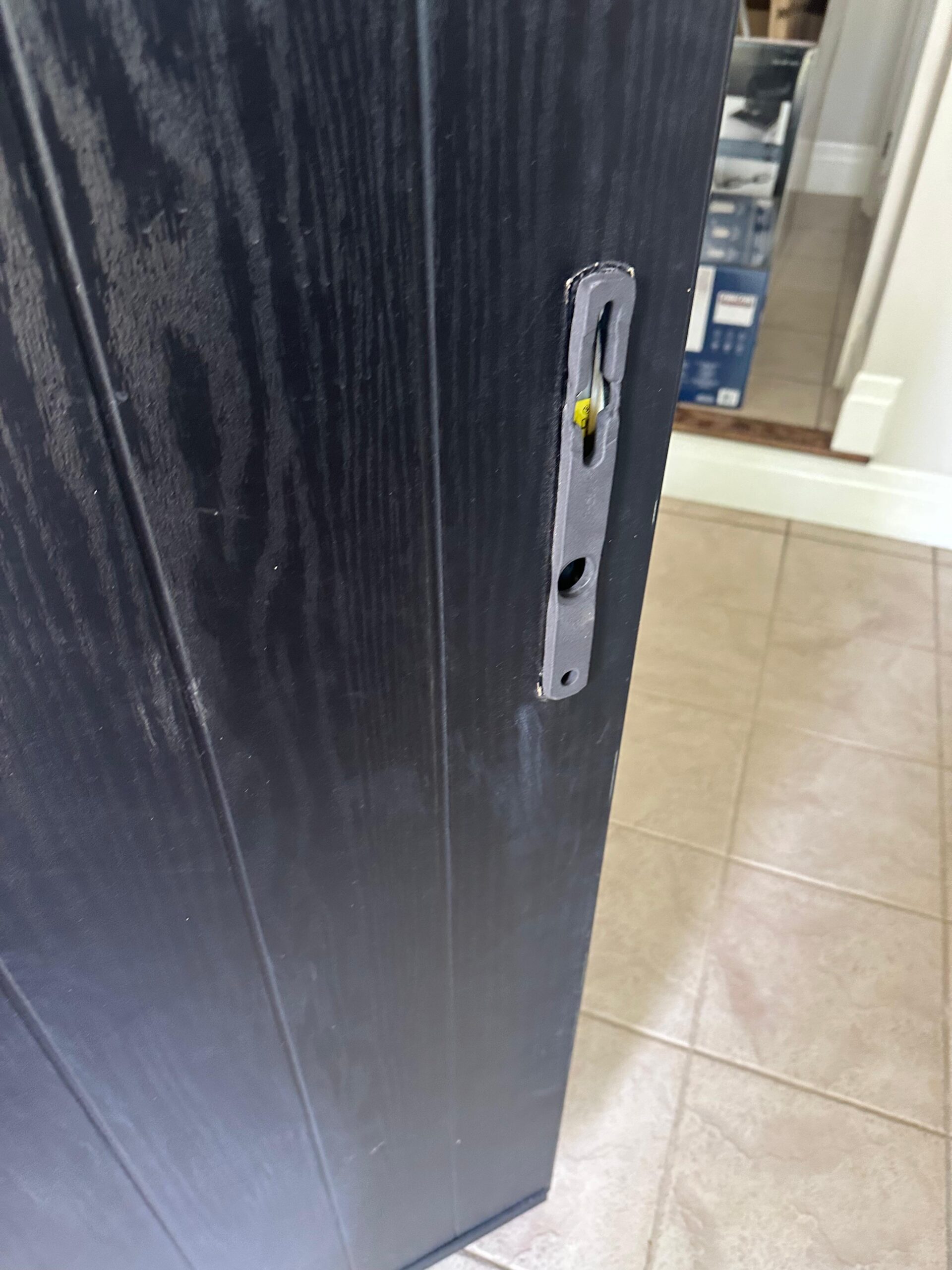
A tenant move-out can prompt several different questions about a door. Does the lock work correctly? Are all keys accounted for? Is there clear authority to change access? Those questions should be handled separately. A returned key does not prove the latch is sound, and a repaired handle does not make old copies unusable.
Before changing access, establish that the work is authorized and consistent with the property's actual tenancy or possession situation. A locksmith does not determine whether a tenancy has ended or resolve a disputed right to enter. If that position is unclear, obtain appropriate advice before arranging an access-changing service.
This page focuses on mechanical inspection and repair during an authorized turnover. Our house and condo lock repair page covers related residential faults. An additional rekey or replacement decision should be recorded separately so the next occupant receives a clear account of both condition and keys.
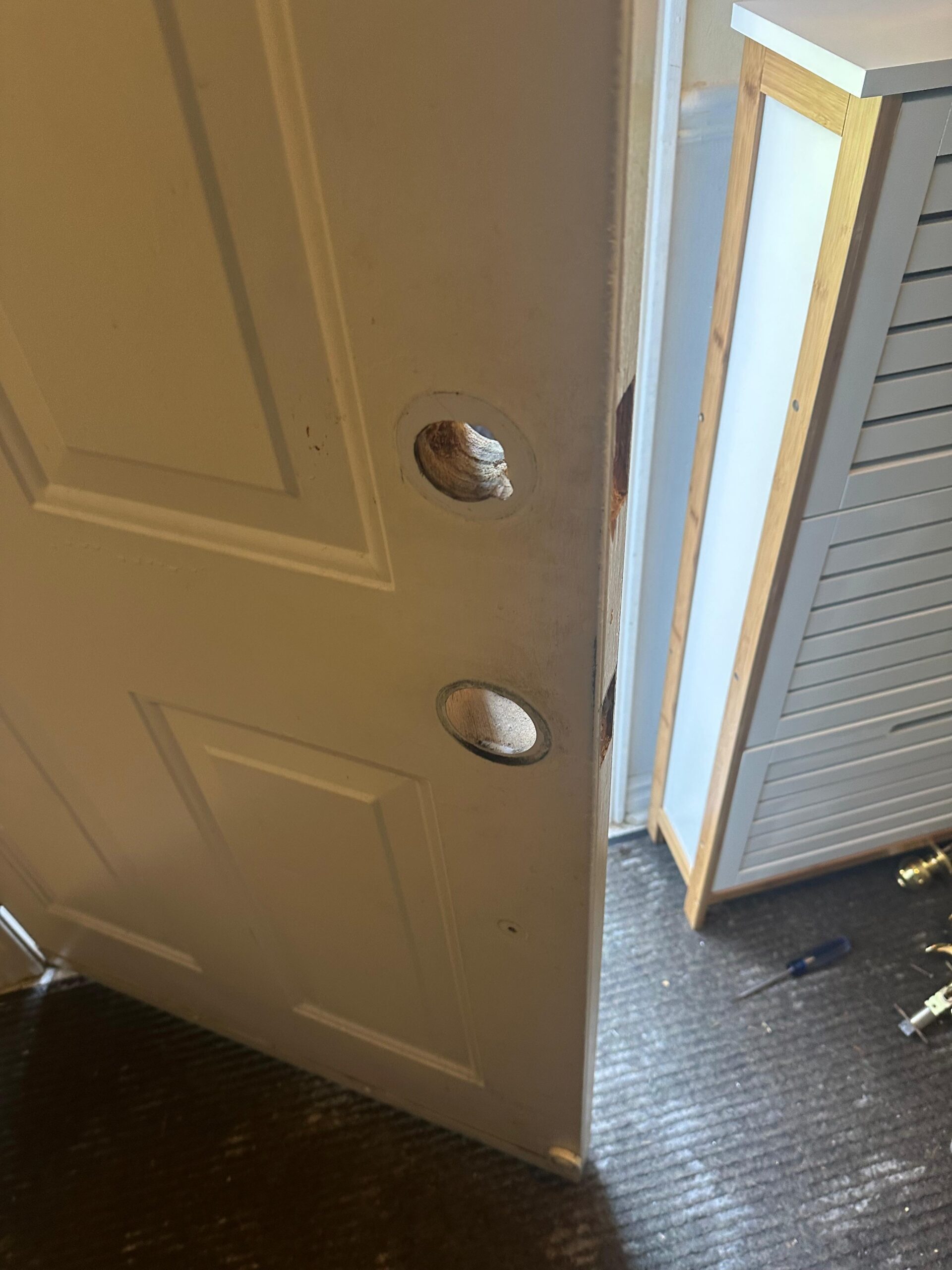
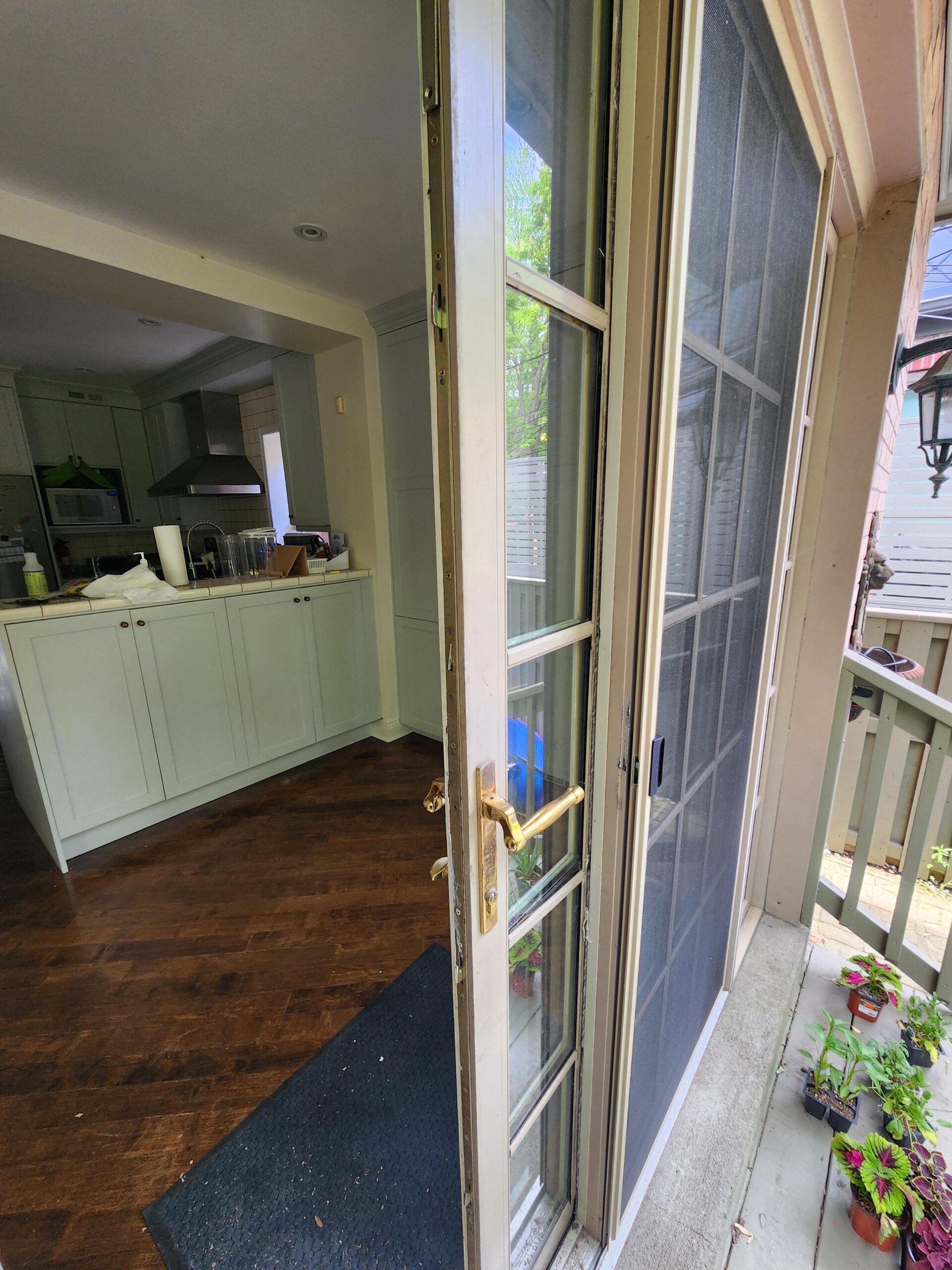
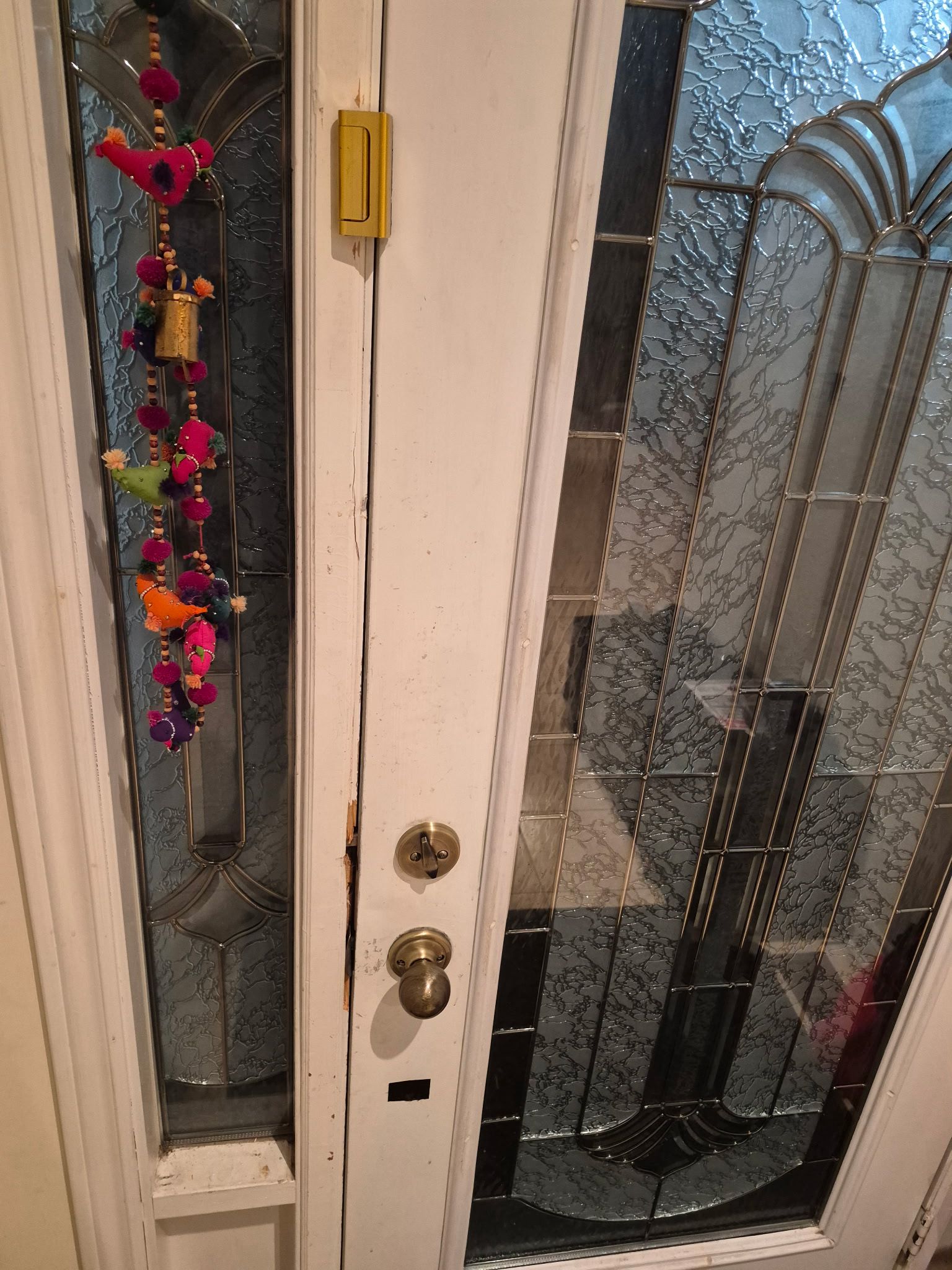
Photograph the outside and inside trim, door edge, strike and any visible damage. Keep tenant names, correspondence, codes and private belongings out of the images. Use the same door descriptions in the work list and invoice so a property manager can connect the repair to the correct unit.
Describe symptoms rather than attributing blame. A loose handle, incomplete bolt travel or a latch that misses the strike can have several causes. The technician's assessment should identify the mechanical condition; it is not a determination of who is financially responsible for damage under a tenancy arrangement.
Note any previous repairs or recurring complaints. If a door has needed lifting to lock for months, that history matters even if the fault becomes more visible during the turnover. A replacement cylinder should not conceal an unresolved alignment condition that will affect the next occupant.
Where access is available, assess the lock with the door open and closed. Check normal latching, the keyed operation, the interior release and any separate deadbolt. A component that works on an open door may still bind under frame pressure once the door is closed.
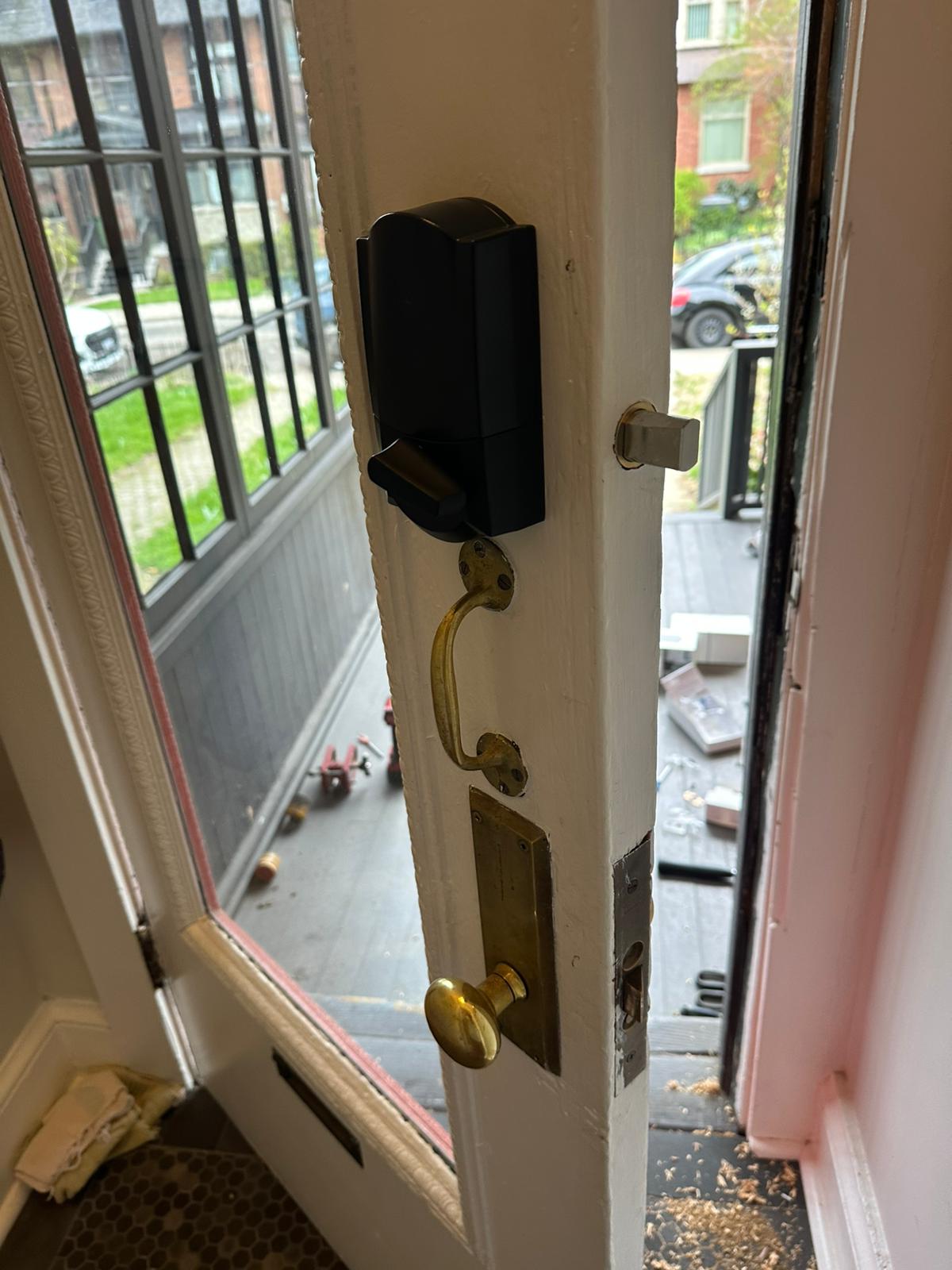
Look for movement at the trim, worn connections, damaged mounting or a handle that does not return normally. Our loose handle repair information explains why these symptoms do not all require the same part. Avoid tightening every screw without understanding the assembly, particularly on controlled or specialized openings.
The hinges, strike and frame may also contribute to the complaint. A latch or bolt should not require the occupant to lift or force the door into position. If another trade is needed for structural or door work, record that remaining scope instead of describing a limited lock repair as a complete restoration.
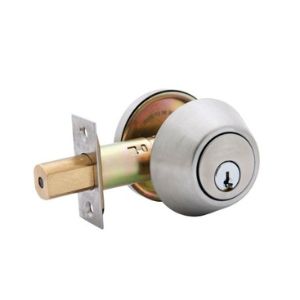
Compatible service parts and adjustments may restore sound hardware. Replacement may be appropriate where components are cracked, heavily worn, unsupported or unsuitable for the opening. Ask the technician to explain the condition supporting the recommendation and which existing parts will remain.
Do not treat cosmetic wear and mechanical failure as identical. A finish concern may belong to a planned renovation while the operating mechanism remains serviceable. Conversely, an attractive lock can have a worn latch or cylinder. Distinguishing those conditions makes the maintenance record more useful.
Our lock repair service covers the broader comparison between repair and replacement. If a product change is chosen, confirm fitting, trim coverage and any building requirements before purchase. A lock that resembles the original is not automatically compatible with its connections or preparation.
Once the appropriate authorization is established, decide whether mechanical access needs changing. Rekeying suitable cylinders can make a previous key unusable at those serviced locks, while replacement may be needed for defective or incompatible hardware. Neither action should be assumed to cover doors omitted from the scope.
List every opening operated by the old key. A front entrance may share access with a rear or connecting door. If only one cylinder is changed, record the unchanged openings. Our move-in rekeying information explains how a known key arrangement can be established while retaining suitable hardware.
Count new keys and document their distribution under the agreed property arrangement. Keep any restricted-key authorization or duplication instructions privately with the management records. Do not attach a full unit address to a loose spare key.
Photos
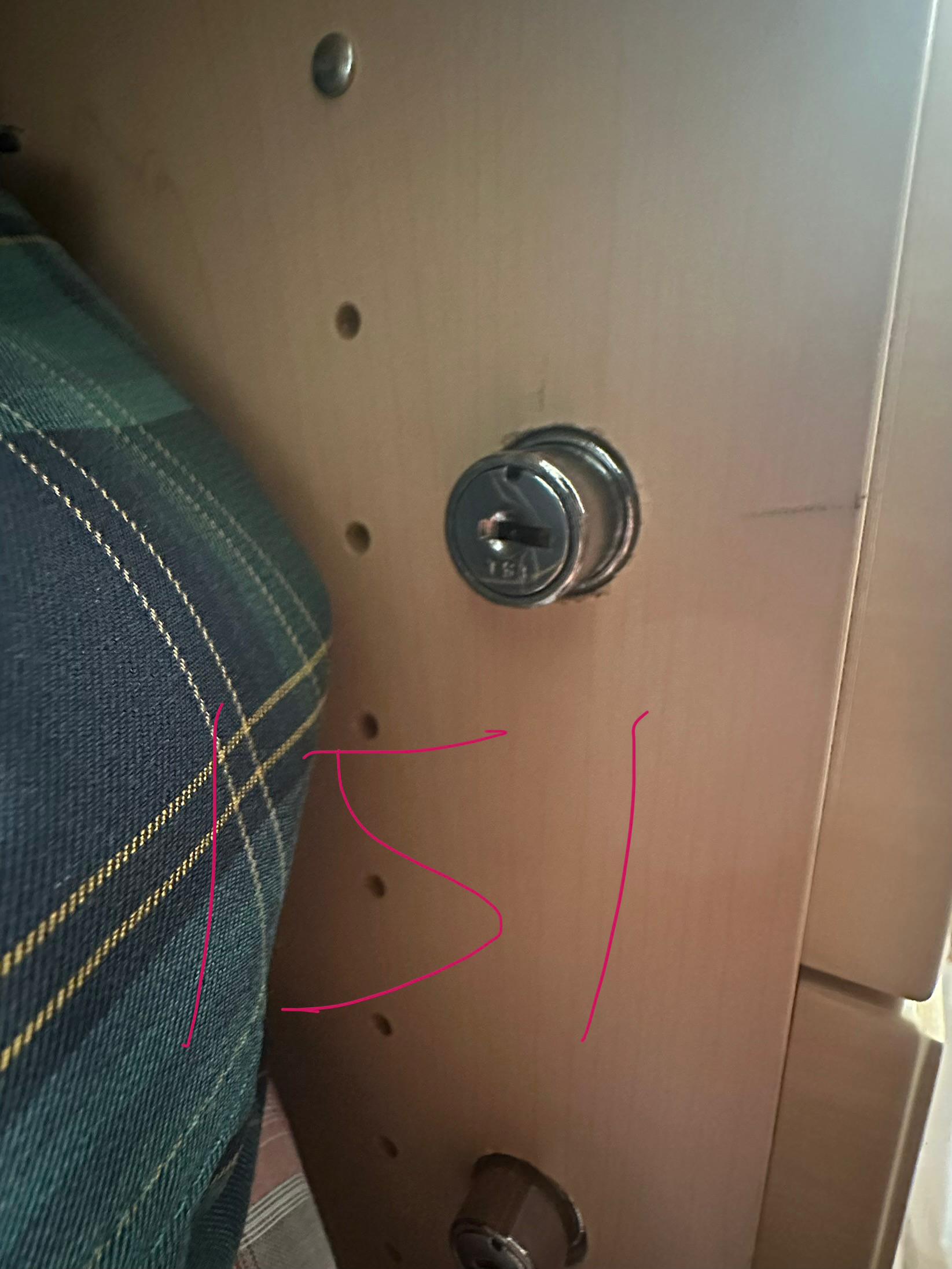
Photographs from GTA Lockman Mobile Locksmith Services work across Toronto and the GTA. Send a picture of your own door and we can tell you what the visit would involve.
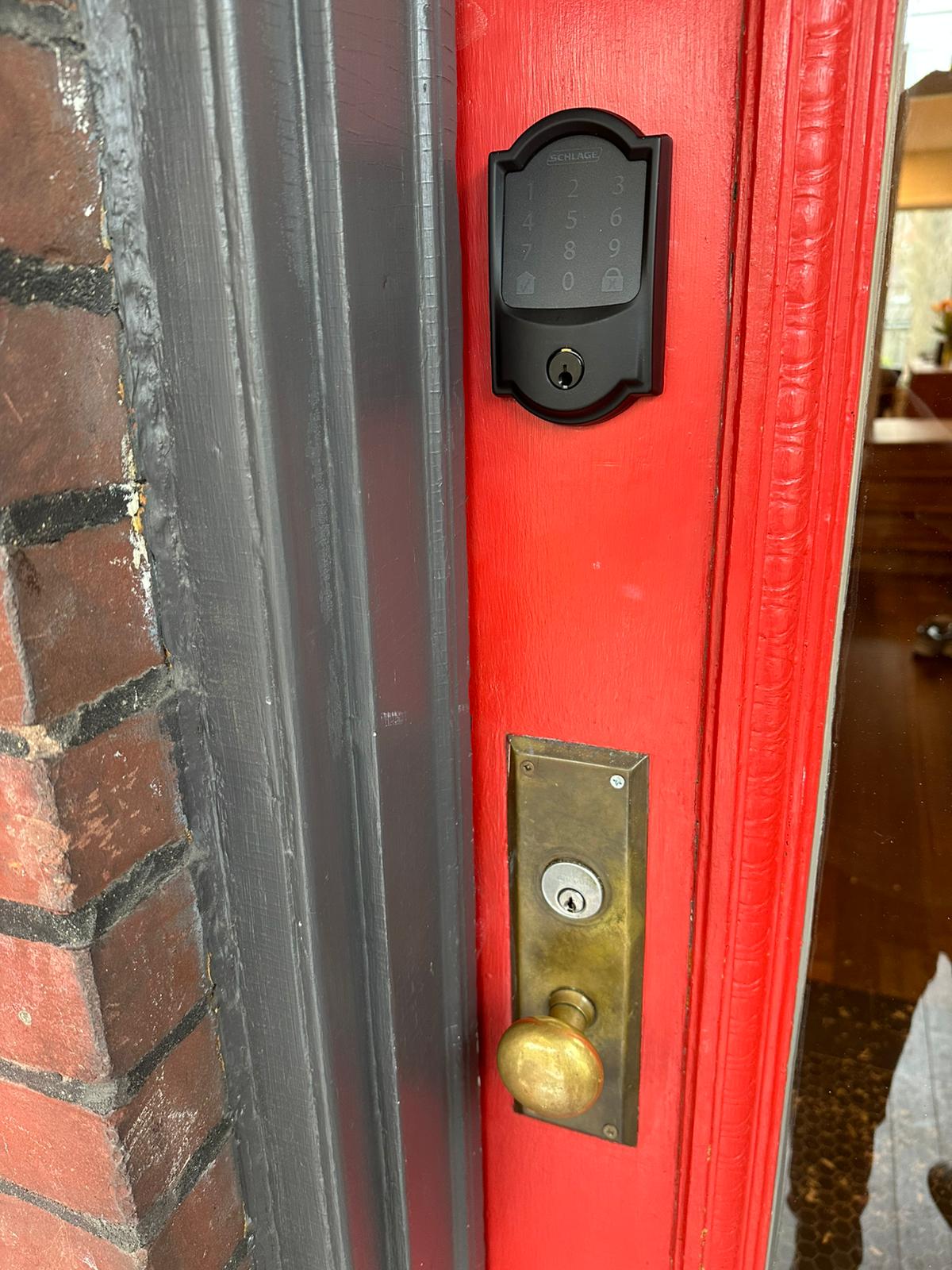
A keypad or smart lock needs a separate user and ownership review. Mechanical repair does not remove former user codes or transfer a connected account. Identify who is entitled to administer the device and follow its supported handover process.
Do not factory-reset an unfamiliar product before confirming the model and a usable access method. A reset may erase settings while leaving a physical alignment fault untouched. Record the device's symptoms, battery warnings and relevant model information without exposing PINs or account credentials in the work order.
If the lock is functioning mechanically but an account remains linked to a former administrator, the product provider may need to assist. Mark that issue as outstanding. The next occupant should not be told the complete access system is ready based only on a successful mechanical key test.
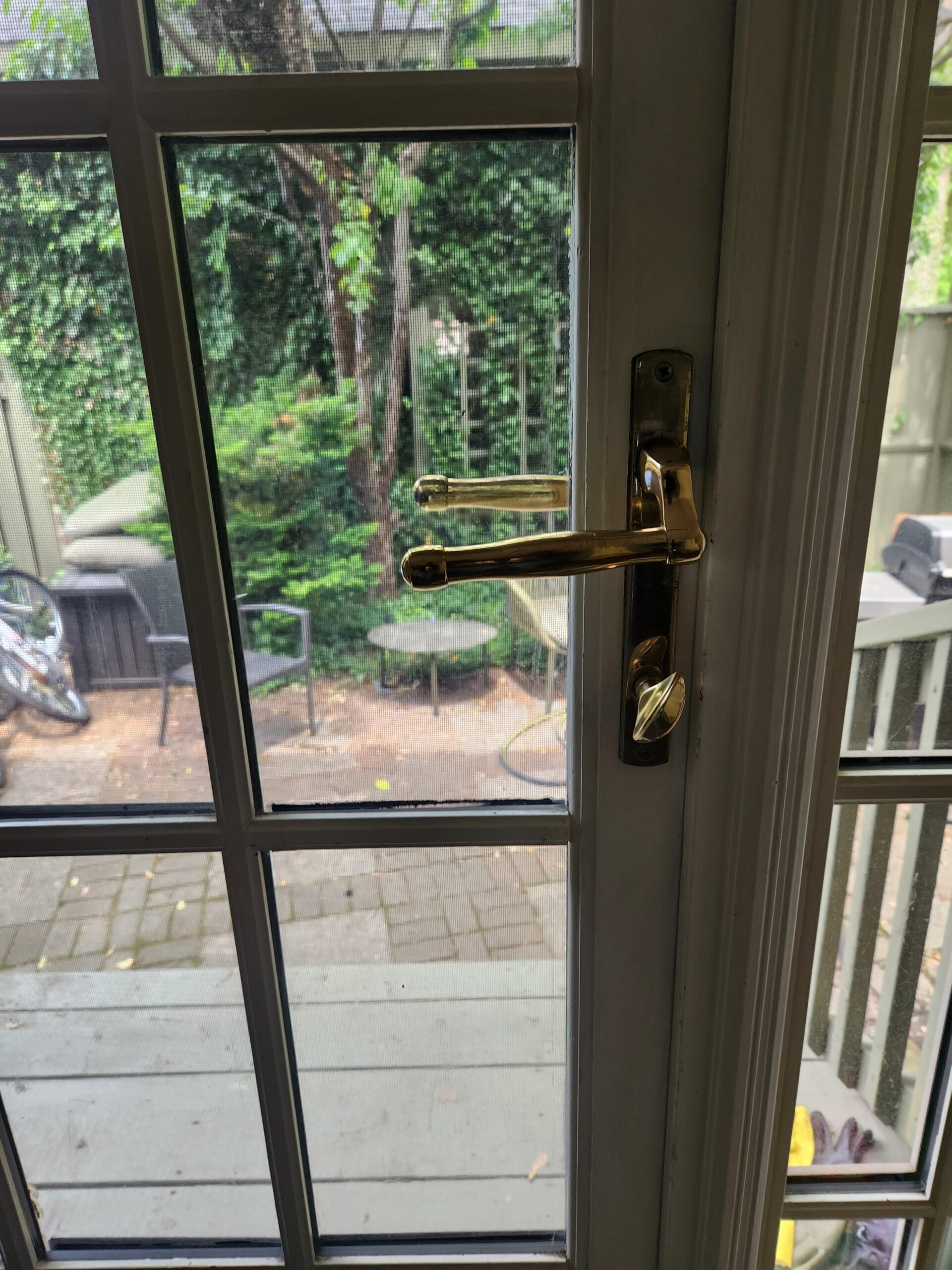
Management may specify the hardware, appearance or key arrangement for a suite entrance. Confirm those requirements before replacing a lock during turnover. A product selected for another unit may not suit this door's preparation or required function.
Common-area keys, fobs and parking credentials are administered separately from the suite lock. Keep their return or deactivation process on the management checklist rather than assuming the locksmith's work includes them. Permission for a private unit does not authorize alterations to a shared entrance.
If internal damage changes the recommended scope, obtain the responsible person's approval before extending the job. Clearly identifying that person in advance prevents a maintenance visit from becoming an unplanned hardware change based on informal instructions.
Test the door through ordinary closing and locking cycles with the responsible representative present. Check each supplied key and any supported code included in the authorized work. The occupant should not need to learn a special push or lift to compensate for an unresolved fault.
Provide a record of the observed condition, repairs, retained components and remaining work. Keep model information and the invoice with the property file. Distinguish a completed repair from a completed access change and from any outstanding electronic or management action.
A clear turnover record benefits both maintenance and future service. It shows what was actually inspected and corrected without relying on assumptions about the previous tenant or promising that unrelated parts of the property were checked. The final scope should remain as specific as the original approved request.
Check each authorized opening by location rather than grouping everything under lock repair. The front deadbolt may need alignment work, a bedroom handle may have a failed return component, and a mailbox may need its own compatible cylinder. Note which tasks affect ordinary entry and which concern a separate key change.
For tenancy questions, use the responsible property process and relevant official guidance, such as the Ontario Landlord and Tenant Board's information on ending a tenancy. The hardware appointment should follow established authorization rather than make that determination. Once work is approved, keep the condition record, proposed actions and completed tests together. This makes it clear what was restored, what access changed and what another trade or administrator still needs to complete before the intended handover.
Keep reading
No. A repair may restore a latch, handle, mounting connection or alignment while leaving the cylinder's key combination unchanged. Rekeying or replacement addresses a different access-control objective. State whether both are requested, and establish the relevant authorization and possession arrangements before work. The proposal should identify which action repairs the fault and which changes key access. Afterward, record any doors left on the existing key. This distinction matters when preparing a property for its next authorized occupant because a smooth-working lock can still accept every previously issued key.
No. A repair may restore a latch, handle, mounting connection or alignment while leaving the cylinder's key combination unchanged. Rekeying or replacement addresses a different access-control objective. State whether both are requested, and establish the relevant authorization and possession arrangements before work. The proposal should identify which action repairs the fault and which changes key access. Afterward, record any doors left on the existing key. This distinction matters when preparing a property for its next authorized occupant because a smooth-working lock can still accept every previously issued key.
Arrange service when lawful access and authority to instruct the work have been established through the appropriate property process. A planned departure, missing belongings or an unreturned key should not be treated as a locksmith's determination that possession has changed. Resolve any uncertainty with the relevant parties or adviser before the appointment. Once the authorized scope is clear, provide access arrangements and the contact who can approve repairs. Keep the timing of the hardware visit separate from any unresolved tenancy issue so the technician can focus on the condition of the opening.
Photograph the accessible hardware and door condition, including the affected mounting area and strike where relevant. Avoid including personal belongings or documents that are not needed for the maintenance record. Describe observable symptoms such as a loose lever, missing screw or bolt that will not extend, without assigning responsibility from appearance alone. The technician can record the finding and completed work. If the property owner needs evidence for a separate dispute, that process should not be confused with the repair assessment. Preserve useful factual records before components are changed, while keeping the appointment's scope clear.
Tightening may be part of a suitable repair, but the cause of looseness should be checked. Worn connections, damaged mounting points or incorrect components can make the problem return. The door's material and preparation may also need attention. Ask the technician to explain whether the assembly can be secured correctly and whether its normal function is restored. Test the handle, latch and keyed controls after the work. A firmer exterior plate alone does not establish that the internal mechanism, door alignment and intended inside release are all satisfactory for the next occupant.
Identify who controls the entrance and which authorized users require access. A shared door can form part of a wider key arrangement, so changing one cylinder may affect people beyond the departing occupant. Management should establish the intended key relationships and handover process. Record all openings that the old key operates, including any separate storage or mailbox access. The mechanical assessment can then address wear while the authorized key plan addresses access. Do not assume that one vacant room gives permission to alter a common entrance without considering the other occupants and responsible property representative.
Base the decision on condition, suitability and the intended access arrangement. Sound compatible hardware may be retained and serviced or rekeyed. Damaged, unsupported or unsuitable components may justify replacement. A turnover is an opportunity to inspect normal operation, but it does not make complete replacement necessary in every case. Ask what finding supports each proposed item and whether any surrounding door work is required. This produces a maintenance record tied to actual conditions rather than a standard list of parts changed regardless of whether they were causing the reported problem.
Use the product's supported administration process with the authorized account owner. Removing a user, changing local codes and transferring an account can be different actions, depending on the model. A mechanical rekey does not perform those tasks automatically. Keep passwords and recovery details private and confirm the intended administrator for the next authorized occupancy. If ownership or provider access is unresolved, record it as a separate requirement. The service handover should distinguish repaired hardware from completed electronic administration so a functioning latch is not treated as proof that all previous digital access has changed.
Demonstrate normal closing, locking, unlocking and inside release using the supplied keys or supported controls. Explain any operating feature that differs from familiar household hardware. Provide the appropriate product instructions and identify who handles maintenance or account administration. Record any outstanding condition rather than passing on an unexplained workaround, such as lifting the door to turn the key. The owner or representative should also keep the model and completed work details. A clear handover helps the next occupant report a new symptom accurately and separates new faults from conditions already identified at turnover.
Describe the door, hardware and service address. Contact GTA Lockman Mobile Locksmith Services to confirm the scope and scheduling for your location.