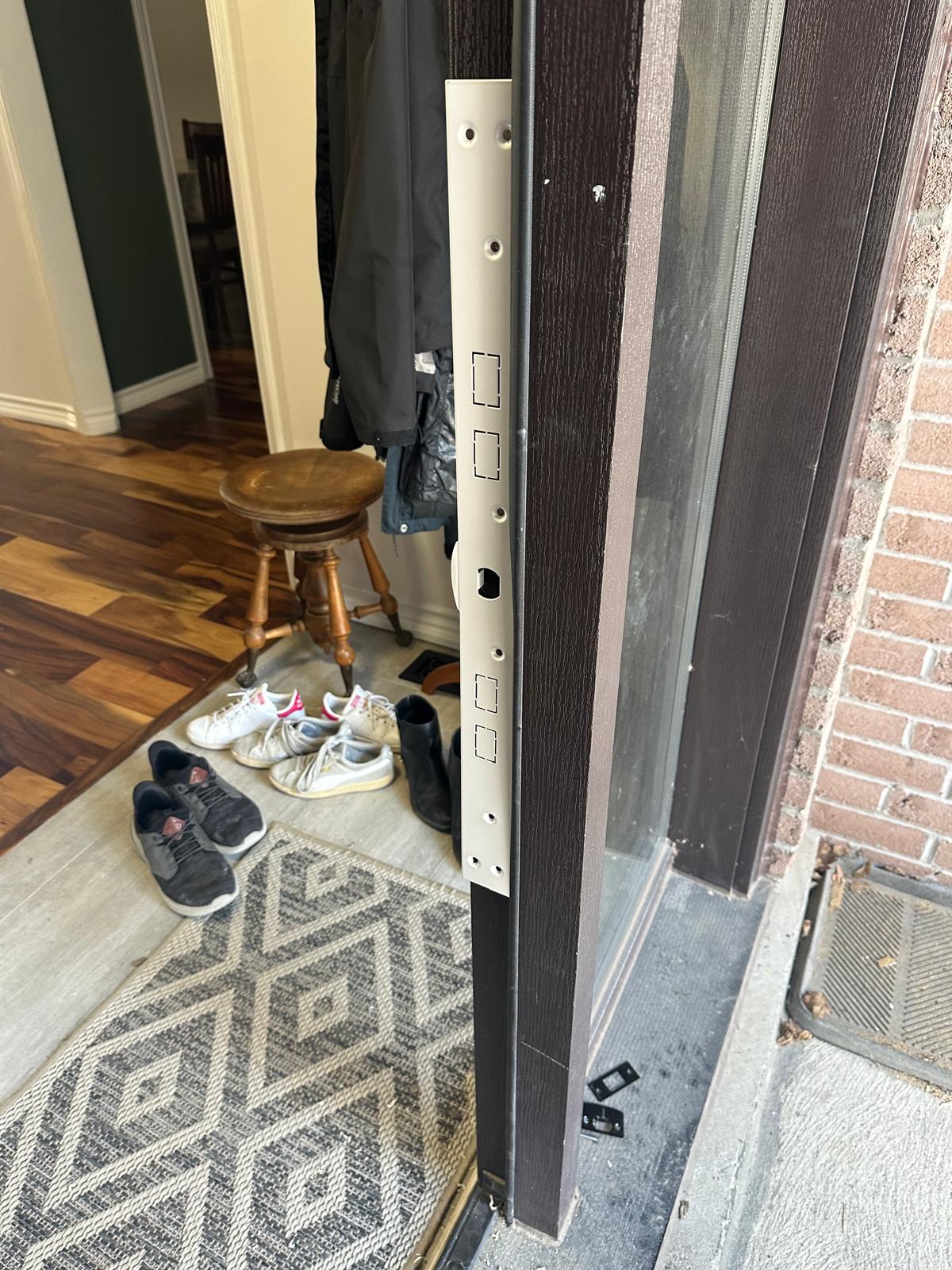
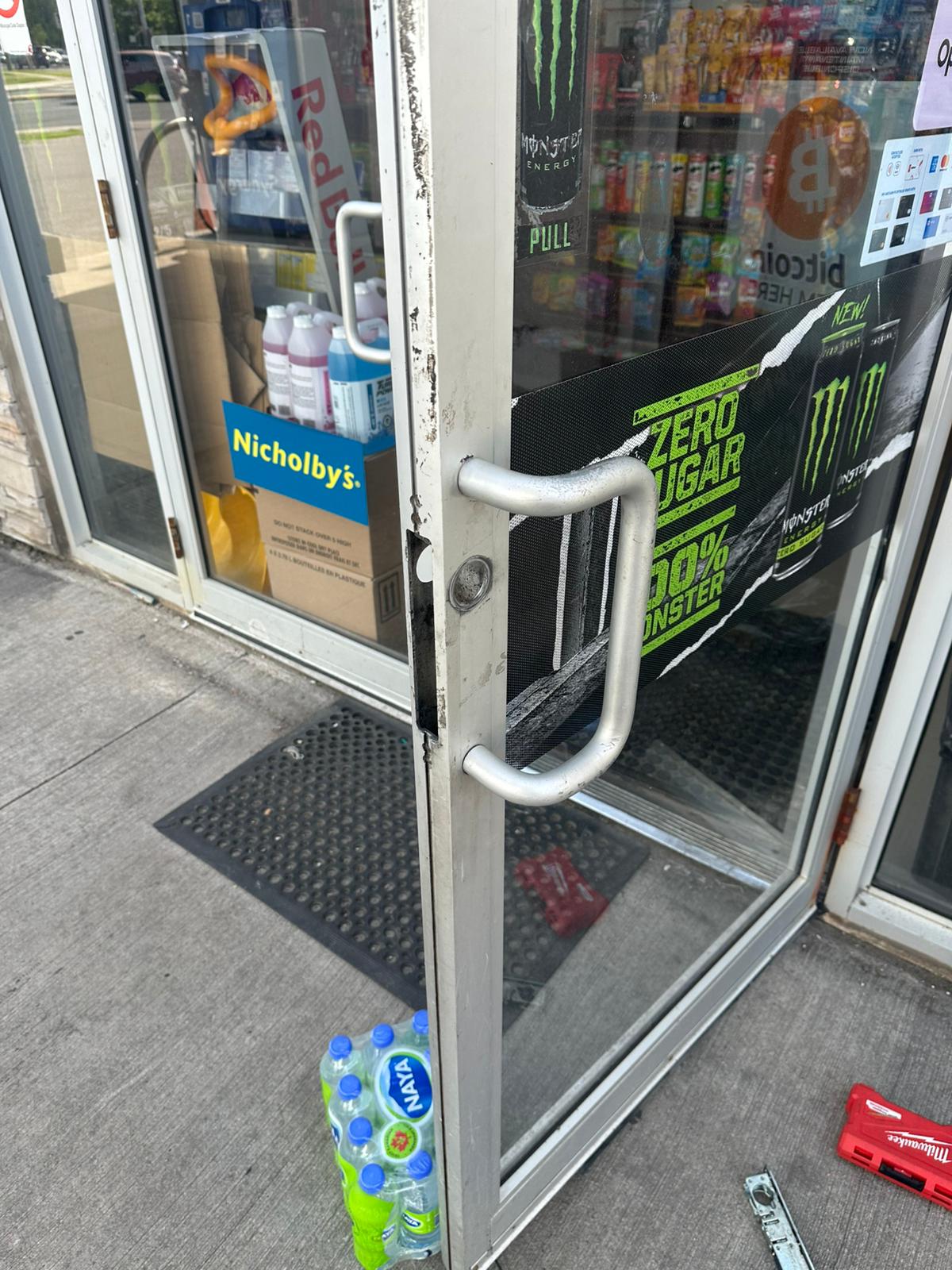
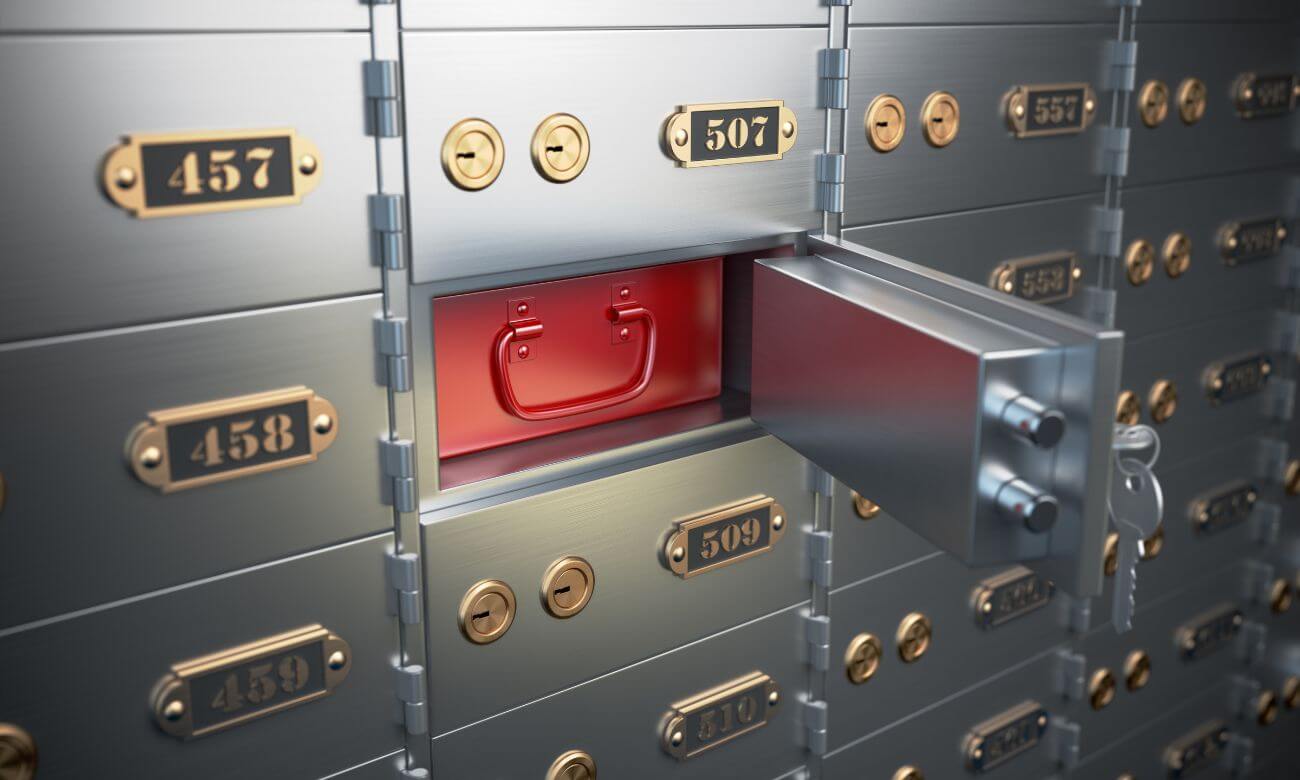
Any change to the building's locks makes the box out of date by exactly that much. A rekeyed entrance, a replaced mechanical room cylinder, a new gate lock: each one leaves a key in the box that no longer opens what it is labelled for.
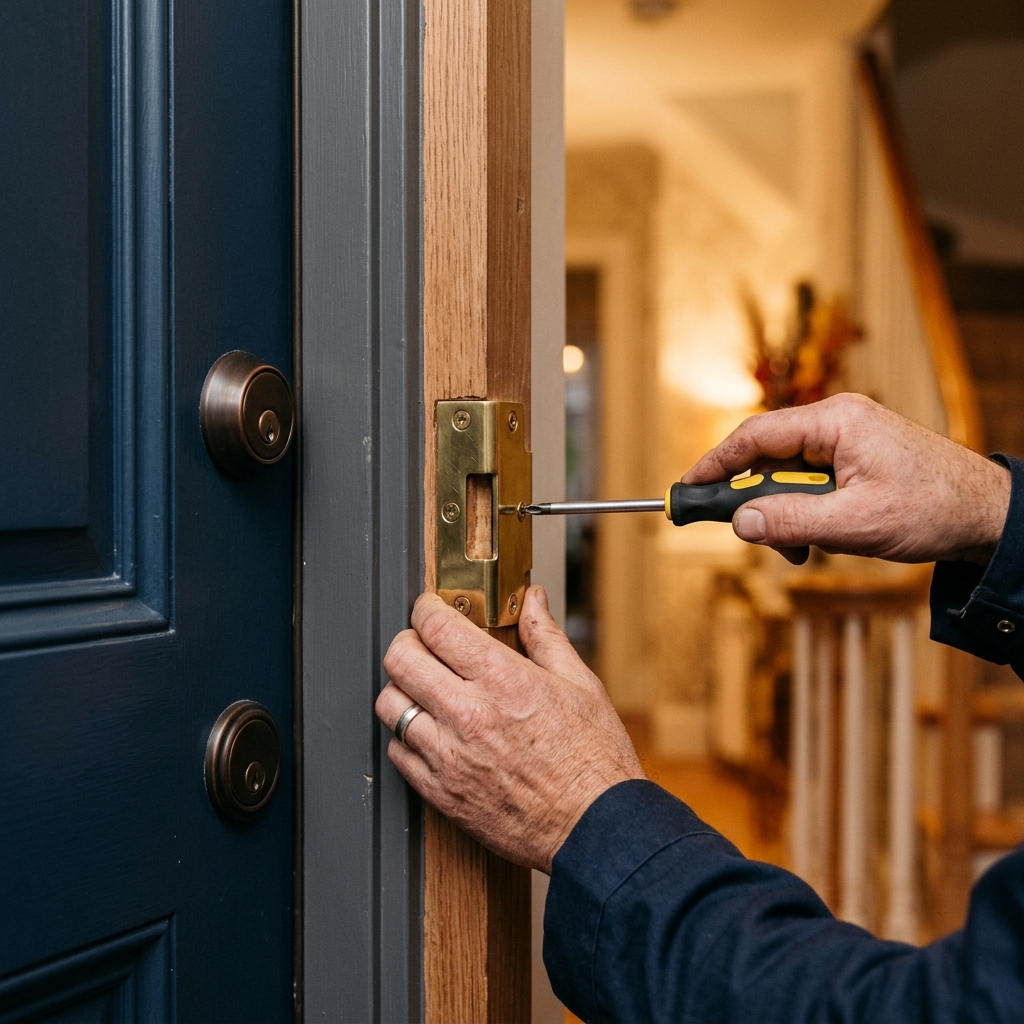
Build the update into the work itself rather than leaving it as a follow-up. When we rekey or replace hardware on a building with a key box, tell us it exists and we will cut the replacement keys as part of the same job, so the box is correct the day the work finishes rather than at some later point nobody schedules.
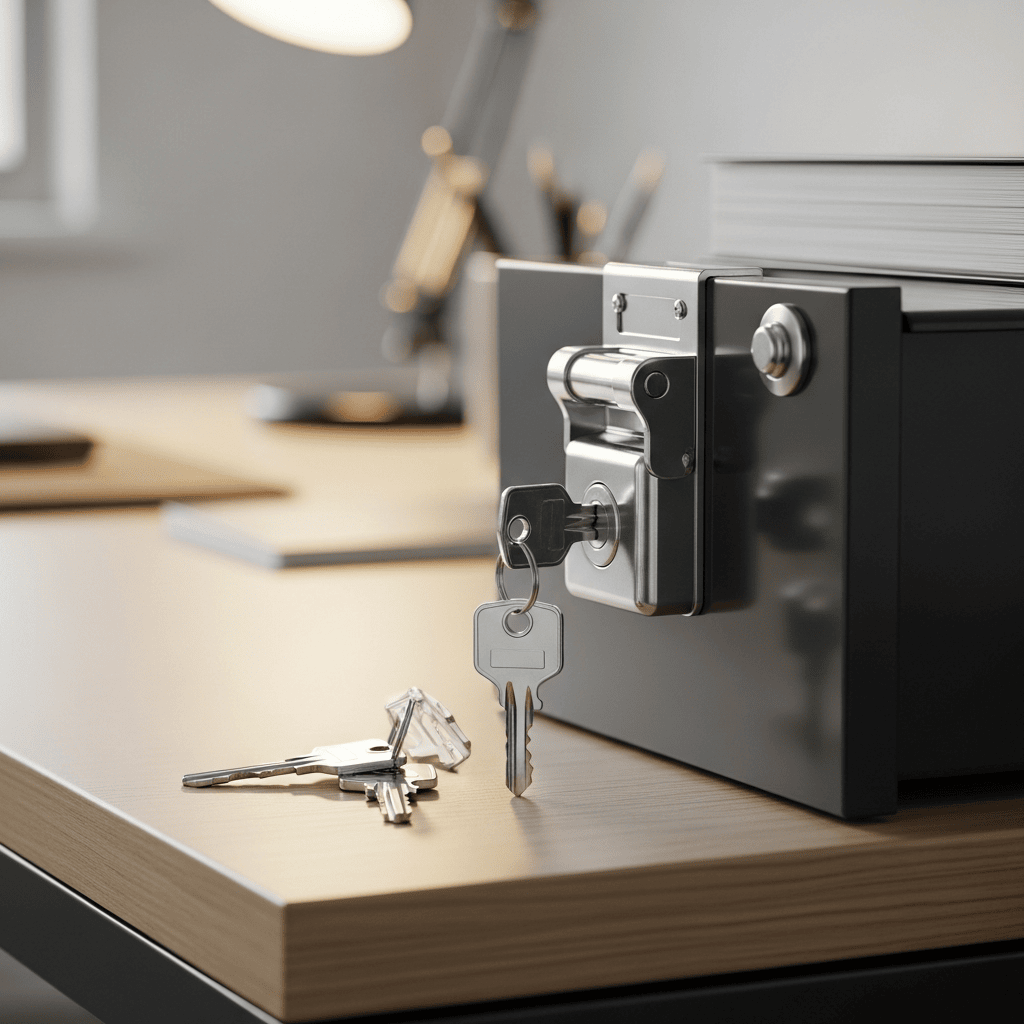
It is also worth testing the arrangement once rather than assuming it. Open the box, take out each key, and try it in the door it is labelled for. That exercise finds obsolete keys, mislabelled keys and boxes that have seized from weather, and it takes about fifteen minutes for a small building.
Do it on a fixed date each year, alongside whatever else gets checked, and record that date on the sheet.
The short version for a small building with no staff: ask the fire department what they require, put the mechanical keys that actually work in whatever box they approve, write down what is inside, and check it once a year. That covers most of what goes wrong with these arrangements, which is almost never the box itself.
Buildings that hold keys for a key box usually hold many others too, and a locked cabinet with a sign-out register, as used in key cabinets and managing many keys, keeps the spares for the box accounted for.