Locksmith services are always 10% off for seniors.
Open Mon–Thu 8:30 AM–9 PM, Fri 8:30 AM–4 PM, Sun 9:30 AM–9 PM
Locksmith services are always 10% off for seniors.
Open Mon–Thu 8:30 AM–9 PM, Fri 8:30 AM–4 PM, Sun 9:30 AM–9 PM
GTA Lockman Mobile Locksmith Services · Toronto & GTA
Decide whether the situation needs 911, then use the outside release or have the lock opened without damage.
Related services
Understand what a privacy lock does, how to release one from outside, and when a room needs a keyed lock.
Learn moreChoose levers, deadbolts and keys that an older person can operate reliably while keeping the home secure.
Learn moreInvestigate why the door will not catch or release cleanly, including latch wear and frame alignment.
Learn moreFind why the handle moves, droops or fails to retract the latch, then address the responsible component.
Learn moreAuthorized entry to your home, followed by a look at why the lockout happened and whether the lock needs attention.
Learn moreRegain entry to a suite while respecting building rules, fire-rated doors and the access arrangements of the property.
Learn more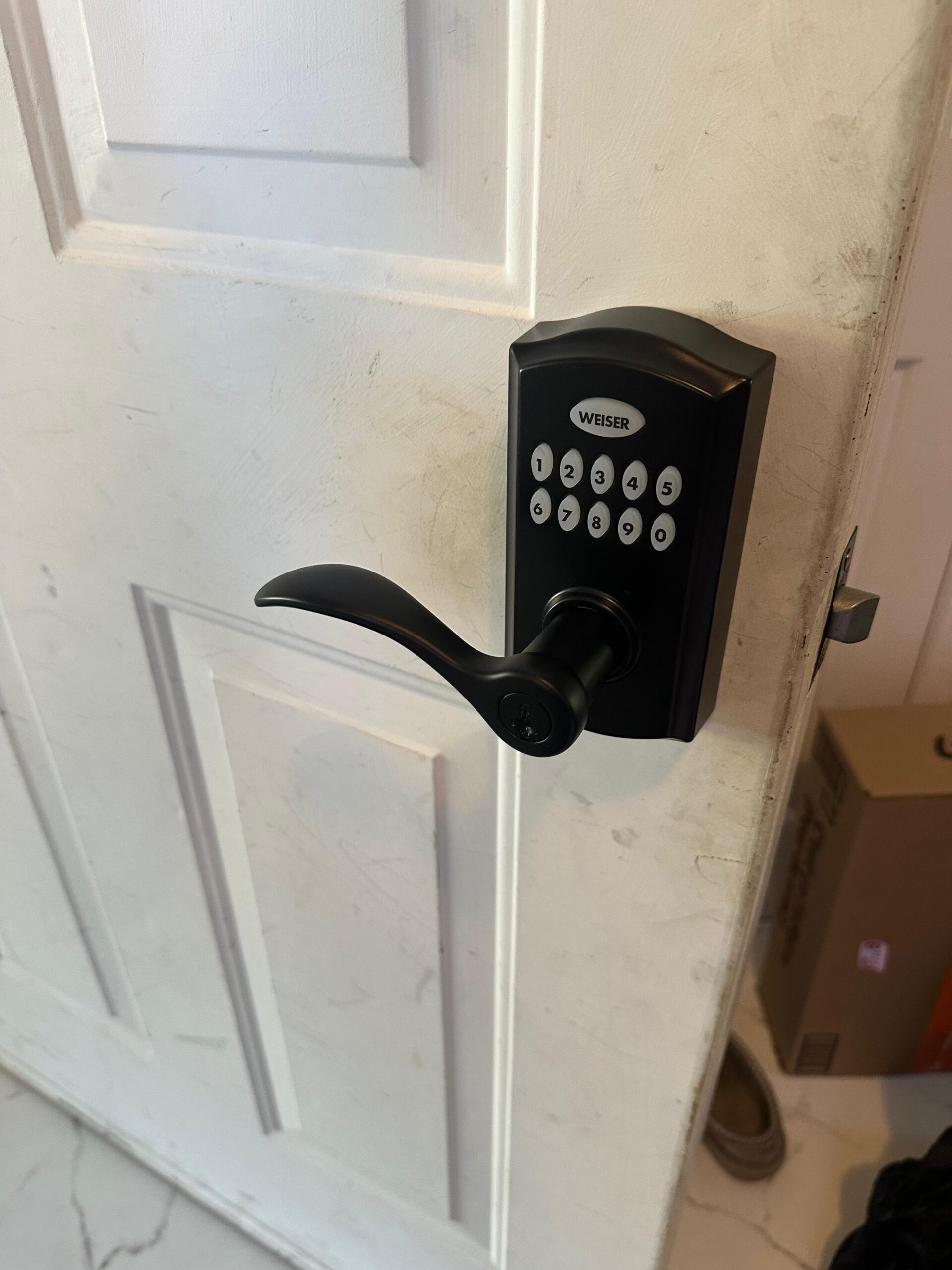
If a child, an older adult or anyone who may be unwell is behind a locked door and cannot open it, call 911 before anything else. The same applies if there is a fire risk, a medical concern, running water, a stove left on, or a pet in a hot vehicle. Fire services and paramedics have their own methods and their own authority, and they will not wait for a locksmith.
If nobody is in danger and the situation is inconvenient rather than serious, a locksmith is the right call. That second case covers most calls: a toddler who has turned the bathroom button, a bedroom door that has jammed with a pet inside, or a door that has locked behind someone in a part of the house.
Take a moment to decide which situation you have. It is the one decision that really matters before anything else.
If the person inside can hear and respond, that changes everything. Most interior privacy locks release from the inside easily, and children often manage it with calm instructions. Ask them to describe the handle, and to turn or push the button while pulling the handle down.
Keep your voice steady. A frightened child will stop trying, and a distressed pet will move away from the door. If you can pass water, a phone or a toy under the door while you sort out the lock, do it.
For a locked bedroom with an older relative inside who has fallen, do not delay. Call 911.
Almost every interior privacy set has an emergency release on the outside. Look at the centre of the knob or lever: a narrow slot takes a flat screwdriver or a coin, a small round hole takes the pin supplied with the lock or a straightened paperclip, and some sets have a small keyed cylinder.
Push or turn gently and try the handle at the same time. If the lock is worn, it may need a moment of patience rather than force. Most interior privacy locks have an emergency release on the outside, and knowing where yours is saves time.
Do not use a credit card on a deadbolt, and do not attack the door with a screwdriver at the frame. Both usually end with a damaged door and the same locked room.
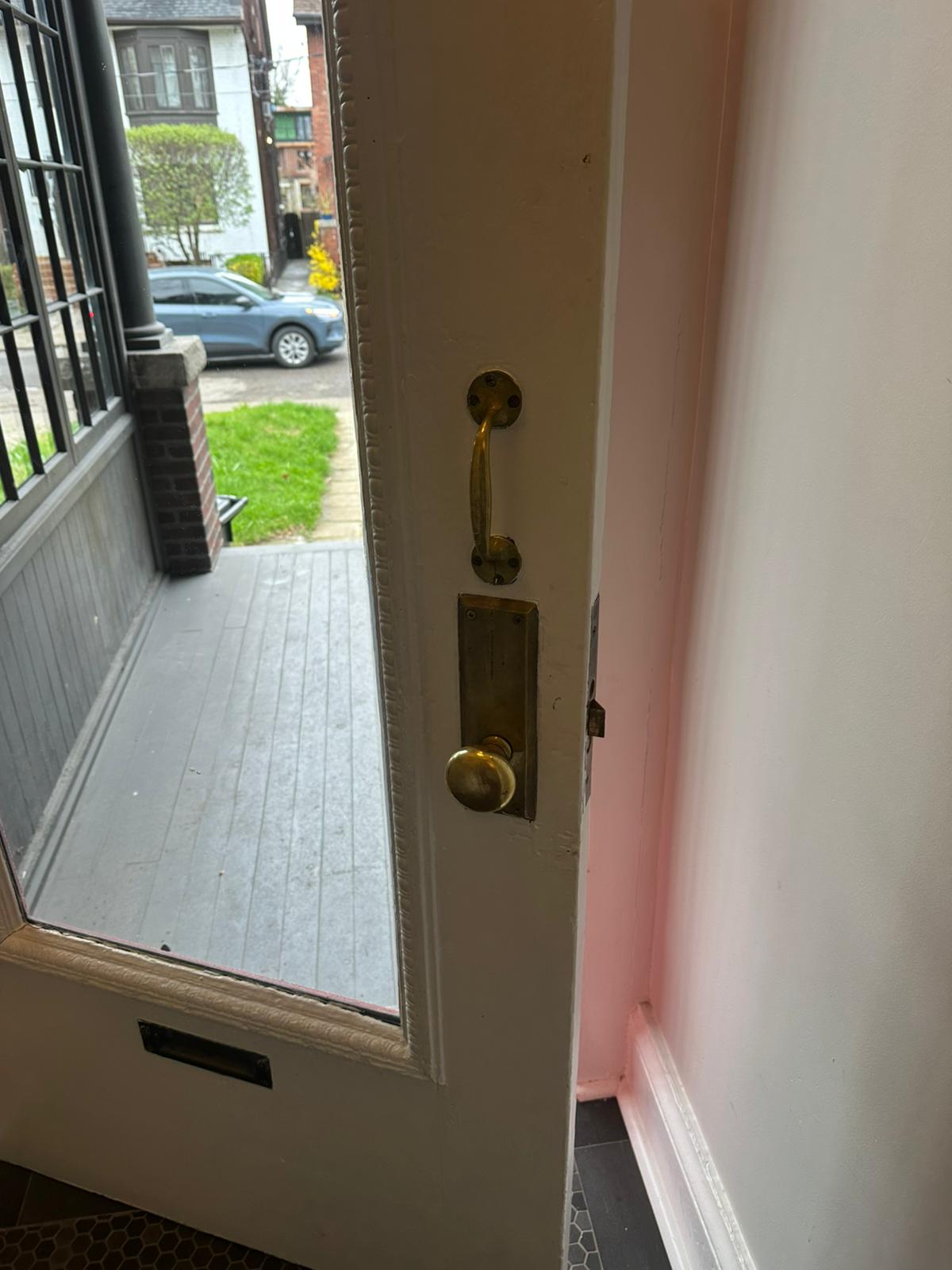
Sometimes the release is missing, painted over, or the lock has failed internally. At that point the choice is between removing the lock and removing the door.
A technician can usually take the handle set off from the outside and retract the latch without damaging the door. Where the mechanism has broken, a component may need to be sacrificed. Either way it is repairable, and the door itself normally survives.
If the door is an exterior one and the person inside cannot open it, that is a different situation; see house lockout service.
A pet shut in a room is usually a matter of patience rather than urgency, unless the animal is unwell, the room is hot, or there is a hazard inside. Cats in particular can turn a lever and shut themselves in.
Keep the animal calm while the lock is dealt with. Avoid forcing the door, because a door that bursts open can injure an animal standing behind it.
If the pet is in a vehicle in the heat, treat it as an emergency and call 911. That is not a locksmith call.
Photos
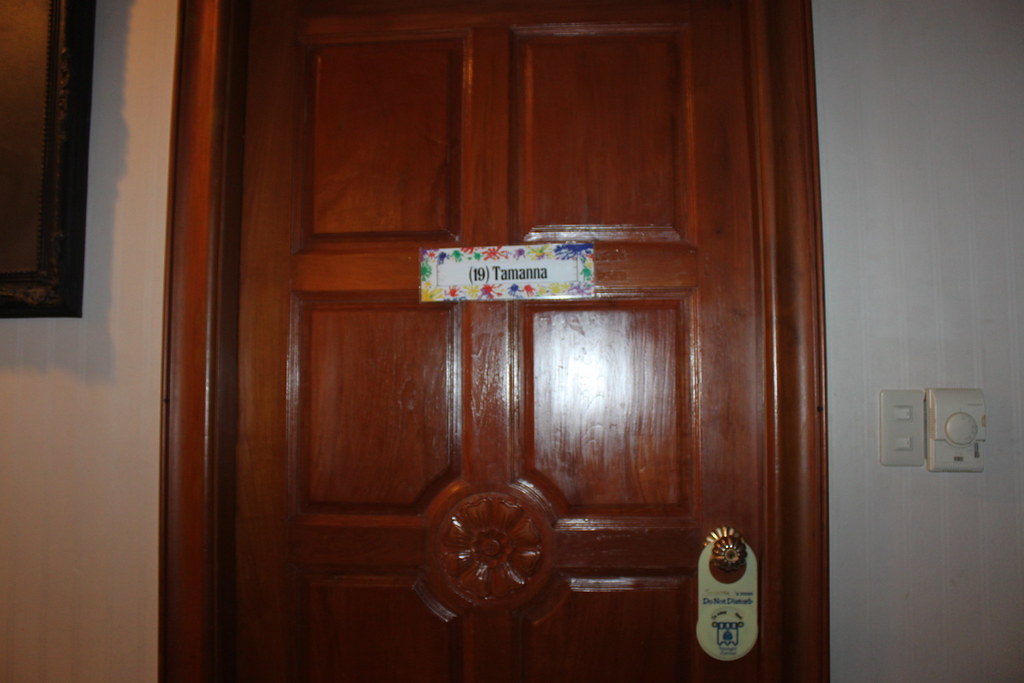
Photographs from GTA Lockman Mobile Locksmith Services work across Toronto and the GTA. Send a picture of your own door and we can tell you what the visit would involve.
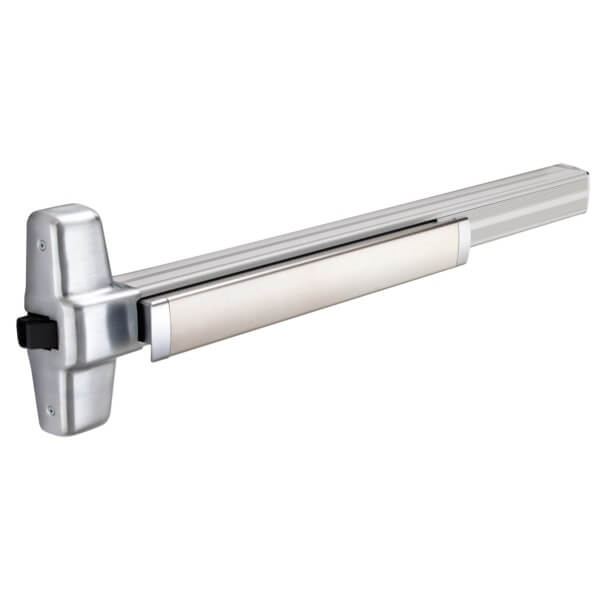
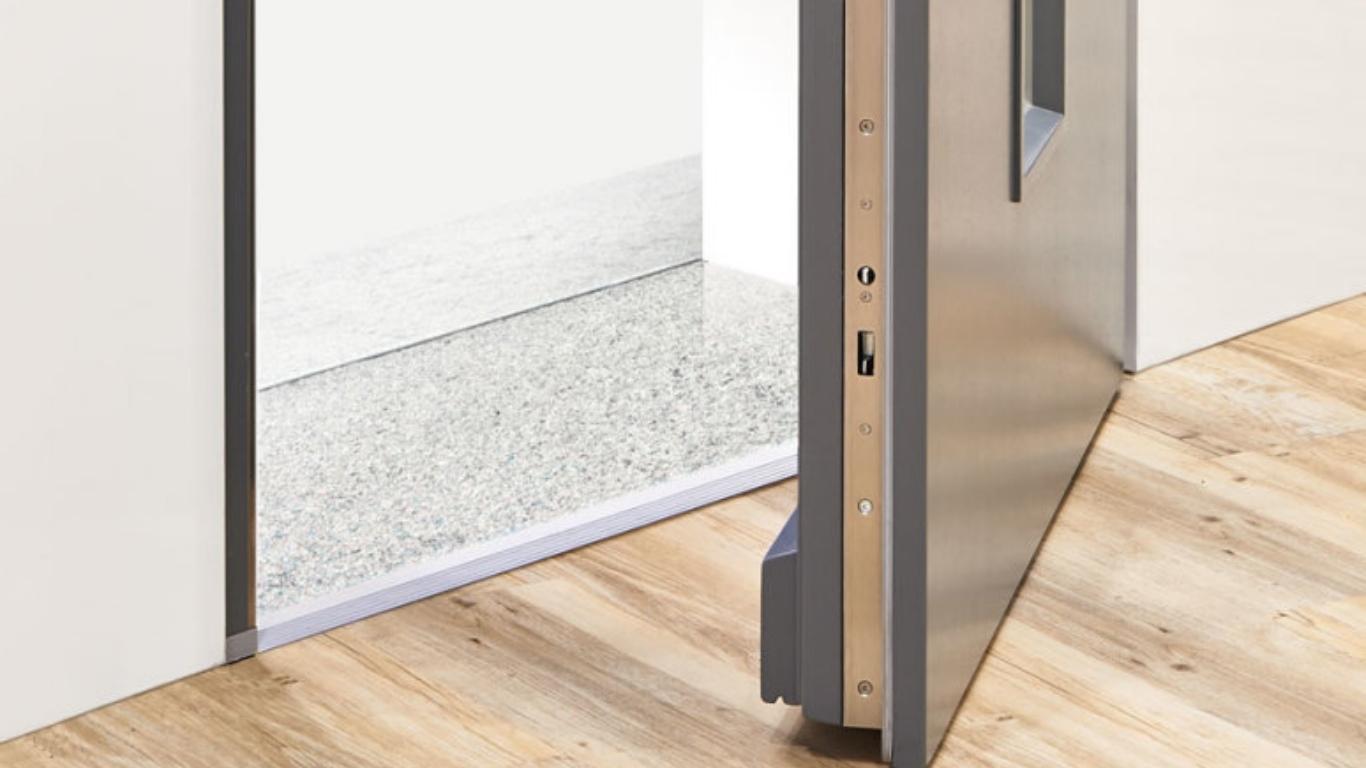
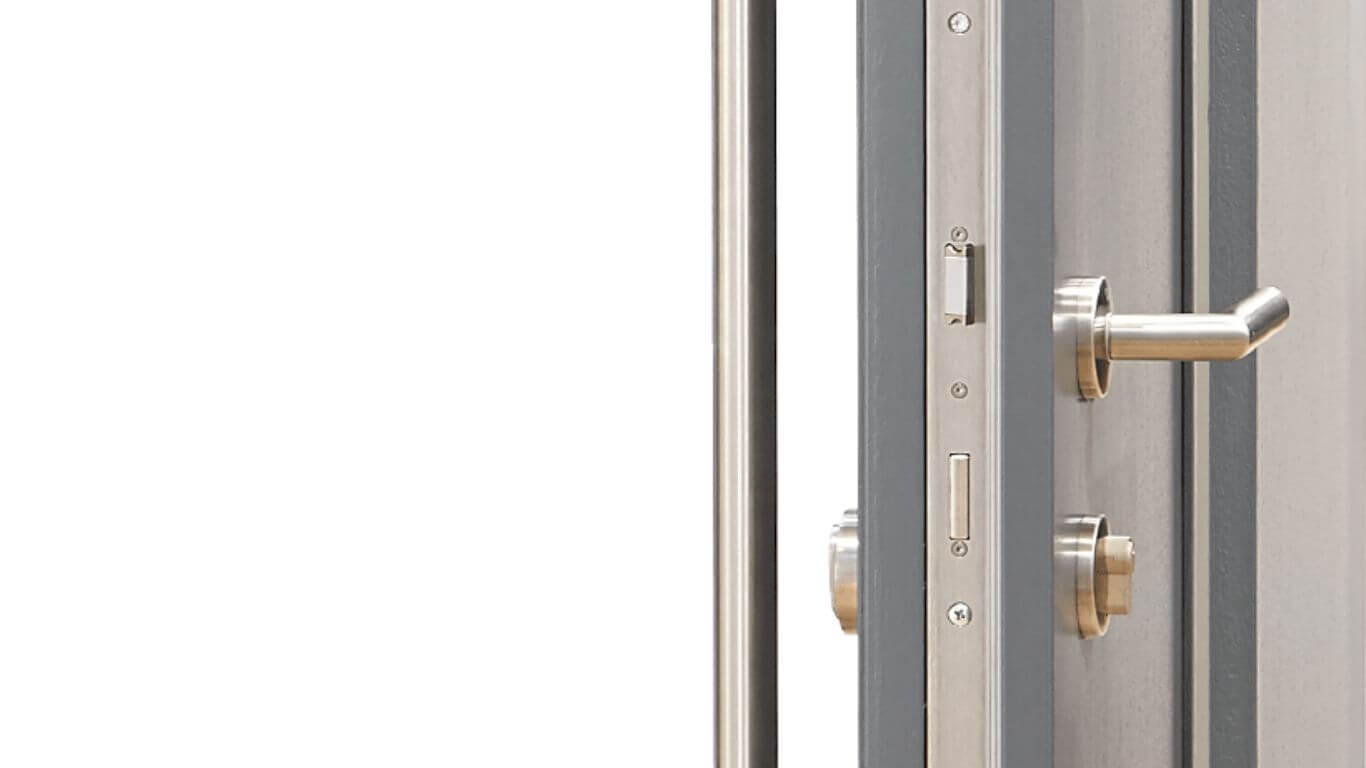
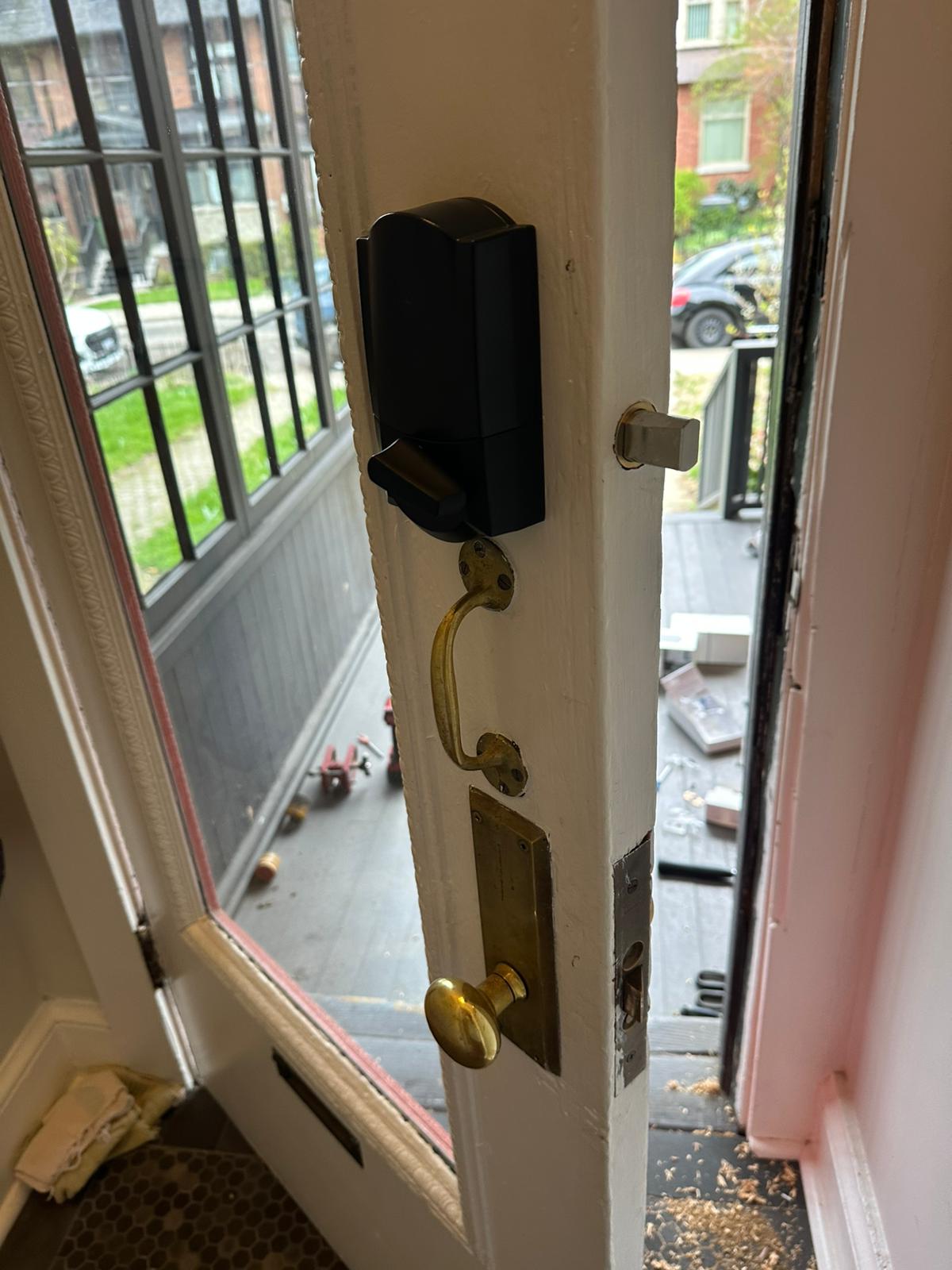
Not every closed door is locked. Swollen frames, dropped hinges, a failed latch spring and a broken spindle can all leave a door shut with nothing turning. This is common in older homes and after humid weather.
Those faults are put right afterwards through door latch and strike plate repair or loose door handle and lock repair. Tell us what happens when the handle turns, because a handle that spins freely points to a different problem from one that will not move at all.
Households with young children often replace privacy sets on bathrooms with passage sets, which have no lock at all, or keep the release tool on a hook beside the door where everyone can find it.
Test every interior release when you move into a home, and again if a lock starts to feel loose. Keeping a small flat screwdriver or the manufacturer's pin in a known place turns this situation into a two-minute job rather than a phone call. In households where someone may need help efficiently, easier-to-use door hardware for seniors is worth considering.
Suite doors are fire-rated and usually cannot be worked on in the ways an interior door can, and building rules may apply. If someone is locked in a bathroom inside a suite, that is an interior door and the same approach applies.
If a resident is locked inside the suite itself and cannot open the door, call 911 if there is any concern, and contact the concierge or property manager, who may hold a suite key. Suite doors carry their own constraints, the same ones that apply during apartment and condo lockouts.
The technician confirms who is inside and whether anyone needs medical help, then works on the lock: releasing the privacy mechanism, removing the handle set, or retracting the latch. The aim is to open the door without damaging it and to leave the hardware working or replaced.
Tell us the type of door, what the handle does, who or what is inside, and whether anyone is distressed. If the situation changes while you wait, call 911.
Once the door opens, work out why it happened, because the same lock will do it again. If a child turned the button, consider whether that room needs a lock at all. If the release failed, the privacy set has worn out and is inexpensive to replace. If the latch had jammed, the door or frame needs adjusting rather than the handle being replaced.
It is also worth checking the other interior doors in the house while someone is there. Households usually find at least one other door whose release does not work, and finding that on a calm afternoon is far better than discovering it during the next incident.
The single most useful habit is keeping a suitable release tool where anyone can find it: a small flat screwdriver or the pin supplied with the lock, on a hook beside the bathroom door or in a hall drawer everyone knows about. Tape a spare to the inside of a nearby cupboard door if that suits the household better.
Tell everyone in the home where it is, including older children and anyone who stays regularly. A tool in a toolbox in the basement is a tool nobody will find when it matters.
Describe the room, the handle, whether there is a visible slot or hole on the outside, and who is behind the door. Our posted hours are listed with our contact details, and we do not promise a fixed arrival time, which is why a situation involving someone's health belongs with 911 rather than with us.
Keep reading
If they are distressed, unwell or in any danger, call 911. If they are fine and the situation is just a locked door, talk to them calmly and try the outside release: look at the centre of the outside knob or lever for a narrow slot, a small hole or a small keyed cylinder. A flat screwdriver, a coin or the pin supplied with the lock usually releases it while you turn the handle. Keep talking to them while you work.
If they are distressed, unwell or in any danger, call 911. If they are fine and the situation is just a locked door, talk to them calmly and try the outside release: look at the centre of the outside knob or lever for a narrow slot, a small hole or a small keyed cylinder. A flat screwdriver, a coin or the pin supplied with the lock usually releases it while you turn the handle. Keep talking to them while you work.
In the middle of the outside knob or lever. A slot takes a coin or flat screwdriver; a round hole takes a pin or straightened paperclip; some sets use a small key. Push or turn gently and try the handle at the same time. Worn locks sometimes need a little patience rather than force. If you cannot find any release, the lock may be a keyed set rather than a privacy set, which needs a different approach.
Usually not. A technician can normally remove the handle set from the outside and retract the latch, leaving the door intact. If the mechanism has failed internally, a component may have to be sacrificed, and the hardware is then repaired or replaced. Avoid forcing the door yourself, since that damages the frame and often leaves the room still locked. Tell us what the handle does, because it points to which method will work.
Usually not, unless the animal is unwell, the room is hot or there is a hazard inside. Keep the pet calm and avoid forcing the door, because a door that bursts open can injure an animal standing behind it. Cats are quite capable of turning a lever and closing a door behind them. Once the door is open, consider whether that room needs a passage set with no lock at all.
Call 911. Do not wait for a locksmith. Emergency services have their own methods and the authority to enter when someone's health may be at risk, and they will arrive with that priority. A locksmith visit is the right call when nobody is in danger and the problem is simply a door that will not open. If the situation changes while you are waiting for us, call 911 straight away.
Doors jam without being locked. A swollen frame, dropped hinges, a broken latch spring or a failed spindle can all leave a door shut with nothing turning. This is common in older homes and in humid weather. Notice what the handle does: a handle that spins freely points to a broken spindle or retractor, while one that will not move at all suggests the latch is bound or the door is jammed in the frame.
Many households with young children replace bathroom privacy sets with passage sets, which have no lock at all. Others keep the release tool on a hook beside the door so anyone can use it. Test the release on every interior door when you move in, and again if a lock starts to feel loose. Two minutes of checking turns a stressful situation into a routine one.
For interior doors inside a suite, yes: bathroom and bedroom privacy sets behave the same anywhere. The suite entry door is different, because it is usually fire-rated and subject to building rules. If someone is locked inside the suite itself and cannot open the door, call 911 if there is any concern, and contact the concierge or property manager, who may hold a suite key.
GTA Lockman Mobile Locksmith Services is a mobile locksmith working on homes, businesses and vehicles across Toronto and the GTA, with more than 14 years in the trade. Every review is written by a customer on Google, where you can read them in full.
Areas served: Toronto, North York, Scarborough, Etobicoke, Vaughan, Richmond Hill, Markham, Stouffville, Newmarket, Mississauga, Brampton, Oakville, Milton, Halton Hills, Pickering, Ajax, Whitby, Oshawa, Uxbridge.
Describe the door, hardware and service address. Contact GTA Lockman Mobile Locksmith Services to confirm the scope and scheduling for your location.