
GTA Lockman Mobile Locksmith Services · Toronto & GTA
Reduce the keys you carry where cylinders and access requirements allow a suitable keyed-alike arrangement.
Related services
Keep suitable hardware while changing which keys operate your new home’s locks.
Learn moreReview every opening affected by the missing keys and establish a documented, authorized change to mechanical access.
Learn moreCompare key-control features and compatible hardware upgrades while keeping the surrounding door in the assessment.
Learn moreRepairs, rekeying and replacement hardware for homes, condos and apartments, with attention to the whole door.
Learn more
A keyed-alike arrangement allows selected compatible locks to operate with the same key. It can simplify a household key ring, but it is not available merely because several locks have similar finishes or brand labels. The technician needs to identify the keyways, cylinder formats and condition of the actual hardware.
Start by listing the doors you want in the shared group. Include each keyed component on a door, because a knob and separate deadbolt may currently use different keys. Note any entrance that should intentionally remain separate, such as a rented space or a room that visitors should not access.
GTA Lockman Mobile Locksmith Services can assess whether rekeying suitable existing cylinders, changing compatible components or retaining separate groups is appropriate. The service should explain the options without promising that every lock at every property can be made to use one key.
In a keyed-alike group, the selected locks accept the same operating key. A master-key arrangement can support different levels of access through a planned hierarchy. Those are different systems, and the second should not be inferred because a household has one key for several entrances.
If a property already uses a master-key system, involve the authorized administrator before changing cylinders. A local change without understanding the hierarchy can disrupt legitimate access or preserve access that was meant to change. Documentation is important even when the visible hardware looks conventional.
For an ordinary household convenience request, state which doors should share a key and who needs that access. Avoid adding a more complex hierarchy without a clear requirement. The arrangement should be understandable and maintainable by the people responsible for the home.
Keyway differences can prevent a single key from entering or operating different cylinders. Internal format, available components and product restrictions can also affect the options. Matching the manufacturer name is not enough to establish that every model can join the same group.
A cylinder may be replaceable independently in one lock format but integral to a larger assembly in another. The technician should explain whether a limited compatible change is possible or whether a broader replacement would be needed. Compare that additional work with the benefit of reducing one key.
Specialized hardware can require its own key arrangement. Mailboxes, padlocks, multipoint cylinders and electronic override locks should not be assumed compatible with the house deadbolts. Identify them separately and preserve their intended function rather than forcing a one-key objective onto unrelated products.
Rekeying does not repair a failing latch, cracked housing or misaligned door. A worn cylinder may also need attention before it can be considered a dependable part of the group. The assessment should separate mechanical condition from the desired operating key.
Describe stiffness, loose trim and any door that needs lifting or pressure to lock. Those conditions remain relevant even if every key is accounted for. A new common key should not be used to conceal an unresolved repair need.
Our residential locksmith service covers the wider hardware assessment. Where a high-security upgrade is being considered, review the actual key-control program and compatibility rather than assuming it can be combined with all existing cylinders.
One key can be convenient for a household member who uses several entrances. It can also grant more access than intended if that key is given to a visitor who needs only one door. Identify cleaners, relatives, contractors and other authorized users before choosing the shared group.
Retaining a separate key for a workshop, rental area or private room may be deliberate. The objective is an appropriate access arrangement, not the smallest possible key count at any cost. Discuss those boundaries with the technician and record them in the work list.
When household circumstances change, review key distribution as well as the physical locks. If a key to the shared group is lost, every lock in that group may need to be considered in the access response. Fewer keys reduces carrying complexity but does not remove the responsibility to manage copies.
Photos
Photographs from GTA Lockman Mobile Locksmith Services work across Toronto and the GTA. Send a picture of your own door and we can tell you what the visit would involve.
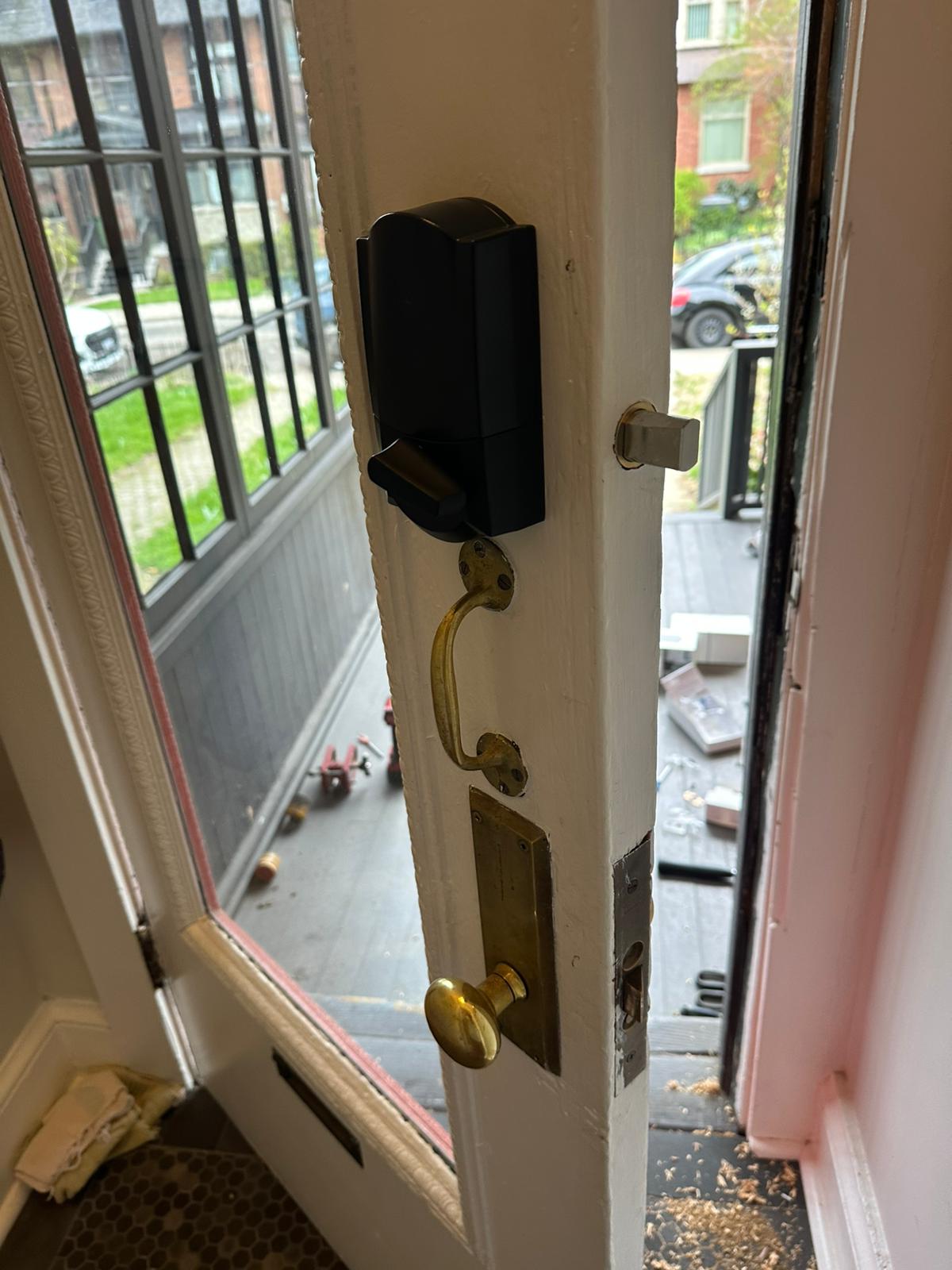
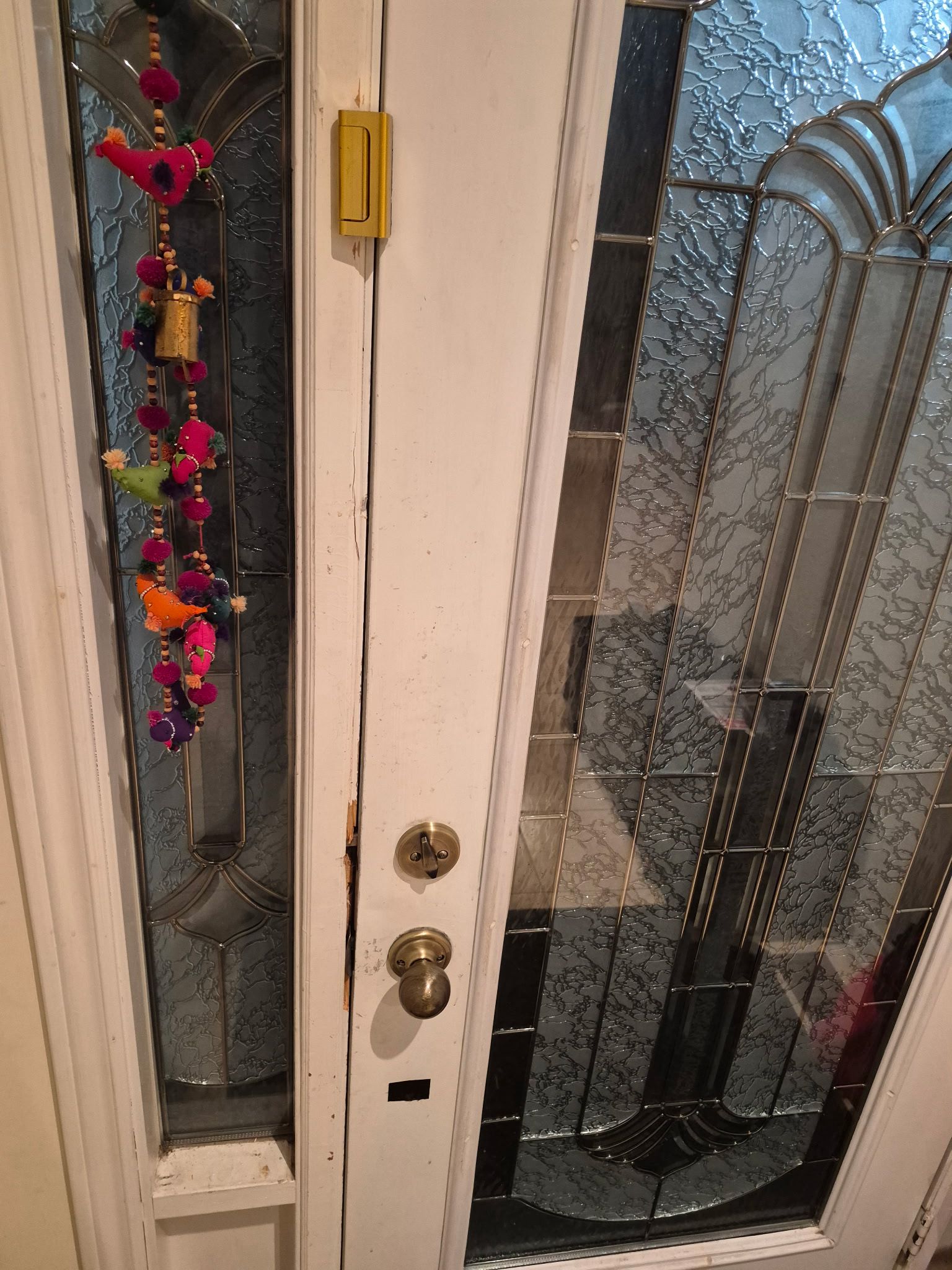
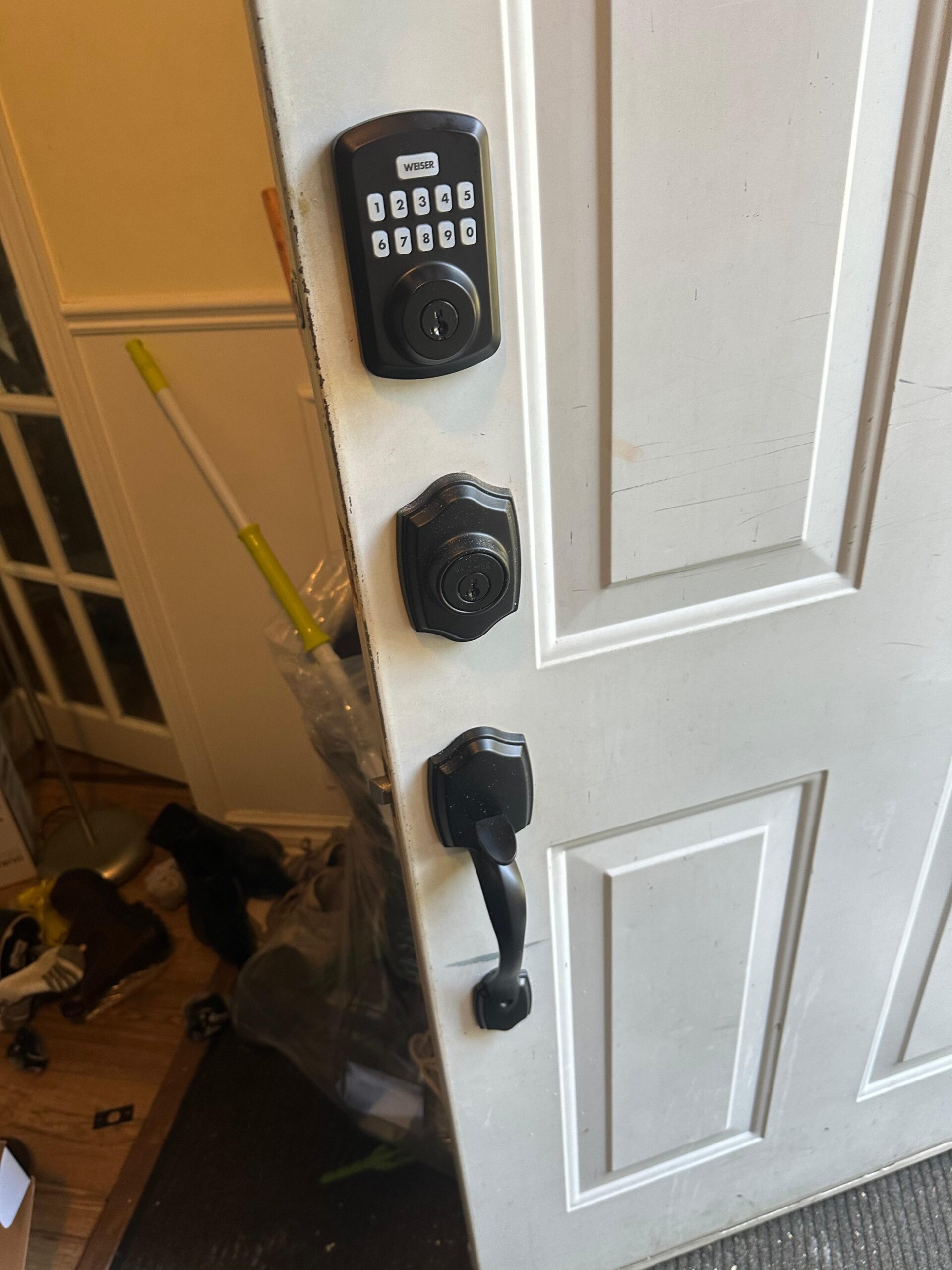
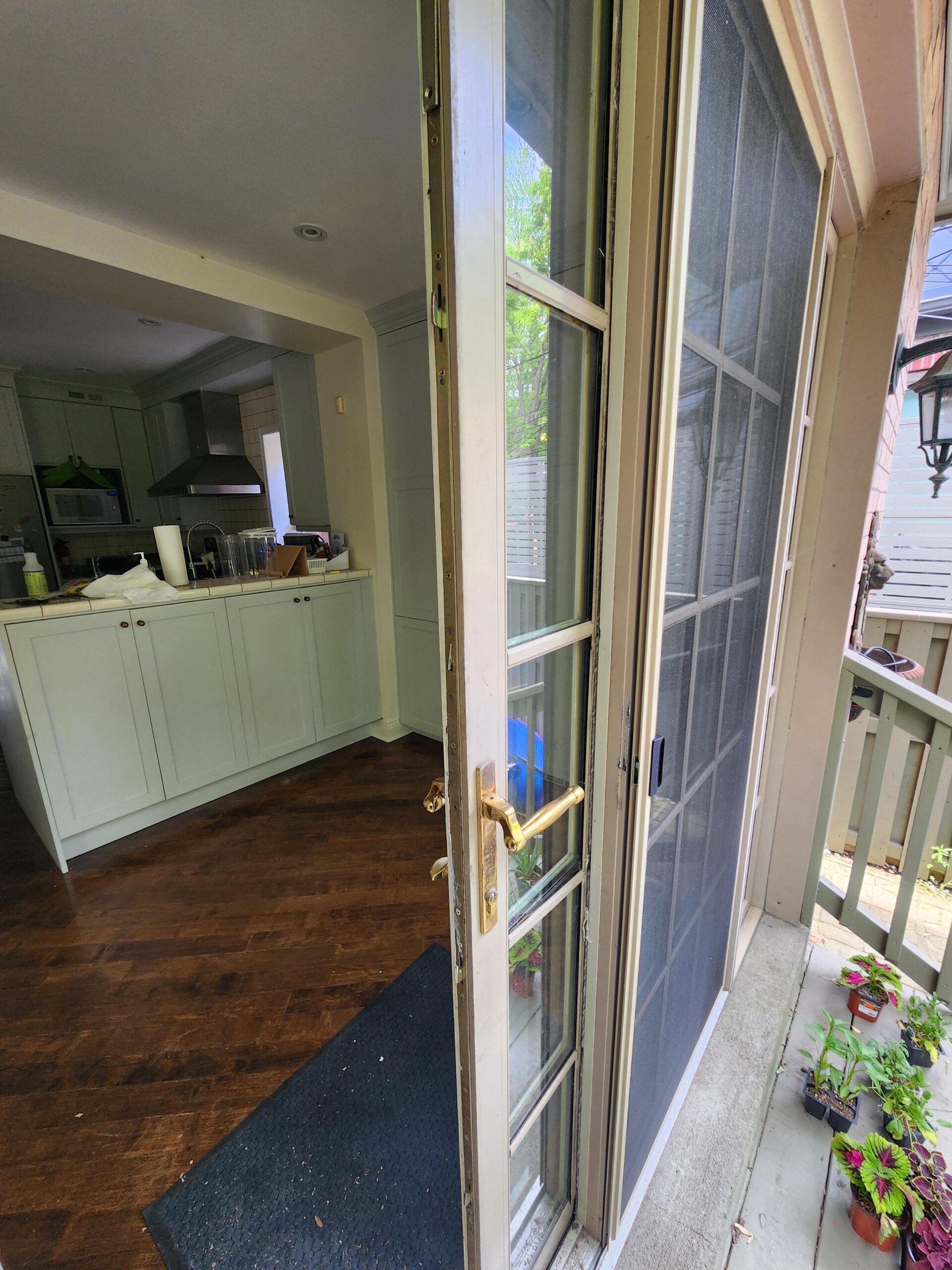
A move is a useful time to identify which inherited locks share keys and whether the arrangement meets the new household's needs. Receiving a ring of keys does not establish the complete history of copies. Establish a known authorized arrangement after possession and permissions are clear.
Our move-in rekeying guide focuses on changing operating keys while retaining suitable hardware. A keyed-alike plan can be part of that service where compatibility permits. If a lock is damaged or the desired format differs, replacement may be a separate decision.
Test the received keys only through normal operation and avoid forcing unfamiliar keys into cylinders. Photograph hardware rather than key cuts when seeking identification. A simple door-and-key inventory gives the technician a useful starting point without exposing access details publicly.
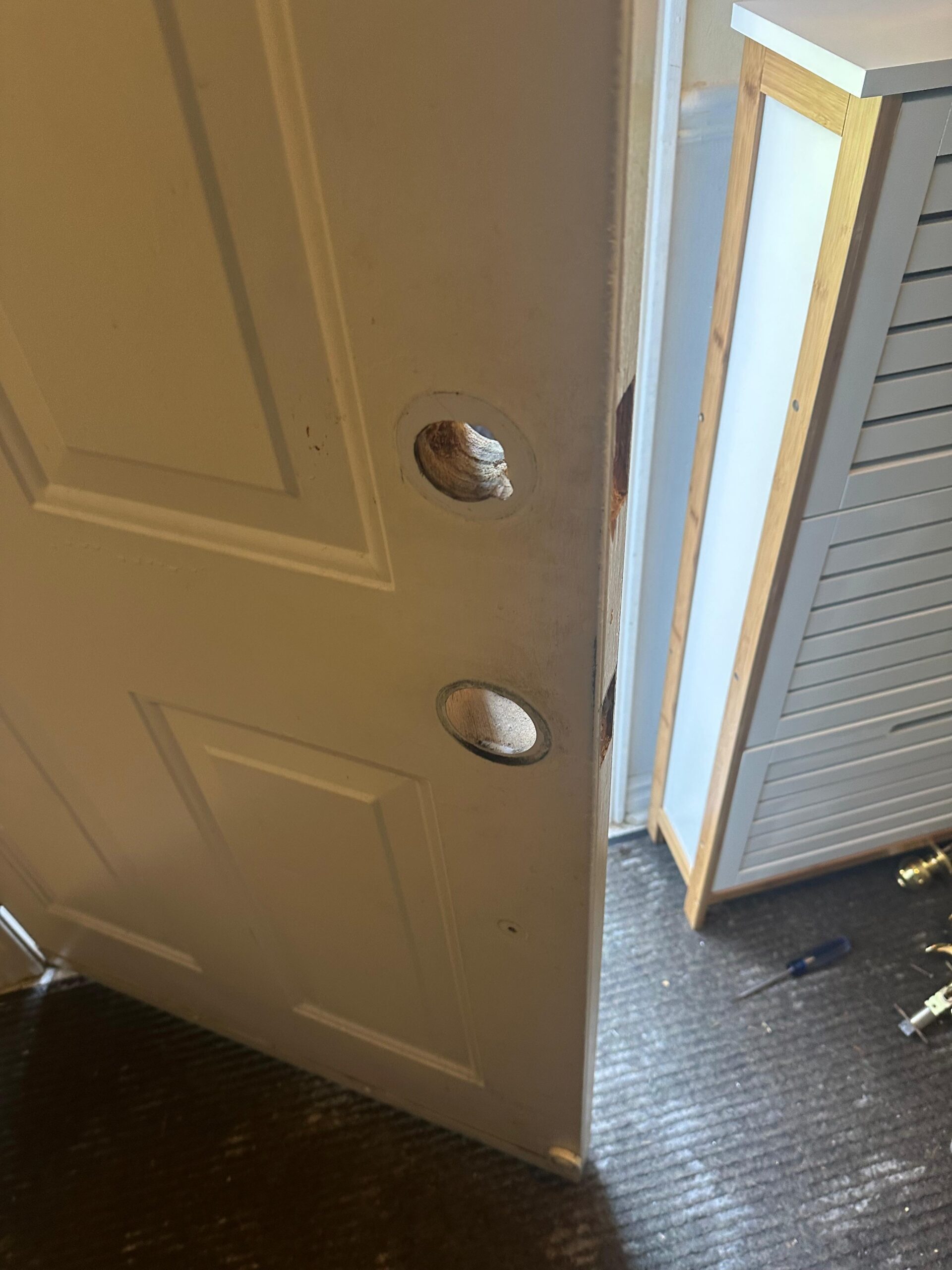
If a key is stolen or unaccounted for, identify every opening in its group. Changing only the front cylinder may leave a side or rear entrance on the old key. The stolen-key rekeying page explains how to organize that review.
Record which locks are included in the service and which remain separate. If some cylinders cannot join the new arrangement, explain the resulting key groups clearly. Do not label the entire house as rekeyed if an affected opening was omitted.
Electronic codes, fobs and garage remotes still require their own administration. A mechanical keyed-alike change does not remove users from those systems. Keep the separate tasks visible in the household handover so the presence of one new key is not mistaken for a complete access-system change.
Managed buildings may require a particular cylinder or key hierarchy. Obtain those requirements before combining a unit entrance with other locks. The owner of the key system may need to authorize the work or provide compatible controlled components.
For a rental, establish who can approve the change and what key access must be maintained. A convenience request should not silently alter another person's required access. Resolve disputed rights separately before the mechanical arrangement is changed.
Where a building requirement prevents the preferred grouping, retain the necessary separation and document it. The practical result may be two clearly identified key groups rather than one. That can be preferable to replacing suitable hardware or disturbing a controlled system without a justified need.
Test every supplied key in every serviced cylinder, with each door open and closed. The key should operate smoothly and the door should latch and lock without compensating force. Where an old authorized sample exists, check the intended change in its operation at the affected locks.
Count the new keys, record recipients privately and keep any duplication instructions or authorization materials. Avoid labels that connect a loose key to the full address. Retain the hardware information with the invoice so future service can preserve the arrangement.
The finished record should identify the shared group, any separate locks and any remaining electronic or repair work. A good keyed-alike service leaves the household with fewer unnecessary keys and a clearer understanding of access, while respecting the limits of compatibility and the needs of the property.
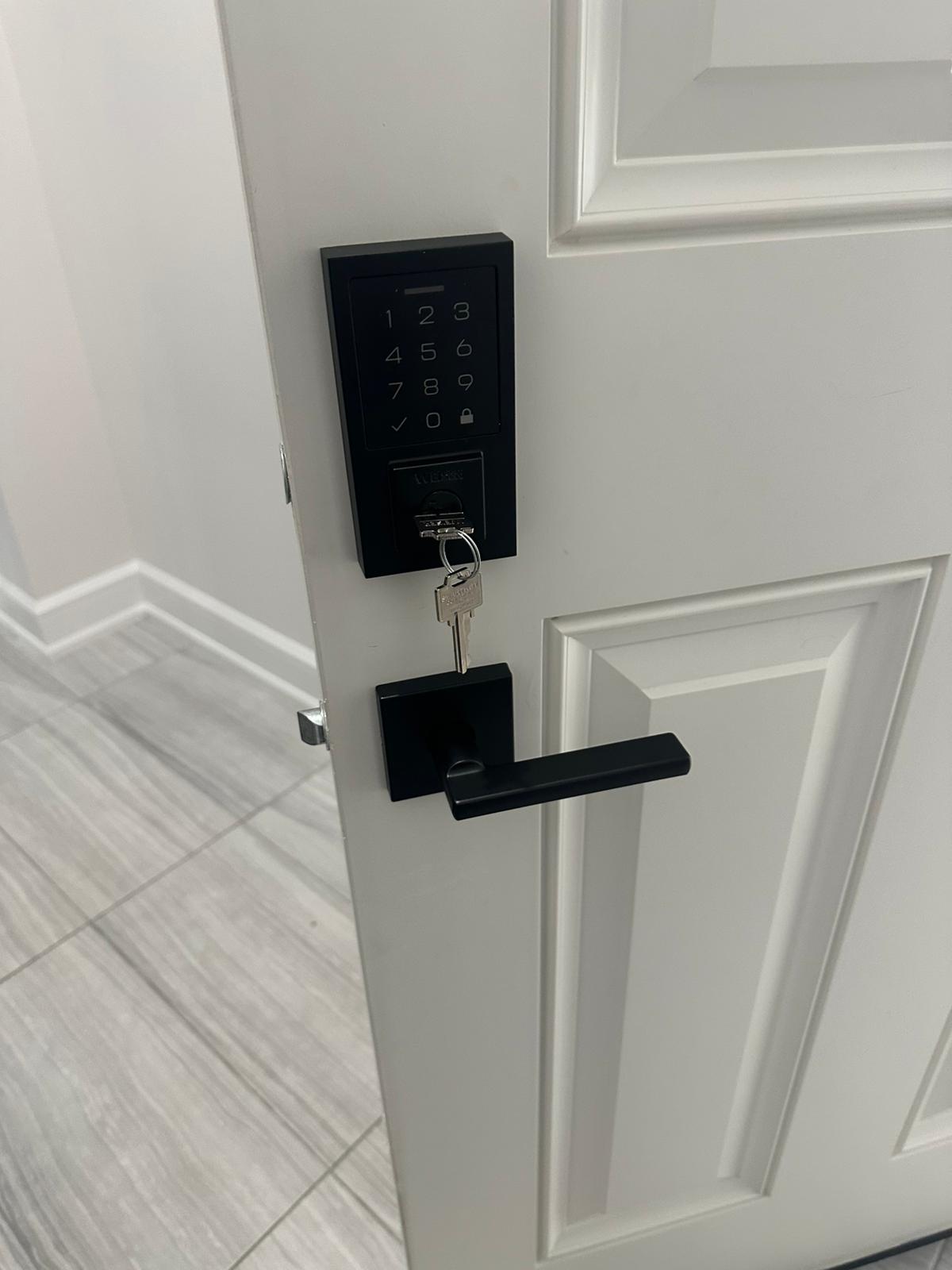
Write one line for each opening and note who needs authorized access. Group doors only when their users and purpose align. For example, the household's front and rear entrances may belong together while a separately occupied area should remain outside that group. The actual cylinders can then be compared with the intended plan.
If one incompatible lock requires a change, decide whether the added work is worthwhile before parts are ordered. You may prefer a second key for that opening. Keep the decision visible in the final record so later occupants do not assume the whole property shares one arrangement. Keyed-alike planning is most useful when it simplifies a well-defined access pattern; it should not conceal differences between building-controlled hardware, private household doors and specialized locks that have separate ownership or operating requirements.
Keep reading
In a keyed-alike arrangement, the intended compatible cylinders are configured to operate with the same key. That differs from merely having handles or deadbolts with matching finishes. It also differs from a master-key hierarchy, where different keys can have different relationships to selected locks. Explain which doors you want one key to operate and who should receive it. The locksmith can assess whether the existing cylinders support that plan. The result should be documented by door group so everyone understands which openings share access and which deliberately remain separate.
In a keyed-alike arrangement, the intended compatible cylinders are configured to operate with the same key. That differs from merely having handles or deadbolts with matching finishes. It also differs from a master-key hierarchy, where different keys can have different relationships to selected locks. Explain which doors you want one key to operate and who should receive it. The locksmith can assess whether the existing cylinders support that plan. The result should be documented by door group so everyone understands which openings share access and which deliberately remain separate.
Sometimes selected products are compatible, but the brand names alone do not settle the question. Keyway, cylinder construction and available parts matter. Products within the same brand can also differ. Supply photographs and model information for every included door rather than assuming the front lock represents the whole house. If one cylinder cannot join the group, compare retaining a separate key with changing suitable hardware. The recommendation should make that additional work clear. A one-key goal should not lead to an unplanned replacement of unrelated components that could otherwise remain serviceable.
The goals can overlap, but they are different. Move-in rekeying changes inherited key access at the included locks. Keyed-alike planning organizes selected compatible locks to work with one key. You might rekey two doors onto separate new keys, or consolidate several compatible doors while also invalidating previous keys. State both objectives when they apply. The proposal should identify the intended key groups and which old-key access will change. This prevents a general request for rekeying from being interpreted as a one-key arrangement that the hardware or access requirements do not support.
Not necessarily. A rented area, office, workshop or other separately controlled space may need a different access boundary. Decide who should enter each area before trying to minimize the number of keys. Convenience is useful only when it fits the authorized arrangement. Include secondary entrances and garage access doors in the discussion because they may bypass an intended separation. The locksmith can assess compatible hardware after the access plan is clear. Do not assume that the simplest key ring always produces the most appropriate arrangement for a property with several users or uses.
Those products often use different formats and keyways, so compatibility cannot be assumed. A specialized compatible product may be an option in some circumstances, but ownership and any operator requirements also matter. A building-managed mailbox or storage facility can restrict what may be changed. Identify each item separately and ask whether it belongs in the proposed system. It may be more practical to retain a separate key than replace otherwise suitable hardware solely for consolidation. The completed manifest should list exclusions so the phrase one key does not imply that every lock associated with the address was changed.
Assess its condition before incorporating it into a new key group. Rekeying changes key operation but does not repair a failing latch, damaged connection or binding bolt. A worn cylinder may need replacement, while a door-alignment issue may need a separate correction. Explain any operating symptoms for each door rather than requesting identical work everywhere. The proposal can then distinguish key consolidation from mechanical repair. Afterward, check both the new key relationship and normal door operation. A key that fits every cylinder does not prove that every included opening works correctly.
The affected access scope includes every cylinder that key operates. Keep a private record of the key group so you can identify the relevant openings if a change is needed. A single key can reduce everyday inconvenience, but it also links the doors in the group's access plan. If the key is missing, review those doors and any separate electronic credentials rather than changing only the most frequently used entrance. The suitable response depends on authorization, hardware condition and the circumstances. A documented arrangement makes that future assessment more precise.
Test each supplied key at every intended opening, beginning with accessible open-door operation and then normal closed-door use where safe. Confirm that separately controlled doors remain outside the group as planned. Record any retained old-key arrangement and any component still awaiting work. If the same key was intended for the front, rear and garage access doors, demonstrate all three rather than extrapolating from one successful test. Keep the final door list with product and service records. This turns the phrase one key into a verifiable arrangement with clear boundaries and a useful maintenance history.
Describe the door, hardware and service address. Contact GTA Lockman Mobile Locksmith Services to confirm the scope and scheduling for your location.