Locksmith services are always 10% off for seniors.
Open Mon–Thu 8:30 AM–9 PM, Fri 8:30 AM–4 PM, Sun 9:30 AM–9 PM
Locksmith services are always 10% off for seniors.
Open Mon–Thu 8:30 AM–9 PM, Fri 8:30 AM–4 PM, Sun 9:30 AM–9 PM
GTA Lockman Mobile Locksmith Services · Toronto & GTA
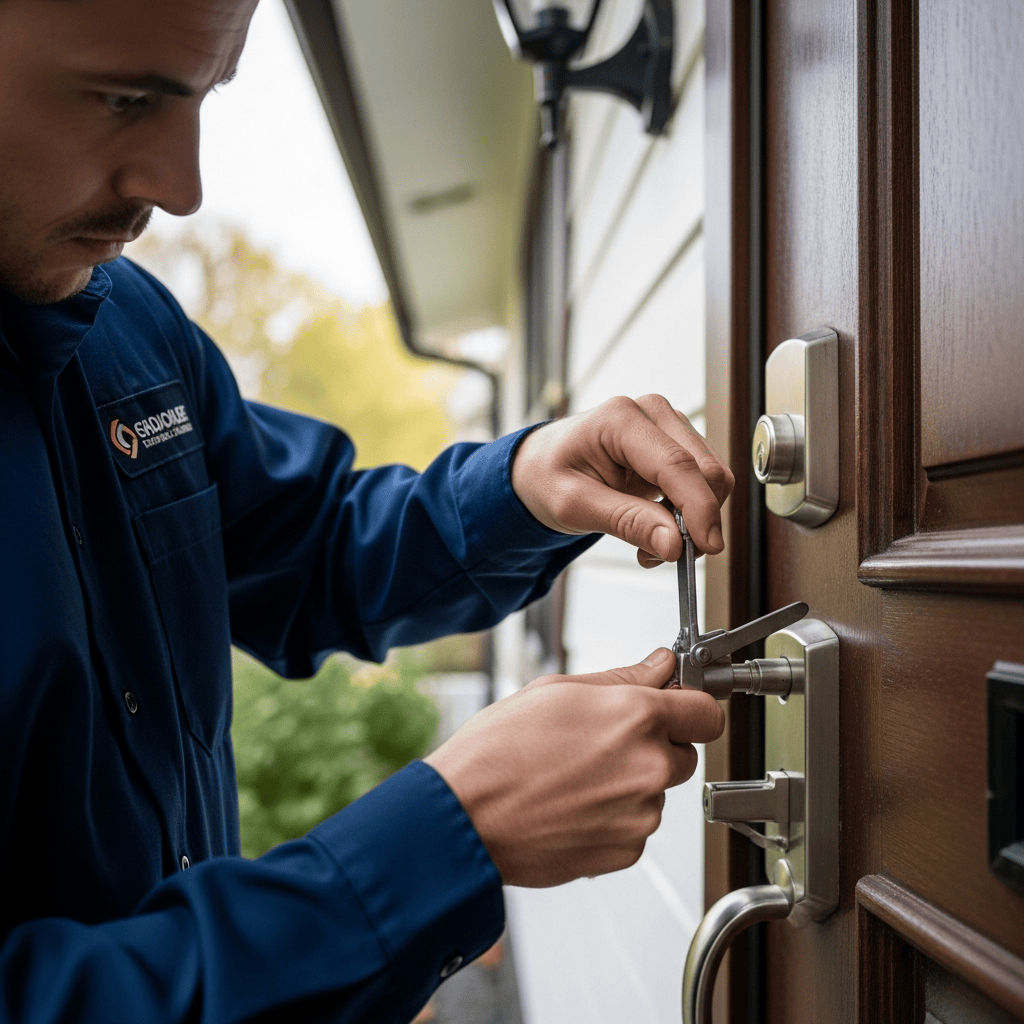
Secure the unit once the enforcement officer gives you possession, with a record of the work and the new keys.
Related services
What Ontario tenancy rules say about changing locks, and how tenants and landlords usually handle it.
Learn moreHand back every key that exists, record what changed, and settle the lock question before the deposit is.
Learn moreSeparate mechanical repairs from key-control changes and document the condition of each affected opening.
Learn moreWhat a locksmith has to establish before opening a door, and what to have ready so the visit is not wasted.
Learn moreKeep an empty property secure and accessible to the people entitled to enter it, through a quiet period.
Learn moreKeep track of who holds keys in a shared house, and handle bedroom doors and move-outs properly.
Learn more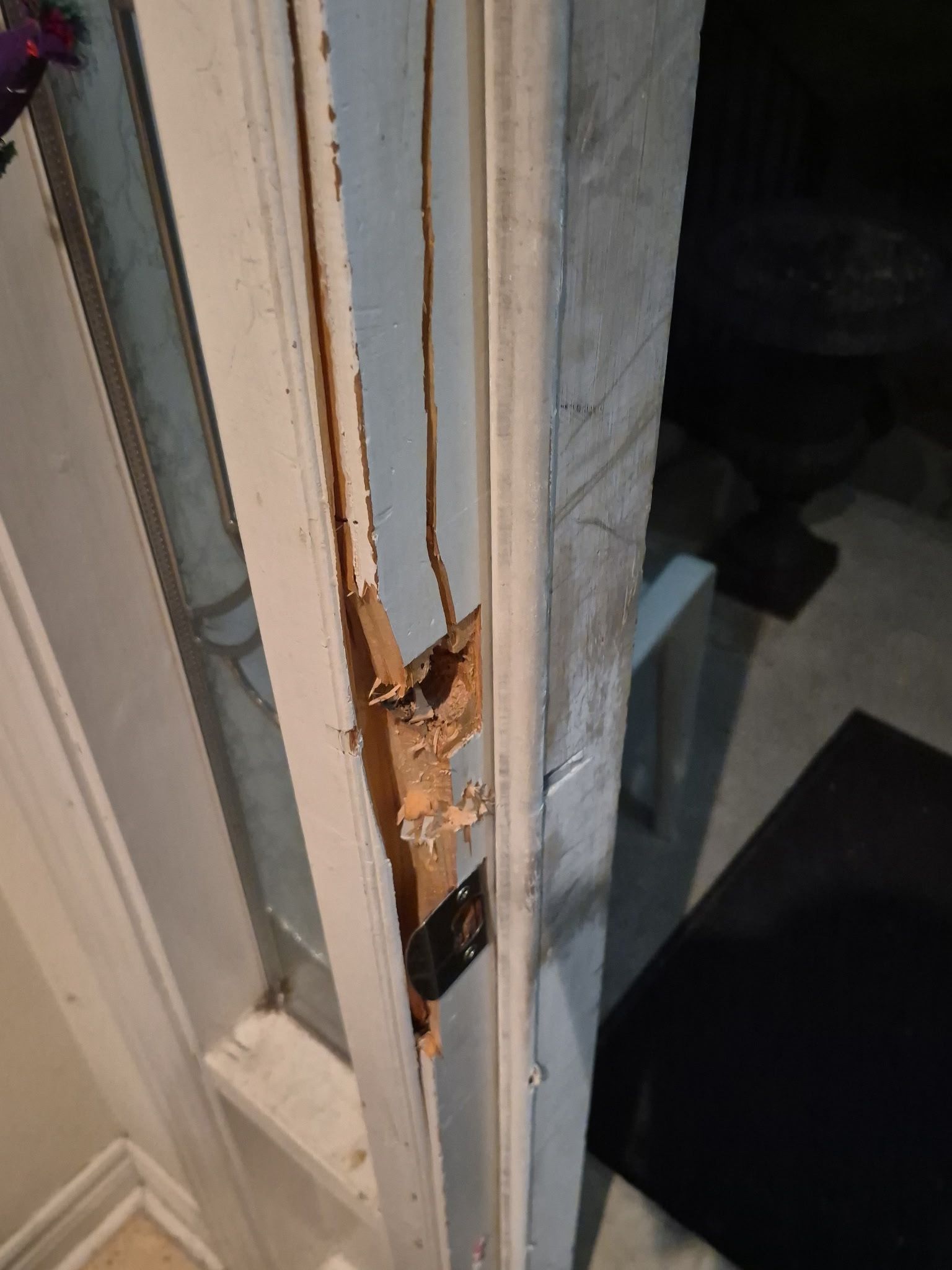
In Ontario, a residential eviction is not something a landlord carries out alone. The landlord obtains an eviction order from the Landlord and Tenant Board, and the order is enforced by the Court Enforcement Office, often called the Sheriff. The locksmith's job begins only after the enforcement officer has given the landlord possession of the unit.
That order of events matters. Changing the locks before the order is enforced, or without an order at all, is an illegal lockout under the Residential Tenancies Act and can lead to penalties for the landlord. A locksmith who is asked to change the locks on an occupied unit before enforcement should decline, and a reputable one will.
This page explains what happens on the day, what the lock work involves, and what to have ready. It is general information, not legal advice. Confirm the current rules with the Landlord and Tenant Board or a paralegal before relying on them.
The Court Enforcement Office sets the date and time. Once you have it, book the locksmith for the same window and allow some margin, because enforcement times can move.
Tell us:
The technician waits until the enforcement officer has finished and possession has passed to you or your agent. Proof that you own or manage the property is still needed, because the locksmith has to be satisfied that the person instructing the work is entitled to give the instruction. See proving you are entitled to enter.
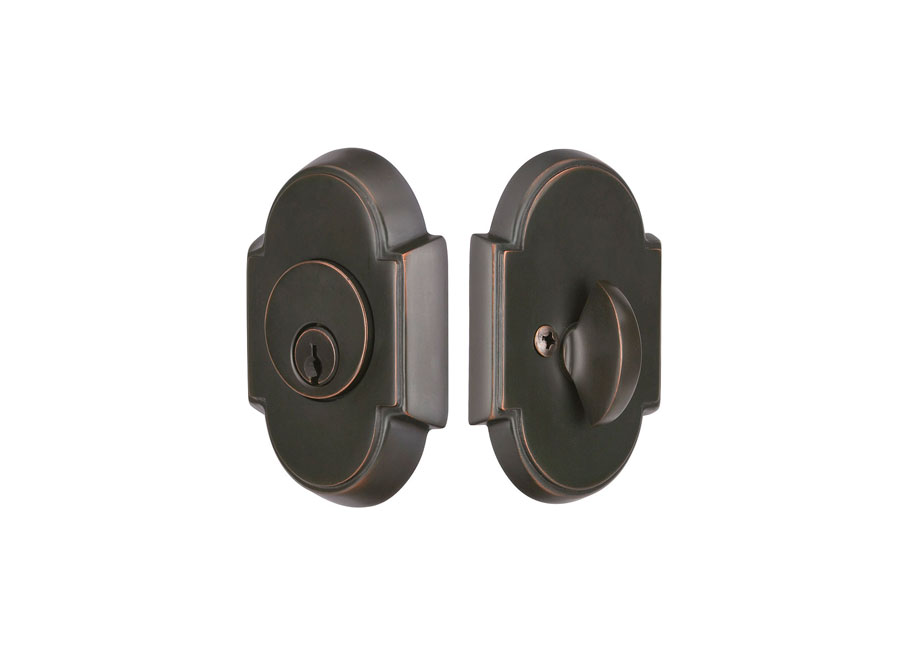
On most residential units, rekeying is enough. The existing cylinders are re-pinned so the tenant's keys no longer work, and you receive a new set of keys. It is efficient and leaves the door as it was.
Replacement makes more sense when:
Keypad and smart locks need their codes and app users cleared as well as the override cylinder rekeyed. Without the admin code, a factory reset or replacement may be the only option.
Before leaving, the technician tests each lock from both sides and checks that the door closes and latches properly. If the door was damaged at some point during the tenancy, that is noted so it can be repaired before the unit is re-let.
Changing the locks does not end the landlord's obligations. Under the Residential Tenancies Act, a landlord must make the former tenant's belongings available for retrieval for a period after the eviction is enforced, currently 72 hours, at reasonable times and at or near the unit. During that window, the tenant may need supervised access to collect property.
In practice that means the new keys need to stay with someone who can let the former tenant in at agreed times, or the belongings need to be moved to a secure place nearby that the tenant can reach. Plan this before the day so nobody is improvising at the door. The rules for property, deadlines and disposal are set out by the Board, and they are worth reading in full.
Tenants often have access to more than the suite door:
A short checklist of every key and code the tenant held saves a second visit. The wider version is on returning keys at the end of a tenancy.
Commercial tenancies follow different rules. The lease and the Commercial Tenancies Act govern when a landlord can re-enter, and the process does not run through the Landlord and Tenant Board. We change commercial locks only on the documented instruction of the landlord or their agent, and we recommend legal advice before acting on a lease default.
On the day, the work is similar: rekey or replace the cylinders on every entrance, change any keypad codes, and record what was done. Storefront and rear-door hardware is described on rear door security for shops and restaurants.
The period between an eviction and the next tenancy is when a unit is most exposed. It is usually empty, sometimes with belongings still inside, and the former occupants know the layout. Keep the new keys to a small number of people, record who has them, and check the windows and any secondary doors as well as the main entrance.
When the unit is ready to re-let, rekey again if the keys have been handed to contractors or cleaners during the turnover. Advice for empty properties is on vacant homes and properties between owners, and the rules for changing locks during and between tenancies are on tenants and lock changes in Ontario.
Bring or send ahead: the enforcement date and time, the address and unit, proof of ownership or a management agreement, and a list of every lock and code the tenant held. Decide in advance whether you want rekeying or new hardware, and how many keys you need. If you manage several units, keep the record of each lock change with the tenancy file so the next turnover starts from known keys.
Keep reading
No. In Ontario, changing the locks on a tenant before the eviction order has been enforced is an illegal lockout. The lock work happens only after the enforcement officer gives you possession.
No. In Ontario, changing the locks on a tenant before the eviction order has been enforced is an illegal lockout. The lock work happens only after the enforcement officer gives you possession.
The landlord or property manager. The Court Enforcement Office sets the enforcement time, and you book the locksmith for the same window.
Rekeying is usually enough if the hardware is in good condition. Replace damaged locks, and any keypad or smart lock whose codes you cannot reset.
Proof that you own or manage the property, such as a deed, tax bill or management agreement, and the eviction order or enforcement notice if the technician asks to see it.
The landlord must make them available for the former tenant to collect for a period after enforcement, currently 72 hours. Plan who will hold the new keys and how access will work during that time.
If the tenant held keys for them, yes. Building fobs are deactivated by whoever manages the access system.
No. Commercial tenancies follow the lease and the Commercial Tenancies Act. We act only on the landlord's documented instruction and recommend legal advice first.
The override cylinder can usually be rekeyed. Without the admin code, the lock may need a factory reset or replacement so its codes and app users can be cleared.
GTA Lockman Mobile Locksmith Services is a mobile locksmith working on homes, businesses and vehicles across Toronto and the GTA, with more than 14 years in the trade. Every review is written by a customer on Google, where you can read them in full.
Areas served: Toronto, North York, Scarborough, Etobicoke, Vaughan, Richmond Hill, Markham, Stouffville, Newmarket, Mississauga, Brampton, Oakville, Milton, Halton Hills, Pickering, Ajax, Whitby, Oshawa, Uxbridge.
Describe the door, hardware and service address. Contact GTA Lockman Mobile Locksmith Services to confirm the scope and scheduling for your location.