Locksmith services are always 10% off for seniors.
Open Mon–Thu 8:30 AM–9 PM, Fri 8:30 AM–4 PM, Sun 9:30 AM–9 PM
Locksmith services are always 10% off for seniors.
Open Mon–Thu 8:30 AM–9 PM, Fri 8:30 AM–4 PM, Sun 9:30 AM–9 PM
GTA Lockman Mobile Locksmith Services · Toronto & GTA
U-locks, chains, folding locks and cables, and how to lock a bike so it is not the easy one to take.
Related services
Match the padlock to the hasp, door and hinges, and keep shed, gate and garage keys under control.
Learn moreDeadbolts, strikes, keypads and hinges for the garage door most people forget.
Learn moreRepairs, rekeying and replacement hardware for homes, condos and apartments, with attention to the whole door.
Learn moreDecide how many keys a household needs, where the spare belongs and when a key should be replaced.
Learn moreKeep an empty property secure and accessible to the people entitled to enter it, through a quiet period.
Learn moreIdentify the unit, lock format and facility requirements before arranging authorized access to stored belongings.
Learn moreBicycles are among the most commonly stolen items in Toronto and across the GTA. They are valuable, light, easy to resell and often left outside for hours: at a subway station, outside a café, on a condo bike rack, in a backyard. Most bike theft is opportunistic, and the lock is what decides whether a particular bike is worth the trouble.
No lock makes a bike impossible to steal. A good lock, used well, makes it slow, noisy and conspicuous to steal, which is usually enough to send a thief to an easier bike nearby.
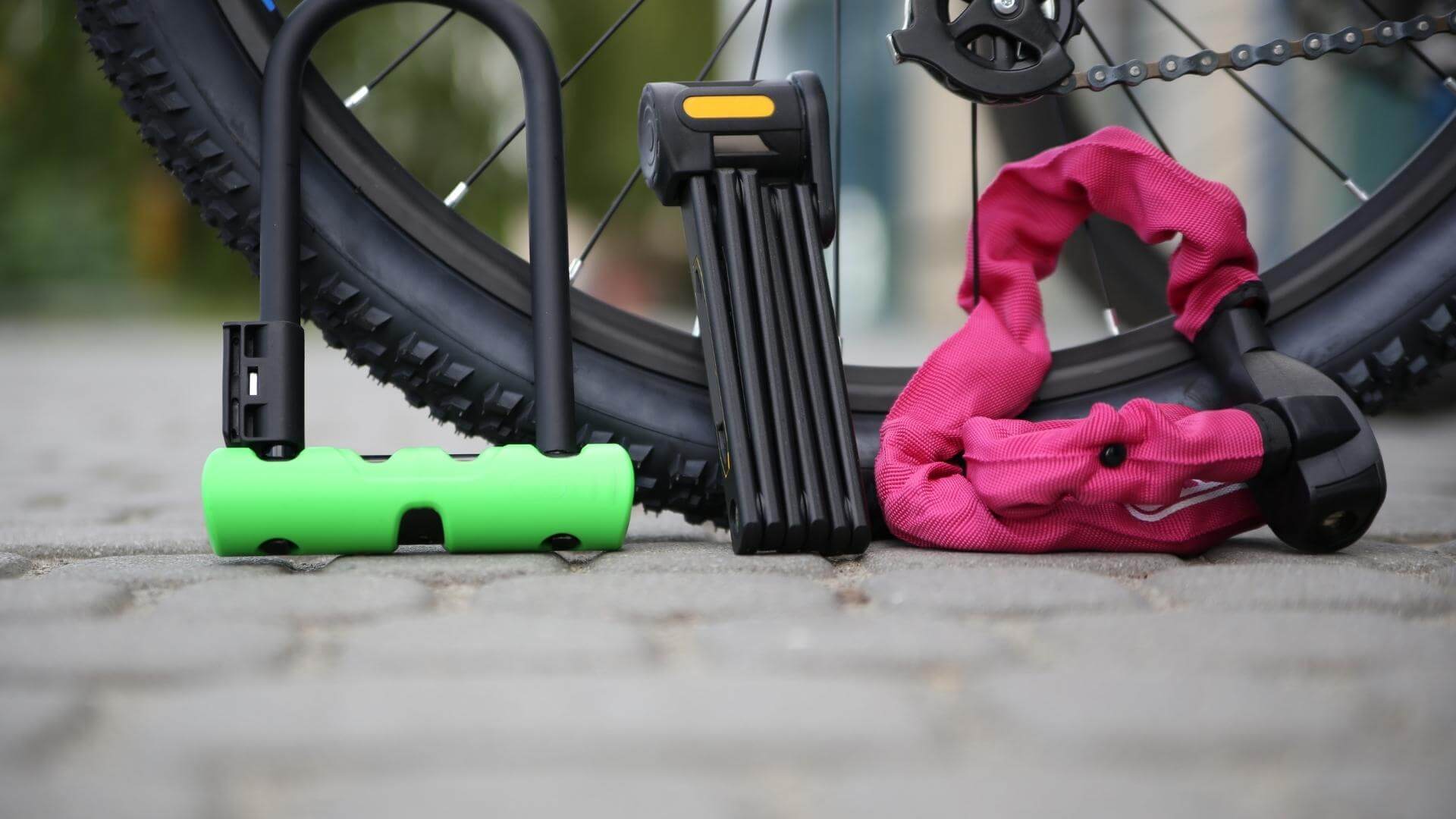
U-locks (D-locks). A rigid hardened steel shackle and a crossbar with the lock. They resist cutting far better than cables and are the most common choice for city riding. Their limitation is size: the shackle must fit around the frame and a solid object, which can be awkward with some racks.
Chain locks. A heavy hardened chain, usually in a fabric sleeve to protect the paint, with a padlock or an integrated lock. A good chain is very strong and flexible enough to reach around large posts, but quality chains are heavy to carry.
Folding locks. Hinged hardened steel plates that fold into a compact bundle. They are easier to carry than chains and more flexible than U-locks, with strength that varies a lot between models.
Cable locks. Braided steel cables with a lock. They are light and flexible but can be cut in seconds with ordinary cutters. They are useful only as a secondary lock, for securing wheels or a seat alongside a stronger primary lock.
Frame locks (ring locks). Locks mounted on the frame that pass a bolt through the rear wheel. Common on commuter and city bikes in Europe, they stop someone riding the bike away but do not lock it to anything.
The material. Hardened steel resists cutting; unhardened steel and cables do not. Shackle and chain thickness matter, but hardening matters more.
The locking mechanism. Locks that engage the shackle at both ends resist twisting and leverage attacks better than those that lock on one side.
The cylinder. A quality cylinder resists picking and drilling. Cheap locks often have simple cylinders that can be defeated without touching the shackle.
Independent ratings. Several testing organisations rate bike locks for resistance to attack. A lock carrying a recognised rating from such a body gives some assurance beyond the manufacturer's own claims.
The way a lock is used matters as much as the lock.
Many bikes are stolen from home rather than the street: from garages left open, backyards, sheds and shared bike rooms in condos and apartment buildings.
Garages. Lock the bike to a ground or wall anchor inside the garage, not just inside the garage. Keep the garage side door locked with a proper deadbolt, as with any garage side door lock.
Sheds. A shed with a weak hasp and padlock gives no real protection. Fit a strong hasp bolted through the door and a shrouded padlock, and anchor the bikes inside, as with shed and outbuilding padlocks.
Condo and apartment bike rooms. Shared bike rooms are accessible to many residents and often to their guests, and thieves sometimes follow residents in. Lock the bike to the rack inside the room with a strong lock, and report any door that does not close and latch to management.
Balconies. Bikes on balconies are rarely targeted directly, but are visible. Lock them if the balcony is reachable from a neighbouring unit or the ground.
A ground anchor bolted into concrete, or a wall anchor fixed into masonry or a stud, gives a solid point to lock to at home. Anchors must be fixed with security bolts or anchors that cannot be unscrewed. Combined with a heavy chain, a ground anchor in a garage is one of the strongest home bike security setups.
Bike locks come with keys or combinations. Keyed locks are usually stronger, but the keys are easy to lose. Most quality lock makers supply a key number card and can supply replacement keys if the lock is registered. Combination locks avoid keys but vary widely in quality; cheap combination locks can be decoded easily.
Keep the key number card somewhere safe, separate from the keys, and register the lock if the maker offers it.
Losing the key to a bike lock with the bike attached is common. The options depend on the lock: a replacement key from the maker using the key number, or removing the lock. Bike lockouts are handled through our bicycle lockout service, which can remove the lock without damaging the bike frame.
Record the frame serial number, take photographs, and register the bike with a bike registry or your local police service where available. If the bike is stolen, a serial number and photographs give the most suitable chance of recovery and help with an insurance claim.
Commuters who ride to transit stations leave bikes for most of the day, often in the same spot every day, which makes them predictable. Use the station's designated racks or bike shelters, which are usually busier and better lit, and use two locks of different types. Where a station offers secure bike parking with controlled access, it is worth using, since it removes most of the risk of an all-day lock-up.
E-bikes are heavier and much more valuable than ordinary bikes, and their batteries are a target in their own right. A heavy chain or a quality U-lock through the frame to a fixed object, plus removing the battery where possible, is the usual approach. Many e-bike owners store their bike indoors overnight rather than in a shed. Where an e-bike is stored in a garage, a ground anchor is especially worthwhile.
Children's bikes are often left unlocked outside schools, parks and friends' houses. A light but reasonable lock that a child can manage, with a combination they can remember or a key kept on a lanyard, is better than a heavy lock that never gets used. Teaching children to lock the frame, not just the wheel, to a fixed object builds the habit early.
Locks left outdoors through Toronto winters collect grit, road salt and water. A puff of dry lubricant into the keyway and the shackle holes a few times a year keeps them working, and a lock that has started to stick should be dealt with before it seizes with the bike attached. Rinsing road salt off the lock in spring helps it last.
Many home and tenant insurance policies cover bikes, sometimes with limits or conditions about how the bike was locked. Keep receipts, photographs and the serial number, and check what the policy expects. Some insurers ask for proof that the bike was locked with a lock of a certain standard when it was stolen.
Seats, lights, panniers and computers are often taken from a locked bike. Locking skewers for the seat post and wheels, removing lights and computers when parking, and using a small secondary cable through the seat rails all help. The aim is to leave nothing easy to remove.
If a lock seizes, the key snaps or the combination will not open, avoid forcing it with tools that might damage the frame. A seized lock can often be freed with a dry lubricant and patience; a broken key or failed lock may need to be removed carefully so the bike is not scratched or bent.
Folding locks and many U-locks come with a frame mount so the lock can be carried on the bike. A lock that is easy to carry is more likely to be used every time, which matters more than having the strongest lock left at home. Check the mount fits your frame before buying.
A commuter locking the same bike outside the same office every day needs a different setup from someone making short stops on weekend rides. Daily, predictable lock-ups call for the strongest lock you can manage, ideally two. Short stops in busy places can rely on a lighter lock carried on the frame. Matching the lock to the riding pattern means it actually gets used.
Tell us what kind of lock you have, whether you have the key or key number, and where the bike is. If you are setting up storage at home, describe the garage, shed or bike room.
We can help with lost bike lock keys, removal of locks from bikes where the key is gone, and secure storage at home: ground anchors, shed and garage door locks and shrouded padlocks. Household work is part of our residential locksmith services.
Keep reading
Hardened steel U-locks, heavy hardened chains and quality folding locks resist cutting far better than cable locks. Look for a recognised independent security rating rather than the maker's claims alone.
Hardened steel U-locks, heavy hardened chains and quality folding locks resist cutting far better than cable locks. Look for a recognised independent security rating rather than the maker's claims alone.
No. Cables can be cut in seconds with ordinary cutters. Use them only as a secondary lock for wheels or seats, alongside a stronger primary lock.
Lock the frame to a solid object that cannot be lifted or cut, keep the lock off the ground, fill the shackle, and secure the wheels. Busy, visible, well-lit places are safer.
Two different types of lock, such as a U-lock and a chain, mean a thief needs two different tools, which slows them down considerably.
Lock it to a ground or wall anchor inside a locked garage or shed. Fit a strong hasp and shrouded padlock to sheds, and a deadbolt to garage side doors.
Many makers supply replacement keys using the key number on your card, especially if the lock was registered. Otherwise, the lock can be removed without damaging the frame.
Quality varies widely. Better models are reasonably secure, but cheap combination locks can be decoded easily.
The frame serial number, photographs, and the lock's key number. Register the bike where a registry is available, which helps recovery and insurance claims.
GTA Lockman Mobile Locksmith Services is a mobile locksmith working on homes, businesses and vehicles across Toronto and the GTA, with more than 14 years in the trade. Every review is written by a customer on Google, where you can read them in full.
Areas served: Toronto, North York, Scarborough, Etobicoke, Vaughan, Richmond Hill, Markham, Stouffville, Newmarket, Mississauga, Brampton, Oakville, Milton, Halton Hills, Pickering, Ajax, Whitby, Oshawa, Uxbridge.
Describe the door, hardware and service address. Contact GTA Lockman Mobile Locksmith Services to confirm the scope and scheduling for your location.