
GTA Lockman Mobile Locksmith Services · Toronto & GTA
Residential High-Security Lock Upgrades
Compare key-control features and compatible hardware upgrades while keeping the surrounding door in the assessment.
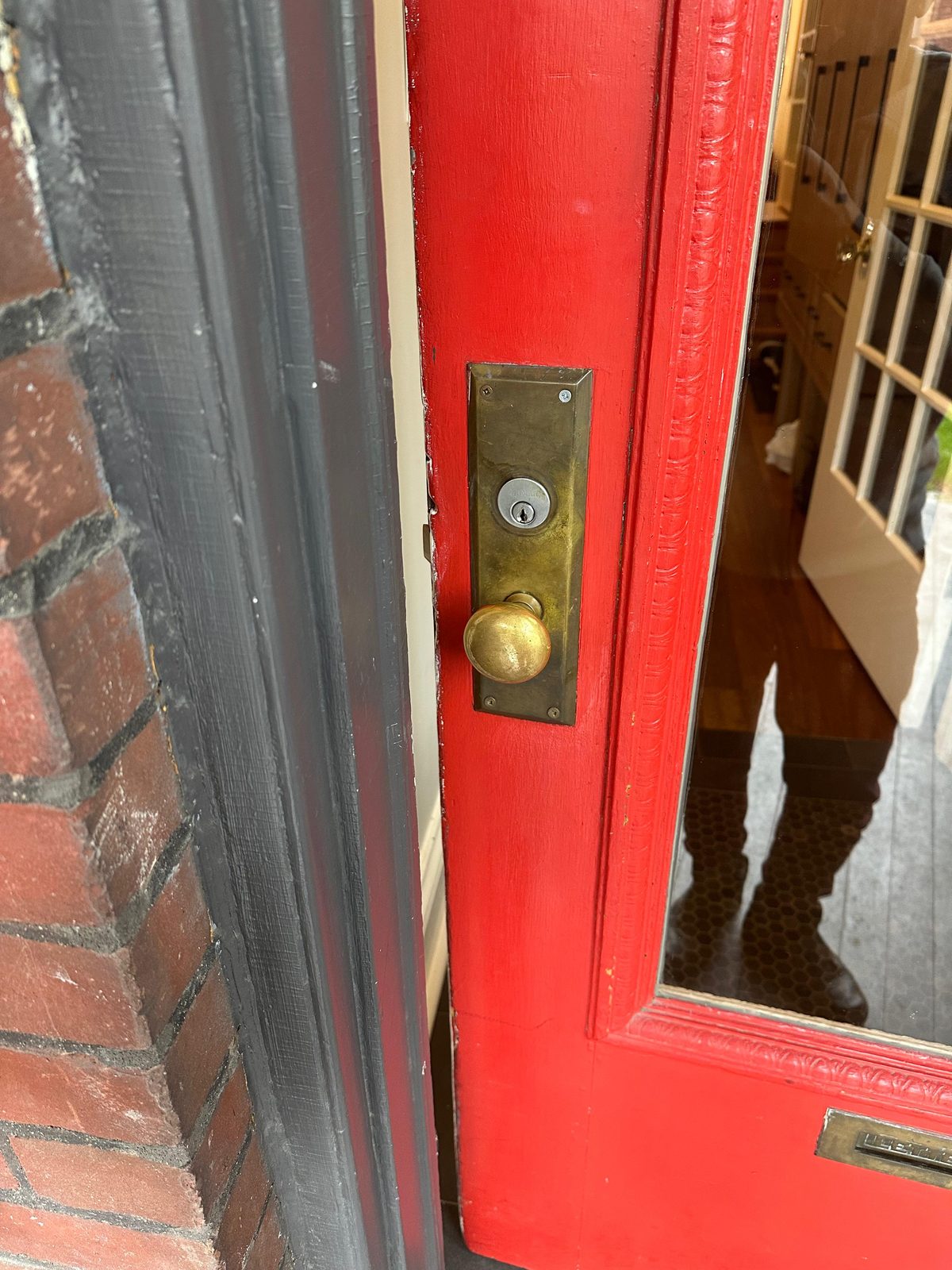
Define the improvement you want
High-security lock upgrade is a broad description. A homeowner may want tighter control over key copying, replacement of worn hardware or a product with documented performance characteristics. These are different goals. State the concern before choosing a brand so the recommendation can be evaluated against a specific requirement.
GTA Lockman Mobile Locksmith Services assesses compatible lock options together with the door and its use. A cylinder is one component in an opening that also includes mounting, strike, frame and hinges. Improving one component does not automatically correct weaknesses elsewhere. No lock should be described as making a home impossible to enter without authorization.
General household work falls under our residential locksmith service, while an upgrade is a deliberate decision to raise the level of the hardware. Existing commercial users of high-security hardware can also request an assessment of compatible products and key arrangements. The opening's function and authorized access policy remain the starting points in either setting.
Key-copy control and physical hardware are separate features
A restricted or controlled key arrangement can place conditions on obtaining copies, depending on the actual product and program. That differs from the physical characteristics of the lock body or cylinder. Ask how duplication is administered, who can authorize it and what documentation the owner must retain.
A key marked with a warning is not enough information to establish a controlled duplication system. Review the specific product arrangement and its ongoing requirements. The owner needs to understand how replacement keys will be obtained and what happens if an authorization card or administrator changes.
If physical resistance is the priority, review the exact model's documented specification rather than general claims about a brand. Different products from the same manufacturer can have different intended uses and features. Avoid treating a broad security label as a substitute for model identification.
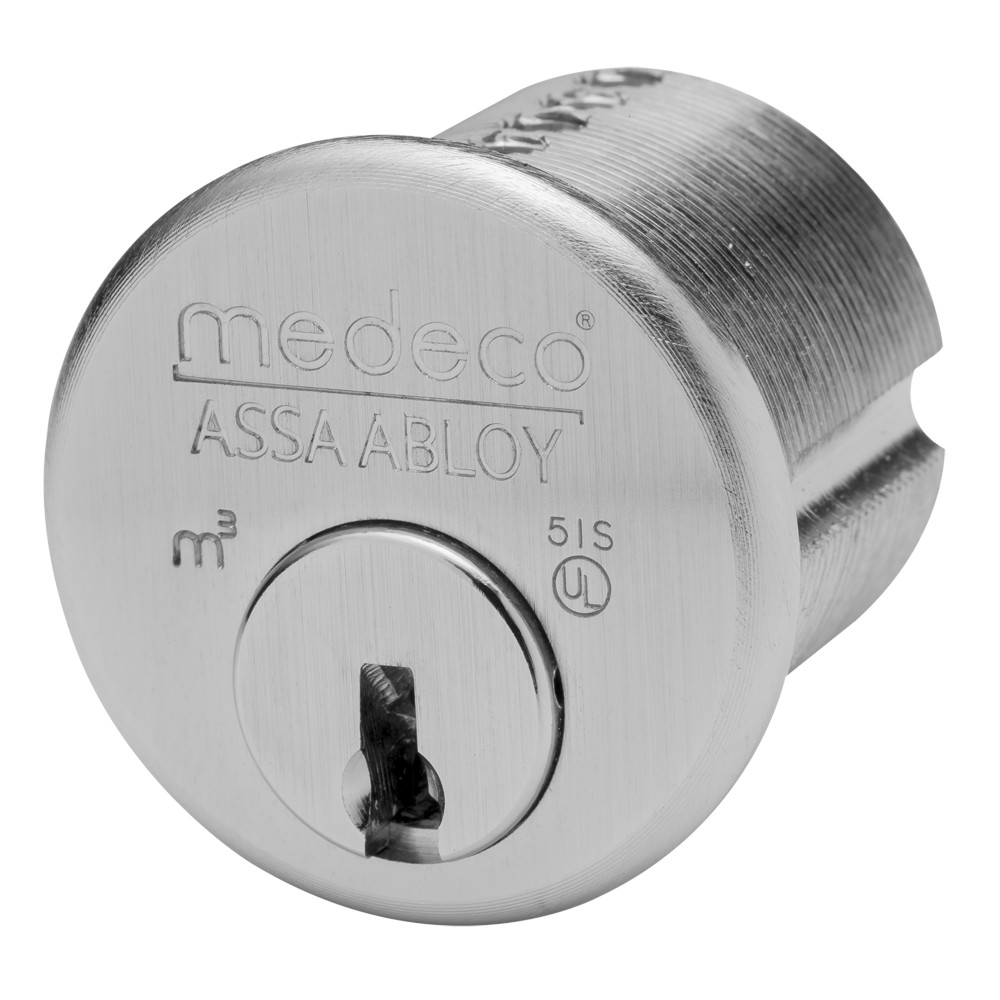
Inspect the entrance before selecting a cylinder
A damaged strike mounting, weak door material or unresolved alignment problem can undermine the result of a hardware upgrade. Identify visible damage and the way the door operates. A bolt that requires pressure to extend needs a fit assessment regardless of the cylinder chosen.
Preparation, trim coverage and everyday operation all need checking, as with any front door lock replacement. Door thickness, mounting arrangement and nearby glazing can affect available choices. A product that appears substantial may still be incompatible with the existing assembly.
Ask the technician to separate work needed to restore sound operation from optional product upgrades. That distinction helps the owner understand which conditions are actually corrected. Installing a different cylinder should not be represented as a repair to a frame or hinge that was not included in the scope.
Grade claims and product documentation
Where a product is described by a grade or test standard, check the exact certification and its applicability to that model. Do not assume that a grade label describes every security feature or the complete door assembly. The intended application and correct installation still matter.
Keep product information with the invoice so future service can identify what was fitted. Brand names, finish and general appearance are not enough to confirm internal compatibility years later. Model and cylinder information also help explain the correct process for repairs and additional keys.
Avoid absolute claims such as a lock cannot be picked, bypassed or damaged. A responsible product discussion describes documented features and their limits. The owner can then compare those features with the actual concern instead of relying on an unsupported promise.
Rekeying, cylinder upgrades and full replacement
If the main concern is an unknown key history, rekeying suitable existing hardware may address it without a complete product change. If the desired key system or cylinder format is incompatible, replacement components may be necessary. The condition and intended arrangement determine the appropriate scope.
A cylinder-only replacement is a different job from changing the entire lockset, and the choice is made during the lock change assessment. Ask which parts remain and whether the new cylinder works correctly with the existing lock body. A component that fits physically may still have an unsuitable connection or function.
If several entrances share a key, identify them before changing one lock. A new cylinder at the front door leaves other operating keys unchanged unless those openings are included. Record the scope opening by opening rather than describing the entire property as upgraded after a single hardware change.
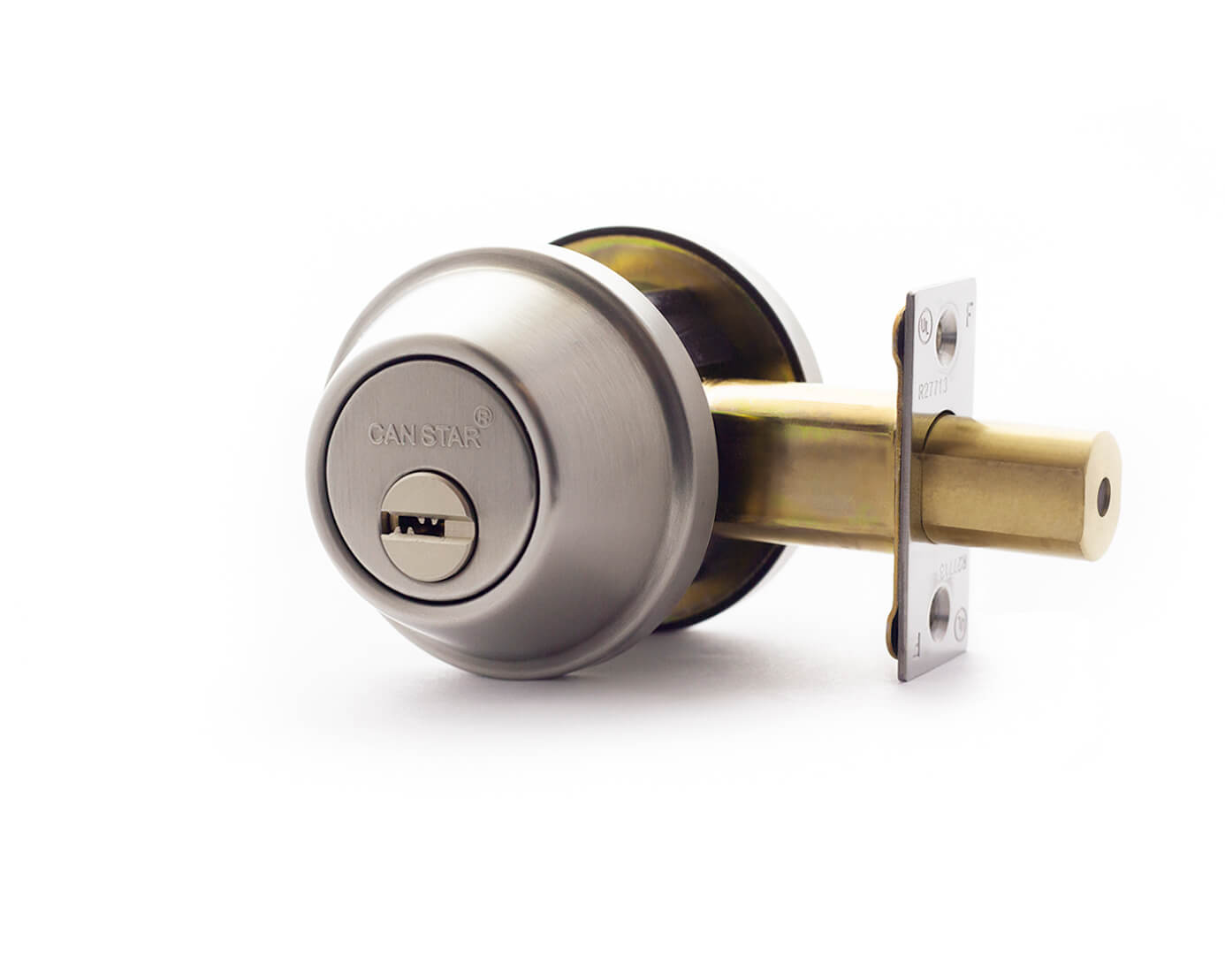
Keyed-alike groups and controlled access
A household may want compatible upgraded locks to use one key, while a business may require separate access groups. Those arrangements should follow who is authorized to enter each area. Convenience should not erase an intentional boundary between a shared entrance and a private room.
Keyed-alike compatibility decides whether one key for compatible house locks is possible with the upgraded cylinders. A master-key hierarchy is a different arrangement and should not be assumed merely because one key operates several locks. Existing systems may require the involvement of their authorized provider or administrator.
Document who can order additional keys and how records will be maintained. Keep authorization materials private and avoid attaching the full address to spare keys. An upgrade's value depends partly on how the access arrangement is managed after installation.
Condos, rentals and commercial openings
Obtain management requirements before changing hardware on a condo suite or another controlled opening. Exterior appearance, key systems and permitted modifications can affect the choice. Physical fit is necessary but does not settle every building requirement.
For rental premises, establish authority for both the hardware work and any access change. The locksmith does not resolve tenancy or occupancy disputes. For businesses, preserve the intended interior release and other required operation when considering exterior access features.
Where a proposed change raises a building-specific question, obtain the appropriate professional guidance before selecting parts. A general high-security label is not a compliance determination. Keep the approval and specification connected to the correct door in the service records.
Make the completed upgrade measurable
The handover should identify the product fitted, the feature selected and the openings included. Test each supplied key, ordinary closing, latching and the interior controls. Confirm smooth operation with the door open and closed rather than accepting force as a characteristic of a new lock.
Retain the model, invoice and duplication requirements. Note any door, frame or other work that remains outside the completed scope. A useful upgrade gives the owner a documented improvement and a maintainable access arrangement, with the product's limitations and surrounding conditions kept clear. ## Commercial key-control enquiries
The same product-identification principles apply to offices and managed business doors, although their access plan can be more complex than a household's. Identify the administrator, required key groups and any existing master-key hierarchy before changing cylinders. That broader assessment is carried out through our commercial locksmith service. A proposed high-security component must fit the opening and preserve the authorized access relationships. Key-ordering procedures, retained hardware and any separate exit-function requirements should be documented rather than inferred from the product name.
Compare compatible high-security products
Mul-T-Lock and Medeco offer different lock and cylinder formats. Identify the exact product being considered and how it connects to the existing door hardware. A photograph can help explain the format, but compatibility and current availability should be confirmed during the enquiry. Ask which components the proposal includes and what information you will need to obtain authorized replacement keys later.
Describe the goal in practical terms: more controlled key distribution, replacement of worn components, or a coordinated household key arrangement. The assessment can then relate available options to the opening. A complete proposal also identifies separate tasks, such as door-frame repair or electronic account administration. Compare those requirements alongside the cylinder features, key-ordering process and retained hardware. The completed installation should remain straightforward for authorized occupants to operate and maintain, with product details available for future servicing.
Questions about residential high-security lock upgrades
What does a high-security upgrade change?
The features depend on the selected product and system. A proposal may concern cylinder construction, controlled key duplication, compatible deadbolt hardware or a combination of changes. Ask for the specific feature and documentation rather than treating the term high security as a complete specification. The surrounding door, frame and intended operation remain relevant. No lock should be described as impossible to defeat or a guarantee against entry. The assessment should explain what is being changed at the opening, what remains unchanged and how the selected product fits the household's access needs.
Is a restricted key system the same as a stronger door?
No. Key-control procedures concern how authorized keys are ordered or copied within a particular system. They do not repair a weak frame, damaged mounting area or unsuitable door. Mechanical resistance and key administration are related security considerations but should be explained separately. Ask who can authorize additional keys, what records are required and which physical components are included in the installation. This makes the proposal easier to compare with an ordinary replacement. A controlled key arrangement should not be presented as resolving every physical condition of the entrance.
Can high-security cylinders fit my existing locks?
Some compatible assemblies allow a cylinder upgrade while retaining other hardware, but the product format and condition need to be established. A similar finish or external size does not prove fit. Send photographs of both sides and the door edge, and explain whether the opening uses a mortise, conventional deadbolt or multipoint arrangement. The technician should identify the supported options and any retained components. If a larger hardware change is required, understand why before approving it. The final assembly must work properly on the door, not simply contain a product marketed with stronger features.
Can the whole house still use one key?
That depends on the selected system, installed formats and intended access groups. Some openings may accept compatible cylinders while others require different hardware or remain separate. Decide which doors should share access before choosing products. A restricted or specialized key arrangement can have its own ordering and authorization process. Ask for the proposed key groups to be documented and identify any opening left outside them. The aim is a manageable authorized system; reducing the number of keys should not erase an access boundary that the household or property arrangement needs to preserve.
Should the frame and strike be upgraded too?
They should at least be assessed alongside the lock. A cylinder change does not correct a damaged strike mounting, distorted frame or door that cannot align properly. Whether additional work is appropriate depends on the condition and construction of the opening. Ask the technician to explain any recommended component in relation to a specific finding. Some door or structural work may require another trade. Keep that distinction in the proposal. An upgrade is easier to evaluate when the work on the lock and surrounding opening is explicit rather than bundled under a broad security claim.
Can I retain a smart-lock feature with a mechanical upgrade?
Compatibility must be checked for the exact products. Not every electronic assembly accepts a different cylinder or works with an unrelated bolt mechanism. The intended key-control feature, local electronic entry and account administration may also belong to different parts of the system. Identify which functions you want to retain and provide model details. Ask for supported combinations rather than an improvised mix of parts. After installation, test the relevant mechanical and electronic functions separately, and document any product-provider responsibility that remains outside the hardware work.
What should we know about obtaining extra keys later?
Ask about the specific system's authorization and ordering process before committing to it. Requirements and availability vary, so do not assume an ordinary key-cutting arrangement applies. Identify who will hold any authorization documentation and how a future household or property change will be handled. Keep sensitive key information private. The practical value of a controlled system depends partly on maintaining its administration, not just installing the cylinder. Include the product and provider details in your records so a later request for keys can be handled through the appropriate process without guessing from the key's appearance.
How should competing upgrade options be compared?
Compare the stated features, compatible components, key-management requirements and effect on the existing opening. Ask whether the proposal includes alignment or strike work and what condition it addresses. Separate a desired finish or connected feature from the mechanical and administrative objectives. Avoid choosing solely from a broad claim of complete protection. The useful recommendation explains the particular product and its limits. After work, verify ordinary operation and keep the documentation so the selected system can be maintained rather than treated as a one-time label applied to the door.
Reviews from GTA Lockman Mobile Locksmith Services customers
GTA Lockman Mobile Locksmith Services is a mobile locksmith working on homes, businesses and vehicles across Toronto and the GTA, with more than 14 years in the trade. Every review is written by a customer on Google, where you can read them in full.
Areas served: Toronto, North York, Scarborough, Etobicoke, Vaughan, Richmond Hill, Markham, Stouffville, Newmarket, Mississauga, Brampton, Oakville, Milton, Halton Hills, Pickering, Ajax, Whitby, Oshawa, Uxbridge.
Plan your locksmith visit
Describe the door, hardware and service address. Contact GTA Lockman Mobile Locksmith Services to confirm the scope and scheduling for your location.
Friday: 8:30 AM–4:00 PM
Sunday: 9:30 AM–9:00 PM
Saturday: closed