
GTA Lockman Mobile Locksmith Services · Toronto & GTA
Lock Changes After Moving Home
Review inherited hardware and establish a known access arrangement when taking possession of a home.
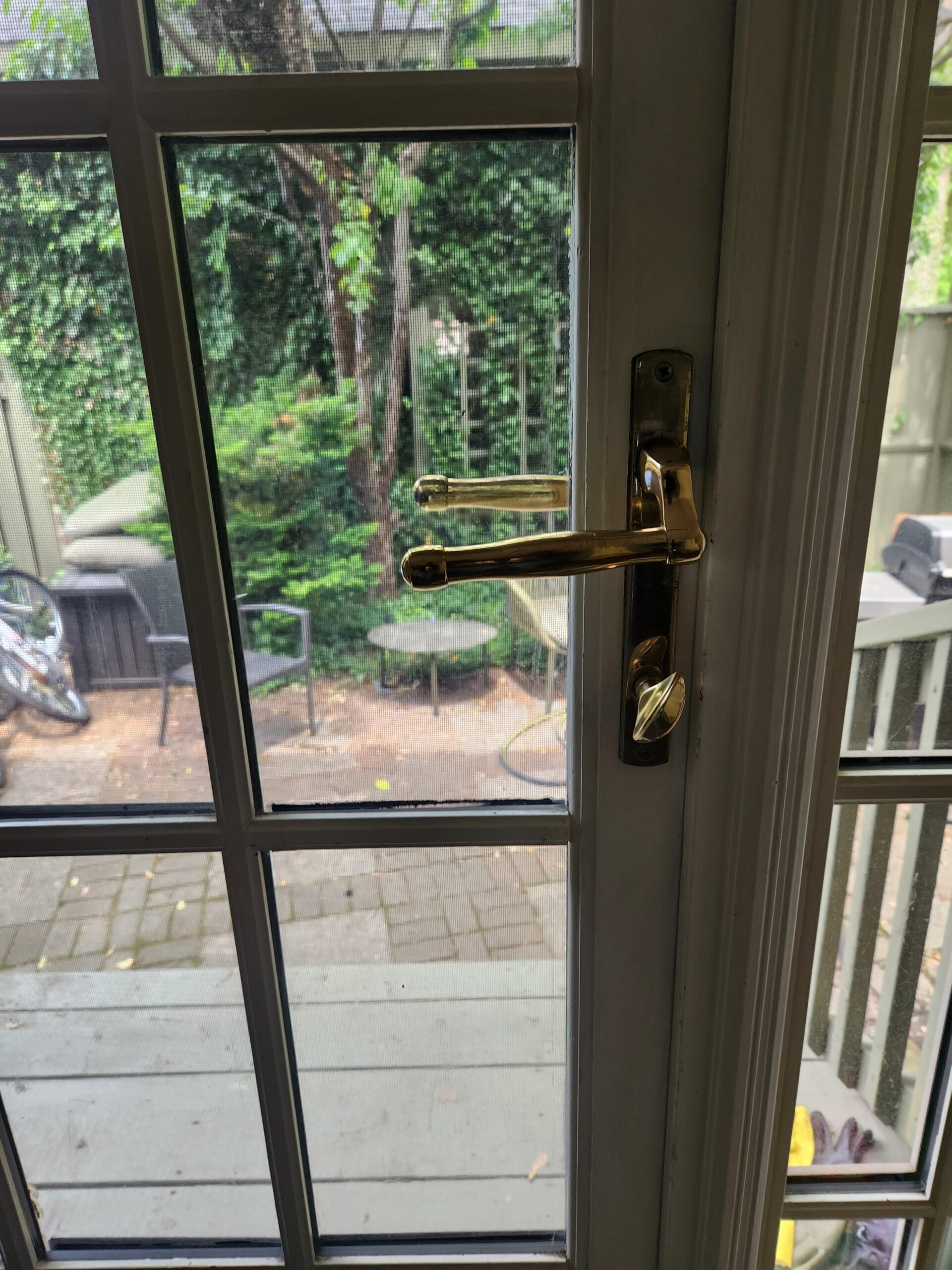
Establish a known starting point for your new home
Moving into a home brings a collection of keys without necessarily bringing a complete record of who holds copies. The goal of a move-in lock appointment is to establish an access arrangement you understand. That may involve replacing worn hardware, rekeying serviceable cylinders or combining both approaches across different doors. It does not require assuming that every inherited lock is defective.
Begin an entrance list after possession and authorization are established. Include exterior doors and any connecting garage or basement entrance that applies to the property. Match the keys you received to the locks they operate, without forcing a key that does not fit. Note separate deadbolts, keyed handles and electronic units so the technician can review each function.
This page focuses on physical lock changes after moving. If the existing hardware is suitable and your only goal is to change which keys work, house rekeying after moving is the related service to compare. The distinction matters because a new key and a new lockset are different results, with different implications for fitting, appearance and maintenance.
Assess condition before choosing replacements
Operate each door normally where it is safe to do so. Record a loose handle, a bolt that catches, a key that needs repeated movement or a door that must be lifted to latch. These observations help separate hardware wear from problems in the opening. A lock that looks old may still be serviceable, while attractive trim can conceal an unreliable mechanism.
Check the surrounding door for visible damage and signs of earlier modifications. Extra holes, oversized trim or misaligned components may affect replacement choices. Do not remove hardware simply to identify it if doing so could leave the property unsecured. Clear photographs of both faces and the door edge are a useful starting point for the appointment.
The assessment should explain what needs replacement and what can remain. If the strike or hinges are causing resistance, include that condition in the discussion. Installing a new deadbolt against the same obstruction does not resolve the original problem. Our lock change service covers the broader comparison between cylinder replacement and a complete lockset change.
Front, side and garage-entry doors
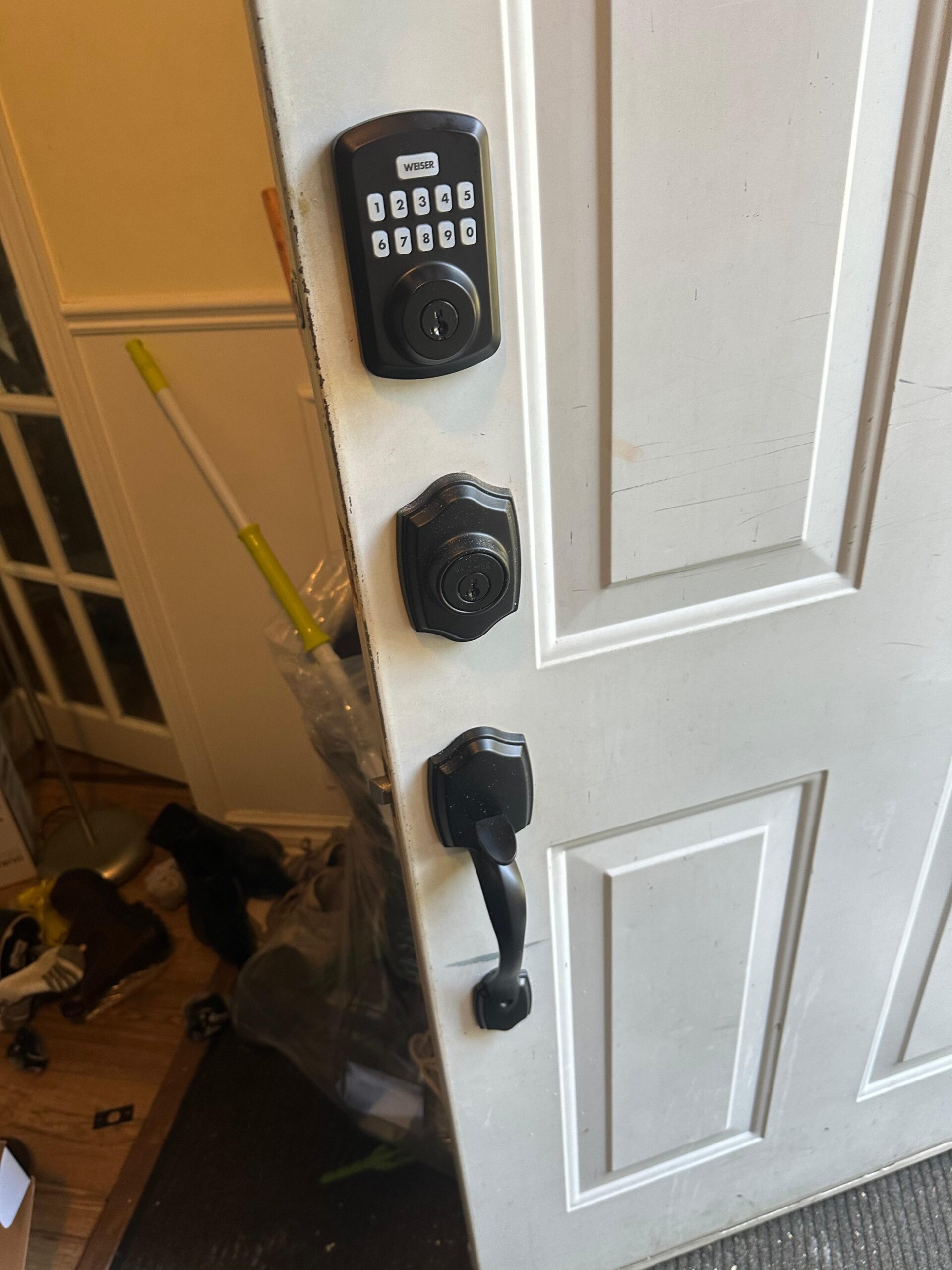
A front entrance often sets the appearance requirement for new hardware, but it should not be the only door considered. Side and rear entrances may use different brands or keyways. A garage-to-house door may have its own hardware and operational requirements. List them separately rather than assuming the front-door specification can be repeated everywhere.
For a front door replacement, identify whether the handleset has a separate lower mounting point and whether you want the existing finish preserved. New trim may expose old marks or holes. Discuss those details before selecting a product based on a catalogue photograph, particularly if the door has decorative panels or glazing close to the lock.
Where several locks are to share a key, compatibility needs checking. Similar finishes or the same broad brand family do not guarantee matching keyways. Keep the desired key arrangement separate from the hardware appearance list. The technician can then explain which combinations are practical and where retaining a separate key is the more suitable choice.
Electronic locks inherited with the property
Treat an installed keypad or smart lock as both hardware and an access system. Find its model information and identify who currently administers its users. A seller handing over a mechanical key does not confirm that app ownership, guest codes or linked accounts have been transferred. Follow the manufacturer's supported handover process.
Review the ordinary operation of the door before changing electronic settings. Mechanical resistance can remain even after a new administrator is assigned. Batteries, supported power requirements and backup entry arrangements also need attention. Avoid factory-resetting a device without knowing the model, consequences and available access method.
If you prefer a different device, confirm door compatibility before purchase. The replacement may need a particular preparation, thickness or clearance around its inside housing. Ask which existing keys and components will remain. A product change should be documented alongside the access changes so the household knows how to operate and maintain the final arrangement.
Condominiums and properties with managed entrances
For a condominium, obtain the building's requirements for suite-door hardware before choosing a replacement. The exterior appearance, key system and permitted modifications may be controlled. A lock that physically fits the opening is not automatically an appropriate substitution for the existing assembly.
Common-area fobs and building entrance keys are separate from a private suite cylinder. Ask management how those credentials are transferred or replaced. Do not assume that changing the unit lock removes access through a shared system. Record each administrator and any remaining handover action.
For a rental move, establish the owner's or manager's authorization and the access arrangements that must remain in place. A locksmith can carry out approved hardware work but does not determine tenancy rights. Resolve that scope before the appointment so the decision about a product is not confused with the right to alter the door.
Make upgrades deliberate
Moving can be a useful time to consider key-control features, a different access method or replacement of damaged hardware. Prioritize the result you need rather than treating every product described as an upgrade as necessary. A household with sound locks and an unknown key history may have a different requirement from a damaged entrance awaiting repair.
Our residential high-security upgrade page discusses the difference between product features and the surrounding door's condition. A cylinder with controlled key duplication does not repair a weak mounting or misaligned strike. The full opening and the way occupants use it remain part of the assessment.
Plan cosmetic work around the lock fitting where possible. If the door is being repainted or refinished, record any exposed marks that replacement trim will leave. If other trades are still using the property, decide how temporary authorized access will be managed and when the final key arrangement should be established. Do not rely on an informal promise that every temporary key has been returned.
Keep the handover simple and documented
At completion, walk through the entrance list with the technician. Test each new key, the interior controls and normal closing. Confirm which locks changed and which retained their existing key arrangement. If only some openings were included, make that boundary clear in the household record.
Count the keys supplied and decide who receives them. Store a spare privately without labeling it with the full address. Keep product information, any duplication authorization and the invoice together. For electronic locks, record the authorized administrator without putting passwords or codes in an openly shared household note.
Finally, record any remaining door, frame or account work. A newly fitted lock may be complete while another entrance still needs a different component or management approval. A clear list prevents that outstanding task from disappearing among the many other details of a move and provides a useful starting point for future service.
Example: a mixed set of inherited hardware
A home may have a usable front-door deadbolt, a loose rear handle and a keypad on the garage access door. These openings need not receive identical work. The front cylinder may be suitable for rekeying, the rear assembly may need mechanical repair, and the keypad may require an authorized user review as well as a fitting check.
List those differences before requesting a quote for a whole-house lock change. Decide whether reducing the number of keys matters and whether the existing finishes should remain. The technician can then explain the compatible options and the boundaries between hardware and account work. After completion, check each opening individually. A successful front-door demonstration does not confirm that the rear latch closes properly or that an inherited electronic user has been removed. Any retained arrangement should be deliberate and recorded rather than overlooked during the move.
Questions about lock changes after moving home
Should every lock be replaced when we take possession?
Start with an inventory and condition assessment. Some locks may be serviceable and suitable for rekeying, while others may be worn, damaged or incompatible with the arrangement you want. Replacing everything is a different scope from changing which keys work. Include less obvious access points such as a side entrance or door between an attached garage and the house. Ask for a door-by-door recommendation explaining what can remain and what needs to change. This makes the decision about the actual openings instead of treating every inherited lock as the same problem.
How is replacement different from move-in rekeying?
Replacement changes physical components, potentially including the cylinder, bolt, handle or complete lock assembly. Rekeying changes the key combination within suitable retained hardware. A move may justify a new access arrangement without requiring new exterior trim. Conversely, a damaged mechanism remains damaged after its key combination changes. Decide whether your objective is key control, mechanical repair, a different operating function or a coordinated appearance. Those objectives can overlap, but naming them helps the locksmith explain which parts of the proposal are necessary and which are optional choices.
When should the appointment be arranged around possession?
Plan for a time when you have authorized possession and an appropriate representative can attend. Tell the locksmith about the possession schedule and any building access requirements, but confirm availability directly rather than assuming a particular appointment has been reserved. If the timing changes, update the service request before attendance. For a condominium or managed property, obtain hardware requirements in advance. The assessment may also depend on seeing the door open, so arrange access and any available keys. A clear handover point reduces uncertainty about who can approve work on the property.
Can we keep the decorative handles and replace only the locks?
Sometimes. The existing handleset, cylinder and locking mechanism may permit compatible component changes, but integrated products can limit those options. Send photographs of both sides and the door edge so the assembly can be identified. Consider the condition of the latch and mounting points as well as the finish. Retaining attractive trim is reasonable when it remains functional and compatible; it should not obscure a failed internal connection. Ask which components will remain, how the replacement fits and whether any old finish marks or preparation will be visible after the work.
What should we do with inherited keypad or smart-lock access?
Treat electronic users and account administration as a separate part of the move-in checklist. A new mechanical key does not remove existing codes or transfer ownership of a connected account. Identify the product and follow the manufacturer's supported ownership and user-management process. Keep credentials private and confirm a usable entry method before configuration changes. If the previous administrator cannot be reached, ask the provider about its recovery procedure. Record which electronic actions were completed and which remain outstanding so a hardware visit is not mistaken for a complete account transfer.
Can all replacement locks share one key?
That can be considered where the selected cylinders and access needs are compatible. A key plan should come before buying a collection of unrelated products. Identify doors that should share access and any area that needs to remain separate. Condo-controlled cylinders, specialized products or a retained lock on a different keyway may require a different arrangement. Ask the locksmith to explain the resulting key groups before approving components. The goal is a practical plan for the household, not simply matching the appearance of several locks and discovering afterward that they require different keys.
Will a new lock fix a door that needs to be pushed shut?
Not necessarily. Pressure on the bolt or latch can arise from alignment, weather stripping, hinge movement or frame conditions. Describe the existing operation before parts are selected. The assessment should compare the mechanism with the door open and closed where safe. If door work is needed, include it in the proposed scope or identify the separate trade responsible. A new lock installed into the same unresolved pressure can remain difficult to operate. Ask for the final check to use normal closing pressure rather than accepting a demonstration that depends on lifting or pulling the door.
What records are useful after the move-in work?
Keep a list of the doors serviced, the models installed, the number of keys supplied and the people who receive them. Record any opening intentionally left unchanged and any account or building-management action still required. Product information and the invoice help identify compatible parts during future maintenance. Store the records privately rather than labeling keys with a full address. Test the supplied keys and inside release before the appointment ends. A clear record turns the move-in change into a known access arrangement that can be maintained as the household changes.
Plan your locksmith visit
Describe the door, hardware and service address. Contact GTA Lockman Mobile Locksmith Services to confirm the scope and scheduling for your location.
Friday: 8:30 AM–4:00 PM
Sunday: 9:30 AM–9:00 PM
Saturday: closed