
GTA Lockman Mobile Locksmith Services · Toronto & GTA
Patio Door Lock & Handle Repair
Restore reliable latching by checking the handle, lock, keeper and sliding panel together.
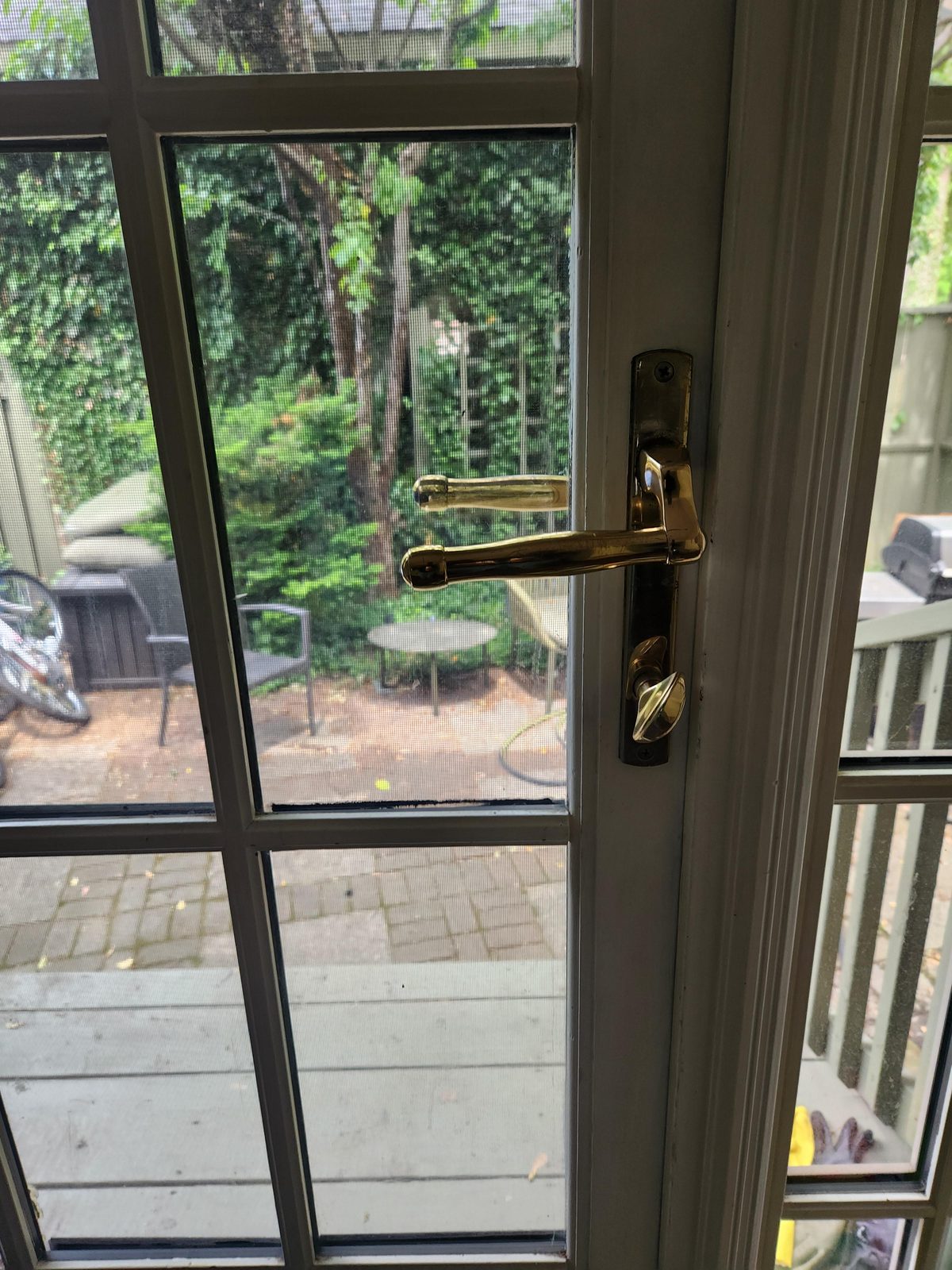
Check the panel, keeper and handle together
A patio door that will not lock can have a working handle but an engagement problem between the moving panel and the frame. The hook or latch needs to meet its keeper in the intended position. Roller wear, panel alignment, loose mounting or a damaged mechanism can interfere with that relationship.
Describe whether the door slides normally, whether it closes against the frame and whether the handle moves through its usual range. A lock that engages with the panel held in a particular position provides different evidence from a handle that moves without operating the mechanism. Avoid forcing either action to make the door appear secure.
GTA Lockman Mobile Locksmith Services assesses compatible patio lock and handle hardware in the context of the opening. A lock service may identify a separate roller, track, glass or structural problem. Those limits should be explained before a replacement handle is presented as a complete solution.
Sliding doors and hinged patio entrances are different
The term patio door can describe a sliding panel, paired hinged doors or a multipoint entrance. Each can use different hardware and a different operating sequence. Send an overall photograph as well as close-ups of the handle and edge so the format is clear.
For a multipoint entrance, the central mechanism can operate several locking points along the door. Our multipoint lock repair page is the closer guide for that system. A conventional sliding-door handle should not be selected merely because it has a similar finish or overall shape.
For a sliding panel, identify which panel moves and where the latch engages. Do not remove the panel or disturb glazing to diagnose a lock fault yourself. Heavy or damaged panels require appropriate handling, and the assessment should preserve the safety of the opening as well as its locking function.
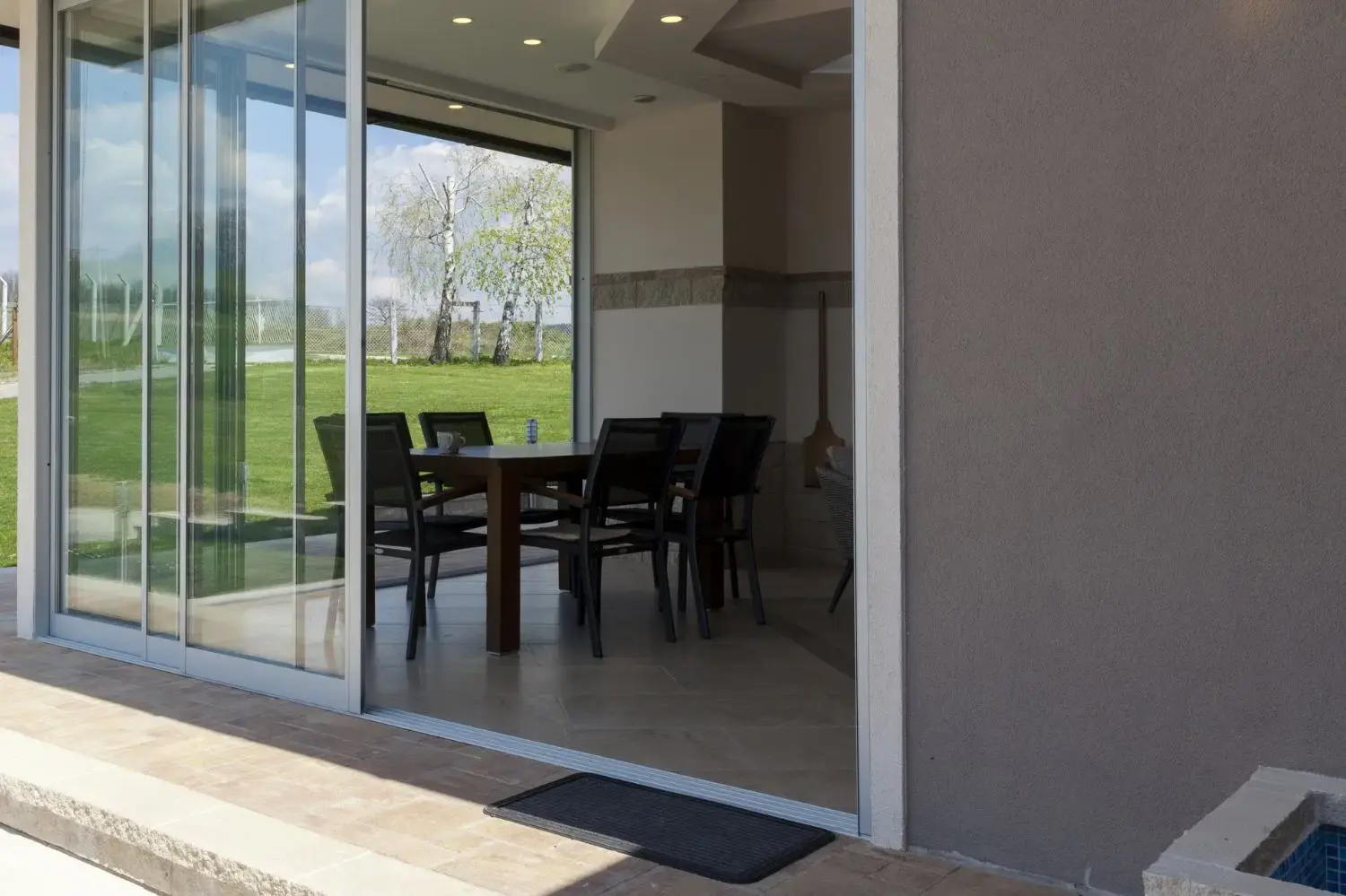
Common signs and what they mean for the assessment
A handle that feels loose may have a mounting or connection issue. A thumbturn that moves freely without changing the latch can indicate a different internal fault. A latch that works but misses its keeper points toward engagement or alignment. These descriptions help the technician prepare without assuming a diagnosis from a single symptom.
If the key works only when the door is pushed or lifted, mention that pattern. The lock may be under pressure from the panel position. Changing the cylinder alone may leave the same resistance. The surrounding opening belongs in any mechanical assessment, which is standard practice in lock repair.
Visible wear or impact to the keeper and edge should also be photographed. Do not file the hardware or bend the keeper to create a temporary catch without understanding the system. An apparently improved action can leave inadequate engagement or conceal the reason the panel moved.
Handle sets are not universally interchangeable
Mounting spacing, spindle or connection format, door thickness and lock position can affect compatibility. A replacement that covers the old holes may still fail to operate the existing mechanism. Identify the product and measurements before treating a retail handle set as a confirmed fit.
Some replacements can retain a sound lock body; others require a more complete assembly. Ask which components the proposed work includes and which remain. If the original parts are unsupported or damaged, the technician should explain the alternative rather than assuming every visible component can be reused.
Finishes and trim coverage matter where the door's appearance is to remain unchanged. Old marks or fixing holes can become visible with a different handle. Include that requirement in the discussion before purchase, especially where the door is part of a managed property or matching set of openings.
Panel alignment and surrounding hardware
A sliding panel's position affects where the lock meets the frame. Wear or adjustment in the rolling system can therefore appear as a lock problem. If the panel is difficult to move or sits unevenly, report that alongside the locking symptom. Do not assume the handle should be used to lift the door into place.
Track condition, debris and frame movement may also be relevant, but the cause needs inspection. A locksmith can identify the relationship to the lock and explain whether another door service is required. A limited cylinder repair should not be described as a full roller or track repair when those components were not serviced.
The general principle of aligning the operating component with its receiver is the same one used in latch and strike repair. Patio hardware has its own geometry, so instructions for a hinged-door strike should not be transferred directly to a sliding-door keeper.

Damage and security upgrades
If the patio entrance has been forced, assess visible damage to the frame, keeper and mounting as well as the lock. A new cylinder cannot restore bent or broken surrounding material by itself. Preserve photographs or records needed by the owner, and keep clear of damaged glass.
An additional security device should be compatible with the door and its required use. Do not add hardware simply because it can be screwed to the frame. The intended opening function, occupants and property requirements must remain part of the choice. Product claims should be checked for the exact model rather than treated as universal protection.
Where replacement is recommended, distinguish necessary work from an optional upgrade. The customer should understand what restores the current function and what changes the access arrangement or hardware specification. A clear scope avoids treating every patio problem as a reason to replace the entire door.
Condos and rental properties
A condo patio opening may be subject to management requirements or responsibilities shared between the unit owner and building. Confirm who can authorize hardware work and which components are covered. A private lock request may reveal a panel or frame issue that belongs to a different maintenance process.
For a rental, obtain the relevant approval before changing keys or replacing the mechanism. A repair and an access change are not automatically the same authorization. Keep the requested outcome and the work completed documented for the owner or manager.
If the patio entrance is one of several doors using a household key arrangement, mention that before replacement parts are chosen. Key compatibility needs to be checked rather than inferred from brand or finish. Record any separate key that remains necessary after the job.
Confirm engagement through normal operation
At handover, slide or operate the door normally and test the handle, key and locking controls included in the work. Confirm that the latch engages its intended receiver without lifting or forcing the panel. A successful key turn is not enough if the lock does not actually hold in the intended position.
Keep the replacement model and service details for future maintenance. Note any track, roller, glazing or frame work outside the completed scope. Follow the appropriate manufacturer's maintenance guidance and arrange assessment if resistance or looseness returns, rather than repeatedly compensating with force at the handle.
Preserve the difference between sliding and hinged patio doors
The term patio door can describe different constructions. A sliding panel with a hook-style mechanism does not use the same repair approach as a hinged glazed door with a conventional latch or a multipoint strip. Start the enquiry with a photograph of the complete opening, not just a close-up of a decorative handle.
Explain how the door moves, which part fails and whether the issue is access, latching or both. If the opening is a hinged multipoint assembly, the multipoint repair service provides a more specific starting point. For a slider, the assessment should connect the lock's movement to the keeper and panel position. Identifying the construction helps determine which measurements and components are relevant. It also prevents an unrelated replacement handle from being selected for a fault in the panel, frame or internal locking mechanism.
Questions about patio door lock & handle repair
Why does the patio lock work only when I lift the panel?
That difference can indicate that the locking parts are meeting in the wrong position, but the cause needs inspection. Roller condition, panel height, track issues and keeper alignment can all affect the relationship between the lock and frame. Explain whether the panel also drags while sliding. A new handle will not necessarily correct a panel that sits incorrectly. The assessment should identify which part of the opening needs work and whether another door-service scope is involved. Avoid repeatedly lifting a heavy panel as a substitute for resolving the condition.
Can the handle be replaced without changing the internal lock?
Sometimes, if the retained lock and new handle are compatible and serviceable. Patio assemblies vary in screw spacing, spindle or actuator shape, door thickness and internal mechanism. A similar exterior profile is not enough to establish a match. Photograph both sides and the accessible door edge. Explain whether the handle is broken, loose or simply no longer operating the latch. The proposed repair should identify the failed component and any retained parts. After replacement, test the actual lock engagement rather than judging success only by the appearance and firmness of the new handle.
What is the keeper, and why does its position matter?
The keeper is the frame-side component engaged by the patio locking mechanism. Its form and position need to match the installed lock's intended movement. A keeper that is loose, worn or misaligned can prevent latching even when the handle and internal mechanism move normally. The panel's position also affects this relationship, so adjustment should consider the complete opening. Tell the technician if the problem changed after roller or track work. Moving the keeper without understanding the panel condition can disguise one symptom while leaving the underlying source of movement unresolved.
Can I identify the replacement from the handle screw spacing?
Screw spacing is useful, but it is not the only dimension or feature that matters. The mechanism, actuator, thickness, orientation and keeper relationship can affect compatibility. Some handles share a spacing while operating different internal parts. Supply photographs and any accessible brand or model details rather than purchasing solely from one measurement. If the lock is already disassembled, keep the components together for identification without attempting an improvised substitute. The correct replacement should operate the installed mechanism and fit the panel appropriately, not merely line up with the visible holes.
Does a patio door that slides badly need a new lock?
Poor sliding can arise from the track, rollers or panel condition and may be separate from the lock. It can also place the locking parts out of alignment. Describe both movement and locking symptoms so the assessment does not focus only on the handle. A locksmith can explain the scope of compatible hardware work and identify when broader patio-door service is needed. Do not assume lock replacement includes roller or glass work. Record any remaining panel problem, because a newly fitted lock may still fail to engage reliably if the opening does not travel and sit correctly.
Can an exterior key cylinder be added to any patio handle?
Not every handle or internal mechanism supports that arrangement. The product design, available components and door preparation determine the options. Explain the intended authorized access from outside and send photographs before buying parts. A proposed change should preserve suitable inside operation and comply with any building requirements that apply. If the existing assembly cannot accept the desired function, compare compatible replacement options rather than modifying it through an improvised hole or unrelated cylinder. The installation should be checked as a complete system, including the key, handle, lock and keeper.
What if the patio lock fails only in one season?
Record the timing and any change in panel movement, gaps or pressure. Seasonal behaviour can coincide with changes in the opening, but it does not identify a single cause. Tell the technician whether the lock works with the panel partly open and whether the panel drags or shifts during travel. Do not force the handle to compensate. Inspection can separate internal wear from alignment and broader door conditions. The final recommendation should explain what was found and any limitation, rather than promising that a new handle will resolve every temperature-related movement of the door assembly.
What should be checked after patio hardware work?
Slide the panel through normal travel, close it without extra lifting and operate the intended locking control. Confirm that the lock meets the keeper correctly and releases from inside as intended. Test any supplied exterior key where that function is included. The handle should remain secure without obstructing the panel or adjacent components. Record any remaining track, roller or frame work and who is responsible for it. This makes the handover more useful than a test of the mechanism with the panel held away from the position where the original fault occurred.
Reviews from GTA Lockman Mobile Locksmith Services customers
GTA Lockman Mobile Locksmith Services is a mobile locksmith working on homes, businesses and vehicles across Toronto and the GTA, with more than 14 years in the trade. Every review is written by a customer on Google, where you can read them in full.
Areas served: Toronto, North York, Scarborough, Etobicoke, Vaughan, Richmond Hill, Markham, Stouffville, Newmarket, Mississauga, Brampton, Oakville, Milton, Halton Hills, Pickering, Ajax, Whitby, Oshawa, Uxbridge.
Plan your locksmith visit
Describe the door, hardware and service address. Contact GTA Lockman Mobile Locksmith Services to confirm the scope and scheduling for your location.
Friday: 8:30 AM–4:00 PM
Sunday: 9:30 AM–9:00 PM
Saturday: closed